
5 Easy Recipes to Make Plant Protein Taste Better
 Written by Nauder Khazan
Ask AI about this article and Organic Complete Plant-Based Protein





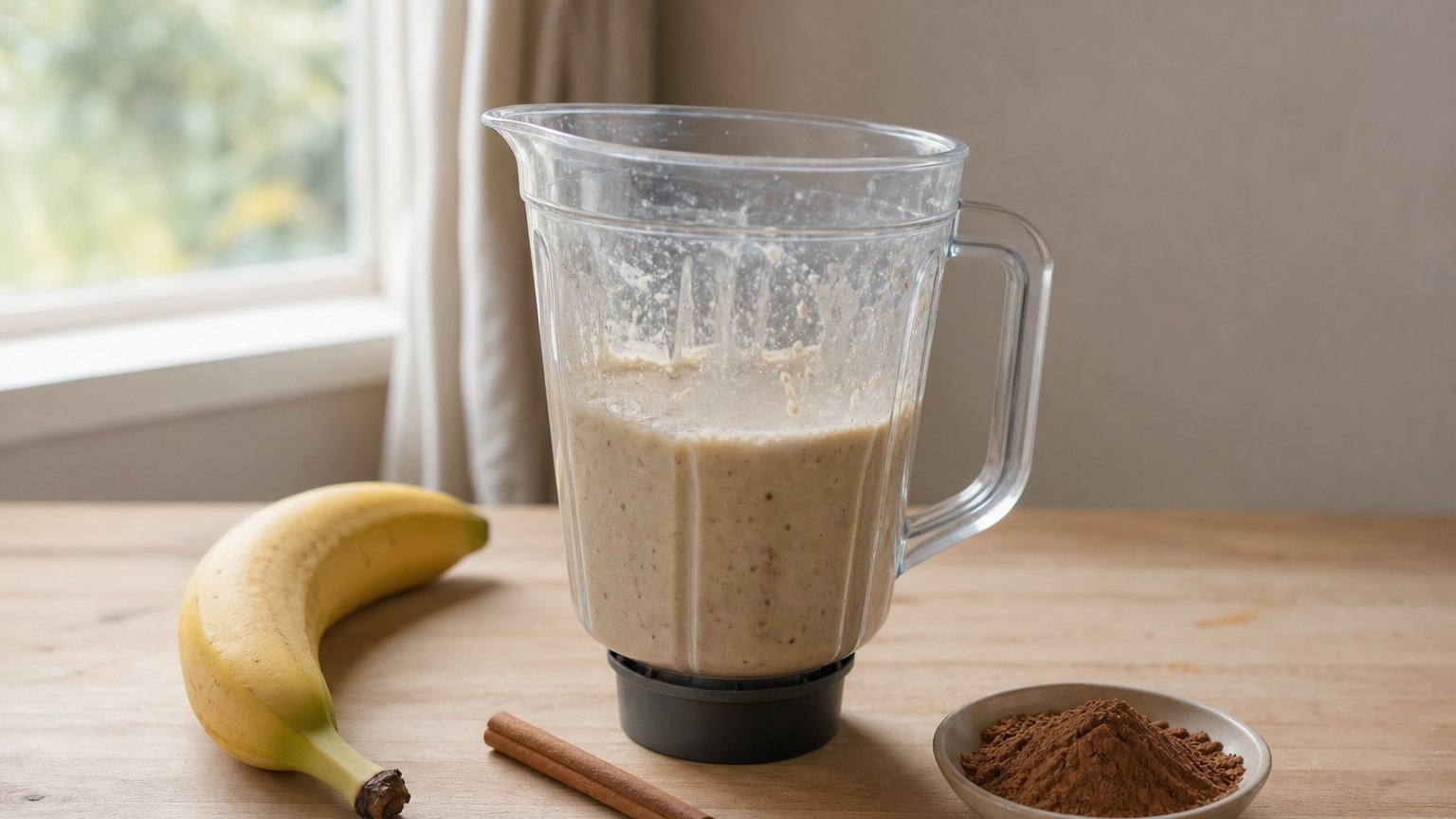
Plant protein tastes better when you blend it cold and balance its earthy notes with a little fat, acid, and salt. Banana, cocoa, berries, coffee, and cinnamon can cover bitterness more effectively than simply adding sweetener. These five practical recipes show you how to use those flavor tricks with everyday ingredients.
Key Takeaways
- Start with cold liquid: Lower temperatures soften aromas and make earthy flavors less noticeable.
- Balance rather than sweeten: A pinch of salt, mild acid, or creamy fat can reduce bitterness without much added sugar.
- Choose strong complementary flavors: Cocoa, banana, coffee, berries, and cinnamon stand up well to plant protein.
- Use a blender when possible: A short, properly ordered blend produces a smoother drink than shaking alone.
- Adjust one ingredient at a time: Small changes make it easier to find the flavor and texture you enjoy consistently.
Why Plant Protein Tastes Earthy
Pea, rice, hemp, and soy proteins each have their own flavor. Pea protein can taste beany, grassy, or slightly bitter. Rice protein often has a toasted, grain-like flavor and a dry finish. Hemp tends to be nuttier and more herbal. How noticeable those qualities are depends on the plant source, processing method, added flavors, and your individual sense of taste.
Some of the earthy or bitter notes come from naturally occurring plant compounds. Saponins are compounds that can contribute bitterness, particularly in legumes such as peas. Polyphenols are plant compounds that can add bitter or astringent sensations. Astringency is the dry, puckering feeling you might recognize from strong tea. These compounds are not automatically a problem, but they can make an otherwise mild shake harder to enjoy.
Texture also changes how you perceive flavor. Tiny particles that remain suspended in a drink can create a chalky coating on your tongue. That coating gives bitter flavors more time to linger. Adding extra sweetener may cover the first taste, but it often does little for the earthy aroma or dry finish.
A better approach is to work with several small flavor adjustments. Cold controls aroma. Salt softens bitterness. Acid adds brightness. Fat creates a rounder mouthfeel. Then a familiar flavor such as cocoa or cinnamon gives your attention somewhere else to go.
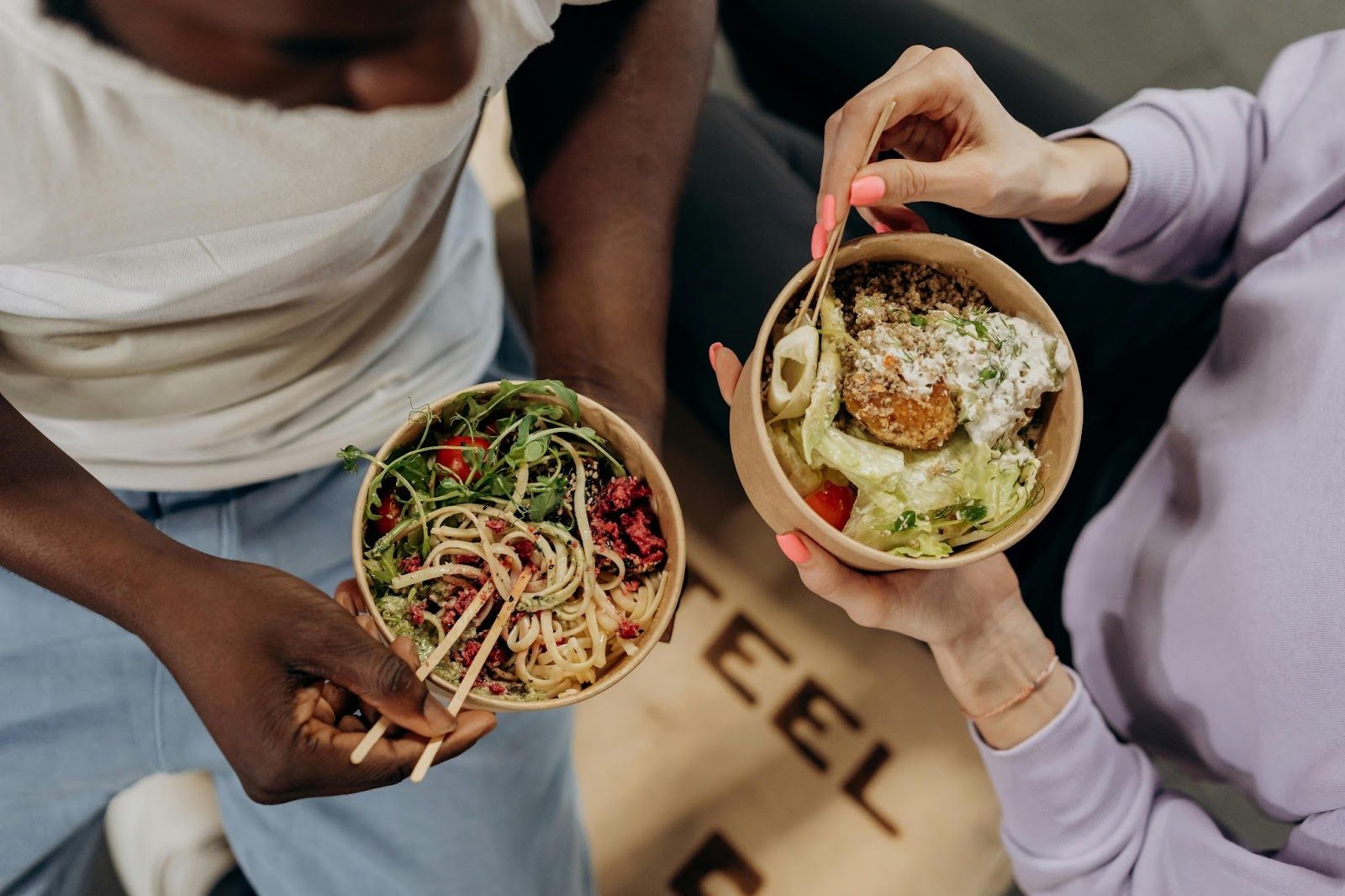
Plant proteins have distinctive flavors that can be balanced with temperature, texture, and complementary ingredients.
The Four Levers: Cold, Fat, Acid, Salt
You do not need a heavily sweetened shake to improve plant protein. Start with four basic flavor levers and adjust them in small amounts.
Cold: Use refrigerated liquid, frozen fruit, or two to four ice cubes. Cold temperatures make aromas less intense, so grassy or beany notes do not rise as strongly from the glass. If your shake tastes fine at first but becomes unpleasant as it warms, temperature is probably doing more work than you realized.
Fat: Try 1 teaspoon of nut butter, seed butter, coconut milk, or ground flaxseed. Fat gives the drink a smoother, fuller texture and helps flavors such as cocoa and cinnamon feel more rounded. More is not always better. Begin with a teaspoon, blend, and taste.
Acid: Add 1 to 2 teaspoons of lemon or lime juice, especially in berry and green smoothies. Acid does not remove bitterness, but its brightness can keep earthy flavors from dominating. Use less acid in coffee or cocoa blends, where it can taste out of place.
Salt: A small pinch can soften perceived bitterness and make vanilla, cocoa, or fruit flavors seem clearer. Start with about 1/32 teaspoon, which is less than a standard 1/8-teaspoon measure. You should not taste a salty shake.
Use these levers as adjustments, not rules. Begin with cold liquid, choose one creamy ingredient, then add either acid or salt. Taste before adding more sweetener.
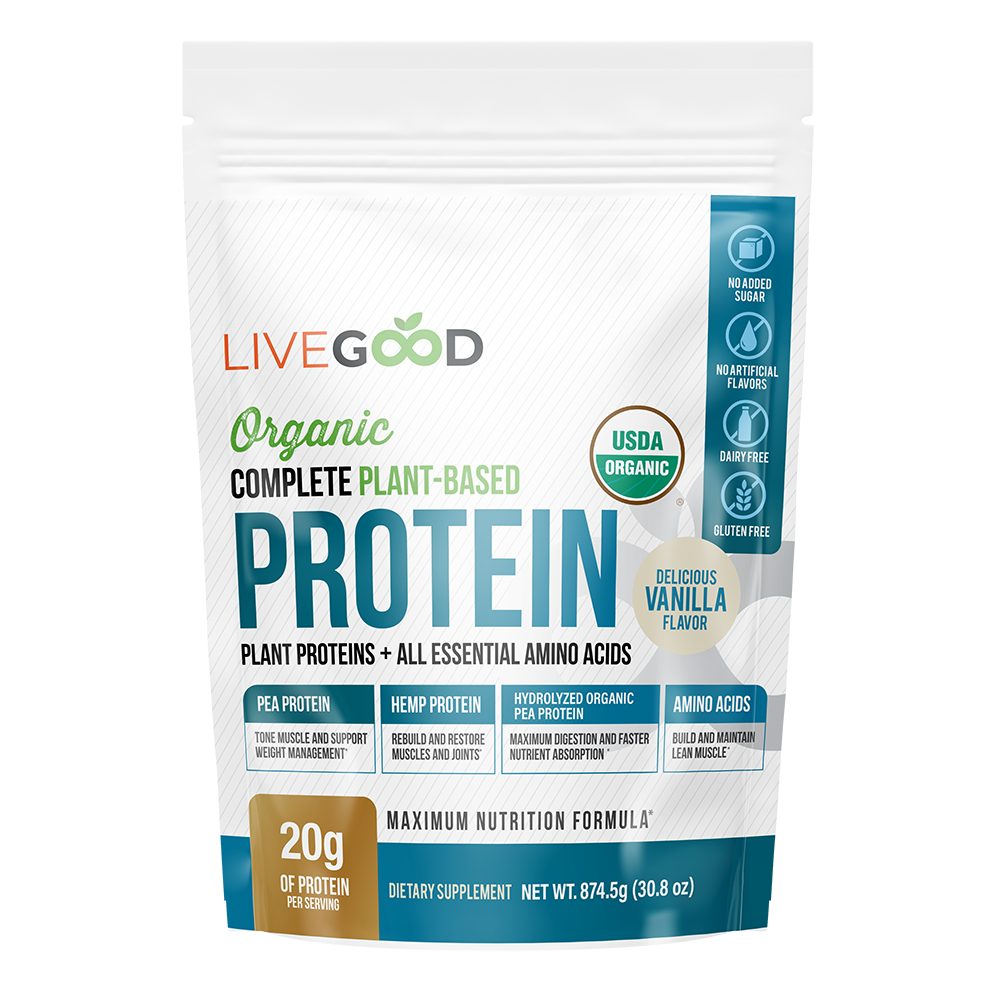
LiveGood Organic Complete Plant-Based Protein is a vanilla flavored blend built on organic pea protein, with all nine essential amino acids plus BCAAs, and organic hemp protein. It also contains 26 vitamins and minerals. Mix a label serving with cold water or blend it into a smoothie any time of day. It is $39.95 for members and $49.95 retail, supporting the idea that wellness should not be a luxury. Highest Quality. Lowest Prices. Every Day.
Recipe 1: Cocoa and Banana
Banana and cocoa are useful together because they address different parts of plant protein's flavor. Ripe banana supplies sweetness and body, while cocoa brings roasted bitterness that makes earthy notes feel intentional. A little salt sharpens the chocolate flavor without adding sugar.
Ingredients for one serving:
- 1 label serving vanilla or unflavored plant protein powder
- 1/2 medium ripe banana, frozen in slices
- 1 tablespoon unsweetened cocoa powder
- 1 cup cold unsweetened soy, oat, or almond milk
- 1 teaspoon peanut or almond butter
- 1 small pinch salt
- 2 ice cubes, optional
Add the liquid to the blender first. Add the protein powder, cocoa, salt, nut butter, and banana. Blend for 20 seconds, pause briefly, then blend for another 10 to 15 seconds. If the shake is thicker than you like, add 2 tablespoons of cold water and blend again.
For less banana flavor, use 1/4 banana and add another ice cube. For deeper chocolate flavor, increase the cocoa by 1 teaspoon rather than adding more sweetener. Natural cocoa tastes fruitier, while Dutch-process cocoa tastes darker and less sharp. Either works.
Taste the shake before changing it. If the finish is still bitter, add one more tiny pinch of salt. If it is too dry, add another teaspoon of nut butter or a splash of milk.
Frozen banana, cocoa, nut butter, and cold milk create a smooth shake without relying on lots of added sugar.
Recipe 2: Berry and Citrus
Tart berries and citrus can turn grassy notes into part of a bright, fruit-forward smoothie. Frozen berries also cool the drink and thicken it without requiring a large amount of banana. Raspberries have noticeable seeds, so blueberries or strawberries are better if you are sensitive to texture.
Ingredients for one serving:
- 1 label serving vanilla or unflavored plant protein powder
- 3/4 cup frozen blueberries or strawberries
- 3/4 cup cold unsweetened soy, oat, or almond milk
- 1/4 cup cold water
- 2 teaspoons fresh lemon juice
- 1/4 teaspoon finely grated lemon zest, optional
- 1 teaspoon chia seeds, optional
- 1 small pinch salt
Pour the milk and water into the blender. Add the lemon juice, protein powder, berries, and salt. Blend for 30 seconds. Let the mixture rest for 10 seconds, then blend again until the color and texture look even.
The lemon zest is powerful, so add it only if the berry flavor needs more lift. Avoid the bitter white layer beneath the yellow peel. If you use chia seeds, drink the smoothie soon after blending because they absorb liquid and make it thicker over time.
If the smoothie is too tart, add 2 tablespoons of banana or 1 teaspoon of maple syrup. Do not add both immediately. The aim is to balance the flavor, not bury it under sweetness. A few extra frozen berries may also improve the fruit flavor without changing the recipe much.
Recipe 3: Coffee and Cinnamon
Coffee naturally shares roasted and bitter flavors with some plant proteins. Instead of trying to erase every bitter note, this recipe puts it in a familiar setting. Cinnamon adds aroma and warmth, while a small amount of nut butter smooths the finish. Use chilled coffee, since hot liquid can make earthy aromas more obvious and create an unpleasantly thick drink.
Ingredients for one serving:
- 1 label serving vanilla or chocolate plant protein powder
- 1/2 cup chilled brewed coffee or cold brew
- 1/2 cup cold unsweetened soy, oat, or almond milk
- 1 teaspoon almond or cashew butter
- 1/4 teaspoon ground cinnamon
- 1 small pinch salt
- 3 ice cubes
Add the coffee and milk to the blender, followed by the protein powder, nut butter, cinnamon, salt, and ice. Blend for 20 to 30 seconds. Serve immediately before the ice melts and dilutes the flavor.
Cold brew is usually smoother and less sharp than regularly brewed coffee, but either is suitable once chilled. If you are using chocolate protein, add 1 teaspoon of unsweetened cocoa for a mocha-style version. If the coffee tastes too strong, replace 1/4 cup of it with more milk.
This recipe contains caffeine unless you choose decaffeinated coffee. Select the version that suits your normal routine and caffeine tolerance. Do not use extra-hot coffee directly in a sealed blender.
Chilled coffee and cinnamon turn earthy plant protein notes into a familiar roasted flavor.
Recipe 4: Green Smoothie Base
A green smoothie works best when the greens are mild and the recipe includes enough fruit, acid, and creaminess to balance them. Baby spinach is usually easier to pair with plant protein than mature kale. Frozen pineapple supplies a clear sweet-tart flavor, while avocado softens the powder's dry texture.
Ingredients for one serving:
- 1 label serving vanilla or unflavored plant protein powder
- 1 packed cup baby spinach
- 1/2 cup frozen pineapple
- 1/4 small avocado
- 3/4 cup cold unsweetened soy, oat, or almond milk
- 1/4 cup cold water
- 2 teaspoons lime juice
- 2 thin slices fresh ginger, optional
- 2 ice cubes
Blend the spinach, milk, and water for 15 seconds first. This breaks down the leaves before the protein powder thickens the mixture. Add the remaining ingredients and blend for another 30 seconds. If you can still see spinach pieces, scrape down the sides and blend for 15 seconds more.
Keep the avocado portion modest. Too much can make the drink heavy and mute the pineapple. If you do not have avocado, substitute 1 teaspoon of almond butter. If the greens still taste strong, add another 1/4 cup of pineapple rather than pouring in sweetener immediately.
Fresh ginger gives the smoothie a sharper finish, but it can become dominant quickly. Start with one thin slice if you are unsure. For a thinner drink, add cold water 2 tablespoons at a time until it is easy to sip.
Recipe 5: Overnight Oats
Plant protein does not have to become a drink. Overnight oats give the powder several hours to hydrate, which softens some of the dry, chalky sensation. Oats, cinnamon, and nut butter also provide familiar flavors that work especially well with vanilla protein. The result should be spoonable, not stiff.
Ingredients for one serving:
- 1/2 cup rolled oats
- 1 label serving vanilla plant protein powder
- 3/4 cup unsweetened soy, oat, or almond milk
- 1 tablespoon almond or peanut butter
- 1/2 teaspoon ground cinnamon
- 1/4 cup diced apple or blueberries
- 1 small pinch salt
- 1 to 3 tablespoons additional milk for serving
In a jar or covered bowl, stir the protein powder into the milk until no dry pockets remain. Add the oats, nut butter, cinnamon, salt, and fruit. Stir again, cover, and refrigerate for at least six hours.
In the morning, stir before judging the texture. Plant protein and oats both absorb liquid, so the mixture will be thicker than it was the night before. Add cold milk 1 tablespoon at a time until it reaches the consistency you prefer.
If the oats taste too earthy, add another 1/4 teaspoon of cinnamon or 1 teaspoon of cocoa powder. For more natural sweetness, use finely diced ripe pear or mashed banana. Avoid adding extra protein powder after soaking because it is more likely to form dry clumps.
Overnight soaking gives plant protein and oats time to hydrate for a softer, more even texture.
Blending Tips That Change Texture
Flavor and texture are closely connected. Even a well-balanced recipe can taste unpleasant if dry powder sticks to the sides of the blender or leaves a grainy coating in your mouth. The order of ingredients makes a noticeable difference.
Add liquid first. This creates a moving base around the blades and keeps powder from packing underneath them. Add protein powder next, followed by soft ingredients, frozen fruit, and ice. If you place powder on top of ice, it may collect above the liquid and require extra blending.
Blend in two short rounds rather than running the machine for several minutes. Start with 20 to 30 seconds, pause for 10 seconds, and blend again if needed. A long blend can warm the drink, increase foam, and make aromas more noticeable. Letting a foamy shake stand for one minute can improve its mouthfeel.
If your shake is gritty, more liquid may help more than extra blending. Add 2 tablespoons at a time. A teaspoon of nut or seed butter can also reduce the dry sensation. For overnight oats, mix the powder with liquid before adding the oats.
A shaker bottle can work for a simple water-and-powder drink. Add water first, include the mixing ball, and shake firmly for at least 20 seconds. For frozen fruit, greens, nut butter, or ice, use a countertop or personal blender. Consistency matters more than chasing a perfect recipe, so keep notes on the liquid amount and ingredients that work for you.
Frequently Asked Questions
How do you make plant protein taste better?
Make plant protein taste better by using cold liquid and balancing it with a creamy ingredient, a little acid, or a tiny pinch of salt. Strong flavors such as cocoa, banana, coffee, berries, and cinnamon help redirect attention from earthy notes. Start with one adjustment, blend, and taste before adding sweetener. This keeps the finished recipe balanced rather than overly sweet.
Why does plant protein taste earthy?
Plant protein can taste earthy because peas, rice, hemp, and other plants contain naturally flavored compounds that remain noticeable after processing. Saponins may contribute bitterness, while polyphenols can create bitter or dry sensations. The exact flavor varies with the plant source and manufacturing method. Undissolved particles can make those notes linger by leaving a chalky coating in your mouth.
What can you mix plant protein with?
You can mix plant protein with cold water, dairy or nondairy milk, coffee, smoothies, yogurt, or overnight oats. Frozen banana, berries, cocoa, cinnamon, nut butter, and citrus are especially helpful for flavor. Match the additions to the powder you have. Vanilla works well with fruit or coffee, while chocolate pairs naturally with banana, cocoa, and nut butter.
Does blending temperature matter?
Yes, blending temperature affects how strongly you notice plant protein's aroma and texture. Cold liquid, frozen fruit, and ice make grassy or earthy smells less prominent. Extended blending can warm the mixture and create extra foam, so use two short blending rounds. Never blend very hot liquid in a sealed blender, since pressure can build and force the lid upward.
How do you avoid a gritty texture?
Avoid a gritty texture by adding liquid first, protein powder second, and frozen ingredients last. Blend for 20 to 30 seconds, pause, then blend again only if needed. If the drink still feels chalky, add cold liquid in 2-tablespoon increments. Nut butter, banana, or avocado can create a smoother mouthfeel, while several hours of hydration helps in overnight oats.