
5 Ways to Make Super Greens Taste Better
 Written by Ben Glinsky
Ask AI about this article and Organic Super Greens





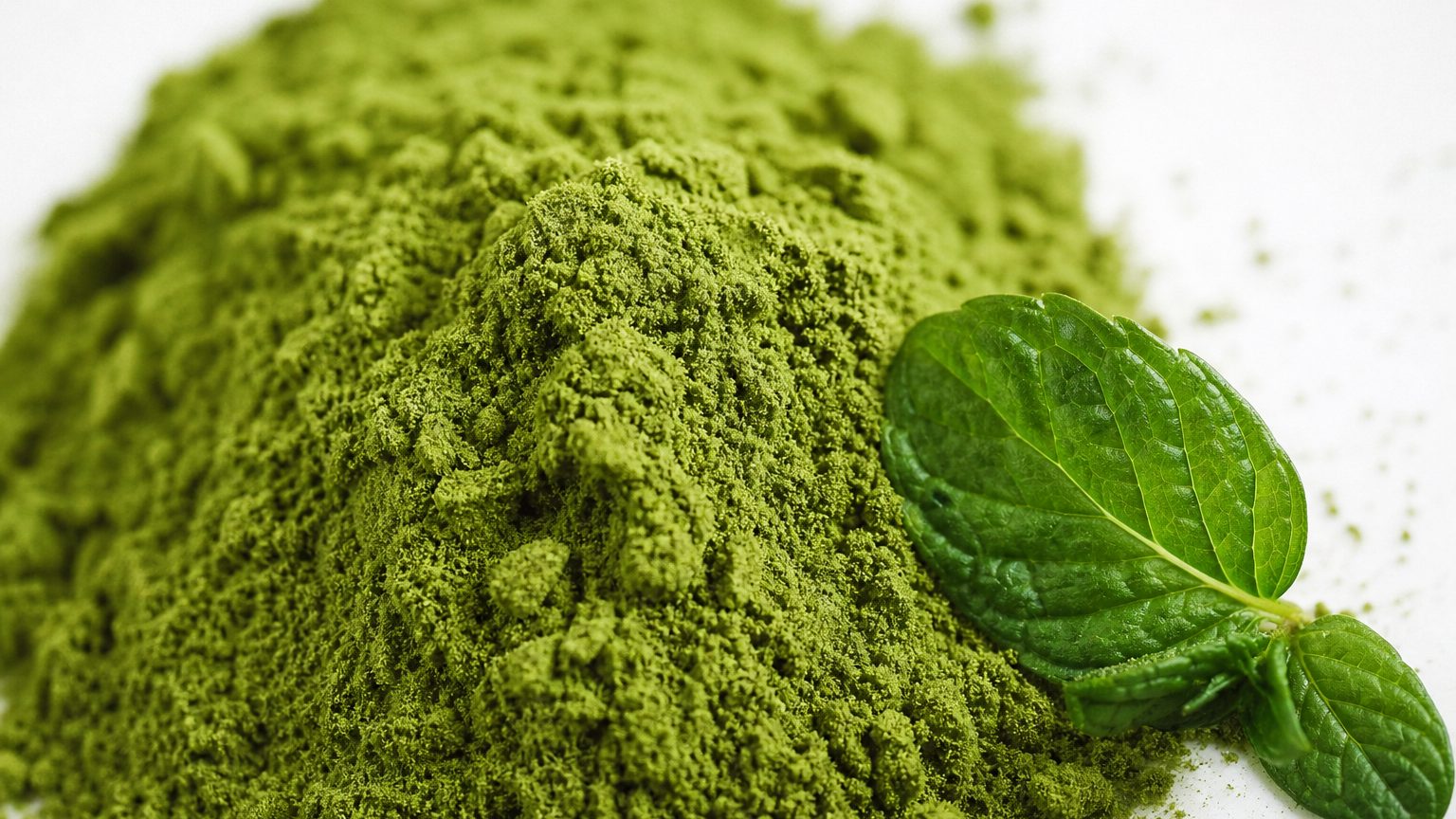
Super greens taste better when you mix them with cold liquid, citrus, sweet-tart fruit, or a small amount of fat. These additions balance the naturally bitter, grassy notes instead of simply covering them with sugar. Here is why greens taste that way, followed by five easy recipes you can repeat.
Key Takeaways
- Start with cold liquid: Lower temperatures make bitter flavors seem less intense.
- Add a bright acid: Lemon, lime, or another tart ingredient balances earthy flavors.
- Choose whole fruit: Sweet-tart fruit masks bitterness while adding body and texture.
- Include a little fat: Yogurt, nut butter, or seed butter creates a smoother mouthfeel.
- Build a repeatable routine: The best mixture is one you enjoy enough to use consistently.
Why Greens Powder Tastes Bitter
Greens powder often tastes bitter because many of its ingredients are naturally bitter, earthy, or grassy. Chlorophyll, the green pigment plants use to capture light, contributes to that distinctly green flavor. Algae ingredients such as spirulina and chlorella can add stronger grassy, mineral, or sea-like notes.
Bitterness is also a normal taste receptor response. Taste receptors are tiny sensors on your tongue and elsewhere in your mouth. Some plant compounds activate receptors that help you detect bitter substances. People vary in how strongly they perceive this signal, so the same scoop may taste mild to one person and very bitter to another.
That bitterness is not automatically a sign of a poor-quality product. Concentrating and drying vegetables, grasses, herbs, and algae can make flavors more noticeable than they would be in a meal. Flavor also varies by formula. A powder with more algae may taste different from one built around leafy greens, fruit, or natural flavors.
There is still a difference between normal bitterness and a product that has gone bad. Do not use powder that smells rancid, shows moisture damage or mold, has unusual clumps, or is past the date listed on its packaging. Store it tightly closed in a cool, dry place and follow the label instructions.
Greens powders contain concentrated plant ingredients with naturally grassy, earthy, and bitter flavors.
Start With Cold Liquid
Cold liquid is the easiest place to start because lower temperatures can reduce how strongly you notice bitter flavors and aromas. The powder does not become less bitter chemically. It simply tastes less intense when chilled.
Try mixing one label-directed serving with 8 to 12 ounces of very cold water. Add three or four ice cubes, then shake for 15 to 20 seconds. A shaker bottle usually works better than stirring with a spoon because it breaks up dry pockets and creates a more even texture. Let the drink sit for about 30 seconds, shake again, and drink it while cold.
If plain water still tastes too grassy, try unsweetened coconut water, chilled dairy milk, or an unsweetened plant-based milk. Coconut water adds mild sweetness, while milk creates a softer texture. Check flavored beverages for added sugar if that is something you monitor.
The amount of liquid matters too. Too little water concentrates both flavor and texture. Start with the amount suggested on the label, then add another 2 to 4 ounces if needed. More liquid usually makes each sip milder, although it also gives you a larger drink to finish.
Avoid mixing greens into hot liquid unless the label specifically allows it. Heat can make grassy aromas more noticeable, and some formulas contain ingredients that may not be intended for high temperatures.
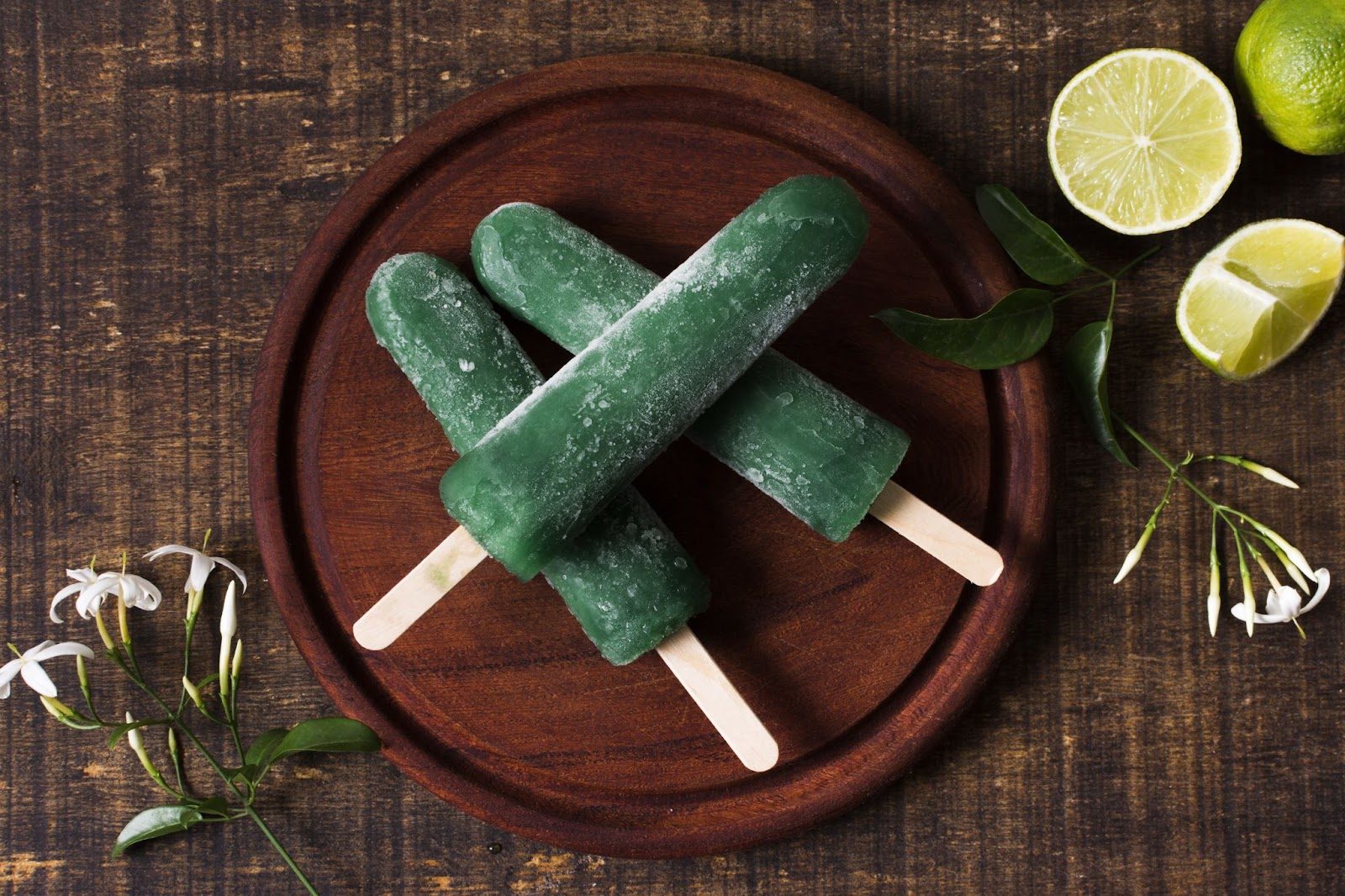
Cold water and ice can make the bitter taste of greens powder feel less intense.
Add Acid to Cut Bitterness
Acid gives greens powder a brighter flavor. Lemon, lime, and other tart ingredients do not remove bitter compounds, but their sharp taste changes the overall balance. Your drink registers as fresher and less dominated by earthy notes.
For a simple mixture, combine one serving of greens powder with 10 ounces of cold water and 1 tablespoon of lemon or lime juice. Shake with ice and taste before adding more. If the drink becomes too sour, dilute it with another 2 ounces of water instead of immediately adding sweetener.
You can also use 1 to 2 tablespoons of unsweetened cranberry juice, pomegranate juice, or passion fruit puree. Read the label carefully because juice cocktails often contain more added sugar than pure juice. A few chunks of frozen pineapple can provide both acidity and mild sweetness when you have a blender available.
Do not assume apple cider vinegar will work better simply because it is strongly acidic. Its sharp aroma may compete with the greens and make the drink harder to enjoy. Citrus is usually the more approachable starting point.
If acidic foods irritate your stomach, trigger reflux symptoms, or bother sensitive teeth, skip this method. Use cold liquid, fruit, or a creamy ingredient instead. Drinking acidic mixtures through a straw and rinsing your mouth with plain water afterward may also reduce contact with your teeth.
Blend With Fruit, Not Juice Alone
Fruit is especially useful because sweetness and tartness work together to mask bitterness. Berries, pineapple, mango, kiwi, cherries, and citrus are strong choices. Banana is less tart, but it adds sweetness and makes a smoothie creamy.
Whole fruit often works better than juice alone. Its fiber and natural thickness give the drink more body, which softens the powdery texture. A thicker smoothie also spreads the flavor across other ingredients instead of leaving the greens as the main taste.
Start with 1/2 to 1 cup of frozen fruit for each serving of greens powder. Frozen fruit chills the mixture while reducing the need for ice. Pair 1/2 cup of tart fruit, such as berries or pineapple, with half a banana if you want a sweeter result without using a large amount of juice.
Juice is still an option, but use it as part of the liquid rather than the entire base. Try 1/4 cup of orange or pineapple juice with 3/4 cup of cold water. This provides sweetness and acidity without turning the drink into a full glass of juice.
Taste before adding honey, maple syrup, or another sweetener. Fruit may be enough. If you do add sweetener, begin with 1 teaspoon. The goal is to balance the greens, not create a drink so sweet that it becomes harder to fit into your usual eating pattern.
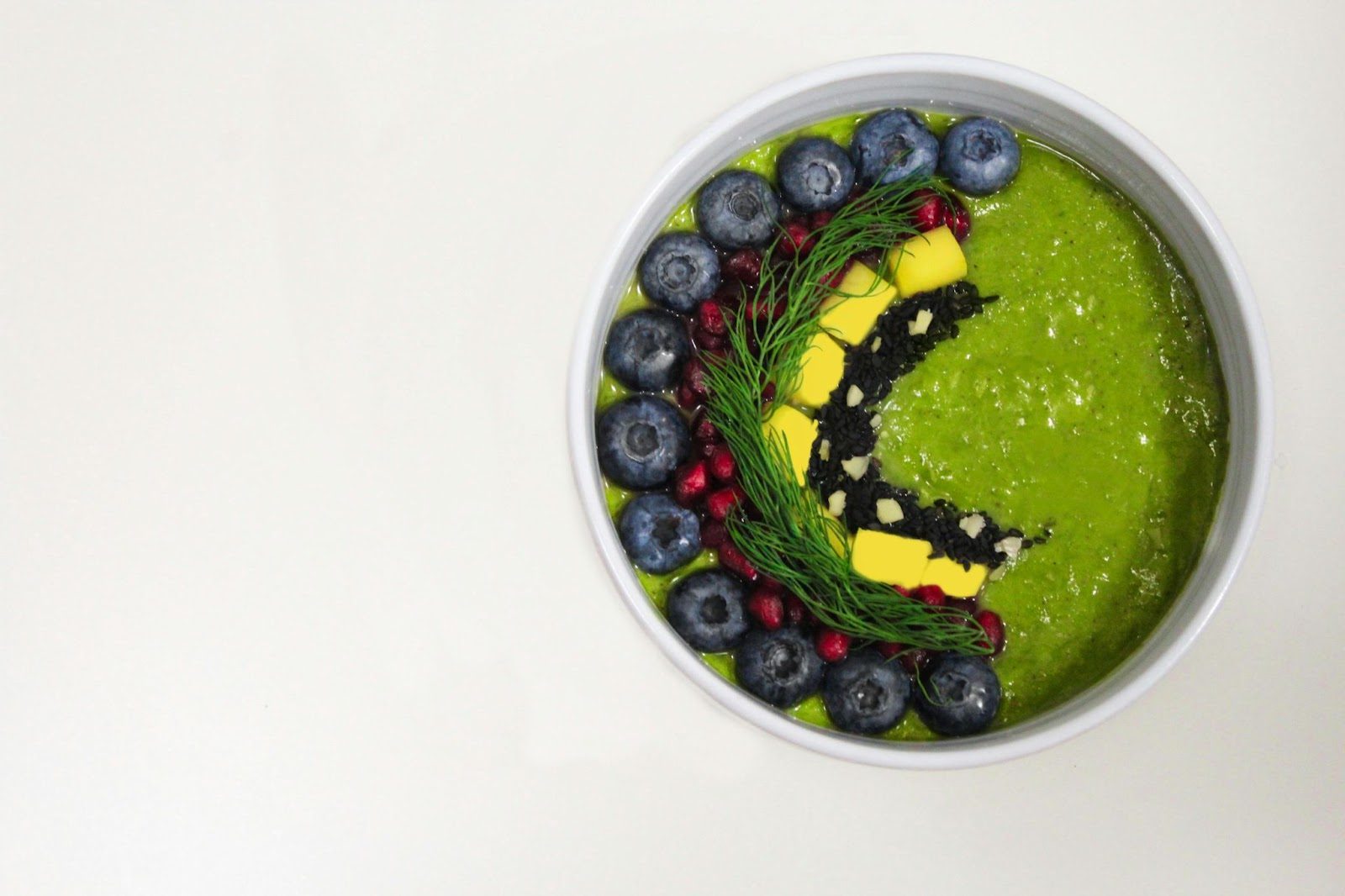
Frozen fruit adds sweetness, tartness, and body to a super greens smoothie.
Use a Little Fat
A small amount of fat can soften bitter flavors by coating the palate and creating a smoother texture. This works well when thin, grassy drinks are the main problem. You do not need much. One tablespoon of nut or seed butter, or a few spoonfuls of yogurt, is usually enough.
For a smoothie, blend one serving of greens with 1 cup of cold milk, half a frozen banana, and 1 tablespoon of peanut, almond, cashew, or sunflower seed butter. For a spoonable option, stir the powder into 3/4 cup of plain or vanilla yogurt. Add 1 to 2 tablespoons of water if the mixture becomes too thick.
Fat also carries flavor. Peanut butter, cocoa, vanilla, and cinnamon have recognizable aromas that redirect attention from grassy notes. Try 1 teaspoon of unsweetened cocoa powder or 1/4 teaspoon of cinnamon in a banana smoothie. These additions change taste, but they do not make the greens more effective.
Choose ingredients that suit your needs and allergies. Seed butter is a practical alternative for many people who avoid nuts. If you use prescription medications, are pregnant or breastfeeding, have kidney or liver conditions, or manage another medical condition, talk to your doctor before adding a dietary supplement to your routine.
Consistency matters more than forcing down a mixture you dislike. A simple recipe you enjoy is more useful than an elaborate one you rarely make.
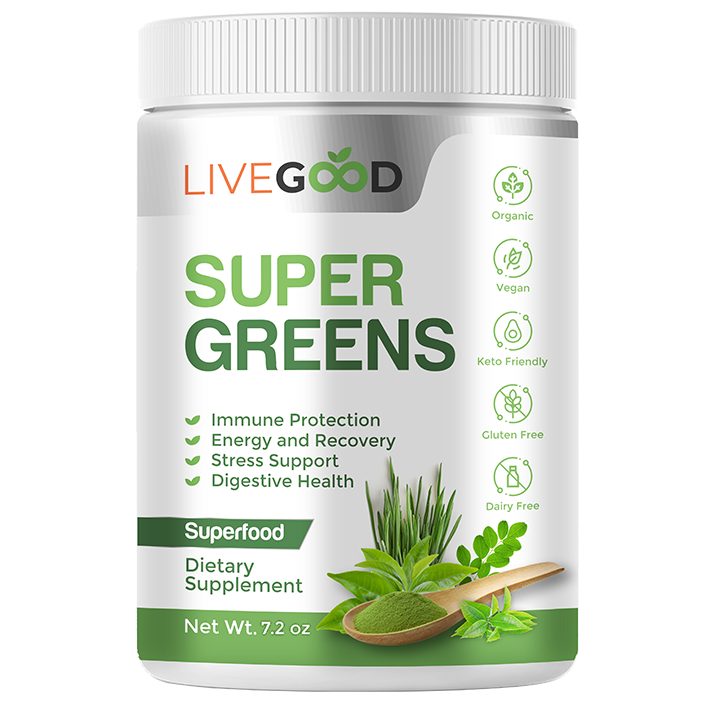
LiveGood Organic Super Greens is a USDA certified organic greens powder designed to help fill nutrient gaps as "a safety net for your health." Mix one delicious scoop a day into cold water or a smoothie, following the label directions. It is $19.95 for members compared with $34.95 retail, supporting LiveGood's mission to "Provide the highest quality supplements in the world, at the lowest prices possible."
Five Recipes Worth Repeating
These recipes combine temperature, acidity, fruit, and texture in different ways. Use the serving shown on your greens powder label if it differs from one scoop.
-
Citrus greens cooler: Add 10 ounces cold water, one scoop greens powder, 1 tablespoon lemon juice, and four ice cubes to a shaker bottle. Shake for 20 seconds, rest for 30 seconds, then shake again.
-
Berry banana smoothie: Blend 3/4 cup cold water, 1/2 cup frozen mixed berries, half a frozen banana, one scoop greens powder, and 1/2 cup ice until smooth. Add 1 to 2 tablespoons of water if it is too thick.
-
Tropical lime blend: Blend 3/4 cup unsweetened coconut water, 1/2 cup frozen pineapple, 1/2 cup frozen mango, one scoop greens powder, and 2 teaspoons lime juice. Serve immediately while cold.
-
Creamy berry yogurt bowl: Stir one scoop greens powder into 3/4 cup plain Greek yogurt or a dairy-free alternative. Add 1 tablespoon water, 1/2 cup sliced strawberries, and 1 teaspoon maple syrup. Stir again before eating.
-
Cocoa nut butter smoothie: Blend 1 cup cold dairy or plant-based milk, half a frozen banana, 1 tablespoon nut or seed butter, 1 teaspoon unsweetened cocoa powder, one scoop greens powder, and three ice cubes.
Start with the recipe closest to flavors you already like. Citrus fans may prefer the cooler, while people sensitive to bitterness often find the cocoa or tropical smoothie easiest. Prepare one recipe several times before deciding whether greens powder works for your routine. Small adjustments to liquid, fruit, or acidity can make a large difference.
Simple measured recipes make it easier to find a super greens mixture you can enjoy consistently.
Frequently Asked Questions
How do you make super greens taste better?
Mix super greens with a cold base, then add citrus, fruit, or a creamy ingredient to balance the bitterness. Ice reduces the perceived intensity, while lemon or lime adds brightness. Frozen berries, pineapple, or banana can mask earthy notes. Yogurt or nut butter makes the texture smoother. Begin with one method, taste, and adjust the liquid before adding extra sweetener.
What can you mix greens powder with?
You can mix greens powder with cold water, coconut water, milk, smoothies, or yogurt. Lemon juice, lime juice, frozen fruit, nut butter, cocoa, cinnamon, and vanilla can improve the flavor further. Use the serving listed on the supplement label, and avoid very hot liquids unless the manufacturer says the formula is suitable for heat.
Why does greens powder taste so bad?
Greens powder can taste unpleasant because concentrated chlorophyll-rich plants, spirulina, chlorella, grasses, and herbs naturally have bitter or earthy flavors. Your bitter taste receptors may also be more sensitive than someone else's. Normal bitterness does not prove that a powder is bad, but rancid odors, moisture damage, mold, or an expired product are reasons not to use it.
Can you mix greens powder with juice?
Yes, greens powder can be mixed with juice, provided the product label does not say otherwise. Citrus, pineapple, cranberry, and pomegranate flavors can balance grassy notes. Try 1/4 cup juice with 3/4 cup cold water rather than using juice as the entire base. This keeps the flavor bright while limiting unnecessary sweetness.
Is it better to drink greens powder in the morning?
No, greens powder is not automatically better in the morning. The most useful time is the one that fits your routine and agrees with your stomach. Morning can be convenient because you can add it to breakfast or a smoothie, but afternoon is also fine. Follow the label directions and focus on a schedule you can maintain consistently.