
Creatine for Women: Benefits and How to Start
 Written by Nauder Khazan
Ask AI about this article and Creatine + HMB





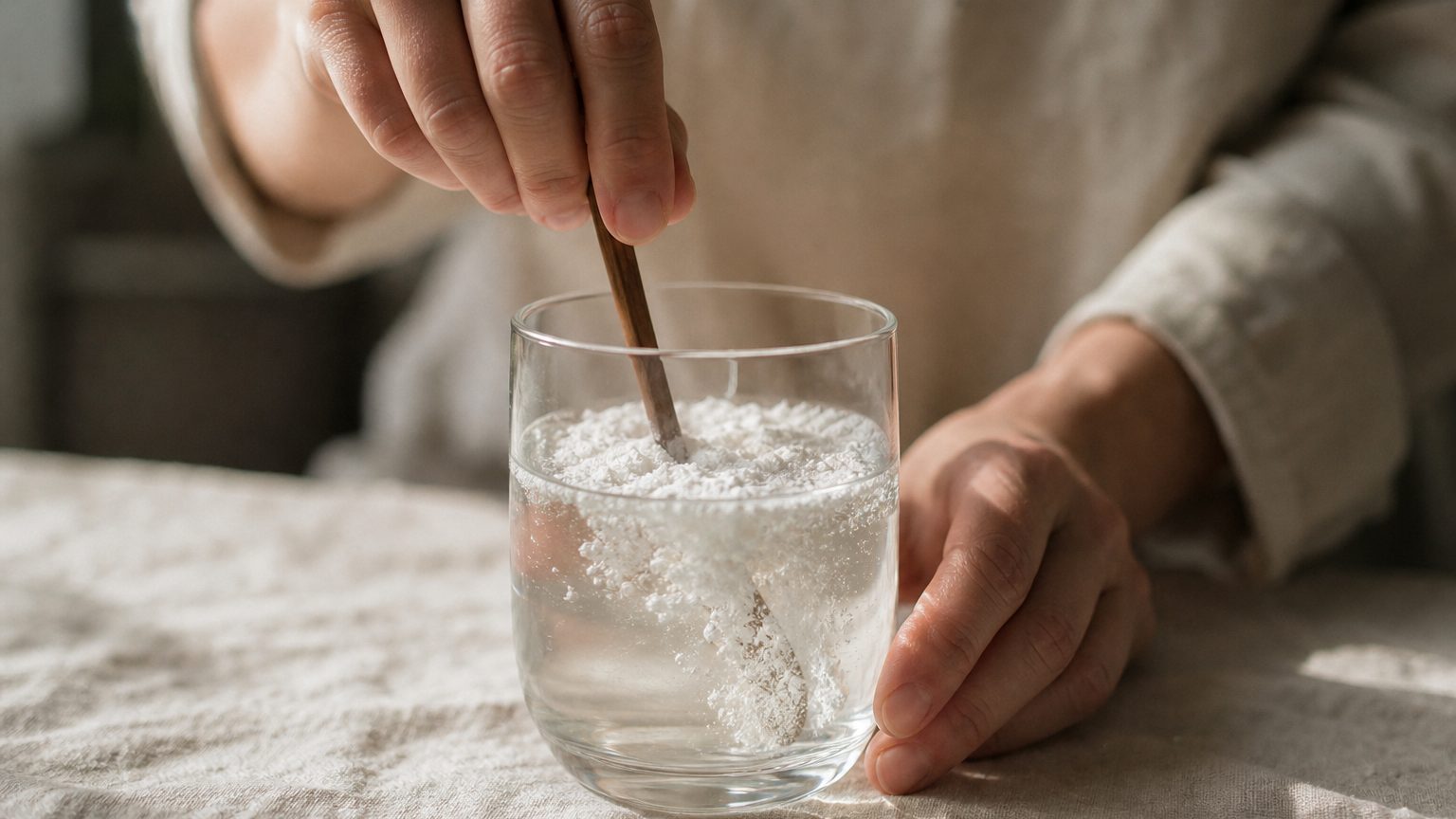
Creatine can help women support strength, exercise performance, and muscle maintenance. It does not automatically make you bulky, although a small, temporary increase in water weight can happen. Here is what the women-specific research suggests, including how creatine may fit into your routine through perimenopause and beyond.
Key Takeaways
- Women can benefit from creatine: It supports the rapid energy system used during lifting, sprinting, and other demanding activities.
- Bulk is not automatic: Significant muscle growth requires progressive training, nutrition, time, and individual physiology.
- Water gain is usually modest: Creatine draws water into muscle cells, which is different from gaining body fat.
- Menopause research is growing: Studies are examining muscle, physical function, bone, and cognitive support, but several findings remain mixed.
- Consistency matters most: Follow the product label, take creatine regularly, and pair it with resistance training and adequate protein.
Does Creatine Work Differently for Women?
Creatine works through the same basic energy pathway in women and men. Your body makes creatine, and you also get some from foods such as meat and fish. Most of it is stored in skeletal muscle, where it helps restore adenosine triphosphate, or ATP. ATP is the energy your cells use for quick, demanding work, such as lifting a weight or climbing stairs quickly.
Women were historically under-represented in creatine studies. That means broad statements based mainly on male participants do not always answer questions about menstrual cycles, pregnancy, hormonal contraception, perimenopause, or later life. Newer research is beginning to examine these differences, but many women-specific questions still need stronger studies.
Hormones, diet, muscle mass, and training status may all affect creatine stores and responses. Women who eat little or no meat or fish may have lower dietary creatine intake, although that does not automatically mean they are deficient. There is not enough evidence to recommend changing your creatine schedule around your menstrual cycle.
The clearest potential benefit is support for repeated, high-intensity effort, particularly when creatine is combined with resistance training. Some women notice improved training capacity over time, while others notice little subjectively. Research into brain energy and cognition is promising, but it is less established than the exercise evidence.

Creatine supports the rapid cellular energy system women use during lifting and other demanding activities.
Will Creatine Make You Bulky?
No, creatine alone will not suddenly give you a bulky physique. It is not a hormone, and it does not override your genetics, training style, food intake, or normal physiology. Building a visibly large amount of muscle generally takes progressive resistance training, enough nutrition, and considerable time.
Creatine may help you complete an extra repetition or maintain effort across repeated sets. Over many weeks, that added training capacity can support strength and lean muscle development. How your body changes still depends on what you do with that support. A person following a challenging muscle-building program may see different results from someone doing moderate strength sessions for general fitness.
The scale can also create confusion. An early increase may reflect water stored with creatine inside muscle cells, not a sudden increase in muscle or body fat. Fuller muscles can look slightly more defined, but that is not the same as unwanted bulk.
Creatine is also not a weight-loss supplement. It does not directly burn fat, and the scale may move up even while your body composition remains stable. If appearance is your concern, track strength, clothing fit, waist measurements, and progress photos alongside body weight. Give those measures several weeks rather than judging the first few days.
You remain in control of your training goal. Creatine supports the work your muscles perform. It does not choose the outcome for you.

Creatine can support strength training without automatically producing a bulky physique.
What About Water Retention?
Creatine can increase water stored in muscle cells, particularly when you first begin taking it. This is often called intracellular water because it is held inside the cells. It is not the same thing as gaining body fat, and it does not necessarily create the soft or puffy feeling many women associate with water retention.
A loading phase, which uses larger divided amounts for several days in some research protocols, fills muscle creatine stores quickly. It is also more likely to produce a noticeable scale change or digestive discomfort. Loading is not required. Following a standard label serving consistently fills muscle stores more gradually and may feel easier on your stomach.
Some people still report bloating, cramping, or loose stools. These digestive effects can occur when too much powder is taken at once, the product is not mixed well, or an individual is sensitive to it. Taking the label serving with a meal, dissolving it thoroughly, and maintaining normal hydration may help. More water is not always better, so drink according to thirst, activity, and your doctor's guidance.
A modest early weight change can be normal, but a rapid 10-pound increase is not a typical response to a standard serving. Stop and talk to your doctor if you develop marked swelling, persistent stomach symptoms, shortness of breath, or a large unexplained weight change.
People with kidney or liver conditions, other existing medical conditions, or prescription medications should talk to their doctor before using creatine. Creatine can also affect blood creatinine test results, so tell your healthcare team that you take it.

A consistent label serving may feel gentler than a loading phase for women concerned about water weight or digestion.
Creatine Through Perimenopause and Beyond
Perimenopause is the transition leading to menopause, and it can bring changes in hormones, body composition, sleep, and exercise recovery. Muscle mass and strength also tend to decline gradually with age. That makes resistance training, adequate protein, and regular movement especially valuable during this stage of life.
Researchers are studying whether creatine can provide additional support. Trials involving postmenopausal and older women have examined strength, lean tissue, physical function, bone measures, and cognition. Some results suggest that creatine paired with resistance training may support gains in strength or lean mass. Other studies have found small or inconsistent effects, particularly when creatine is used without a structured training program.
Evidence for bone support is still developing. Creatine does not directly build bone, but stronger muscles and more effective training may place useful mechanical stress on the skeleton. Studies have not consistently shown improvements in bone density, so creatine should not replace weight-bearing exercise, calcium and vitamin D guidance, or medical care.
Brain-related research is also emerging. Creatine participates in cellular energy production in the brain, but scientists have not established it as a treatment for memory problems, mood changes, or other menopausal symptoms. The University of Colorado School of Medicine similarly emphasizes creatine as a possible addition to strength-building habits, not a substitute for them.
If symptoms are affecting daily life, talk to your doctor. Creatine is not a replacement for an evaluation or for evidence-based menopause care.

During perimenopause and beyond, creatine is best considered alongside resistance training, protein, and regular medical care.
How to Start, Step by Step
A simple routine is usually better than an aggressive one. You do not need special timing, a complicated cycle, or a different formula solely because you are a woman.
- Choose creatine monohydrate. This is the form used in most research. Products marketed with elaborate delivery systems have not consistently shown a meaningful advantage.
- Read the complete label. Check the amount per serving, other active ingredients, directions, allergens, and warnings. Avoid assuming that a larger scoop is more effective.
- Follow the label serving. Research commonly studies about 3 to 5 grams of creatine monohydrate per day in adults. Use that only as research context, and follow the directions on your specific product rather than creating your own high-dose plan.
- Skip loading if bulk or bloating worries you. A loading phase is optional. Daily use without loading generally raises muscle stores over several weeks and may reduce the chance of an abrupt water-weight change.
- Take it consistently. Morning, evening, and post-workout schedules can all work. Choose a time you can remember, and mix the powder fully into water, a smoothie, or another suitable drink.
- Pair it with the basics. Resistance training, adequate protein, sleep, and recovery drive adaptation. Creatine supports that routine but cannot replace it.
- Review your response. Track workouts, digestion, and body weight for four to eight weeks. Look for trends across several sessions instead of expecting a stimulant-like feeling.
Talk to your doctor before starting if you are pregnant or breastfeeding, take prescription medication, have a kidney or liver condition, or live with another medical condition. Cedars-Sinai also recommends considering your health history and choosing a routine that fits your individual needs.
Creatine monohydrate can be mixed into water or another drink at a time that makes daily consistency easier.
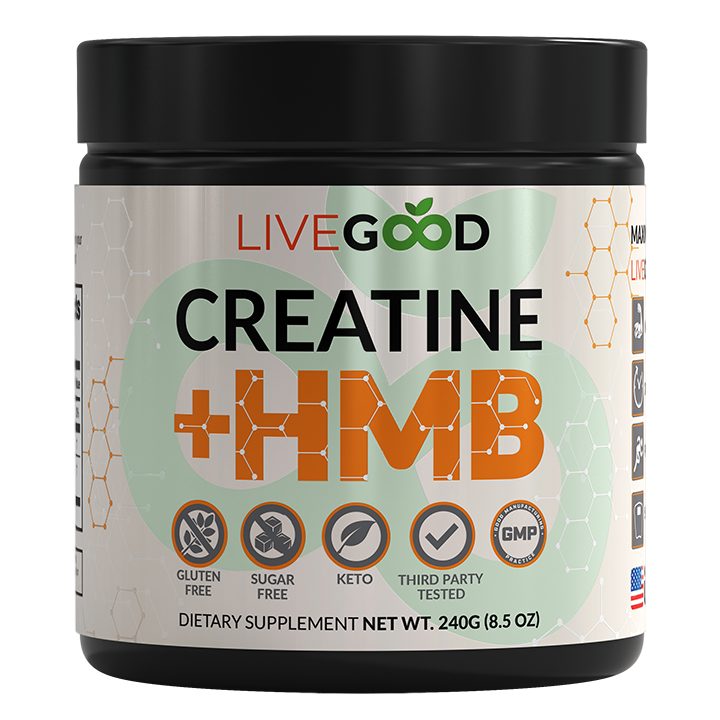
LiveGood Creatine + HMB provides 5 grams of creatine monohydrate plus 3 grams of HMB per serving, with no junk fillers, flavors, or additives. It is formulated to support muscles, brain, and heart while helping maintain muscle as you age and supporting cognitive function. Follow the label for a consistent daily serving. It is $19.95 for members compared with $34.95 retail, supporting access to transparent wellness products without unnecessary extras.
Frequently Asked Questions
Is creatine good for women?
Yes, creatine can be useful for women who want to support strength, repeated high-intensity effort, and muscle maintenance. The strongest evidence involves creatine monohydrate combined with resistance training. Women-specific research is expanding, but evidence for benefits such as cognitive or bone support is less settled. Your diet, training, life stage, and health history can influence whether it fits your routine.
Will creatine make women bulky?
No, creatine does not automatically make women bulky. It may support better training and gradual lean muscle development, but large physique changes require a targeted program, sufficient food, individual responsiveness, and time. A small early scale increase is more likely to come from water held in muscle cells than from sudden muscle or fat gain.
How much creatine should a woman take?
A woman should follow the serving directions on her chosen creatine product. For context, adult research commonly uses 3 to 5 grams of creatine monohydrate daily, and women do not generally need a sex-specific dose. Loading is optional, not essential. Do not exceed the label directions without discussing your needs and medical history with your doctor.
Does creatine cause bloating in women?
Creatine may cause temporary water-weight changes or digestive bloating in some women, but these are not inevitable. Water associated with creatine is generally stored inside muscle cells. Larger loading amounts may be harder to tolerate than a regular daily serving. Mixing it thoroughly, following the label, and taking it with food may improve comfort.
Can women take creatine during menopause?
Yes, many healthy women can consider creatine during menopause, especially alongside resistance training. Research is exploring support for strength, lean tissue, physical function, bone, and cognition, but results are not equally strong in every area. Creatine does not treat menopause or its symptoms. Ask your doctor first if you take medication or have an existing medical condition.