
Vegetables Studied for Blood Pressure Support
 Written by Ben Glinsky
Ask AI about this article and Organic Super Reds





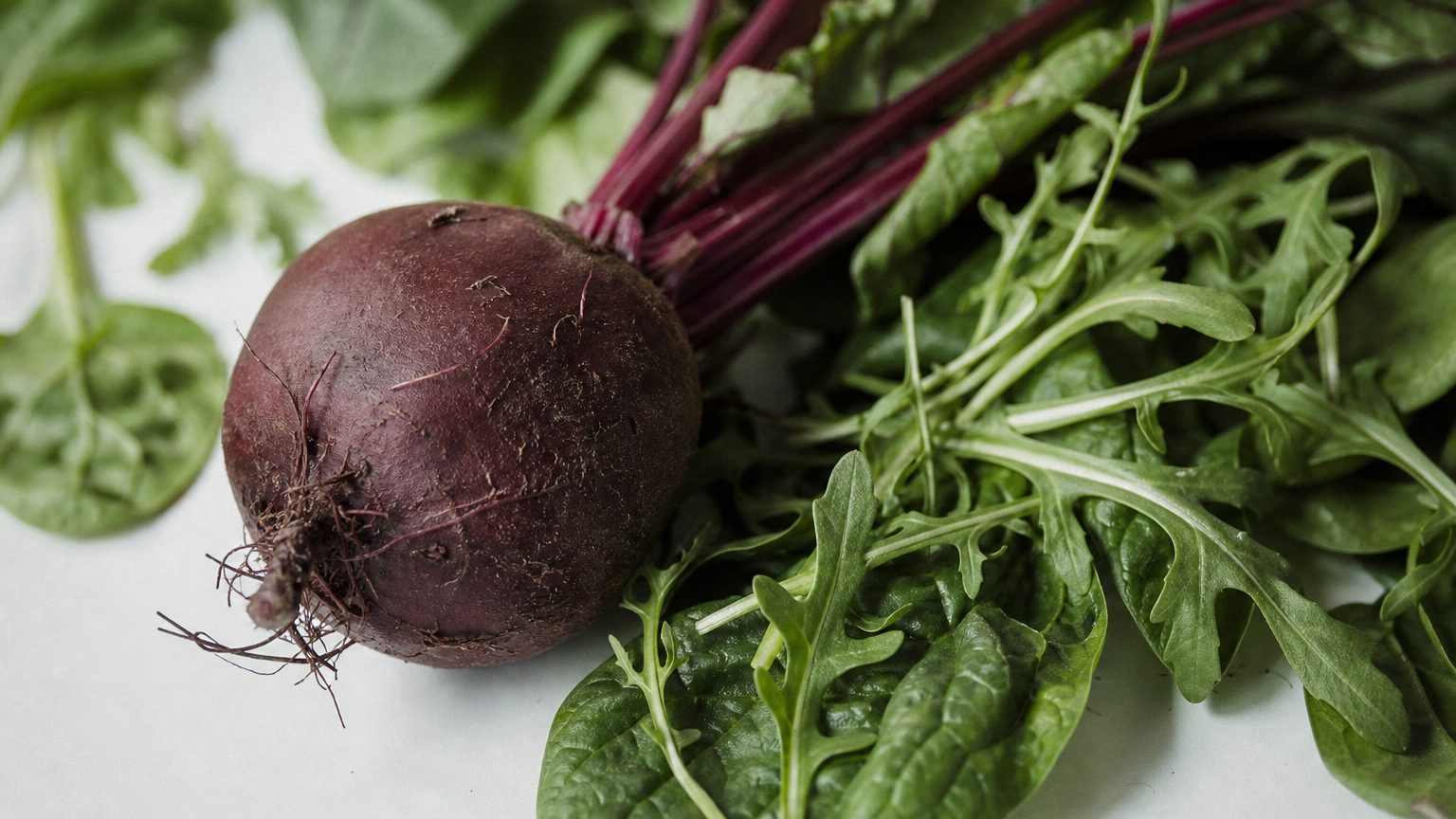
Leafy greens and beet are the vegetables with the most direct research interest because their dietary nitrate can be converted into nitric oxide, a molecule involved in blood vessel relaxation. Potassium-rich vegetables also fit a blood-pressure-conscious diet, but the strongest evidence supports an overall eating pattern such as DASH, not one special food.
Key Takeaways
- Start with nitrate-rich vegetables: Beet, arugula, spinach, lettuce, and celery provide dietary nitrate used to make nitric oxide.
- Think beyond antioxidants: Antioxidants are nutritious, but their direct blood pressure effects are less certain than headlines often suggest.
- Include potassium-rich foods: Potassium supports normal fluid balance and helps counter sodium, although some people need to limit it.
- Build a DASH-style plate: Vegetables work best within a pattern that also includes fruit, whole grains, beans, nuts, and suitable dairy or alternatives.
- Keep medical care in place: Vegetables and supplements do not replace prescribed blood pressure medication or professional guidance.
Why Nitrate Matters More Than Antioxidants
Dietary nitrate is one of the clearest reasons certain vegetables receive attention in blood pressure research. After you eat nitrate, bacteria in your mouth help convert it into nitrite. Your body can then turn nitrite into nitric oxide, a signaling molecule that helps blood vessels relax and supports healthy circulation.
This pathway has been tested directly in human trials, particularly with beetroot juice and nitrate-rich leafy vegetables. Researchers can measure nitrate intake, nitric oxide-related markers, and changes in blood pressure readings. Results vary by dose, study length, participants, and their usual diets. That means the research is promising, but it does not prove that a serving of beet or spinach will treat hypertension.
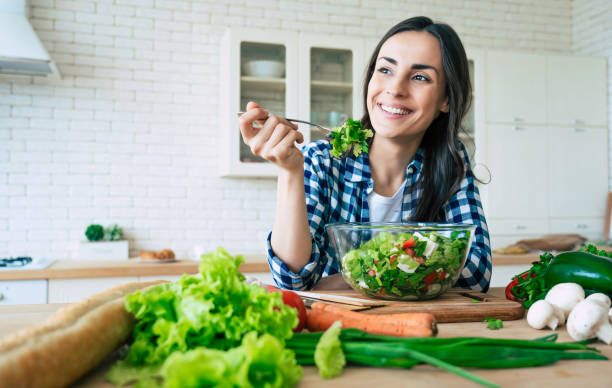
Dietary nitrate from certain vegetables enters a measurable pathway that supports the body's production of nitric oxide.
Antioxidants have a less direct story. Oxidative stress happens when unstable molecules and the body's defenses become unbalanced. Because oxidative stress is associated with changes in blood vessels, it is reasonable to study antioxidant-rich foods. However, finding an association is not the same as showing that antioxidants from one vegetable produce a meaningful blood pressure effect.
The practical difference is simple. Nitrate has a defined conversion pathway that can be measured within hours. Antioxidant claims often combine laboratory findings, population studies, and broad statements about heart health. Vegetables provide both, but nitrate is the more specific mechanism when discussing beet and leafy greens. Neither mechanism makes a vegetable a substitute for medical treatment.
Leafy Greens and Beet
Beetroot and leafy greens are among the richest common vegetable sources of dietary nitrate. Useful choices include arugula, spinach, romaine and other lettuces, Swiss chard, beet greens, and bok choy. Celery also contributes nitrate, although the amount in any vegetable can change with growing conditions, storage, and preparation.
Beet juice is frequently used in research because it provides a concentrated, measurable serving. Whole beet offers nitrate along with fiber, folate, and other nutrients. Roasted beet, grated raw beet, and cooked beet can all fit a balanced diet. Pickled beet may contain considerable sodium, so check the label if you have been advised to limit salt.
Beetroot and leafy greens are common dietary sources of nitrate studied for nitric oxide support.
For leafy greens, variety and consistency matter more than hunting for the highest-nitrate option. Add spinach to eggs or soup. Use arugula in a sandwich. Serve a leafy salad with lunch. Saute chard with garlic and olive oil. These are practical ways to increase vegetables without turning one ingredient into a remedy.
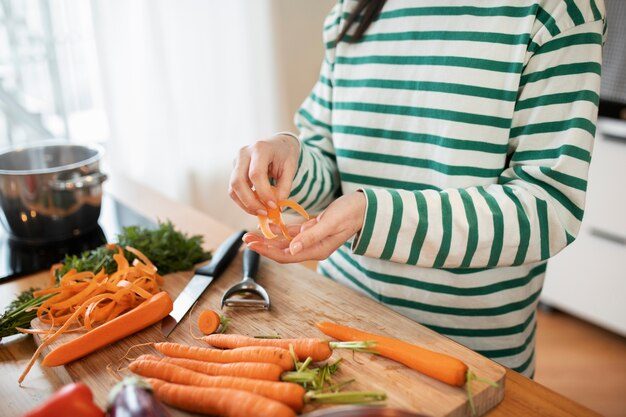
Carrots, cabbage, broccoli, and cauliflower are nutritious too. They provide fiber, vitamins, minerals, and plant compounds, but they do not have the same concentrated nitrate research story as beetroot. They are still good choices for a DASH-style meal, especially when they replace salty or heavily processed sides.
Carrots, cabbage, broccoli, and cauliflower contribute useful nutrients even though their nitrate research is less direct.
There is no vegetable that can safely or reliably fix a high blood pressure reading within minutes. If a reading is unusually high, follow your doctor's plan. Seek urgent medical care for a severely high reading accompanied by chest pain, trouble breathing, weakness, confusion, vision changes, or another concerning symptom.
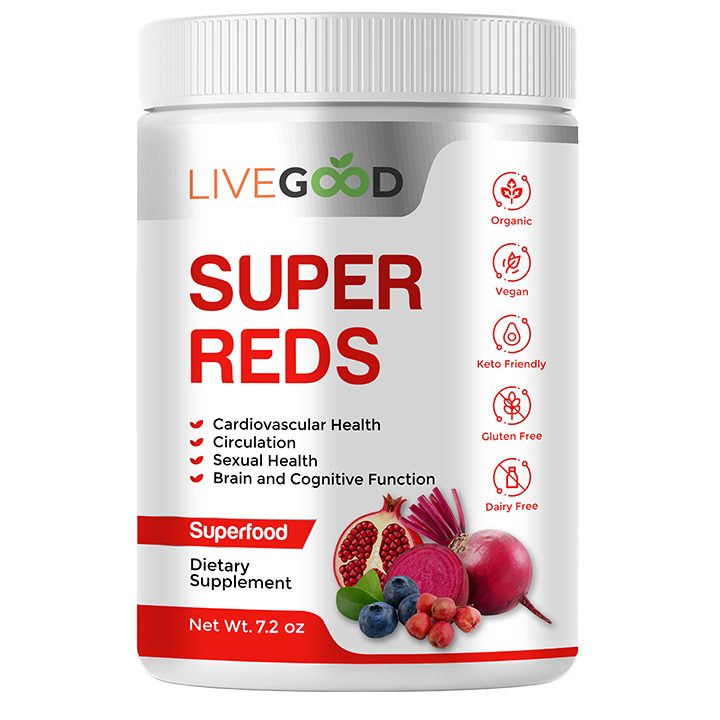
LiveGood Organic Super Reds is a great-tasting red fruit and vegetable extract powder formulated to support the body's production of nitric oxide and promote healthy blood circulation. Mix it with water or a smoothie as a convenient pre-workout option or afternoon pick-me-up. It is $19.95 for members versus $34.95 retail, reflecting LiveGood's commitment to "Highest Quality. Lowest Prices. Every Day." Follow the label directions, and remember that a supplement complements rather than replaces vegetables.
Potassium and the Sodium Balance
Potassium is a mineral that helps nerves, muscles, and cells work normally. It also works alongside sodium to manage fluid balance. When a diet is high in sodium and low in potassium, the body may retain more fluid, which can place additional demands on the cardiovascular system.
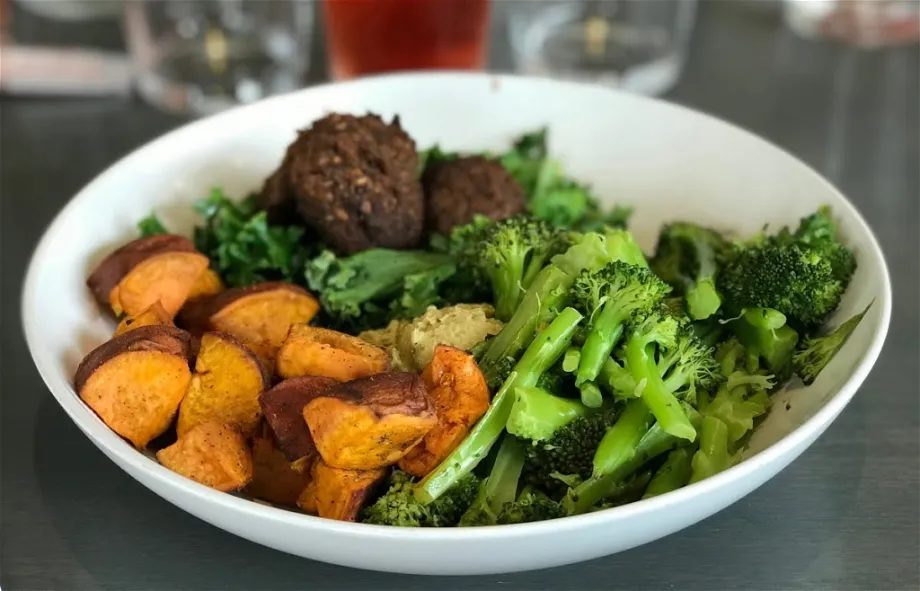
Many vegetables supply potassium. Examples include potatoes and sweet potatoes, spinach, beet greens, tomatoes, winter squash, broccoli, Brussels sprouts, and cooked beans or lentils. Preparation matters. A plain baked potato is very different from fries or a potato dish loaded with salty cheese, cured meat, and packaged sauce.
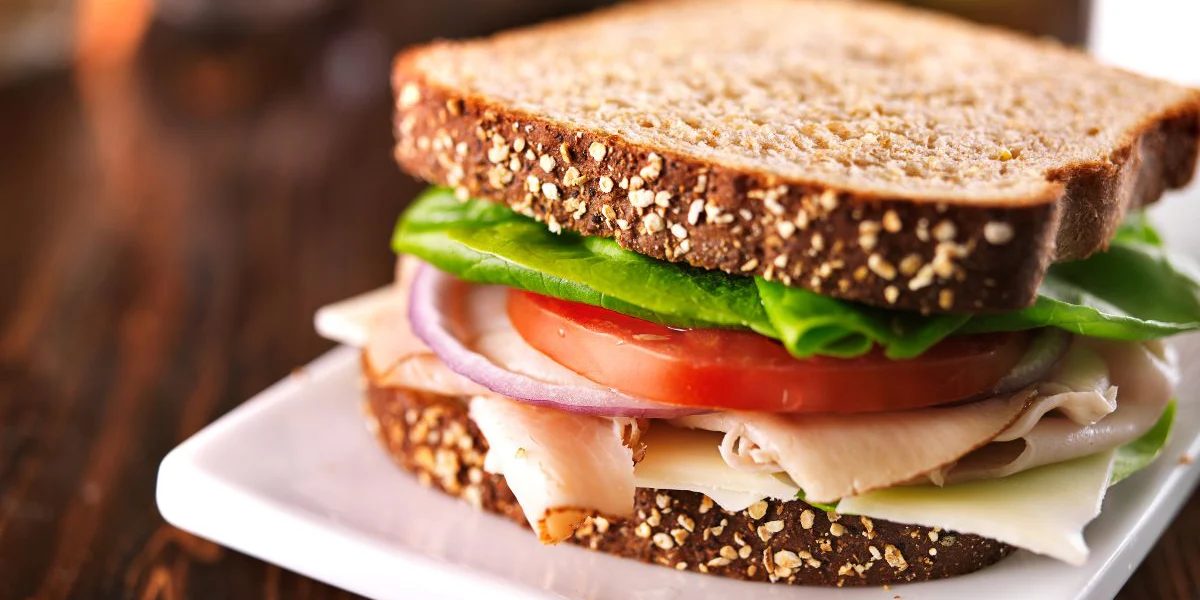
Plain vegetables can provide potassium without the extra sodium found in many packaged sauces and prepared dishes.
You can improve the sodium-to-potassium balance of a meal without calculating every milligram. Choose fresh or frozen vegetables without salty sauces. Look for no-salt-added canned tomatoes and beans. Rinse regular canned beans to remove some surface sodium. Flavor vegetables with lemon, vinegar, garlic, pepper, or salt-free herbs instead of relying only on salt.
More potassium is not safe for everyone. Kidney disease can reduce the body's ability to remove excess potassium. Certain blood pressure medicines and other prescriptions can also raise potassium levels. If you have kidney or liver disease, take prescription medication, are pregnant or breastfeeding, or have another existing medical condition, talk to your doctor before making a large dietary change or using a potassium supplement.
People taking blood pressure medication should also discuss major changes in sodium or potassium intake with their healthcare professional. Food choices can affect monitoring needs, but they should not prompt you to change a prescription on your own.
Where Antioxidant Claims Overreach
Carrots contain carotenoids and phenolic compounds. Tomatoes provide lycopene. Broccoli and cabbage contain vitamin C and several plant compounds. These nutrients are worthwhile parts of a varied diet, but calling any of these vegetables a natural blood pressure treatment goes beyond the evidence.
A laboratory study might show that a compound neutralizes an unstable molecule in a test tube. An observational study might find that people who eat more vegetables have healthier cardiovascular measurements. Neither type of study proves that the antioxidant itself caused the difference. People who eat more vegetables may also consume less sodium, exercise more, smoke less, or follow medical advice more closely.
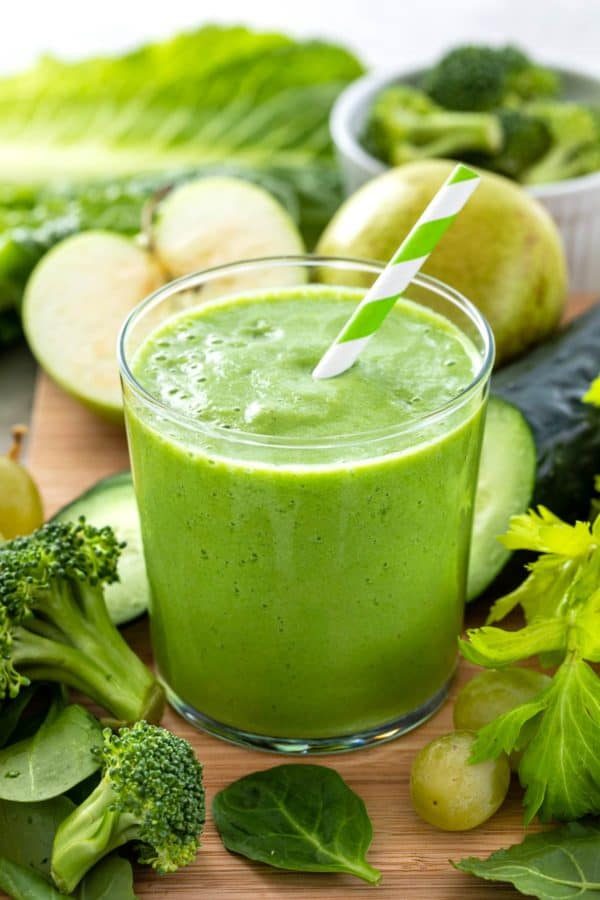
Colorful vegetables contain antioxidants, but no single antioxidant has been shown to act as a blood pressure treatment.
Human trials of isolated antioxidant supplements have also produced mixed results. That does not mean antioxidant-rich vegetables are useless. It means their value probably comes from the full food and the broader diet, not from a single antioxidant acting like medication.
Preparation can change specific nutrients, but there is no need to make raw versus cooked vegetables a competition. Cooking tomatoes can make lycopene easier to absorb. Light cooking can soften vegetables and make them easier to eat. Long boiling may move some water-soluble vitamins into the cooking liquid, although that liquid can still be used in soup.
Choose the form you will eat regularly. Raw carrots, roasted cauliflower, steamed broccoli, tomato sauce, and cabbage slaw can all contribute to a nutritious pattern. Be cautious when an article promises fast results based only on antioxidant content or labels one colorful vegetable as uniquely protective.
Why the Whole Pattern Beats Any Vegetable
The DASH eating pattern has far stronger evidence than any individual vegetable. DASH stands for Dietary Approaches to Stop Hypertension. It emphasizes vegetables, fruit, whole grains, beans, nuts, lean proteins, and low-fat dairy or suitable alternatives. It also limits sodium, saturated fat, sweets, and heavily processed foods.
Controlled DASH studies evaluate an entire pattern rather than asking one food to do all the work. That matters because blood pressure is influenced by many connected factors, including sodium, potassium, calorie intake, alcohol, activity, sleep, body weight, genetics, stress, medical conditions, and medication use. Trials of DASH-style diets have measured meaningful changes in blood pressure readings, but individual responses vary and the pattern is not a replacement for prescribed care.
A varied DASH-style eating pattern has stronger evidence than relying on any one vegetable.
A practical DASH-style plate might include half vegetables and fruit, one quarter whole grains or another high-fiber carbohydrate, and one quarter beans, fish, poultry, tofu, or another appropriate protein. Instead of focusing on beet every day, rotate leafy greens, tomatoes, carrots, cabbage, cauliflower, squash, peppers, and broccoli. Variety supplies different nutrients and makes the routine easier to maintain.
Pay attention to what comes with the vegetables. Fresh spinach and frozen plain spinach are naturally low in sodium. Creamed spinach, canned soup, restaurant stir-fry, and bottled vegetable juice may contain much more. Read labels and compare sodium per serving.
Consistency matters more than a quick fix. Build one repeatable habit, such as adding a vegetable at lunch, filling half your dinner plate with produce, or choosing unsalted frozen vegetables for busy nights. If you have diagnosed high blood pressure, keep monitoring it as directed. Never stop or adjust medication because your diet has changed unless your doctor tells you to do so.
Frequently Asked Questions
Which vegetables are best for blood pressure?
Beet, arugula, spinach, lettuce, Swiss chard, and other nitrate-rich vegetables have the most relevant nitric oxide research. Potassium-rich choices such as potatoes, sweet potatoes, tomatoes, squash, broccoli, and beans also fit a balanced plan. Carrots, cabbage, and cauliflower are nutritious additions, but no single vegetable should be presented as a treatment for high blood pressure.
Does beet juice lower blood pressure?
Beet juice has been studied for blood pressure effects, but it should not be treated as a proven therapy. Trials often use concentrated juice with a measured nitrate amount, and results differ across participants and study designs. A store-bought juice may also contain added sugar or sodium. If you take blood pressure medication, discuss regular concentrated beet products with your doctor.
How much do dietary changes affect blood pressure?
Dietary effects vary considerably from person to person. Controlled research supports complete patterns such as DASH, especially when paired with an appropriate sodium intake, but results depend on your starting diet, health, genetics, medication, and consistency. Do not expect one meal or vegetable to correct a high reading. Continue monitoring and follow the treatment plan provided by your healthcare professional.
Is potassium important for blood pressure?
Yes, potassium supports normal fluid balance and helps counter sodium's role in the diet. Vegetables, fruit, beans, dairy foods, and some fish provide it naturally. More is not always better. People with kidney disease or those taking certain medications can develop dangerously high potassium, so they should ask their doctor before increasing potassium substantially or taking a supplement.
Can vegetables replace blood pressure medication?
No, vegetables cannot replace prescribed blood pressure medication. A vegetable-rich eating pattern can be part of a doctor's overall plan, but diagnosed hypertension may require medication and ongoing monitoring. Never reduce, skip, or stop a prescription without medical guidance. People already taking medication should discuss large dietary changes with their doctor because sodium, potassium, and concentrated nitrate intake may affect their care.