
5 Vegan Recipes Rich in Essential Amino Acids
 Written by Ben Glinsky
Ask AI about this article and Organic Complete Plant-Based Protein





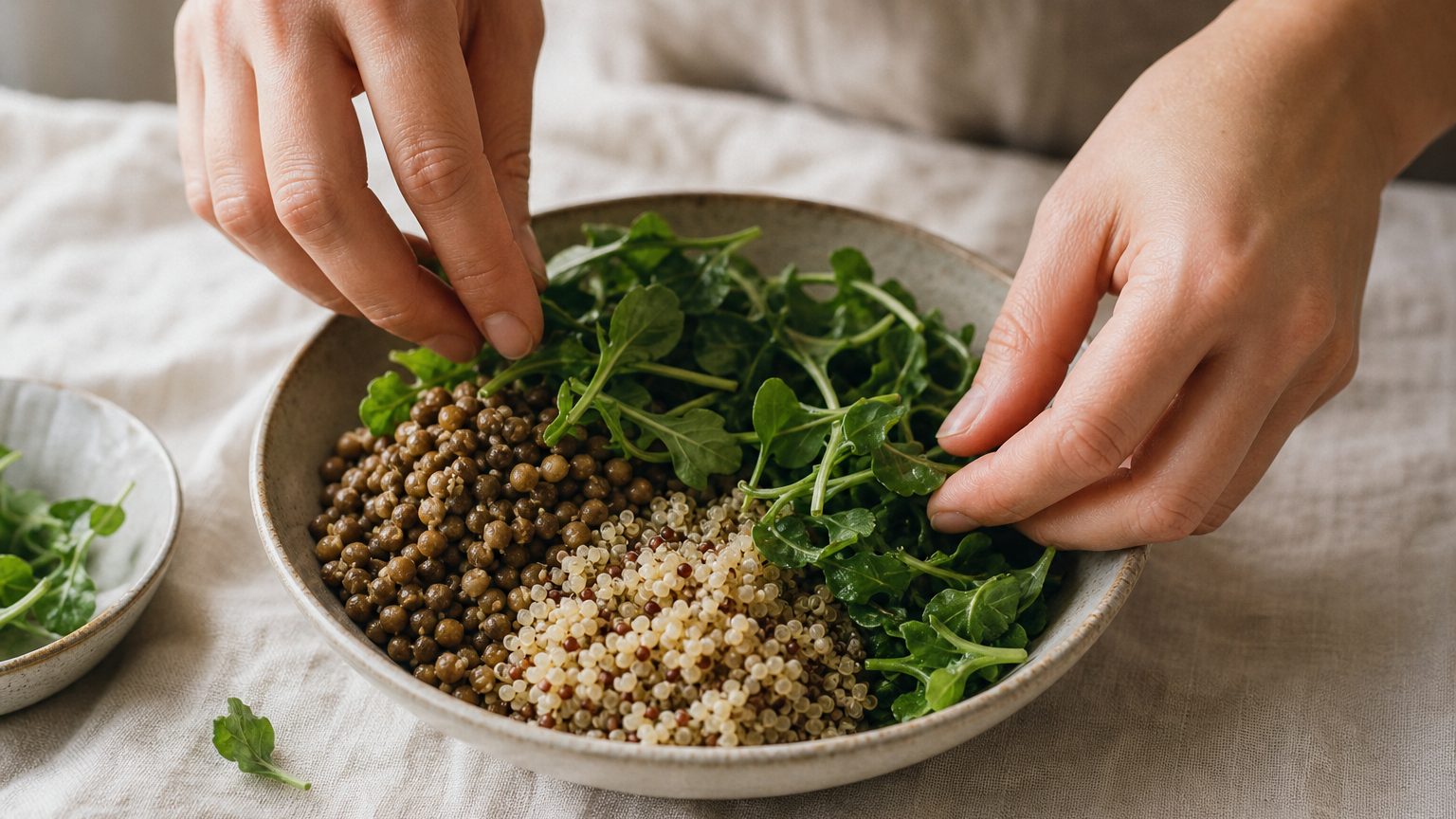
You can get all nine essential amino acids from a vegan diet without carefully pairing proteins at every meal. The practical goal is to eat enough total protein from varied foods across the day. These five recipes make that easy while showing how common plant proteins complement one another.
Key Takeaways
- Think across the day: You do not have to combine complementary proteins at every meal.
- Prioritize total protein: Eating enough protein matters more than making every food a perfect amino acid match.
- Include legumes regularly: Beans, lentils, peas, and soy help supply lysine, which is often limited in plant-heavy diets.
- Use simple pairings: Legumes with grains, nuts, or seeds can provide a balanced essential amino acid profile.
- Keep supplements optional: Protein powder can add convenience, but it does not replace varied meals.
What Makes a Protein Complete
Protein is made from smaller compounds called amino acids. Your body uses amino acids to build and maintain muscles, enzymes, hormones, skin, and other tissues. It can produce many amino acids itself, but nine must come from food. These are called essential amino acids.
The nine are histidine, isoleucine, leucine, lysine, methionine, phenylalanine, threonine, tryptophan, and valine. A complete protein provides all nine in proportions that can meet human needs when you eat enough of it.
That definition can create confusion. Most plant foods contain all nine essential amino acids, but some provide relatively little of one or more. Grains, for example, tend to be lower in lysine. Legumes are rich in lysine but can be relatively lower in methionine. Eating both categories helps balance those proportions.
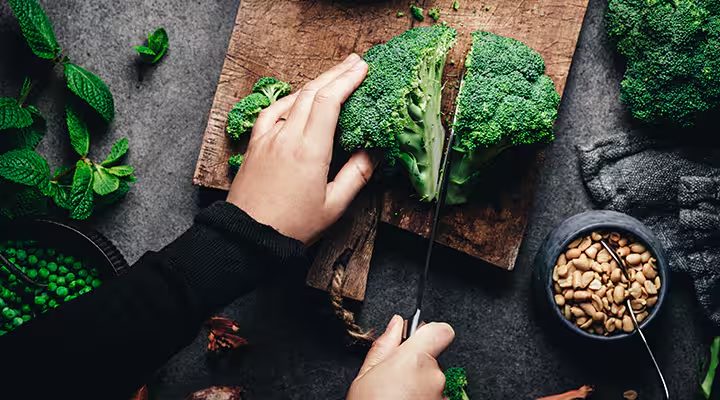
Tofu, quinoa, and other plant foods can contribute all nine essential amino acids.
Soy foods such as tofu, tempeh, edamame, and soy milk are considered complete proteins. Quinoa, buckwheat, hemp seeds, and chia seeds also provide all nine, although serving size matters. A spoonful of seeds may have a balanced profile without providing as much total protein as a full serving of tofu.
Complete does not automatically mean better. It describes the amino acid pattern, not the food's overall nutritional value. Fiber, vitamins, minerals, preparation, serving size, and your full daily diet still matter.
You Do Not Need to Combine at Every Meal
The old protein-combining rule said vegans needed to eat complementary proteins together, such as rice and beans, at every meal. That level of precision is unnecessary for most healthy people. Your body maintains a pool of amino acids from the foods you eat and can use them over time.
What matters is getting enough total protein and eating a reasonable variety of plant foods throughout the day. You might have oatmeal with soy milk at breakfast, lentil soup at lunch, and tofu with rice at dinner. Each meal contributes a different amino acid mix, and the full day supplies the broader pattern.
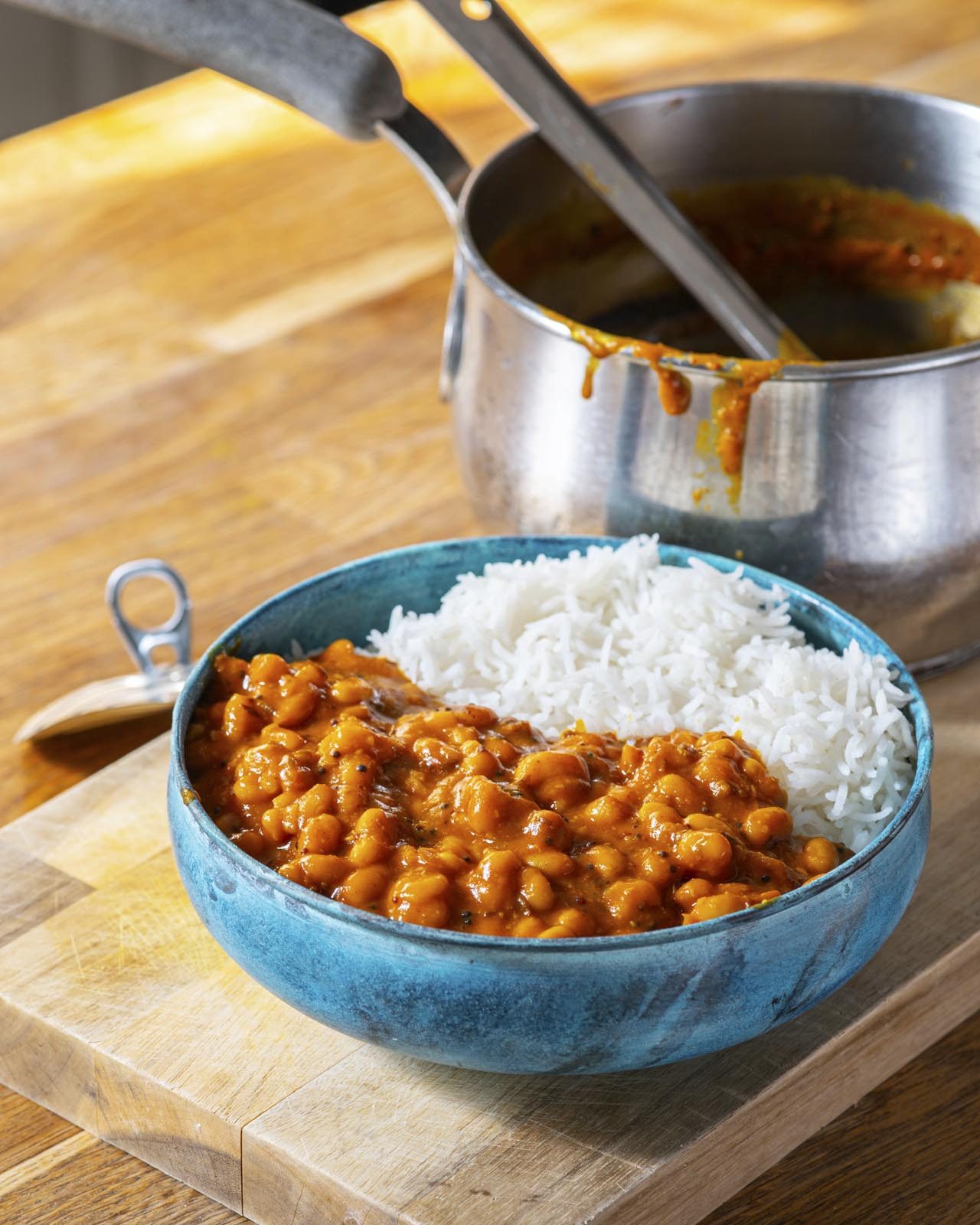
Protein variety across the day matters more than precisely combining foods at every meal.
Pairing foods is still useful. It makes meals more balanced and can help you plan without tracking every amino acid. It simply does not need to happen with perfect timing. If lunch is mostly a grain, you can include beans, tofu, peas, or another lysine-rich food later.
Lysine deserves particular attention because it is the essential amino acid most often limited in plant-based diets, especially when meals rely heavily on grains. Legumes are the usual fix. Beans, lentils, chickpeas, peas, peanuts, tofu, tempeh, edamame, and soy milk can all contribute lysine.
People eating very little food, following highly restrictive diets, or relying mostly on refined grains may have more difficulty meeting protein needs. Variety helps, but enough food is equally important. A colorful diet can still fall short if its protein portions are consistently small.
Five Recipes That Cover All Nine
Each recipe makes two servings and supplies all nine essential amino acids. Exact protein content varies by brand and portion, but the pairings address common gaps.
1. Tofu Quinoa Scramble
Crumble 10 ounces firm tofu into a skillet with 1 teaspoon olive oil, 1 cup cooked quinoa, 1 cup spinach, 1/2 cup diced bell pepper, and 1/2 teaspoon turmeric. Cook for 6 minutes. Tofu and quinoa are complete proteins, while soy adds generous lysine.
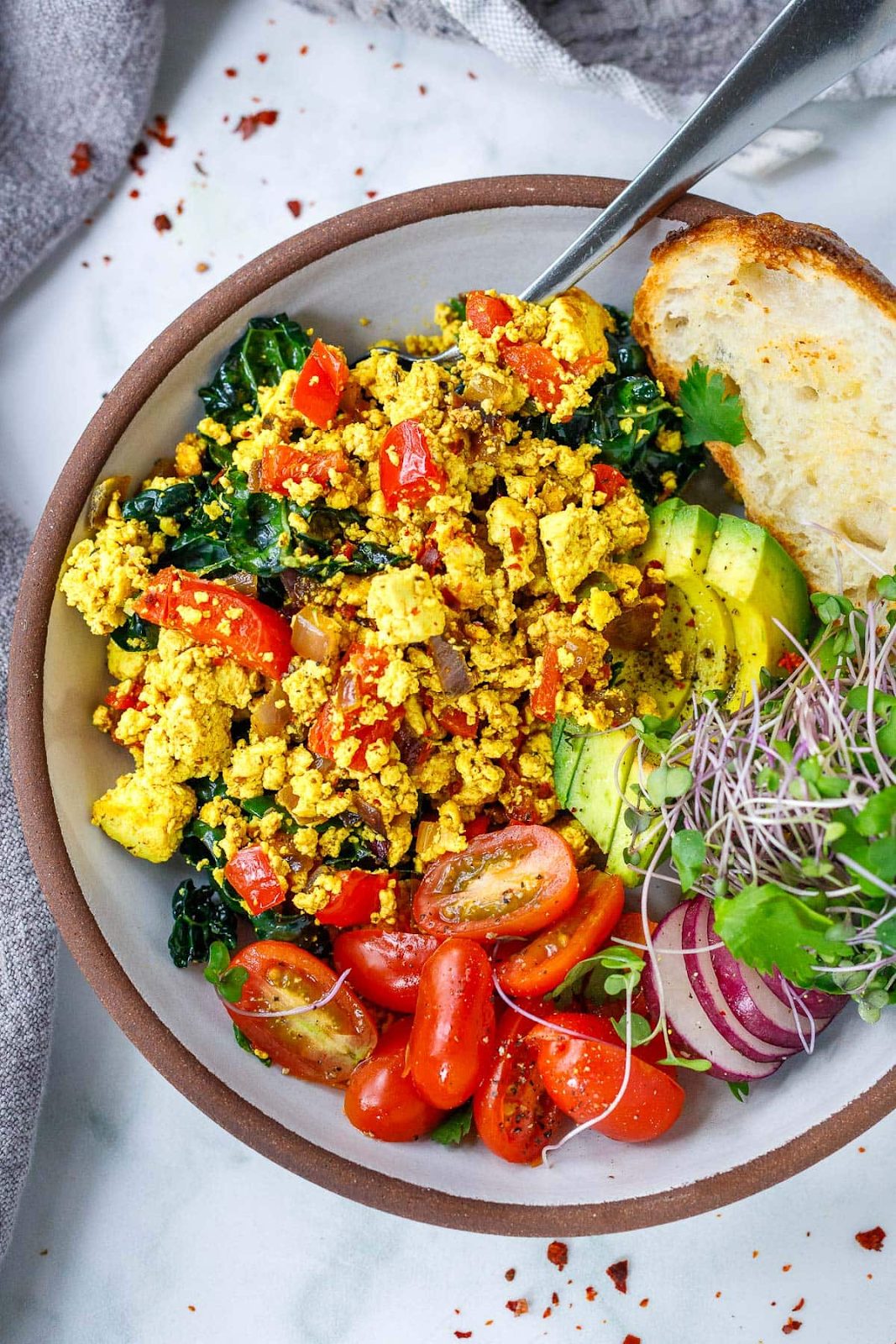
A tofu and quinoa scramble provides a practical complete-protein vegan breakfast.
2. Lentil Rice Bowls
Divide 1 1/2 cups cooked brown rice, 1 1/2 cups cooked lentils, 1 cup chopped tomato, and 2 cups greens between bowls. Add 2 tablespoons lemon juice and 1 tablespoon tahini. Lentils supply lysine that rice lacks, while rice contributes methionine.
3. Chickpea Pita Plates
Mash 1 1/2 cups chickpeas with 2 tablespoons tahini, 2 tablespoons lemon juice, and 1 minced garlic clove. Serve with two whole-wheat pitas and 1 cup sliced cucumber. Chickpeas cover the pita's lysine gap, while wheat and sesame contribute methionine.
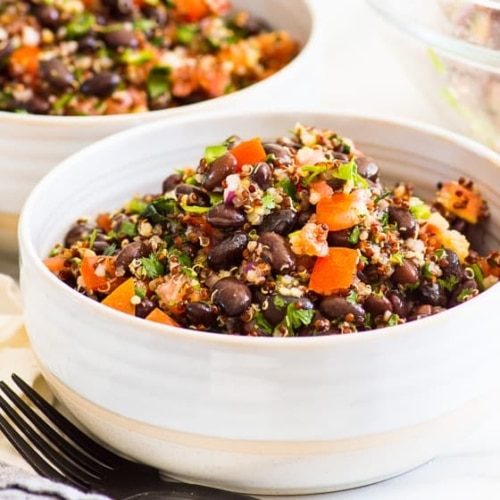
Legumes and whole grains complement each other's common amino acid gaps.
4. Edamame Quinoa Salad
Toss 1 1/2 cups cooked quinoa with 1 1/2 cups shelled edamame, 1 cup shredded cabbage, 1 grated carrot, 1 tablespoon sesame oil, and 2 tablespoons rice vinegar. Both main ingredients contain all nine, with edamame adding lysine and leucine.
5. Soy Oat Breakfast Bowls
Simmer 1 cup rolled oats in 2 cups unsweetened soy milk for 5 minutes. Divide into bowls and add 2 tablespoons peanut butter and 2 tablespoons hemp seeds. Soy supplies lysine that oats provide less abundantly, while oats, peanuts, and hemp contribute methionine.
Building Your Own Combinations
You do not need an amino acid chart beside the stove. Start with a clear protein source, then add a grain, vegetable, and flavorful topping. This creates satisfying meals while naturally widening the range of amino acids you eat.
A simple formula is one serving of legumes plus one serving of grains. Try black beans with corn tortillas, chickpeas with couscous, split peas with whole-grain bread, or peanut sauce with brown rice. The legumes bring lysine. The grain, nut, or seed tends to contribute more methionine.
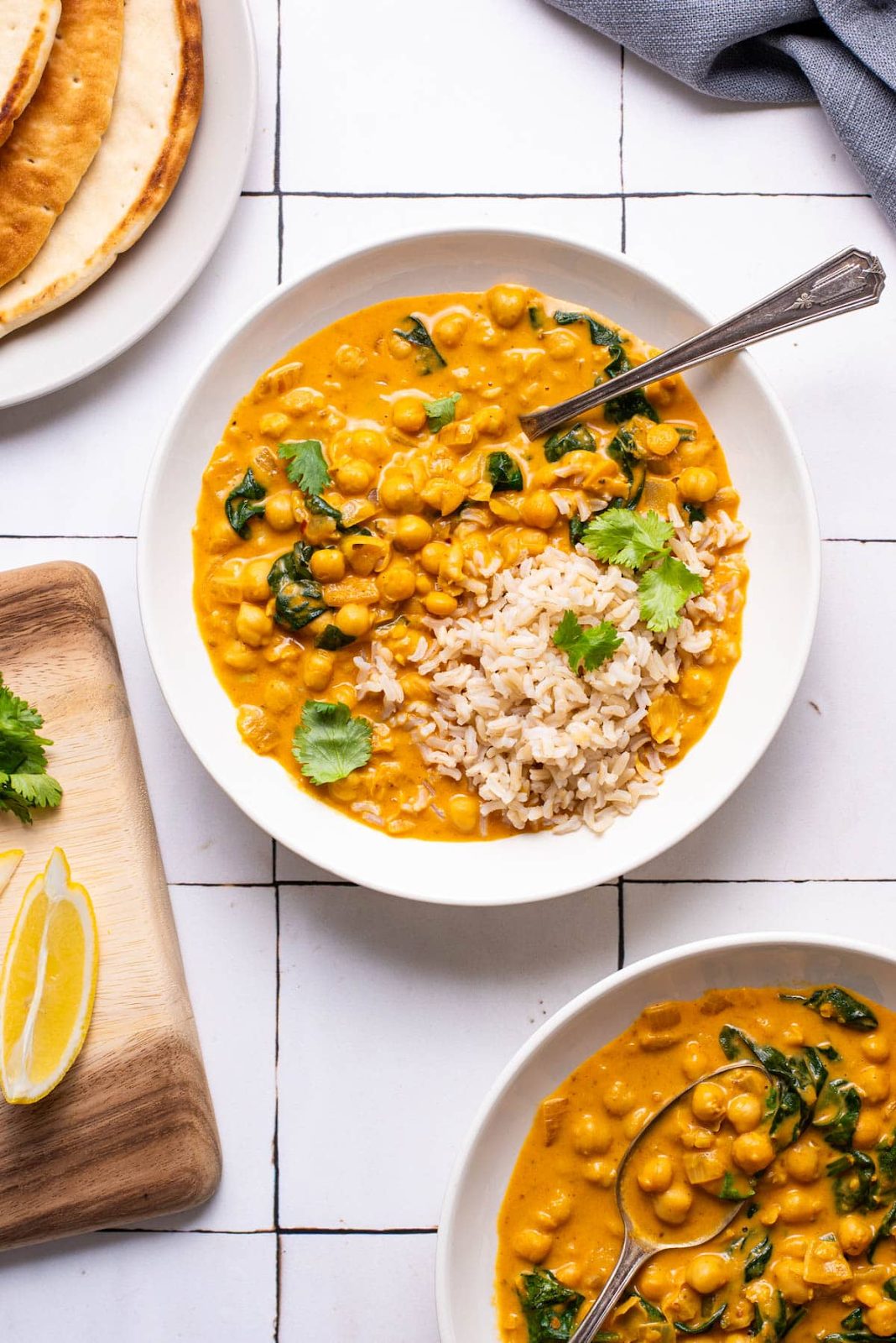
Beans, grains, vegetables, and seeds create an easy framework for balanced vegan meals.
Soy makes the process even easier because tofu, tempeh, edamame, and soy milk already contain all nine essential amino acids in useful proportions. Quinoa and buckwheat can play a similar role, although their total protein per serving may differ from soy foods.
Portions matter. A light sprinkle of hemp seeds can improve a meal, but it should not be treated as the main protein source. Build meals around meaningful amounts, such as 1/2 to 1 cup of beans or lentils, several ounces of tofu or tempeh, or a substantial serving of edamame.
Over a full day, aim to include several protein-rich foods rather than depending on one dinner to make up the difference. Rotate legumes, soy foods, whole grains, nuts, and seeds. This approach also adds fiber, minerals, and different textures, making consistency easier than rigid tracking.
For busy days, LiveGood Organic Complete Plant-Based Protein offers a convenient option at $39.95 for members or $49.95 retail. Its vanilla formula is built on organic pea protein, which provides all nine essential amino acids plus BCAAs, and organic hemp protein, with 26 vitamins and minerals. Mix it with water or blend it into a smoothie any time of day. Wellness should not be a luxury, and membership helps make consistent nutrition more accessible.
When a Supplement Helps
A protein supplement can help when your schedule, appetite, or food choices make regular meals difficult. It may be useful after a busy morning, while traveling, or on days when your meals contain less tofu, beans, lentils, or other concentrated protein sources.
Powder is not automatically superior to food. Whole plant foods provide fiber and a broader mix of natural compounds. A supplement works best as a practical addition to an established routine, not as a substitute for vegetables, grains, legumes, nuts, and seeds.
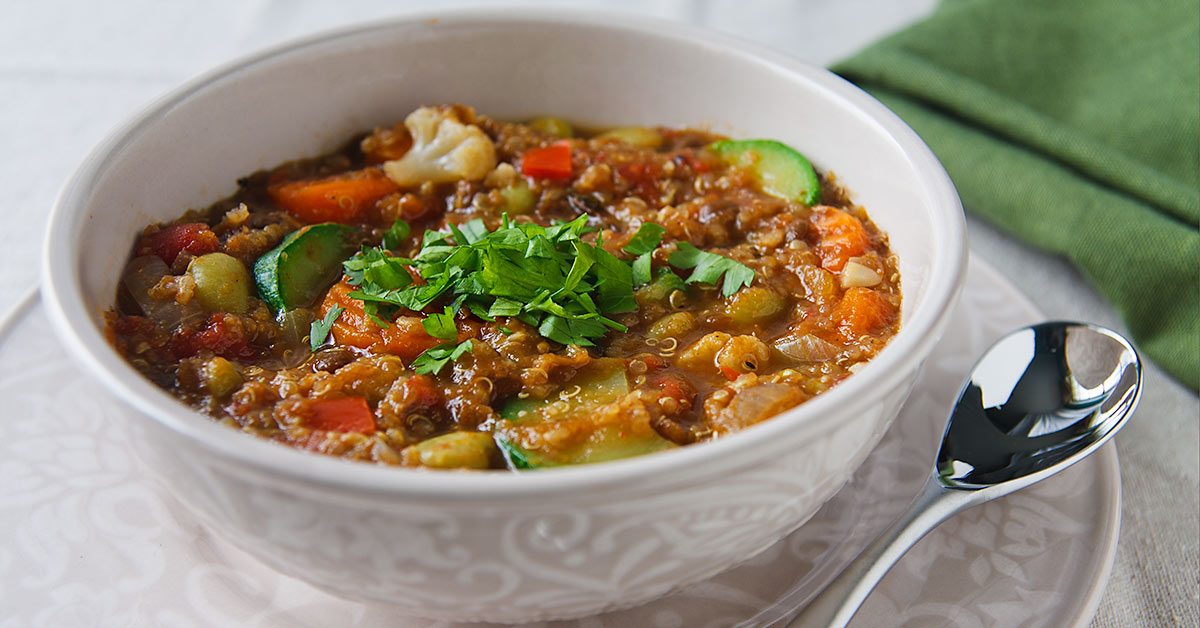
Plant protein powder can add convenience when preparing a full meal is not practical.
When comparing powders, check the protein amount per serving rather than relying on front-label phrases. Also look at the protein sources. Pea protein is rich in lysine but relatively lower in methionine. Hemp, rice, or another plant protein can complement it. Soy protein is complete on its own. Branched-chain amino acids, or BCAAs, are leucine, isoleucine, and valine, three essential amino acids involved in muscle protein building.
Follow the product's label directions. More is not automatically better, especially if you already meet your needs through food. Your total intake across meals, snacks, and supplements is what counts.
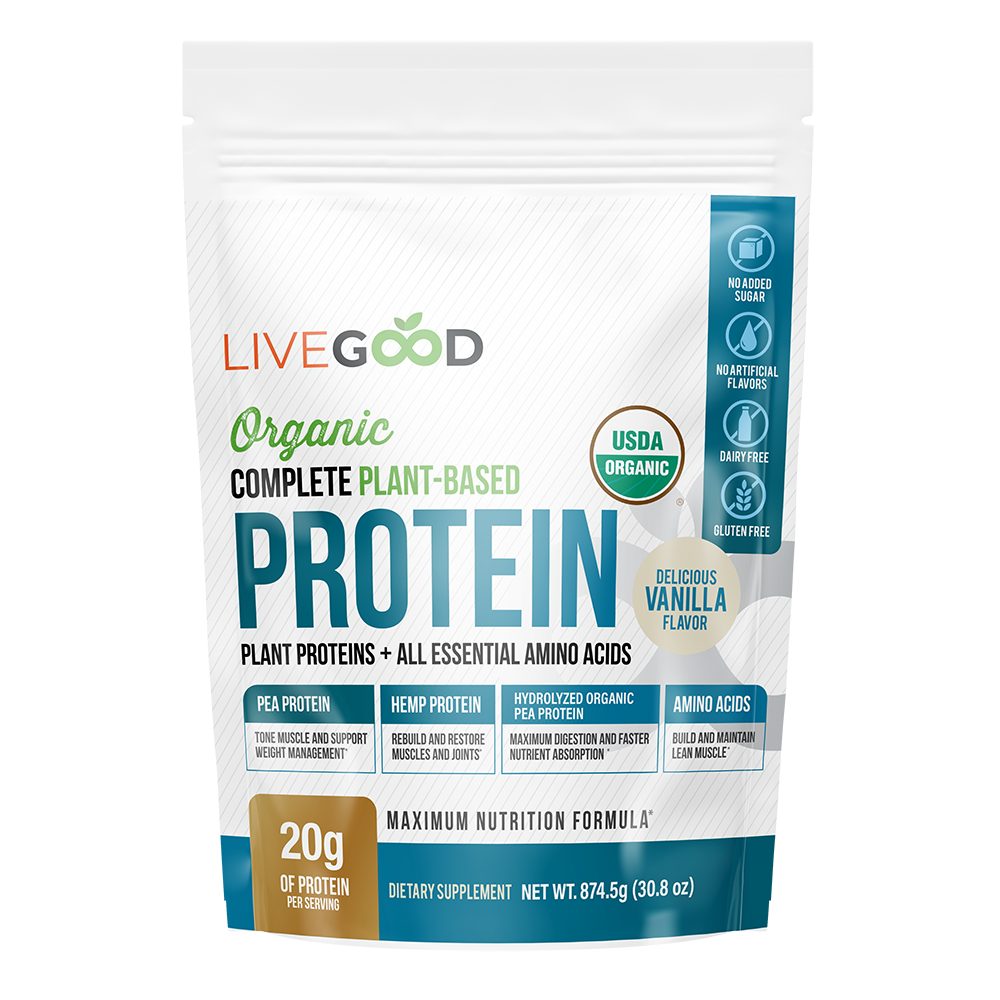
Check protein sources and serving information when comparing plant-based supplements.
Talk to your doctor before adding a supplement if you are pregnant or breastfeeding, take prescription medication, have kidney or liver concerns, or manage an existing medical condition. Individual protein needs can differ in these situations. LiveGood's mission is to "Provide the highest quality supplements in the world, at the lowest prices possible." Honest product education is part of making that access useful.
Frequently Asked Questions
Which vegan foods contain all nine essential amino acids?
Soy foods, quinoa, buckwheat, hemp seeds, and chia seeds contain all nine essential amino acids. Other plant foods usually contain all nine too, but one may be present in a relatively low proportion. Beans with grains, such as lentils with rice, create a complementary combination that offers a more balanced amino acid profile.
Do vegans need to combine proteins at every meal?
No, vegans generally do not need to combine complementary proteins at every meal. Your body can use amino acids obtained from different foods over the course of the day. Focus on sufficient total protein and regularly eat legumes, soy foods, whole grains, nuts, and seeds rather than trying to perfect every plate.
Is plant protein as good as whey?
Plant protein can support protein needs as effectively as whey when you consume enough total protein and essential amino acids. Whey is naturally rich in leucine and is easily digested, while some individual plant proteins have lower levels of certain amino acids. Soy or carefully formulated plant-protein blends can provide a balanced alternative for people avoiding dairy.
How much protein do vegans need daily?
Most healthy adults need at least 0.8 grams of protein per kilogram of body weight daily, though individual needs vary with age, body size, activity, and goals. Some vegans may benefit from eating modestly more because plant proteins can be less digestible. An active person, older adult, or someone who is pregnant should ask a doctor or dietitian for personalized guidance.
Which amino acid is hardest to get on a vegan diet?
Lysine is the essential amino acid most likely to be limited in a vegan diet, particularly one centered on grains with few legumes. Beans, lentils, chickpeas, peas, tofu, tempeh, edamame, soy milk, and peanuts are useful lysine sources. Eating these foods regularly is usually more practical than tracking lysine gram by gram.