
Lesser Known Compounds Studied for Healthy Aging
 Written by Ben Glinsky
Ask AI about this article and Ageless Renewal






If you are searching for underrated anti aging supplements, the most interesting names include urolithin A, spermidine, GlyNAC, taurine, astaxanthin and Coenzyme Q10. Most have promising biological theories, but none is proven to extend human lifespan, and the strength of human evidence varies widely.
Key Takeaways
- Think healthy aging, not age reversal: Supplements may support specific functions, but they cannot turn back your biological clock.
- Human trials matter most: Cell and animal findings can guide research, but they do not prove a benefit for people.
- Promising does not mean proven: Urolithin A and GlyNAC have small human trials, while taurine and spermidine still rely heavily on early evidence.
- Match the compound to a goal: Skin appearance, nutrient adequacy and muscle function are different outcomes that require different evidence.
- Protect the basics first: Exercise, sleep, diet, sun protection and not smoking have much stronger support than any capsule.
Why Anti-Aging Is the Wrong Frame
The phrase anti-aging suggests that aging is one process you can switch off. It is not. Aging involves gradual changes across the skin, muscles, bones, immune system, brain and metabolism. Those systems do not all change at the same speed or respond to the same habits.
A compound might improve a laboratory marker without changing how you feel or function. Another might support skin moisture without affecting the rest of the body. Calling either one anti-aging hides that distinction.
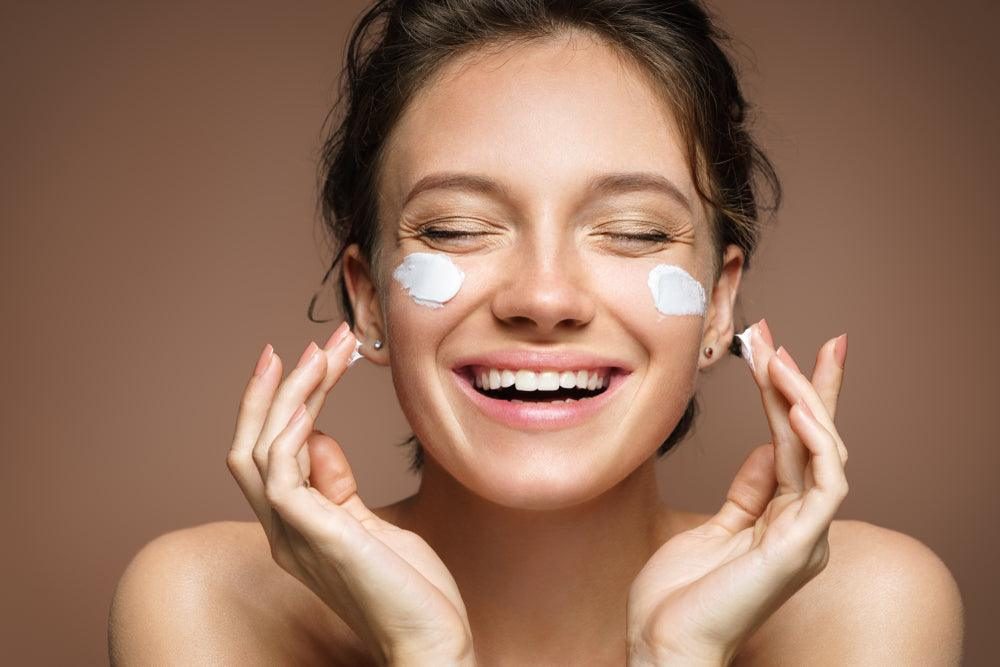
Healthy aging focuses on maintaining function and quality of life rather than trying to stop the passage of time.
Healthy aging is a more useful goal. It means supporting strength, mobility, nutritional status, skin function and everyday quality of life as the years pass. Those are measurable outcomes. They also leave room for honest conversations about what a supplement can and cannot do.
Skin deserves its own category too. Fine lines, dullness and uneven tone are visible changes, but looking younger is not the same as changing the rate of whole-body aging. Topical ingredients may support smoother or brighter-looking skin without having any effect on lifespan.
Visible skin changes are only one part of aging and do not measure whole-body health.
This distinction protects you from exaggerated marketing. No supplement is proven to extend human lifespan. Some ingredients may still be useful for filling a nutrient gap or supporting a specific body function, but that is a narrower and more realistic promise than stopping aging.
How to Read the Evidence
A study is not automatically strong evidence. The first question is what researchers studied. Results from isolated cells are useful for exploring mechanisms, meaning how something might work. Animal research can reveal biological effects in a living system. Neither tells us that the same result will occur in people.
Human trials are more relevant, but quality still varies. A trial involving 20 people for eight weeks cannot answer the same questions as a large study that follows diverse adults for years.
Human trials provide more relevant evidence than isolated cell or animal experiments.
Use this simple evidence ladder when evaluating a compound:
| Evidence level | What it can tell you | Main limitation |
|---|---|---|
| Cell research | Whether a compound affects a pathway in a laboratory | The dose and environment may not reflect the human body |
| Animal research | Whether an effect occurs in a whole organism | Animal aging does not perfectly model human aging |
| Small human trial | Whether an ingredient appears promising in people | Results may be temporary, inconsistent or too small to generalize |
| Large controlled trial | Whether an outcome is likely caused by the intervention | Long-term aging trials are expensive and uncommon |
| Long-term health outcomes | Whether people remain healthier or live longer | This evidence is largely absent for longevity supplements |
Also check what was measured. Changes in blood markers, gene activity or mitochondrial signals are called surrogate outcomes. They stand in for something researchers hope matters. They are not the same as better mobility, fewer disabilities or longer life.
Finally, look for replication. One exciting study should lead to more testing, not an immediate conclusion.
The Compounds Worth Knowing About
These compounds receive less attention than collagen and retinol. Their evidence ranges from early laboratory work to small human trials, so they should not be placed in one proven list.

Lesser known healthy aging compounds differ greatly in how much human research supports them.
| Compound | Why researchers study it | Honest evidence grade |
|---|---|---|
| Urolithin A | Gut bacteria can produce it from compounds in pomegranates and some nuts. It is studied for mitochondrial recycling, the process cells use to clear damaged energy-producing structures. | Small human trials show changes in mitochondrial markers and possible support for muscle endurance. Long-term functional benefits remain uncertain. |
| Spermidine | This naturally occurring compound is found in foods such as wheat germ, mushrooms and legumes. It is linked to cellular cleanup pathways. | Observational studies and early trials are interesting, but controlled human findings are limited and mixed. |
| GlyNAC | This combination supplies glycine and N-acetylcysteine, two building blocks used to make glutathione, an antioxidant produced by the body. | Small human studies report changes in glutathione status and selected physical measures. Larger independent trials are needed. |
| Taurine | Taurine is an amino acid-like compound involved in cell fluid balance and several signaling processes. | Animal and observational research has attracted attention, but direct evidence for healthy aging outcomes in humans is weak. |
| Astaxanthin | This red-orange carotenoid is studied for antioxidant activity and skin appearance. | Several small human trials examine moisture, elasticity and fine lines. Study sizes and formulations vary, so confidence is modest. |
| Coenzyme Q10 | CoQ10 helps cells produce energy and also acts as an antioxidant. The body's levels can differ with age, health and medication use. | It has more human research than most compounds here, but studies address specific outcomes rather than human lifespan. |

A clearly defined goal makes supplement evidence easier to evaluate honestly.
The practical lesson is to choose based on a defined goal, not a longevity label. A skin-focused ingredient and a compound studied for muscle endurance should not be judged by the same outcome.
What the Research Does Not Show Yet
Healthy aging research often moves faster in headlines than it does in clinics. None of these compounds has been shown to extend human lifespan. Researchers also have not established that stacking several of them produces better results. Combining ingredients can increase cost and interaction risk without adding a demonstrated benefit.
A second gap is duration. Many trials last weeks or months, while aging unfolds over decades. A short-term change in antioxidant status or mitochondrial activity may be scientifically interesting, but it does not prove that a person will remain healthier years later.

Short-term changes in laboratory markers do not prove long-term health or lifespan benefits.
There are also unanswered questions about who benefits. An ingredient could have a different effect in a healthy 35-year-old, an undernourished older adult or someone taking several medications. Results from one group may not apply to another.
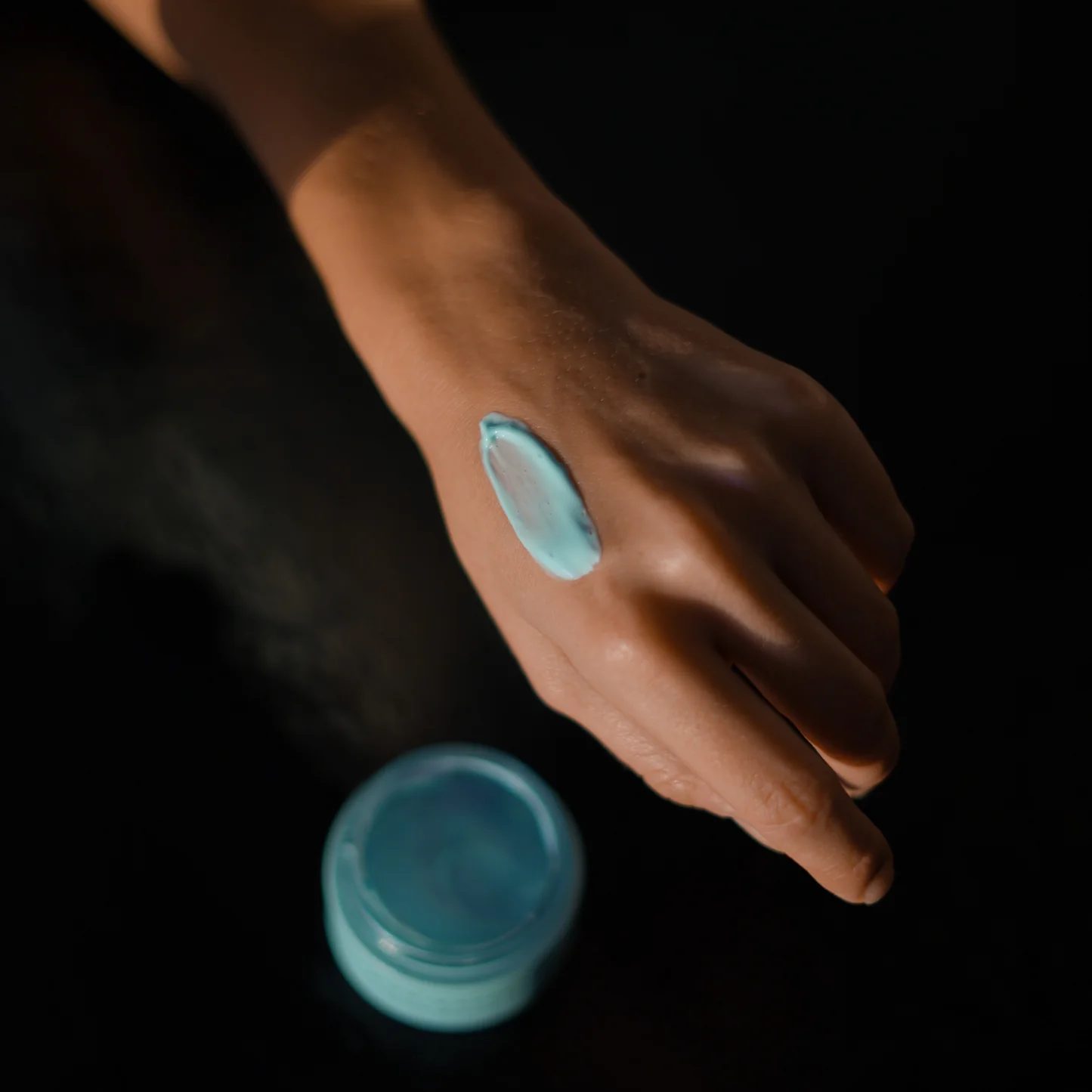
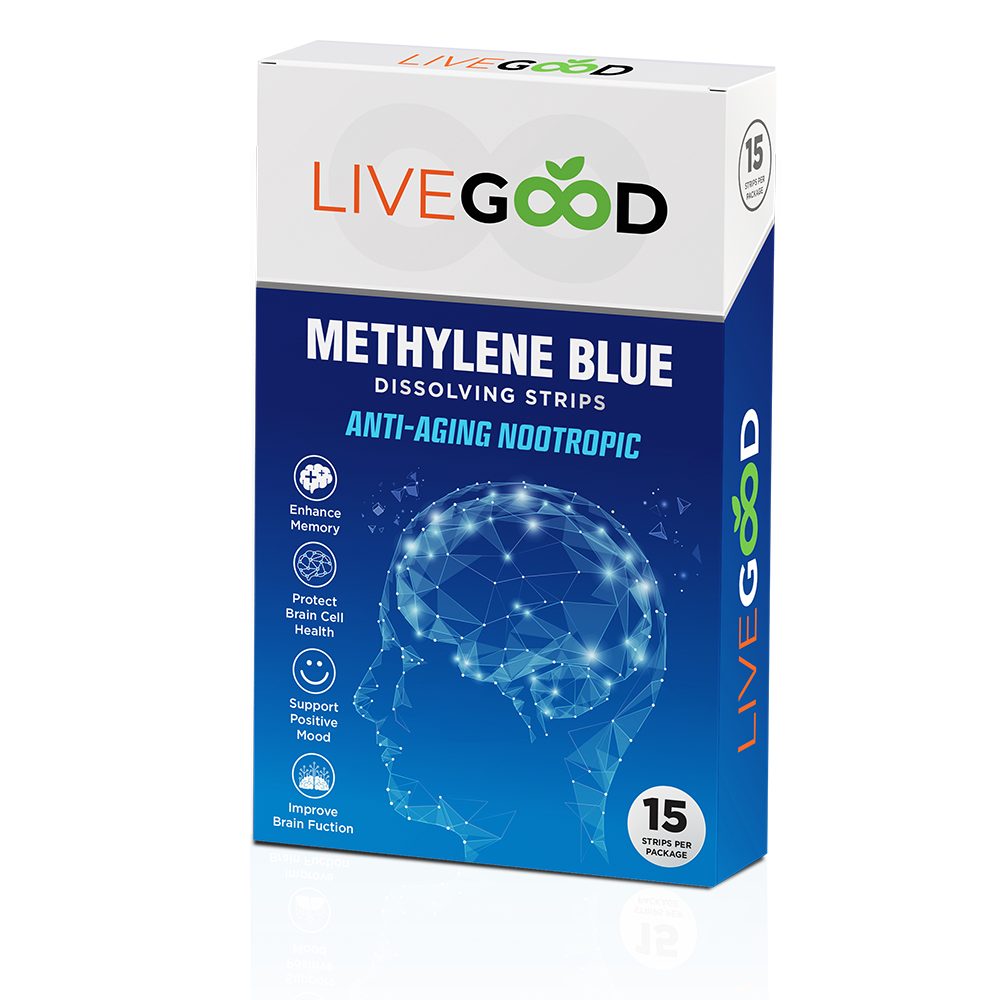
Some substances promoted online deserve extra caution. Methylene blue, for example, has laboratory research related to cellular energy and skin cells, but that does not establish oral healthy aging benefits. It also has medical uses and can interact dangerously with certain prescription medications. It should not be treated like an ordinary wellness nutrient or used without medical guidance.
More generally, talk to your doctor before using a new supplement if you take prescription medication, have a kidney or liver condition, live with an existing medical condition, or are pregnant or breastfeeding. Follow label directions rather than copying doses from early studies. Research doses may not be appropriate for your situation or for every product form.
The Unglamorous Things That Matter More
The strongest healthy aging plan is not built around a rare compound. It begins with habits that repeatedly show benefits across large groups of people.
Regular resistance exercise helps maintain muscle and bone strength. Walking, cycling, swimming and other aerobic activity support endurance and everyday mobility. You do not need a perfect program. A realistic routine that you repeat is more useful than an intense plan you abandon after two weeks.

Regular movement, restorative sleep and nutritious meals form the foundation of healthy aging.
Sleep gives the brain and body time to recover. Most adults do better with a consistent schedule and enough time in bed, although individual needs vary. If sleep problems continue, speak with a healthcare professional rather than relying on a supplement to cover persistent fatigue.
Diet matters because food provides protein, fiber, essential fats, vitamins, minerals and thousands of plant compounds together. Build meals around vegetables, fruit, legumes, whole grains, nuts, seeds and suitable protein sources. Supplements can fill certain gaps, but they cannot recreate the full value of a balanced diet.
Not smoking is one of the clearest steps you can take for long-term health. For visible skin aging, daily broad-spectrum sunscreen, shade and protective clothing have far stronger evidence than an oral beauty supplement.
Daily sun protection has stronger evidence for limiting visible premature skin aging than oral beauty supplements.
Start with those foundations, then decide whether a targeted supplement fits a clear need. Track one change at a time. Give it a realistic period, watch for unwanted effects and avoid judging success by vague promises such as cellular youth. Consistency over quick fixes is the more credible path.
For a skin-focused step, Ageless Renewal is a lightweight, fast-absorbing face serum formulated to support smoother, brighter-looking skin and improve the appearance of fine lines, dullness and uneven tone. It combines copper glutamate, peptides, brightening acids and Coenzyme Q10. Apply it according to the label as part of a consistent skincare routine. It is $14.95 for members and $29.95 retail, supporting LiveGood's mission to "Provide the highest quality supplements in the world, at the lowest prices possible."
Frequently Asked Questions
What supplements actually help with aging?
No supplement has been shown to help people live longer, but some can support specific needs associated with aging. Protein, vitamin B12, vitamin D or other nutrients may be useful when intake or status is low. Compounds such as urolithin A and GlyNAC have early human research, but they are not proven longevity solutions. Your needs depend on diet, health, medications and laboratory findings.
Do anti-aging supplements really work?
Anti-aging supplements do not stop or reverse aging, although some ingredients may support narrower outcomes such as nutrient status, skin appearance or exercise function. Evidence depends on the ingredient, dose, population and outcome studied. Be cautious when marketing turns a cell experiment or short trial into a broad promise about youthfulness. Those claims go well beyond what the research can establish.
What is the most researched anti-aging compound?
There is no single compound that research has established as the leading anti-aging supplement. Coenzyme Q10 has a larger human evidence base than many newer longevity ingredients, but its studies focus on particular health measures and populations, not lifespan extension. Vitamins and omega-3 fats are also widely studied, yet they are nutrients rather than proven ways to alter human aging.
Can supplements slow down aging?
Supplements have not been proven to slow biological aging in humans. Some studies report changes in biomarkers associated with aging, but a biomarker is only an indirect measurement. It does not show that someone will stay independent longer or gain years of life. Supplements are most defensible when they address a known nutritional need or support a clearly defined function.
What matters more than supplements for aging well?
Exercise, adequate sleep, not smoking, sun protection and a balanced diet matter more than supplements for aging well. These habits have much broader and stronger human evidence than any longevity capsule. Maintaining social connections, managing routine healthcare and addressing hearing, vision or mobility changes also support quality of life. A supplement can complement those basics, but it cannot replace them.