
Acid Reflux in Cats: What Owners Ask About CBD
 Written by Nauder Khazan
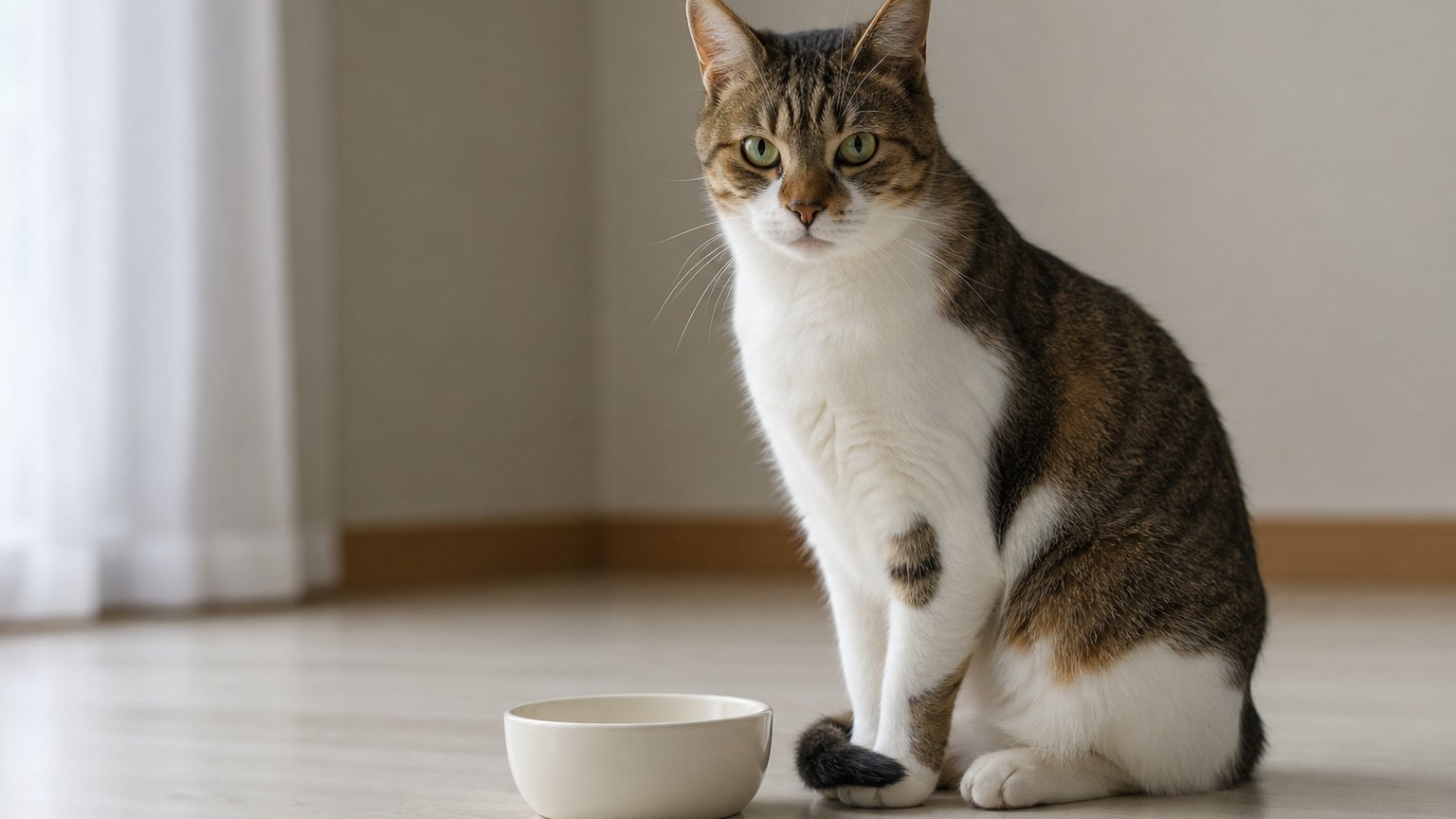
Acid reflux in cats happens when stomach contents move backward into the esophagus, causing irritation, discomfort, and sometimes trouble eating. A veterinarian should confirm the cause, and a cat that has not eaten for 24 to 48 hours needs prompt veterinary care. Below, you will find the warning signs, likely causes, real veterinary treatments, and an honest look at why CBD is not a proven answer.
Key Takeaways
- Watch eating closely: A cat that has not eaten for 24 to 48 hours needs veterinary care because life-threatening hepatic lipidosis can develop quickly.
- Know the difference: Regurgitation is passive, while vomiting usually involves nausea, retching, and abdominal effort.
- Expect a veterinary workup: Reflux-like signs can also come from dental disease, foreign objects, medication injuries, kidney disease, or other digestive conditions.
- Use proven treatment first: Vets may use diet changes, acid-suppressing medicines, protective medicines, or drugs that improve digestive movement, depending on the diagnosis.
- Do not rely on CBD: No CBD product is FDA-approved for pets, and there is not good evidence that CBD treats feline reflux, nausea, or appetite loss.
What Reflux Looks Like in Cats
Gastroesophageal reflux means stomach fluid or food moves backward into the esophagus, the tube carrying food from the mouth to the stomach. That material can irritate the esophageal lining. Repeated irritation may lead to esophagitis, which simply means inflammation of the esophagus.
Cats cannot describe a burning feeling, and they often hide pain. You may instead notice repeated swallowing, lip licking, drooling, gagging, discomfort after meals, or reluctance to eat. Some cats stretch their necks while swallowing or approach food and then back away. Weight loss, coughing, a changed voice, and food coming back up can also occur.
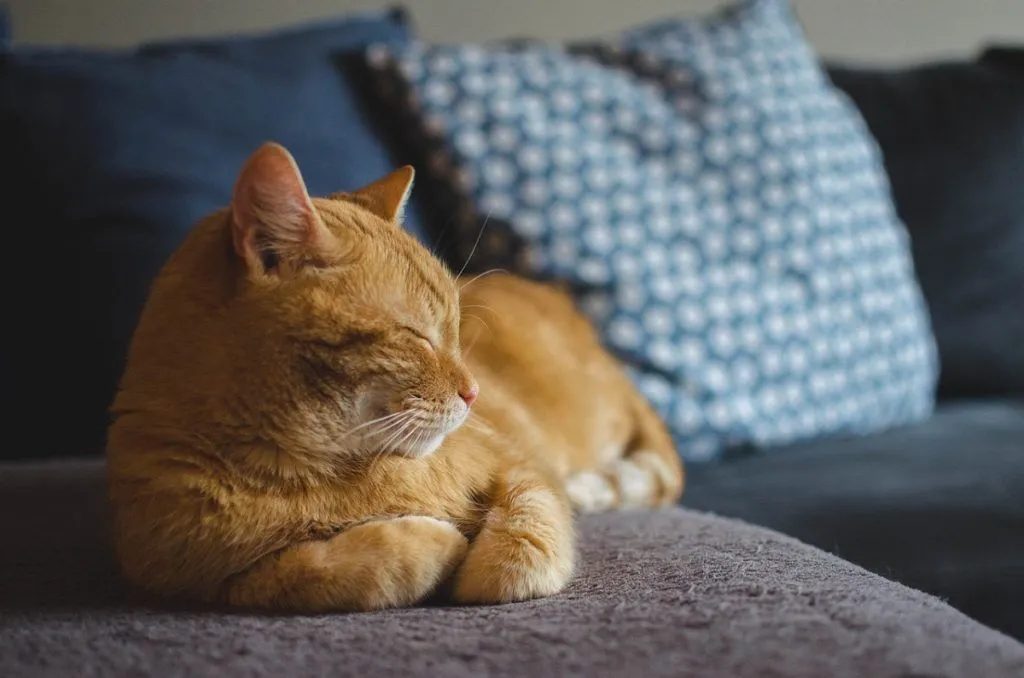
Repeated swallowing, drooling, or backing away from food can signal discomfort that deserves veterinary attention.
It helps to distinguish regurgitation from vomiting. Regurgitation is usually sudden and passive. Undigested food or liquid may come up without heaving. Vomiting often includes nausea, abdominal contractions, retching, and partially digested food or bile. A short video of an episode can help your veterinarian tell them apart.
These signs do not prove reflux. Mouth pain, dental disease, hairballs, asthma, intestinal disease, pancreatitis, kidney disease, food stuck in the esophagus, and other problems can look similar. Coughing by itself is especially nonspecific.
Call your veterinarian promptly if episodes recur, swallowing looks painful, or your cat eats less than usual. Seek urgent care for breathing trouble, repeated unproductive retching, blood, severe weakness, a swollen abdomen, suspected string ingestion, or an inability to keep water down. Do not pull visible string from your cat's mouth, since it may be anchored farther inside.
Why a Cat That Stops Eating Is Urgent
A cat refusing food is not simply being stubborn. Cats depend on a regular supply of dietary protein and calories. When they stop eating, their bodies begin moving stored fat to the liver for energy. The feline liver may not process that sudden fat load effectively.
This can cause hepatic lipidosis, also called fatty liver disease. Fat accumulates in the liver and interferes with normal liver function. The condition can become life threatening and often requires intensive nutritional support. Cats carrying extra weight are at higher risk, but any cat with prolonged appetite loss deserves attention.
Track when your cat last ate because going without food for 24 to 48 hours requires veterinary care.
A cat that has not eaten for 24 to 48 hours needs veterinary care because hepatic lipidosis can develop quickly. Contact a veterinarian sooner if your cat is a kitten, elderly, diabetic, already ill, vomiting repeatedly, or unable to swallow. Complete refusal of food combined with weakness, yellow gums or eyes, dehydration, or collapse warrants emergency care.
Do not wait several days while testing treats, supplements, CBD, or home remedies. Appetite loss may come from reflux, but it can also signal dental pain, nausea, pancreatitis, kidney disease, infection, intestinal blockage, toxin exposure, or many other conditions. Covering up the sign does not address the cause.
While arranging care, note when your cat last ate a normal meal, whether water stays down, and whether urination and bowel movements have changed. Tell the clinic about all medicines, supplements, plants, foods, and possible foreign objects your cat could have reached. Do not force-feed unless a veterinarian has shown you how. Food given incorrectly can enter the airway, and force-feeding may create a lasting aversion to food.
What Causes Reflux in Cats
Reflux occurs when the barrier between the stomach and esophagus does not work normally, when pressure inside the stomach rises, or when the esophagus has already been injured. Sometimes it appears around anesthesia because the muscles controlling that barrier relax. Following veterinary fasting instructions before a procedure helps reduce risk, but reflux can still occur.
Pills are another concern. Certain medicines can lodge in a cat's esophagus if swallowed dry. Doxycycline, a commonly used antibiotic, is a well-known example. A trapped pill may damage the lining and eventually cause an esophageal stricture, which is scar tissue that narrows the passage. Never change how you give a prescription on your own. Ask the prescribing veterinarian whether a pill should be followed with water, food, or provided in another form.

Medication injuries, foreign objects, and problems affecting the esophagus can produce reflux-like signs.
Foreign objects can injure or block the esophagus. Fishhooks, needles, bones, toys, and string all require immediate professional attention. A hiatal hernia, in which part of the stomach moves through an opening in the diaphragm, can also contribute. Some cats are born with one, while others develop it after trauma or breathing problems.
Frequent vomiting, delayed stomach emptying, severe inflammation, and some disorders affecting muscle movement may increase reflux risk. However, blaming a single food, fat level, or stress without an examination can delay the correct diagnosis. Food intolerance and stress may affect digestion, but neither should be assumed to be the cause of repeated regurgitation.
Your veterinarian will use the timing and appearance of episodes to narrow the possibilities. Bring medication packaging, feeding details, and videos if available. That practical information is often more useful than trying an unproven cat acid reflux home remedy.
How Vets Actually Treat It
Treatment starts with finding out whether the problem is truly reflux. Your veterinarian will examine your cat's mouth, throat, hydration, weight, and abdomen. Depending on the signs, testing may include bloodwork, urine testing, X-rays, ultrasound, or endoscopy. Endoscopy uses a small camera to inspect the esophagus and stomach while the cat is under anesthesia. It can reveal inflammation, narrowing, or a foreign object.
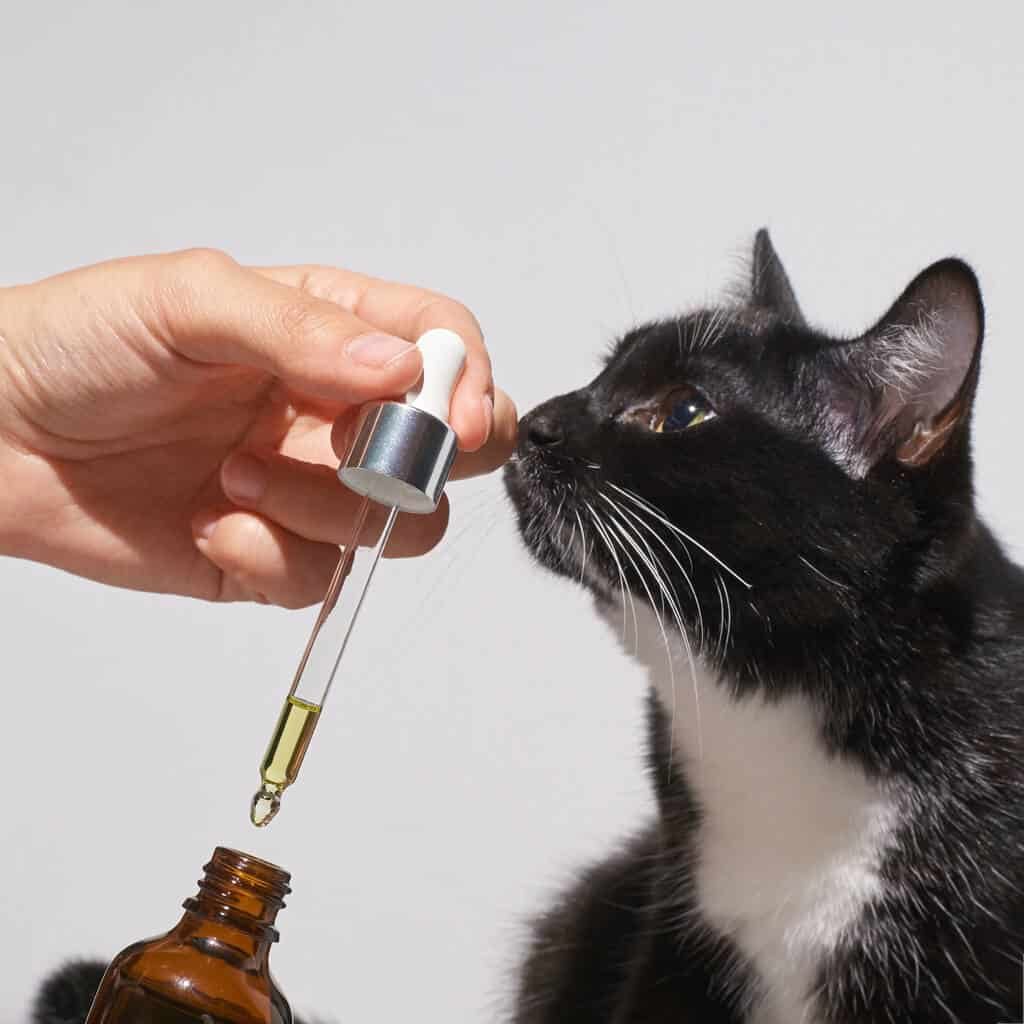
A veterinary examination helps separate reflux from dental pain, obstruction, and other causes of poor appetite.
For confirmed reflux or esophagitis, a vet may prescribe a proton pump inhibitor such as omeprazole to reduce stomach acid. In selected cases, another acid-reducing drug may be used. Sucralfate may be prescribed to coat and protect injured tissue. A prokinetic medicine, meaning one that supports normal movement through the digestive tract, may be appropriate for some cats. These drugs are not interchangeable, and the correct choice depends on the diagnosis and your cat's other conditions.
Food plans are individualized. A veterinarian may suggest smaller, more frequent meals or a temporary change in texture if swallowing is painful. Cats still need complete and balanced nutrition. Homemade diets, prolonged fasting, and bland diets designed for people can leave a cat short of essential nutrients. A severely affected cat may need fluids, nausea control, pain management, or a feeding tube while the esophagus heals.
A stricture may require a procedure that gently widens the narrowed area. A foreign object must be removed, while a hiatal hernia may occasionally need surgery. Underlying kidney, intestinal, pancreatic, or dental disease also needs direct treatment.
Do not give human antacids, leftover prescriptions, baking soda, herbs, or essential oils. Some are toxic, and others can interfere with diagnosis or medication absorption. Call your veterinarian or a veterinary pharmacist before giving your cat any medicine or supplement.
Where CBD Fits, and Where It Does Not
Ask your veterinarian first before considering any CBD product for a cat, particularly if your cat is not eating or takes medication. CBD has not been shown to treat feline acid reflux, nausea, or appetite loss. No CBD product is approved by the FDA for use in pets, and feline dosing and safety research remain limited. Cats are not small dogs. They process many compounds differently, and there is even less CBD research in cats than in dogs.
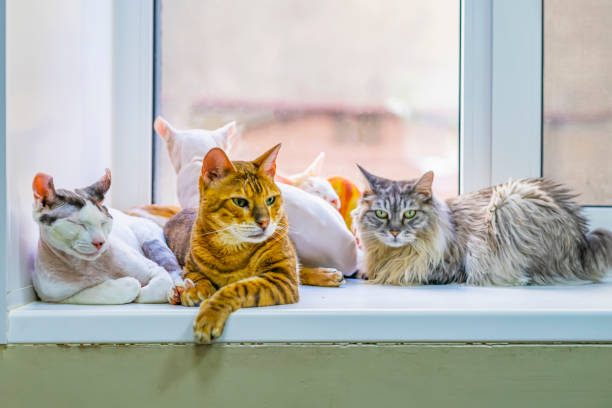
CBD has not been proven to treat feline reflux, nausea, or appetite loss.
CBD can affect liver enzymes in the cytochrome P450 system, often shortened to CYP450. These enzymes help the body process many medications. Changing their activity can alter drug levels and increase the chance of side effects. This matters when a cat receives antiseizure drugs, sedatives, pain medicines, heart medicines, or other prescriptions. Cats with liver disease may need additional caution.
Product quality is another problem. Independent testing of commercial CBD products has repeatedly found mismatches between labels and actual contents. Full-spectrum hemp products may contain trace THC. THC can poison pets, and cats may develop sleepiness, poor coordination, agitation, abnormal heart rate, or other serious signs. Human tinctures, gummies, and flavored oils may also contain xylitol or other ingredients that are unsafe or unsuitable for animals.
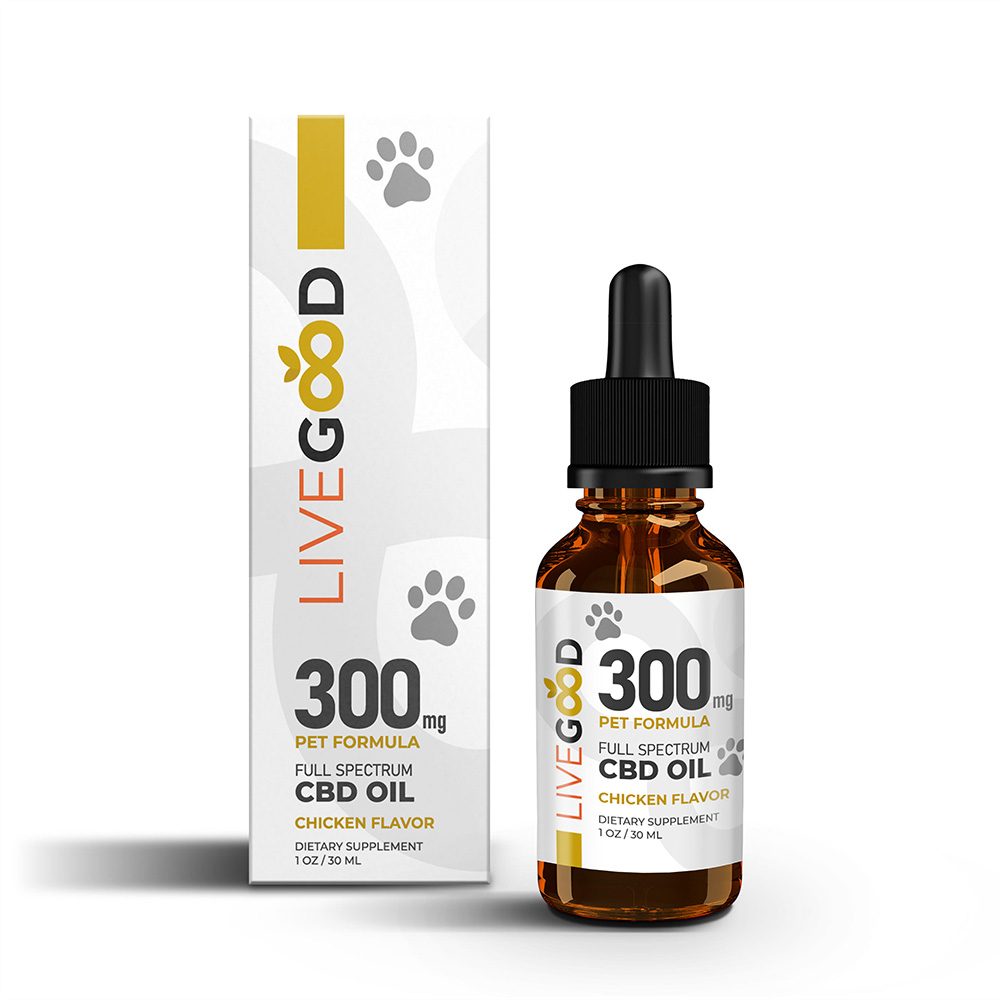
Laboratory reports may reveal product contents, but they cannot establish that CBD is safe or effective for a particular cat.
A certificate of analysis, or COA, is a laboratory report showing measured cannabinoid levels and screening for contaminants. It can help identify obvious quality problems, but it does not prove that a product is effective, appropriately dosed for cats, or safe with a particular medicine. There is no responsible universal dose to offer here.
Epidiolex is an FDA-approved prescription CBD medicine for specific seizure disorders in humans. That approval does not apply to over-the-counter supplements or pet use. Honest, evidence-grounded education means being clear when research is missing. For reflux, appetite loss, or vomiting, put veterinary diagnosis and established care first. Ask your veterinarian or a veterinary pharmacist before considering CBD or any other supplement.
Frequently Asked Questions
Can CBD help cats with acid reflux?
CBD has not been proven to help cats with acid reflux. No CBD product is FDA-approved for pets, and feline safety and dosing research is limited. CBD may interact with medications through liver enzymes, while some products contain unexpected CBD, trace THC, or unsafe additives. If your cat has reflux signs or will not eat, contact a veterinarian before considering any supplement.
What are the signs of acid reflux in a cat?
Possible signs include regurgitation, repeated swallowing, drooling, lip licking, gagging, painful swallowing, vomiting, and reduced appetite. Some cats approach food but back away or stretch their necks when swallowing. These signs are not specific to reflux, so a veterinary examination is needed to rule out dental disease, foreign objects, nausea, and other digestive or medical problems.
What do vets prescribe for reflux in cats?
Veterinarians may prescribe an acid-suppressing medicine, a protective coating medicine such as sucralfate, or a drug that supports normal digestive movement. The choice depends on the cause and severity. Treatment may also include smaller meals, fluids, nausea control, nutritional support, or a procedure for narrowing or an obstruction. Never use leftover medication without veterinary direction.
Is it an emergency if a cat stops eating?
Yes, prolonged refusal of food can become an emergency in cats. A cat that has not eaten for 24 to 48 hours needs veterinary care because hepatic lipidosis, or dangerous fat buildup in the liver, can develop quickly. Seek help sooner for kittens, senior cats, diabetic cats, repeated vomiting, weakness, yellow gums or eyes, trouble swallowing, or inability to keep water down.
Can you give a cat human antacids?
Do not give a cat human antacids unless a veterinarian specifically prescribes the exact medicine and amount. Products vary in their active ingredients, strength, flavorings, and additives, and some may be unsafe or may interact with other drugs. Reflux-like symptoms can also indicate an obstruction or another illness that antacids will not address. Call your veterinarian or a veterinary pharmacist first.