
Alfalfa for Bodybuilding: Does It Do Anything?
 Written by Ben Glinsky
Ask AI about this article and Organic Super Greens





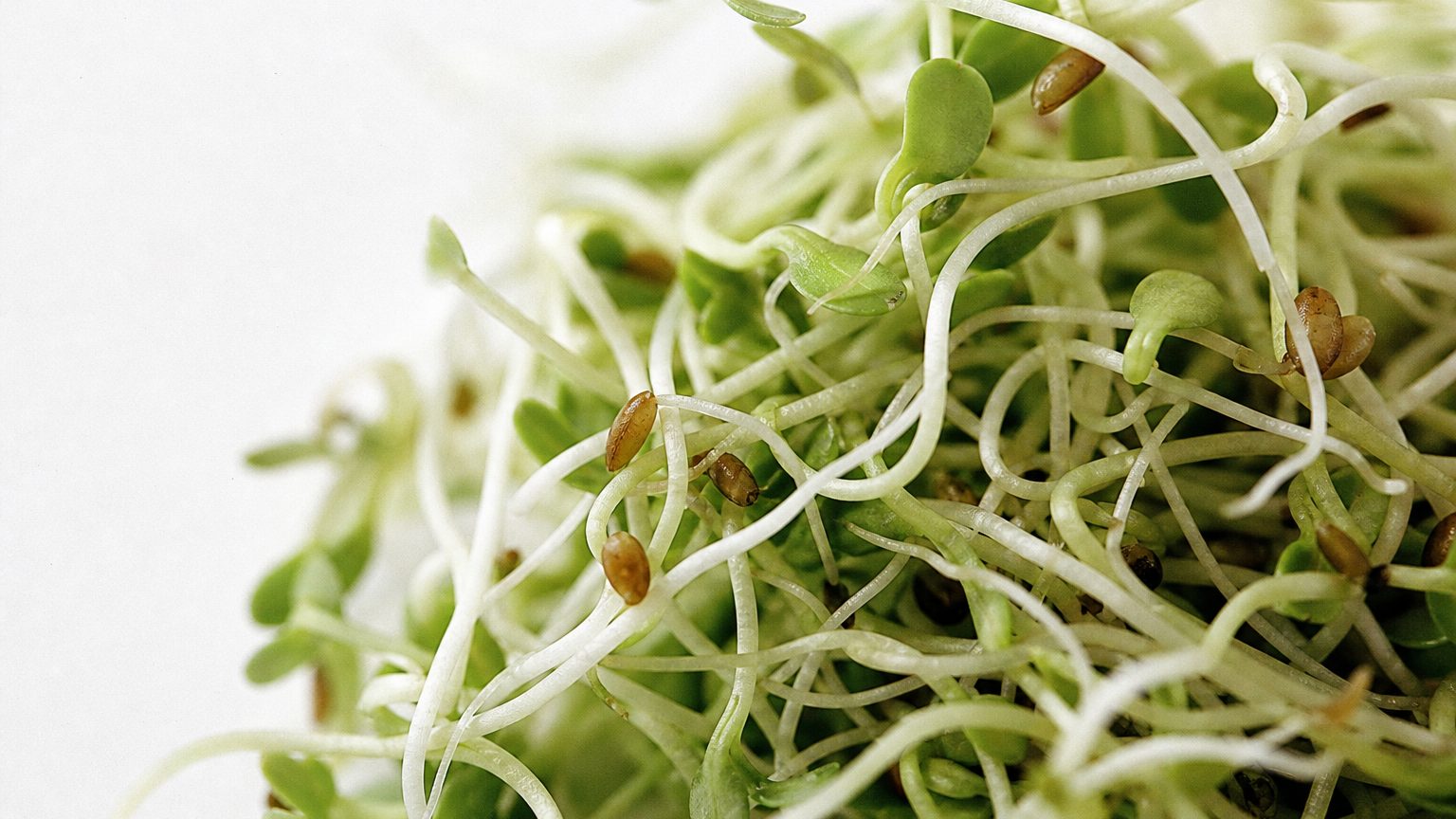
Alfalfa is not a muscle-building supplement, and there is essentially no human evidence that it increases muscle size, strength, or testosterone. It can contribute vitamin K and other plant nutrients, but those qualities should not be confused with bodybuilding results. Here is what alfalfa can realistically add to your routine, plus the safety details that deserve more attention than the muscle claims.
Key Takeaways
- No proven muscle effect: Human research has not shown that alfalfa increases muscle growth, strength, testosterone, or workout recovery.
- Not a meaningful protein source: Typical servings of sprouts or alfalfa powder provide far less protein than bodybuilding staples such as eggs, dairy, soy, meat, or legumes.
- Useful plant compounds: Alfalfa contains vitamin K, chlorophyll, carotenoids, minerals, and saponins, but none has been shown to make alfalfa anabolic.
- Safety deserves attention: Vitamin K can interfere with warfarin, while alfalfa sprouts and seeds have been associated with lupus-like reactions in susceptible people.
- Training basics still win: Progressive resistance training, enough protein and calories, sleep, and consistency drive muscle growth.
The Honest Answer on Muscle
If your goal is bigger or stronger muscles, alfalfa is unlikely to make a measurable difference. There are no convincing controlled human trials showing that alfalfa increases muscle protein synthesis, hypertrophy, strength, testosterone, or recovery. Hypertrophy simply means an increase in muscle size.
Some bodybuilding claims describe alfalfa as supporting a positive nitrogen balance. Nitrogen balance compares the nitrogen you consume through protein with the amount your body loses. While adequate protein can help create conditions for muscle growth, that does not mean every plant containing protein improves nitrogen balance in a useful way. Typical alfalfa servings contain too little protein to compete with established protein foods or powders.

Alfalfa can contribute plant nutrients, but research has not established it as a muscle-building ingredient.
The interest may also come from alfalfa's saponins. These are natural compounds found in many plants, including beans and oats. Laboratory and animal research has explored several biological effects of saponins, but that is not evidence that an alfalfa supplement builds human muscle. A compound can look interesting in a test tube without producing a practical gym result.
Alfalfa also does not appear to have a demonstrated testosterone-boosting effect in men. Being green, mineral-containing, or traditionally used does not make an ingredient anabolic, which means capable of directly promoting tissue growth.
Could alfalfa make you gain weight? Not by itself in ordinary amounts. Body weight rises when your average calorie intake exceeds what you use. Alfalfa sprouts are low in calories, and most alfalfa powders are taken in small servings. Any gain would be more likely to come from your overall eating pattern than from alfalfa.
What Alfalfa Actually Contains
Alfalfa, or Medicago sativa, is a legume grown widely as an animal feed crop. People most often encounter it as raw sprouts, dried leaves, tea, tablets, capsules, or an ingredient in a greens powder. Those forms are not nutritionally identical. A handful of fresh sprouts contains plenty of water, while dried leaf powder concentrates plant material into a smaller volume.
Alfalfa is known for its vitamin K content. Vitamin K supports normal blood clotting and helps maintain bone health, but it is not a muscle-building nutrient. More is not automatically better, particularly if you use medication that changes how your blood clots.

Fresh sprouts and dried alfalfa powder differ in concentration, serving size, and nutrient content.
The plant also supplies chlorophyll, the green pigment plants use to capture light. Chlorophyll can add color and plant variety to a greens blend, but claims that it detoxes the body or delivers extra oxygen to working muscles are not supported by good evidence. Your liver, kidneys, lungs, and digestive system already handle the body's waste-removal processes.
Other components can include carotenoids, small amounts of minerals, fiber, and saponins. Carotenoids are colored plant compounds, some of which the body can convert into vitamin A. Exact amounts vary with the plant part, growing conditions, processing, and serving size.
Alfalfa does contain amino acids, the building blocks of protein. However, the amount delivered by a normal serving is modest. Bodybuilders should not count alfalfa as a primary protein source. Check the Nutrition Facts or Supplement Facts panel rather than assuming a nutrient-rich plant provides a meaningful dose of every listed nutrient.
Why It Turns Up in Greens Blends
Alfalfa makes more sense as part of a greens blend than as a dedicated bodybuilding supplement. It provides concentrated green plant material, complements ingredients such as wheatgrass or barley grass, and contributes naturally occurring phytonutrients. Phytonutrients are compounds made by plants. They are not essential nutrients like protein, but they can add variety to your diet.
Greens powders are mainly convenience products. They can be useful when travel, a busy schedule, food preferences, or limited access to fresh produce makes dietary variety harder. One scoop may combine several plants that would be inconvenient to buy and prepare separately.
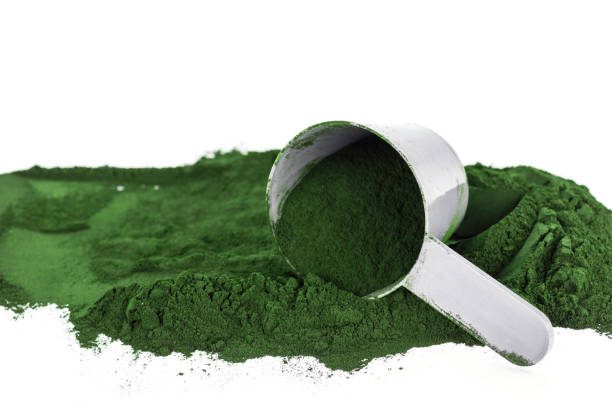
Alfalfa commonly appears alongside other grasses and plants in convenient greens blends.
That convenience should not be mistaken for a shortcut to muscle growth. A greens powder normally supplies little protein and few calories. It cannot replace a high-protein meal, a balanced diet, or the energy needed to train and recover. It also does not reproduce everything found in whole vegetables, especially their volume, water, texture, and often their fiber.
When comparing blends, read the full label. Look at the serving size, listed ingredients, allergen information, and directions. Avoid assuming that a long ingredient list means every plant appears in a meaningful amount. If individual amounts are not disclosed, you may not know how much alfalfa or any other ingredient one serving provides.
The practical role of alfalfa is therefore modest. It can help broaden plant intake in a convenient format. It does not provide a special male benefit, directly enhance workouts, or turn a greens drink into a mass-gaining product.
The Vitamin K and Autoimmune Caveats
The most important facts about alfalfa are safety related. Alfalfa is high in vitamin K, a nutrient involved in normal blood clotting. Warfarin works partly by opposing vitamin K activity, so a major change in vitamin K intake can alter how the medication works.
If you take warfarin, do not add alfalfa sprouts, leaf powder, tablets, or a greens blend without talking to your doctor or anticoagulation clinic. Do not stop eating vitamin K foods or change your medication on your own. Clinicians often focus on keeping vitamin K intake reasonably consistent, then adjusting treatment based on blood tests.
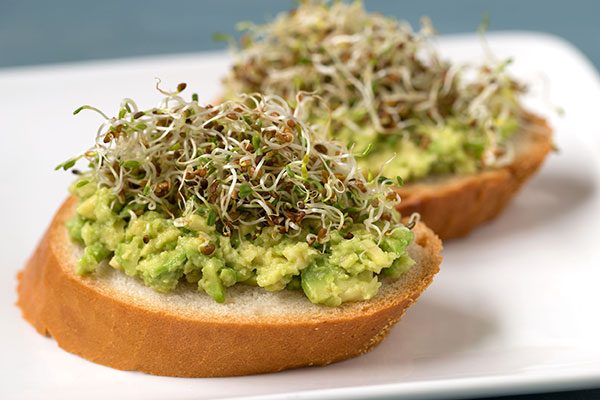
Alfalfa's vitamin K content requires special attention for anyone taking warfarin.
Alfalfa seeds and sprouts contain L-canavanine, an amino acid-like plant compound. They have been associated with lupus-like reactions and symptom flares in susceptible people. Lupus is an autoimmune condition in which the immune system mistakenly attacks the body's own tissues. This concern does not prove that everyone who eats alfalfa will have a reaction, but it does make extra caution appropriate for people with lupus or another autoimmune condition.
Talk to your doctor before using concentrated alfalfa if you have an autoimmune condition, take prescription medication, are pregnant or breastfeeding, or have a kidney or liver condition. Your doctor can consider the product form, your medical history, and your full medication list.
Raw sprouts carry another concern. Their warm, humid growing conditions can allow harmful bacteria to multiply. Washing may not remove all contamination. Children, older adults, pregnant people, and anyone with a weakened immune system are commonly advised to avoid raw sprouts or choose thoroughly cooked options.
Stop using alfalfa and seek medical care if you develop signs of a serious allergic reaction, such as facial swelling, trouble breathing, or widespread hives.
What Actually Drives Muscle Growth
Muscle growth comes from a repeated training signal supported by enough nutrition and recovery. Alfalfa does not replace any part of that process. If bodybuilding is your goal, put most of your attention on the fundamentals that consistently matter.
Progressive resistance training comes first. Progressive means gradually asking your muscles to do more, such as adding weight, completing more repetitions, improving technique, or increasing productive training volume. Your program should train the major muscle groups and allow enough recovery between demanding sessions.
Progressive resistance training and adequate protein matter far more for muscle growth than alfalfa.
Protein provides the amino acids used to repair and build muscle tissue. Choose substantial protein sources such as dairy, eggs, fish, poultry, lean meat, soy foods, beans, lentils, or a protein powder that fits your diet. Spread protein across meals rather than expecting a small amount from a greens ingredient to carry the day.
Total calories matter too. Building muscle is difficult when you consistently eat less energy than your body needs. That does not require uncontrolled eating. A modest, sustained calorie surplus, paired with resistance training, is more useful than chasing a single so-called mass-building herb.
Carbohydrates help fuel hard training, while dietary fats support normal body functions. Sleep gives your body time to recover. Hydration, rest days, and a program you can follow for months are more valuable than frequently changing supplements.
Track your lifts, body measurements, body weight trends, and recovery over several weeks. If progress stalls, review your training, protein, calories, and sleep before adding another product. Supplements can support a solid routine, but they cannot create the training stimulus or consistency that muscle growth requires.
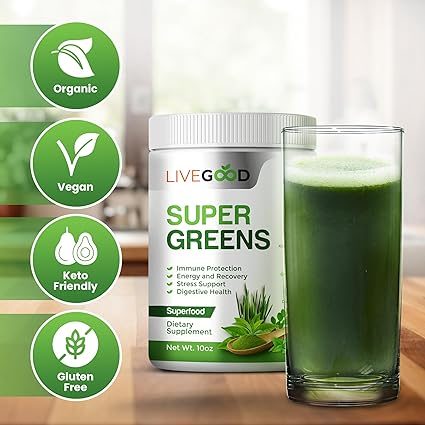
LiveGood Organic Super Greens is a USDA certified organic greens powder designed to help fill nutrient gaps, or act as 'a safety net for your health.' Mix one delicious scoop into water or a smoothie as a convenient daily serving, while keeping protein foods and vegetables at the center of your diet. It is $19.95 for members versus $34.95 retail, supporting the LiveGood principle: Highest Quality. Lowest Prices. Every Day.
Frequently Asked Questions
Does alfalfa help build muscle?
No, alfalfa has not been shown to build muscle in controlled human research. It contains plant nutrients and a modest amount of protein, but typical servings do not provide enough protein or calories to drive growth. Progressive resistance training, adequate dietary protein, sufficient energy, and recovery have a much stronger foundation. Treat alfalfa as a greens ingredient, not an anabolic supplement.
What is alfalfa good for?
Alfalfa is mainly useful as a source of green plant material, vitamin K, carotenoids, chlorophyll, and other phytonutrients. Sprouts can add texture to meals, while leaf powder is commonly included in greens blends for convenience. It should not be expected to raise testosterone, accelerate recovery, detox the body, or produce weight or muscle gain on its own.
The appropriate alfalfa form and frequency depend on your medications, medical history, and overall diet.
Is alfalfa safe to take daily?
Daily alfalfa may be suitable for some healthy adults, but safety depends on the form, serving, medications, and medical history. Follow the product label rather than increasing the amount for bodybuilding. Talk to your doctor first if you take prescriptions, are pregnant or breastfeeding, or have an autoimmune, kidney, liver, or other existing medical condition. Raw sprouts also present a bacterial contamination risk.
Who should avoid alfalfa?
People with lupus or another autoimmune condition should speak with their doctor before using alfalfa, especially sprouts, seeds, or concentrated supplements. Those taking warfarin also require medical guidance because alfalfa is high in vitamin K. Pregnant or breastfeeding people, anyone with a weakened immune system, and people with kidney, liver, or other medical conditions should ask their doctor before use.
Does alfalfa affect blood thinners?
Yes, alfalfa can affect warfarin because its vitamin K content may work against the medication's intended effect. A sudden increase or decrease in alfalfa intake could change anticoagulation control. If you take warfarin or another prescription blood thinner, talk to your doctor or anticoagulation clinic before using alfalfa or a greens blend. Do not change your medication or diet abruptly without guidance.