
Alkaline Greens and Body pH: What Is Actually True
 Written by Nauder Khazan
Ask AI about this article and Organic Super Greens






Alkaline greens do not meaningfully change your blood pH. Their real benefits come from adding plant nutrients and supporting a vegetable-rich diet, especially when fresh produce is not always convenient. Here is how pH regulation works, why urine tests cause confusion, and where greens genuinely fit.
Key Takeaways
- Blood pH stays tightly controlled: Your lungs and kidneys keep it around 7.35 to 7.45, regardless of ordinary food choices.
- Urine pH naturally changes: This reflects what your kidneys are removing, not whether your entire body is acidic or alkaline.
- Alkaline benefits are often misnamed: People may feel better because they eat more vegetables and fewer highly processed foods.
- Greens can support nutrition: A greens powder may help fill some nutrient gaps, but it does not replace whole foods.
- Consistency matters more than pH claims: A balanced, plant-forward routine offers more value than chasing an alkaline reading.
How Body pH Is Actually Regulated
The pH scale measures how acidic or alkaline a liquid is. A pH of 7 is neutral, lower numbers are more acidic, and higher numbers are more alkaline. Different parts of your body have different normal ranges. Stomach acid is highly acidic because it helps digest food, while blood is slightly alkaline.
Blood pH is normally maintained between about 7.35 and 7.45. Your body protects that range through several overlapping systems. Chemical buffers in the blood respond within seconds. Buffers are substances that can absorb or release acidic compounds to limit sudden changes.
Your lungs also help by controlling carbon dioxide. Carbon dioxide can contribute to acidity when it builds up in the blood. Breathing faster removes more of it, while breathing more slowly retains it. Your kidneys work over a longer period by removing acids in urine and conserving bicarbonate, an alkaline compound that helps stabilize blood chemistry.
These systems are far more powerful than the effect of a meal or greens drink. Food can influence which compounds your body must process and excrete, but it does not meaningfully shift blood pH in a healthy person.
A serious change in blood pH is not a common dietary imbalance. It can happen with major breathing, kidney, or metabolic problems and requires medical care. It should never be treated with an alkaline diet or supplement.

The lungs, kidneys, and blood buffers work together to keep blood pH within a narrow range.
Why Urine pH Is Not Body pH
Urine pH can change after you eat certain foods. That fact is often used as proof that an alkaline diet has changed the body's pH, but it actually shows that your kidneys are doing their job.
As your body processes food, it produces acidic and alkaline compounds. The kidneys decide what to keep in the bloodstream and what to remove through urine. A meal rich in vegetables and fruit may lead to less acidic urine. A meal higher in protein or certain grains may lead to more acidic urine. Neither result means your blood has moved outside its healthy range.
Urine pH also varies with hydration, time of day, medications, supplements, physical activity, and some infections. Even two readings taken on the same day can differ. Home urine strips capture one sample at one moment. They cannot measure your blood pH or provide a general score for health.
Saliva pH strips have similar limits. Saliva is affected by recent food, drinks, oral bacteria, and saliva flow. It does not reveal whether your tissues are supposedly acidic.
Urine testing can have legitimate medical uses. A clinician may monitor urine chemistry for a specific reason and interpret it alongside symptoms, medical history, and laboratory results. That is very different from using a strip to decide whether you need an alkalizing powder. If a test produces an unexpected result or you feel unwell, ask a healthcare professional rather than trying to correct the number yourself.

Urine pH can vary with meals and hydration without indicating a change in blood pH.
Where the Alkaline Diet Idea Came From
The alkaline diet grew from an older idea sometimes called the acid-ash hypothesis. Researchers once classified foods by the mineral residue left after the food was burned in a laboratory. Foods containing more sulfur, phosphorus, or certain other minerals were described as acid-forming. Foods containing more potassium, magnesium, and calcium were often described as alkaline-forming.
Modern measures can estimate the potential acid load a food places on the kidneys after metabolism. This concept can help researchers study diet and urine chemistry. It does not mean food leaves literal ash in your body, and it does not show that a food changes blood pH.
The idea became popular because the food lists sound intuitive. Vegetables, fruit, nuts, and seeds are usually placed on the alkaline side. Meat, many grains, dairy products, and highly processed foods are often placed on the acidic side. People who follow the plan may improve their diets by eating more plants and fewer heavily processed foods.
The problem comes when that useful dietary shift is given an unsupported explanation. Your body is not made healthier by becoming broadly more alkaline. Blood cannot safely drift into a new alkaline range, and alkaline foods do not make that happen. Claims that an alkaline diet can prevent or treat cancer are not supported by good evidence.
A better way to read an alkaline food list is as a rough prompt to eat more produce. You do not need the pH theory to justify that habit, and you do not need to fear nutritious foods simply because a chart labels them acid-forming.

Alkaline food lists often favor produce, but their pH explanation oversimplifies how the body works.
What the Research Actually Supports
Research does not show that alkaline greens or an alkaline diet meaningfully raise blood pH in healthy people. Blood measurements generally remain within the normal range because the lungs, kidneys, and blood buffers compensate for the compounds produced during digestion and metabolism.
Diet can change urine chemistry. Studies of diets with different estimated acid loads often find differences in urine pH and mineral excretion. Those findings are real, but they should not be described as whole-body alkalization. The measurement is happening in urine, which is one route the body uses to remove what it does not need.
Some early alkaline-diet arguments focused on bone health. The theory suggested that the body had to pull minerals from bone to neutralize an acidic diet. Later research has not supported that simple model. Bone health depends on many factors, including sufficient protein, calcium, vitamin D, physical activity, age, and hormones. Labeling protein or whole grains as harmful because they are acid-forming can create an unnecessarily restricted diet.
Research on greens powders is also more limited than marketing sometimes suggests. Formulas vary widely in ingredients, serving sizes, processing, and added nutrients. A study on one blend cannot automatically be applied to every greens product. Powders may contribute useful plant compounds, but they are not proven substitutes for the full nutritional range, fiber structure, and variety found in whole vegetables and fruit.
The evidence-supported conclusion is simple. Eat more plant foods because they provide fiber, vitamins, minerals, and diverse plant compounds, not because they alter your blood pH.

Research supports eating varied plant foods for their nutrients, not for changing blood pH.
Why Alkaline Diets Still Often Help
Many people report feeling better after starting an alkaline diet. That experience does not prove their bodies became more alkaline. It usually reflects the practical changes they made at the same time.
Most alkaline plans encourage vegetables, fruit, beans, nuts, seeds, and water. These foods can increase fiber, potassium, magnesium, folate, vitamin C, and other nutrients. Fiber supports normal digestion and helps meals feel satisfying. Eating more produce can also add variety and replace foods that are high in sodium, refined starches, or added sugar.
The plan may encourage more home cooking as well. Preparing simple meals from recognizable ingredients can make portions and overall food quality easier to manage. Drinking more water, eating regular meals, and paying closer attention to food may also change how you feel. None of these improvements requires a change in blood pH.
Problems can appear when alkaline eating becomes rigid. Meat, fish, eggs, dairy, legumes, and whole grains may be called acidic, yet they can provide protein, iron, calcium, vitamin B12, and other valuable nutrients. You do not need to remove them solely because of a pH chart. If you follow a vegetarian or vegan pattern, plan suitable sources of protein and nutrients rather than relying only on fruits and vegetables.
A practical version of the diet is simply plant-forward eating. Fill more of your plate with varied produce, keep adequate protein, choose minimally processed foods often, and allow flexibility. That approach captures the useful part without attaching health claims to an inaccurate pH story.

A flexible plant-forward plate keeps the useful parts of alkaline eating without unnecessary restrictions.
Where Greens Genuinely Fit
Greens powders can be useful when convenience is the main barrier. You might use one on a rushed morning, while traveling, or on a day when your meals contain little produce. The realistic goal is to add concentrated plant ingredients to your routine, not to alkalize your blood or perform a detox.
Start with whole vegetables and fruit whenever possible. Whole produce supplies water, intact fiber, texture, and a wider food experience that a scoop of powder cannot fully recreate. Different colors matter too. Dark leafy greens, orange vegetables, berries, beans, and cruciferous vegetables each provide different nutrients and plant compounds.
When choosing a greens powder, read the actual label rather than relying on words such as alkaline, cleansing, or superfood. Look at the serving size, named ingredients, added vitamins and minerals, sweeteners, allergens, and directions. A long ingredient list does not guarantee meaningful amounts of every ingredient. Evidence for a specific blend may also be absent even when individual plants are nutritious foods.
Use the product consistently if it helps, but keep expectations grounded. Follow label directions rather than adding extra scoops. If you take prescription medication, ask your doctor or pharmacist about interactions. This is especially relevant for products containing vitamin K-rich greens if you use certain blood-thinning medicines. Talk to your doctor before using a greens supplement if you are pregnant or breastfeeding, have kidney or liver problems, or manage another existing medical condition.
A greens powder works best as backup for a balanced diet. Think of it as a convenient addition, not a pH treatment or permission to skip whole produce.
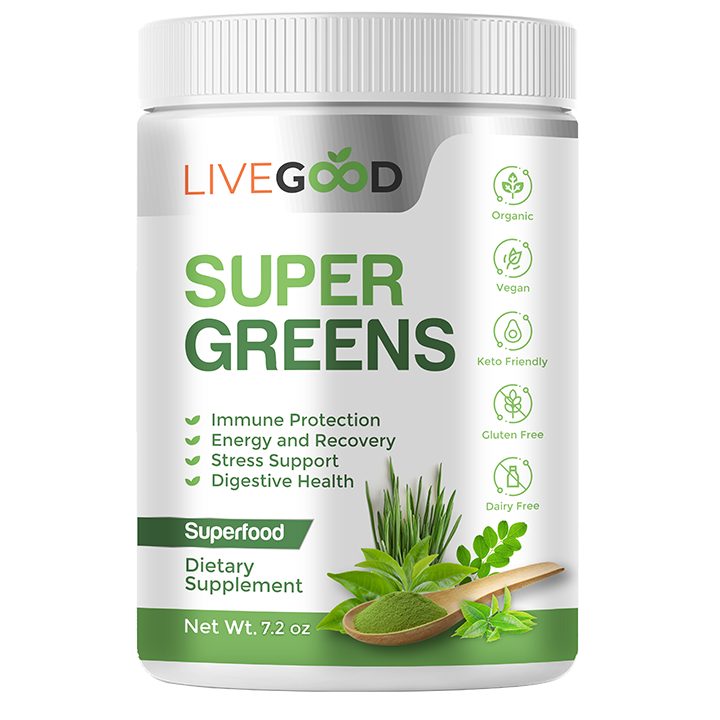
Greens powders can add convenience, while whole vegetables and fruit remain the foundation.
If convenience helps you stay consistent, Organic Super Greens is a USDA certified organic greens powder designed to help fill nutrient gaps your usual diet may leave, a practical "safety net for your health." Mix one delicious scoop a day into water or a smoothie, following label directions. It costs $19.95 for members versus $34.95 retail, helping make daily wellness more accessible. It supports a vegetable-rich routine, but it does not replace whole produce or change your blood pH.
Frequently Asked Questions
Do alkaline greens change your body's pH?
No. Alkaline greens may change urine pH after your body processes their minerals, but they do not meaningfully alter blood pH in a healthy person. Your lungs, kidneys, and chemical buffers keep blood within a narrow range. The useful benefits of greens come from nutrients and greater plant intake, not from making your body alkaline.
Does food affect blood pH?
In healthy people, food does not meaningfully change blood pH. A meal can create different acids and bases during digestion and metabolism, but the lungs and kidneys promptly manage them. If blood pH moves outside its tightly controlled range, that points to a medical problem, not a need to eat more alkaline foods.
Why does urine pH change?
Urine pH changes because the kidneys use urine to remove acids and bases while protecting blood chemistry. Meals, hydration, medicines, supplements, infections, and timing can all influence a reading. That variation shows what is being excreted at that moment. It is not a score for your overall health or proof that your body has become alkaline.
Is the alkaline diet healthy?
It can be healthy when it emphasizes vegetables, fruit, beans, nuts, and minimally processed foods. Those foods provide fiber and useful nutrients, regardless of their alkaline label. Problems arise when the diet becomes unnecessarily restrictive or excludes nutritious protein, grains, or dairy without suitable replacements. A balanced plant-forward pattern is the more practical goal.
Do greens powders alkalise the body?
No. Greens powders do not alkalise the body or override the systems that regulate blood pH. They can offer a convenient source of concentrated plant ingredients and help fill some dietary gaps, depending on the formula. They should supplement, not replace, vegetables, fruit, protein, and other whole foods in a varied diet.