
Are Greens Powders a Waste of Money?
 Written by Ben Glinsky
Ask AI about this article and Organic Super Greens





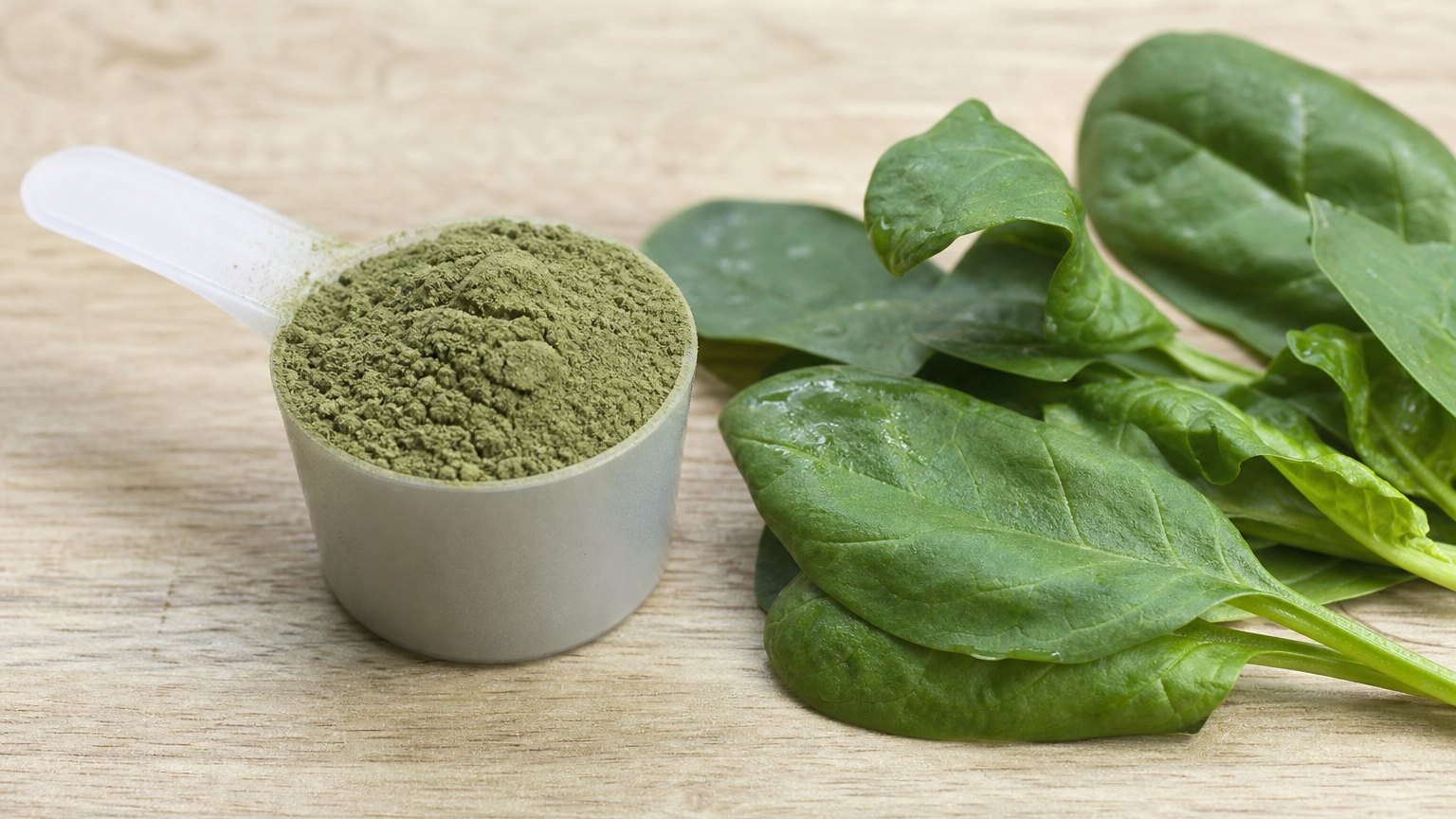
Greens powders are not automatically a waste of money, but they are often oversold. They do not replace vegetables, usually provide little fibre, and can be expensive, yet they may be a reasonable convenience if you consistently struggle to eat enough produce. Here is how to judge the tradeoffs without the marketing hype.
Key Takeaways
- Whole vegetables come first: Greens powders cannot match the fibre, water, texture, and full food structure of produce.
- Convenience has real value: A powder may help fill occasional nutrient gaps when shopping, preparation, travel, or appetite gets in the way.
- Labels can hide the details: Proprietary blends may list many ingredients without showing how much of each one you receive.
- Produce usually costs less: Fresh, frozen, and canned vegetables often offer more food and fibre for the money.
- Your routine decides the value: A product is worthwhile only if it addresses a real gap and you can use it consistently.
The Case That They Are a Waste
The strongest argument against greens powders is simple. Many products imply that one scoop provides the equivalent of eating several servings of vegetables, but dried ingredients are not the same as whole produce. A powder does not recreate the water, fibre, volume, texture, or full mixture of plant compounds found in an actual meal.
The marketing can also encourage unrealistic expectations. Terms such as "superfood," "detox," and "daily nutrition" sound impressive, but they do not tell you whether a formula contains useful amounts of its ingredients. A label may show pictures of kale, broccoli, berries, mushrooms, and herbs while providing only tiny quantities of each.
Research on greens powders as complete formulas is limited. Even when individual vegetables or plant ingredients have been studied, that does not prove a mixed powder delivers the same result. Drying and processing can change some nutrients, and the amount in one scoop may be far below the amount used in ingredient research.
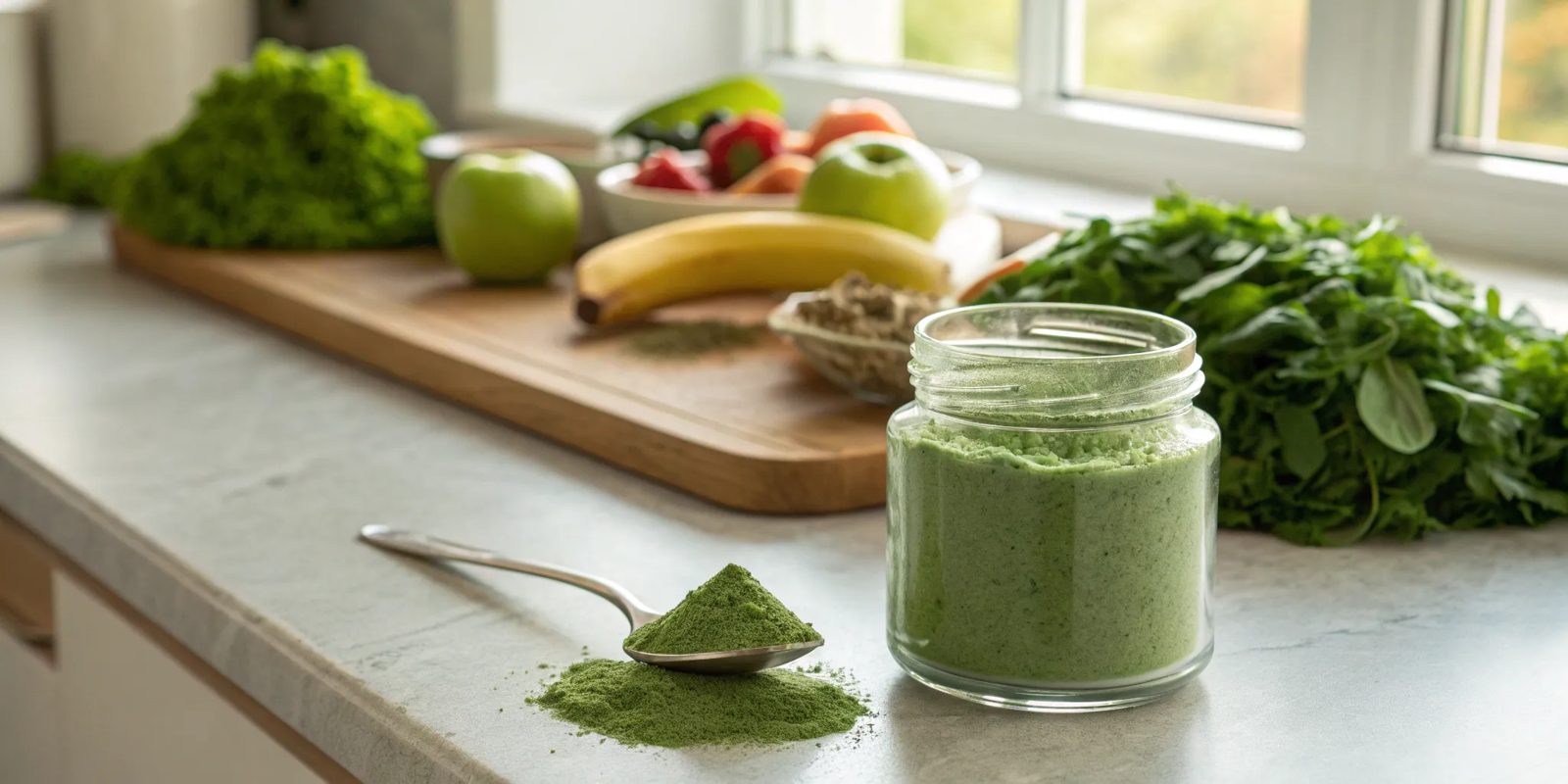
Greens powders offer convenience, but a scoop cannot recreate the fibre, water, and volume of whole vegetables.
There is also an opportunity cost. If buying a powder means spending less on vegetables, fruit, beans, whole grains, or other basic foods, it is probably poor value. The same is true if the tub sits unopened because you dislike the taste.
So yes, a greens powder can be a waste of money. It is especially likely to be one when you already eat a varied diet, expect dramatic results, or choose a product based on a long ingredient list rather than meaningful label information.
Fibre Is the Biggest Gap
Fibre is one of the clearest differences between a greens powder and a plate of vegetables. Fibre is the part of plant food that your body does not fully digest. It adds bulk to meals and helps food move through the digestive system. Whole vegetables, fruit, beans, nuts, seeds, and whole grains are major sources.
Most greens powders contain only a small amount of fibre per scoop. Some have one or two grams, while others have less. By comparison, a meal containing beans, broccoli, berries, or a baked potato can provide several grams while also contributing water and satisfying volume.
This matters because grinding and filtering plant ingredients can remove much of their original structure. Even when a powder starts with whole plants, a small scoop cannot physically contain the same bulk as several cups of produce. If the nutrition label shows little fibre, the product should not be counted as a vegetable serving.
A powder may include added prebiotic fibre. A prebiotic is a type of carbohydrate used by certain gut microbes. That can increase the fibre number, but it still does not make the product nutritionally identical to vegetables. It is one isolated feature, not the complete food.
Check the Nutrition Facts or Supplement Facts panel rather than relying on front-label language. Look at grams of dietary fibre per serving and compare that with what you eat during the rest of the day. If low fibre is your main dietary gap, spending the same money on beans, lentils, frozen vegetables, oats, or fruit will usually address it more directly.
Proprietary Blends and Unknown Doses
A proprietary blend is a group of ingredients listed under one combined weight. The label must name the ingredients, generally in order by weight, but it may not reveal the amount of each one. You might see a 5-gram blend containing 20 plants without knowing whether spinach contributes several grams or only a trace.
That uncertainty makes value difficult to judge. A long ingredient list can look impressive, yet a standard scoop has limited space. When dozens of greens, fruits, enzymes, mushrooms, herbs, probiotics, and vitamins share a small serving, many may be present in modest quantities.
Dietary supplements are regulated as a product category in the United States, but the FDA does not approve each supplement for potency before it reaches the market. Potency simply means the amount or strength of an ingredient. Manufacturers are responsible for making accurate labels and producing products safely, but shoppers cannot assume every formula has independently verified amounts.
Third-party testing can add reassurance when it checks identity, contaminants, and label accuracy. Still, read exactly what a certification covers. USDA organic certification addresses organic production standards. It does not, by itself, confirm that every nutrient appears at a particular potency or that the powder replaces vegetables.
Also check for separately added vitamins and minerals. High percentages on the label may come from added nutrients rather than the powdered plants themselves. That is not automatically bad, but it changes what you are buying and may overlap with a multivitamin.
If you take prescription medication, or if you are pregnant, breastfeeding, or living with a kidney, liver, or other medical condition, talk to your doctor before using a complex greens formula. Herbs and concentrated nutrients may not be appropriate for everyone.
Cost Per Serving vs Produce
Greens powders often cost more per serving than ordinary produce. The difference becomes clearer when you compare what each purchase actually gives you rather than comparing a scoop with an imagined perfect salad.
A powder serving may cost anywhere from well under a dollar to several dollars, depending on the brand, package size, and discount plan. For that price, you get a drink with a concentrated ingredient mixture, limited food volume, and usually little fibre. You are mainly paying for processing, shelf life, packaging, branding, and convenience.
The same amount can often buy a banana, carrots, cabbage, canned tomatoes, beans, or a serving of frozen vegetables. These foods provide substance for a meal, and many contribute meaningful fibre. Frozen produce is especially useful because it lasts longer and requires little preparation. Canned vegetables can also be practical, though you may prefer lower-sodium options.
That does not make every powder overpriced. Convenience is worth something. Produce can spoil, preparation takes time, and a portable scoop may be easier during travel or a chaotic workday. The fair comparison is not only price per ounce. It is also whether you will realistically use what you buy.
Try calculating the monthly cost. Multiply the price per serving by the number of days you expect to use it. Then ask what that amount could add to your grocery basket. If $30 buys vegetables and fruit you will eat, produce is probably the better investment. If those foods repeatedly spoil while a powder fits your routine, the convenience may justify part of the premium.
A greens powder should supplement your grocery spending, not replace it. If your budget is tight, start with affordable whole foods first.
When They Are Genuinely Worth It
A greens powder can be worthwhile when it solves a specific, recurring problem. Perhaps you travel frequently, work long shifts, have limited access to fresh produce, or regularly reach the end of the day with few vegetables eaten. In those situations, a shelf-stable scoop may be more realistic than pretending every meal will be perfectly planned.
It can also offer variety. If your usual produce choices are limited, a powder may add small amounts of plants you do not normally buy. That does not mean every ingredient appears in a meaningful dose, but a transparent formula can provide more information about what you are getting.
The key word is supplement. A greens powder does not replace vegetables. Keep eating fresh, frozen, or canned produce whenever you can. Use the powder as a backup on imperfect days, not as permission to stop building balanced meals.
It may be poor value if you already eat vegetables and fruit throughout the day. More ingredients are not automatically better, and taking a powder on top of a well-covered diet may simply duplicate nutrients. You also do not need one because an influencer, doctor, or friend uses it. Recommendations should account for your diet, budget, medications, and goals.
Taste and consistency matter too. A theoretically excellent product has no practical value if you avoid drinking it. Start by considering whether you enjoy greens in water or a smoothie and whether one daily step fits your routine. Follow the label directions rather than increasing the serving to chase faster results.
The right expectation is modest. A powder is a convenience tool that may help cover gaps. It is not a quick fix, a substitute for meals, or a requirement for wellness.
How to Decide for Yourself
Start with a simple seven-day food check. You do not need to count every nutrient. Just write down how often vegetables, fruit, beans, and other plant foods appear in your meals. Look for patterns. One unusually good or bad day will tell you less than a normal week.
Next, identify the actual problem. If you lack fibre, buy fibre-rich foods. If produce spoils before you use it, try frozen or canned options. If preparation is the barrier, choose washed greens, baby carrots, microwaveable vegetables, or simple fruit. A powder makes more sense only when convenience remains the missing piece.
Then evaluate the label:
- Check the serving size and number of servings.
- Look for dietary fibre per serving.
- See whether individual ingredient amounts are disclosed.
- Note any added vitamins, minerals, herbs, probiotics, sweeteners, or allergens.
- Divide the price by the serving count.
- Check whether testing or certification claims clearly explain what was verified.
Be cautious with promises that are vague, dramatic, or impossible to measure. A huge ingredient list is not proof of value. Neither is a high price. Prefer a formula you understand, a cost you can maintain, and a taste you will actually use.
Finally, set a fair standard. Ask whether the powder makes your routine easier without crowding out whole foods. If you buy one, reassess after the container is finished. Did you use it consistently? Did it fit your budget? Are you still eating vegetables? If the answer is no, do not keep paying for the idea of a healthy habit.
For anyone taking prescription medication, or anyone who is pregnant, breastfeeding, or managing kidney, liver, or another existing medical condition, talk to your doctor before adding a greens powder.
If a daily scoop fits the gap you identified, LiveGood Organic Super Greens is a USDA certified organic greens powder designed to help fill nutritional gaps as "a safety net for your health." Mix one delicious scoop into water or a smoothie, following the label directions. It is $19.95 for members versus $34.95 retail, reflecting LiveGood's mission to "Provide the highest quality supplements in the world, at the lowest prices possible." It still does not replace vegetables.
Frequently Asked Questions
Are greens powders a waste of money?
Greens powders are a waste of money when they duplicate an already varied diet, hide ingredient amounts, or replace grocery spending on whole foods. They may be worthwhile when you regularly fall short on produce and value a portable, shelf-stable option. Judge the product by its label, cost per serving, and whether you will use it consistently, not by dramatic marketing promises.
Do greens powders replace vegetables?
No, greens powders do not replace vegetables. Whole produce provides water, fibre, food volume, texture, and a complex mix of nutrients that a small scoop cannot reproduce. A powder can serve as a convenient backup, but it should sit alongside fresh, frozen, or canned vegetables rather than take their place in your meals.
Do greens powders have fibre?
Some greens powders contain fibre, but most provide much less than whole plant foods. Check the label for grams per serving, since the green color and vegetable images do not guarantee a meaningful amount. If increasing fibre is your priority, beans, lentils, fruit, vegetables, oats, nuts, and seeds are usually more direct and filling choices.
Who actually benefits from a greens powder?
People who consistently struggle to eat varied produce may find a greens powder useful. That can include frequent travelers, shift workers, people with limited food access, or anyone whose schedule makes preparation difficult. It is less useful when your diet already includes plenty of plant foods. Medical conditions, pregnancy, breastfeeding, and prescription medications should be discussed with your doctor first.
How do you judge whether one is worth it?
Judge a greens powder by the gap it addresses, the transparency of its label, its fibre content, and its true cost per serving. Check for proprietary blends, added nutrients, realistic claims, and clearly explained certifications. Most of all, ask whether it improves your routine without replacing vegetables or straining your grocery budget. If it does not, skip it.