
Aronia Powder Benefits and How to Use It
 Written by Nauder Khazan
Ask AI about this article and Organic Super Reds





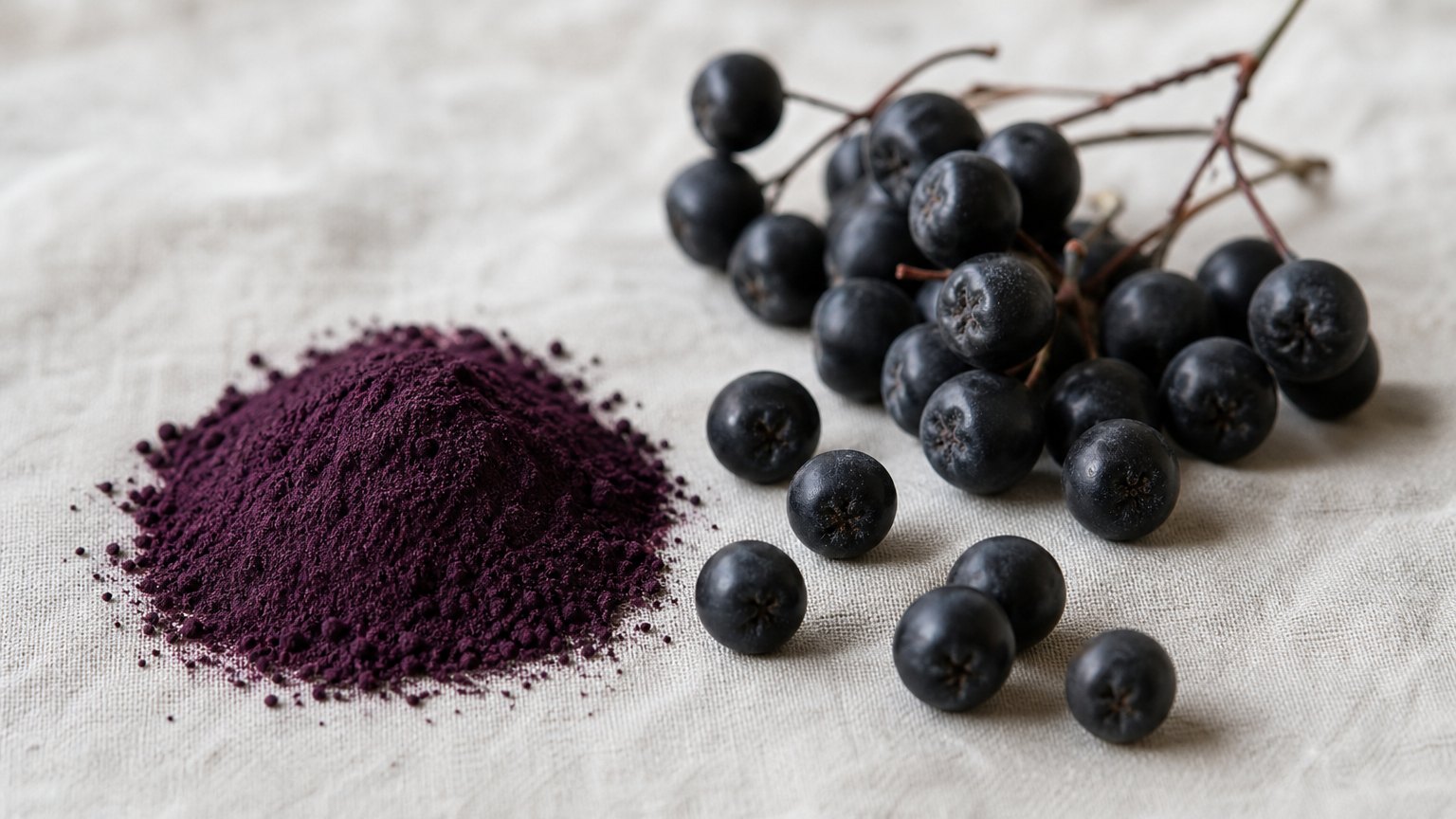
Aronia powder is a concentrated source of anthocyanins, the plant pigments that give dark berries their color. Its potential benefits relate mainly to antioxidant intake and support for cardiovascular and metabolic wellness, but human evidence remains limited. Here is what aronia can realistically offer, why it tastes so dry, and how to use it without overwhelming your food.
Key Takeaways
- Rich in anthocyanins: Aronia contains unusually high levels of the colorful plant compounds found in dark berries.
- Research is still developing: Small human trials have measured cardiovascular, cholesterol, and blood sugar markers, with mixed results.
- Tannins explain the dry taste: Pairing the powder with creamy, sweet, or juicy foods can soften its astringency.
- Products are not interchangeable: Whole-fruit powder, juice, and concentrated extract can provide very different amounts of active compounds.
- Consistency matters most: Follow the product label and treat aronia as one part of a varied diet, not a quick fix.
What Aronia Is
Aronia is a small, dark fruit native to eastern North America. It grows on shrubs in the rose family and is commonly called chokeberry. That name describes the mouth-drying taste of the fruit, not a choking hazard when it is eaten normally.
Black aronia, or Aronia melanocarpa, is the variety most often used in powders, juices, dried berries, and extracts. The ripe fruit may look a little like a blueberry, but its flavor is less sweet and much more astringent. Aronia has also become a commercial crop in parts of Europe, where the berries are often processed rather than eaten fresh.
Aronia powder is usually made by drying and grinding the fruit. Some powders contain the entire berry, including the skin and seeds. Others are extracts concentrated for particular plant compounds. A whole-fruit powder may retain some fiber and naturally occurring nutrients, while an extract may provide more polyphenols in a smaller serving. Polyphenols are a broad family of plant compounds that includes anthocyanins and tannins.
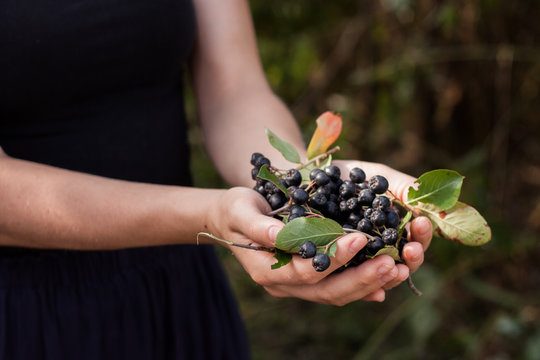
Aronia, also called chokeberry, is commonly dried and ground into whole-fruit powder.
Check the ingredient list before buying. A label that says aronia fruit powder is not necessarily equivalent to one that lists aronia extract. Drying method, berry variety, storage, and added carriers can all affect the final product. A darker color can suggest abundant pigments, but color alone does not verify potency or quality.
Why It Is So Astringent
Aronia's defining feature is its astringency. This is the dry, puckering feeling you get after drinking strong black tea or eating an underripe persimmon. It is a sensation rather than one of the basic tastes.
Tannins are largely responsible. These plant compounds bind to proteins in saliva. Saliva normally helps the surfaces in your mouth glide smoothly, so that temporary binding creates a rough or dry feeling. Aronia also contains organic acids, which add tartness, and relatively little natural sweetness to balance them.
The tannins are part of aronia's wider polyphenol profile, but more astringency does not automatically mean more health benefit. It also does not mean the powder is spoiled. The sensation is a normal feature of the fruit and varies among products.
Aronia's tannins create its characteristic tart, dry finish.
You can make the powder much easier to enjoy by pairing it with foods that provide sweetness, moisture, or a creamy texture. Banana, mango, applesauce, yogurt, kefir, and nut butter all help round out the flavor. Oats and chia pudding distribute the powder through a larger volume of food, which can make each bite less intense.
If you add aronia to plain water, expect an earthy, tart drink with a dry finish. Shaking it with citrus juice or blending it into a smoothie usually works better. The strong flavor can be useful in berry sauces and baked goods, where a small amount adds color and tartness without dominating the recipe.
Anthocyanin Content in Context
Anthocyanins are red, purple, and blue pigments produced by plants. They belong to the flavonoid family of polyphenols. Blueberries, blackberries, cherries, purple grapes, and red cabbage all contain them, but aronia is frequently measured among the richest commonly eaten fruits.
Fresh aronia berries can contain several hundred milligrams of anthocyanins per 100 grams, although published figures vary widely. Growing conditions, ripeness, variety, processing, and laboratory methods all affect the result. Comparisons between fresh fruit and powder can also be misleading because removing water concentrates the remaining material.
Aronia's main anthocyanins are forms of cyanidin, a type of plant pigment. These compounds can act as antioxidants in laboratory tests. An antioxidant can neutralize certain unstable molecules in a test tube, but a high laboratory score does not prove that a food prevents disease in people. Anthocyanins are digested, transformed by gut microbes, and cleared by the body, so their effects are more complicated than a label's antioxidant number suggests.

The deep purple color of aronia comes from anthocyanin plant pigments.
This is why aronia is best viewed as a way to broaden your intake of colorful plant foods. It does not need to replace blueberries, cherries, or vegetables. Each food supplies a different combination of fiber, vitamins, minerals, and polyphenols.
Powder labels may list total polyphenols or anthocyanins, but many do not. If a product provides a standardized amount, that makes comparisons easier. If it only lists total powder weight, you cannot calculate its anthocyanin content from that number alone.
What Human Trials Have Measured
Human research on aronia is much smaller than the laboratory and animal research. Trials have used juice, whole-fruit powder, and concentrated extracts, often in small groups followed for a few weeks or months. That makes it difficult to apply one study's findings to every aronia product.
Researchers have measured blood pressure readings, blood vessel function, cholesterol and triglyceride levels, blood sugar markers, and signs of oxidative stress. Oxidative stress describes an imbalance between reactive molecules and the body's systems for managing them. These measurements can help researchers explore how an ingredient affects the body, but they are not the same as showing that it prevents a heart attack or treats a medical condition.
Some small trials have reported modest changes in cardiovascular or cholesterol markers after regular aronia intake. Other studies have found little or no clear difference. Research involving blood sugar and insulin measurements is also preliminary and inconsistent. Differences in dose, product type, participant health, diet, and study design may help explain the uneven results.
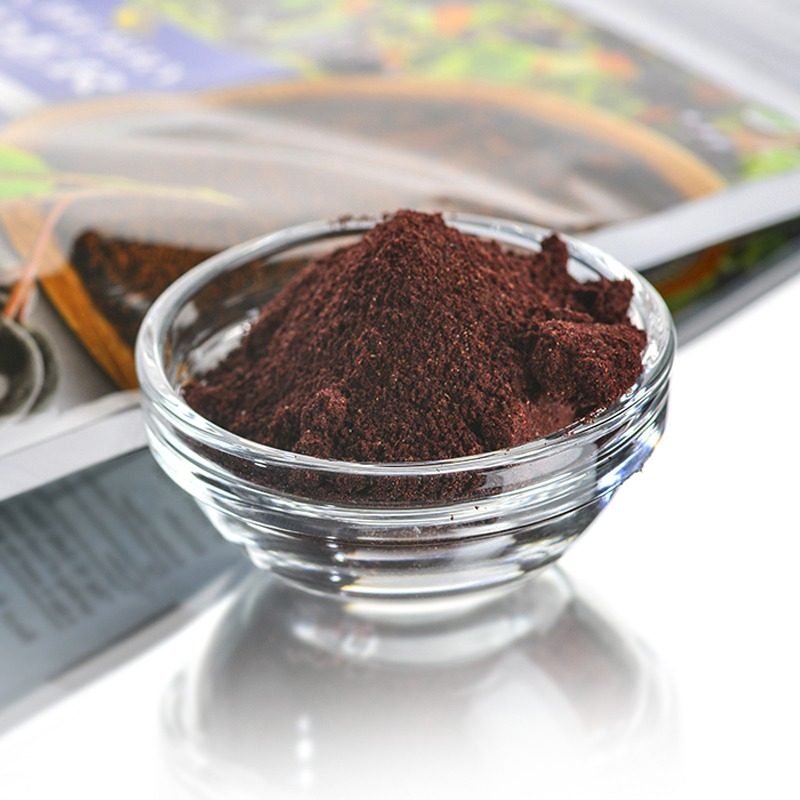
Human aronia studies have measured wellness markers, but the evidence remains limited and mixed.
The realistic takeaway is that aronia may support a diet associated with cardiovascular and metabolic wellness, largely because it adds polyphenols. It should not replace prescribed medication, medical care, exercise, sleep, or a balanced eating pattern. There is not enough evidence to recommend aronia as a treatment for high blood pressure, diabetes, high cholesterol, kidney disease, or any other condition.
Aronia is also not similar to prednisone. Prednisone is a prescription corticosteroid with specific medical effects, doses, interactions, and risks. Aronia is a fruit. Laboratory findings about inflammatory pathways do not make it a substitute for an anti-inflammatory medicine.
How to Use the Powder
The easiest way to use aronia powder is to combine it with enough food or liquid to dilute its dry, tart character. Smoothies are especially forgiving. Banana, berries, mango, yogurt, milk, or a plant-based beverage can all soften the flavor.
You can also stir it into oatmeal, overnight oats, chia pudding, yogurt, or applesauce. For a savory option, try it in a berry vinaigrette or a sauce served with roasted vegetables. It can add color to muffins, pancakes, and snack bites, although prolonged heat may reduce some of the anthocyanin content. Stirring it into food after cooking and cooling is a reasonable choice when practical.
Blending aronia powder with sweet or creamy ingredients helps balance its astringency.
Powder can clump when it hits liquid. Mix it first with a small amount of liquid to create a smooth paste, then add the rest. A shaker bottle or blender also works well. Because the pigments are intense, rinse cups, blender parts, and light-colored countertops soon after use.
There is no universal daily amount of aronia powder. Concentration differs too much among whole-fruit powders and extracts for one number to fit every product. Follow the serving directions on your label, and do not increase the amount simply to imitate a study that used a different form. Consistent use within a varied diet is more sensible than taking a large serving occasionally.
If you are sensitive to tart or high-fiber foods, taking the labeled serving with a meal may feel gentler than mixing it only with water. Give your routine time, but do not expect an immediate sensation. Aronia is food-based nutrition, not a stimulant.
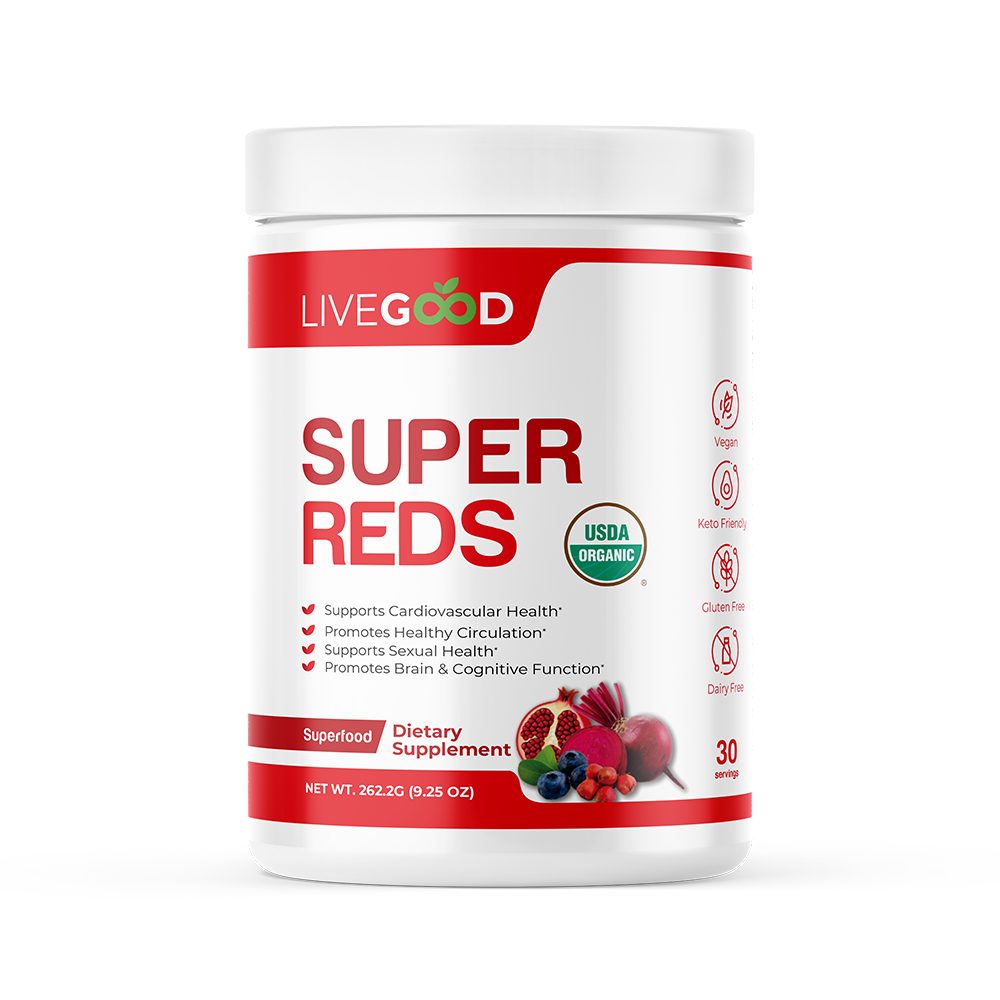
LiveGood Organic Super Reds is a great-tasting red fruit and vegetable extract powder formulated to support the body's production of nitric oxide and healthy blood circulation. It does not list aronia among its named ingredients, so consider it a general reds blend rather than an aronia powder. Mix it with water or a smoothie as a pre-workout or afternoon pick-me-up. Members pay $19.95 versus $34.95 retail, helping make everyday wellness more accessible.
Who Should Be Careful
Aronia fruit is generally used as food, but concentrated powders and extracts may cause digestive discomfort in some people. Possible effects include nausea, stomach cramps, constipation, diarrhea, or an unpleasantly dry mouth. Tolerance can depend on the serving size, the product's fiber content, and what else you eat with it.
The available human studies are not large enough to map every potential interaction. Talk to your doctor before using aronia supplements if you take prescription medication, especially medicine that affects blood pressure, blood sugar, or blood clotting. Do not change a medication dose based on a home reading or a supplement routine.
You should also talk to your doctor if you are pregnant or breastfeeding, have kidney or liver problems, or live with an existing medical condition. There is not enough pregnancy and breastfeeding research to establish a supplemental amount. Claims that aronia cleanses the kidneys or protects them from disease are not supported by strong human evidence.
Food allergies to aronia appear uncommon, but any fruit can cause a reaction. Stop using the product and seek urgent help if you develop facial swelling, trouble breathing, or other signs of a severe allergic response.
Quality matters as well. Choose a clearly labeled product from a company that identifies whether it contains whole fruit or extract. Check for added sweeteners and other ingredients that may not fit your needs. Powder should be stored sealed, dry, and away from heat and bright light because moisture and prolonged exposure can degrade it.
For a discussion focused on male wellness questions, see Aronia Powder for Men: Benefits and How to Use It. The same evidence limits and safety principles still apply.
Frequently Asked Questions
What are the benefits of aronia powder?
Aronia powder provides anthocyanins and other polyphenols that can complement a varied, plant-rich diet. Small human trials have explored effects on cardiovascular, cholesterol, blood sugar, and oxidative stress markers, but the findings are not strong or consistent enough to support treatment claims. Whole-fruit powder may also provide some fiber, depending on how it is made.
How do you use aronia powder?
Mix aronia powder into smoothies, yogurt, oatmeal, chia pudding, applesauce, or a berry sauce. Sweet or creamy foods help balance its tart, mouth-drying flavor. Blend or whisk it thoroughly because fine powder may clump in liquid. Follow the product's label directions, since whole-fruit powders and concentrated extracts are not equivalent.
What does aronia taste like?
Aronia tastes tart, earthy, mildly fruity, and noticeably astringent. Its tannins bind temporarily with proteins in saliva, creating the dry sensation that inspired the name chokeberry. Ripe fruit and powder can still be quite sharp. Banana, mango, yogurt, apple, or other naturally sweet ingredients make the flavor easier to enjoy.
How much aronia powder per day?
There is no established daily amount that applies to every aronia powder. Products differ in fruit concentration, fiber, anthocyanin content, and added ingredients, so use the serving directions on your specific label. Do not copy an amount from a juice or extract study. Ask your doctor for personalized guidance if you take medication or manage a medical condition.
Are there side effects of aronia?
Aronia may cause dry mouth or mild digestive symptoms such as nausea, cramping, constipation, or diarrhea. Concentrated products have not been studied well enough to rule out medication interactions. Talk to your doctor before use if you take prescriptions, are pregnant or breastfeeding, have kidney or liver concerns, or live with another medical condition.