
Beetroot for Runners: Timing and Dosage
 Written by Nauder Khazan
Ask AI about this article and Organic Super Reds





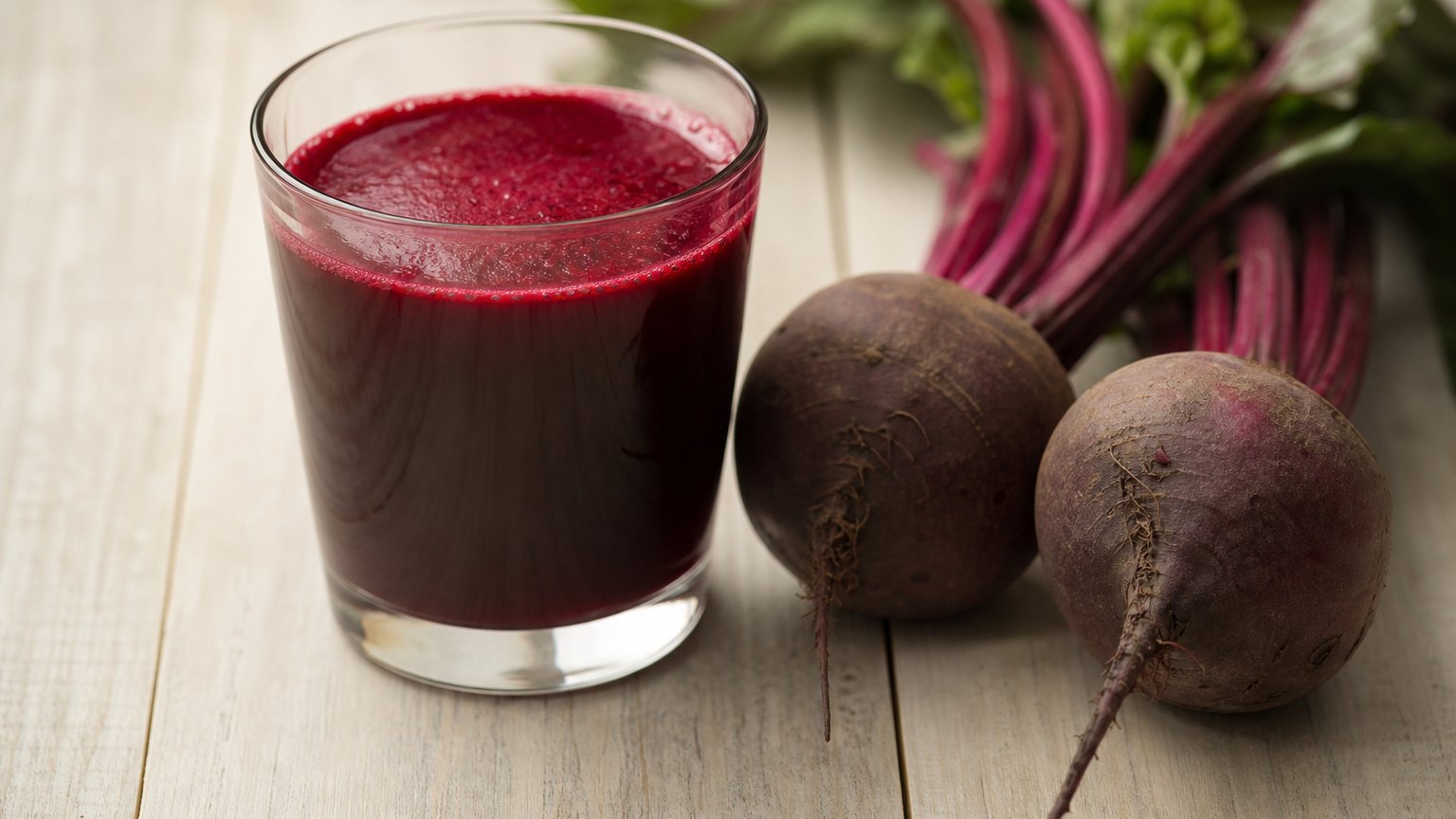
Beet juice for runners is most useful when it provides about 6-8 mmol of nitrate, taken roughly 2-3 hours before a race or demanding workout. Research suggests that several days of consistent use may produce more reliable results than one serving, although benefits are usually modest and vary by runner. Here is how to read the numbers, plan your timing, and avoid a common mouthwash mistake.
Key Takeaways
- Focus on nitrate content: Research commonly uses about 6-8 mmol, or roughly 372-496 mg, of dietary nitrate.
- Plan two to three hours ahead: Blood nitrite levels generally peak during this window, making it the practical target before running.
- Consider several loading days: Multi-day protocols tend to produce more consistent performance results than a single serving.
- Skip antibacterial mouthwash nearby: It can remove oral bacteria needed to begin converting nitrate into nitric oxide.
- Expect individual differences: Recreational runners often respond more than elite or highly trained athletes.
Why Nitrate Matters for Endurance
Beetroot naturally contains dietary nitrate. After you consume it, bacteria on your tongue convert some nitrate into nitrite. Your body then uses that nitrite to produce nitric oxide, a signaling molecule that helps blood vessels relax and supports blood flow to working muscles.
For runners, the most relevant outcome may be improved exercise efficiency. This is often called running economy, meaning how much oxygen and energy your body needs to maintain a certain pace. If your oxygen cost falls slightly, the same pace may feel more sustainable. Some runners may also last longer during hard, steady efforts.
Controlled research on dietary nitrate has found improvements in aspects of muscle efficiency and oxygen use. However, beet juice does not reliably increase VO2 max, the maximum amount of oxygen your body can use during intense exercise. A runner may perform a little better without showing a meaningful change in VO2 max.
The evidence is strongest for endurance and repeated high-intensity exercise. That makes beetroot more relevant to a 5K, 10K, tempo run, long interval session, or cycling workout than to an easy recovery jog. Even in favorable studies, improvements are generally small. Beet juice supports a training plan, but it cannot replace sleep, fueling, hydration, or consistent mileage.

Dietary nitrate from beetroot follows a multi-step pathway that supports nitric oxide production and blood flow during exercise.
How Much: The Numbers From Research
Most sports research measures the dose by nitrate, not by the total weight of beetroot. A common research range is approximately 6-8 mmol of nitrate. A millimole, abbreviated mmol, is a scientific unit that counts molecules. For nitrate, 6-8 mmol equals roughly 372-496 mg.
That distinction matters because 500 mg of nitrate is not the same as 500 mg of beetroot powder. Beetroot powder also contains fiber, carbohydrate, pigments, and other plant compounds. If a product lists only total beetroot weight, you cannot calculate its nitrate dose from that number alone.
The volume of juice is also inconsistent. A concentrated beetroot shot might supply a research-level nitrate amount in a small bottle, while regular juice may require a much larger volume. Fresh beets vary with the soil, season, storage, and processing. Look for a label that states nitrate in milligrams or millimoles, then follow its serving directions. A dose-response study found that moderate and higher nitrate doses increased blood nitrite, but taking more did not produce unlimited performance gains.
Test any juice or powder during training before using it on race day. Beetroot can cause stomach discomfort in some runners. It can also turn urine or stool pink or red. This harmless effect is called beeturia and is not usually a reason for alarm.
Talk to your doctor before using a supplement if you take prescription medication, are pregnant or breastfeeding, have a kidney or liver condition, or have another existing medical condition. Do not exceed label directions simply to copy a study.
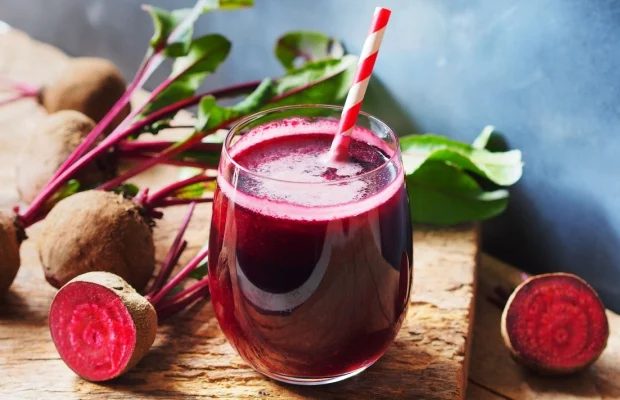
Nitrate content matters more than the total amount of beetroot or juice shown on the front of a package.
Timing Before a Run
The practical target is to take a nitrate-containing beet product about 2-3 hours before the start of your run. This allows time for oral bacteria to convert nitrate into nitrite and for nitrite to rise in the blood. Plasma nitrite, meaning nitrite measured in the liquid portion of your blood, commonly peaks around this period.
Work backward from your actual start time. For an 8:00 a.m. race, the target window would be approximately 5:00-6:00 a.m. For a 6:00 p.m. track session, it would be around 3:00-4:00 p.m. You do not need to hit an exact minute. Digestion, meals, product form, and individual biology all create some variation.
Beetroot is not a stimulant, so you should not expect a sudden burst of energy. The effect may show up as a slightly lower effort at a familiar pace or a stronger finish during a hard session. It may also be too subtle to feel.
Use one or two demanding training runs to test the schedule. Keep the route, effort, meal timing, and hydration reasonably similar. Do not make a goal race your first trial, especially if concentrated juice bothers your stomach.
For a closer look at how juice, powders, capsules, and gummies may differ, see how long beetroot takes to work. The key point for runners is simple: plan several hours ahead rather than drinking beet juice on the starting line.

Planning beetroot two to three hours before a demanding run allows time for blood nitrite to rise.
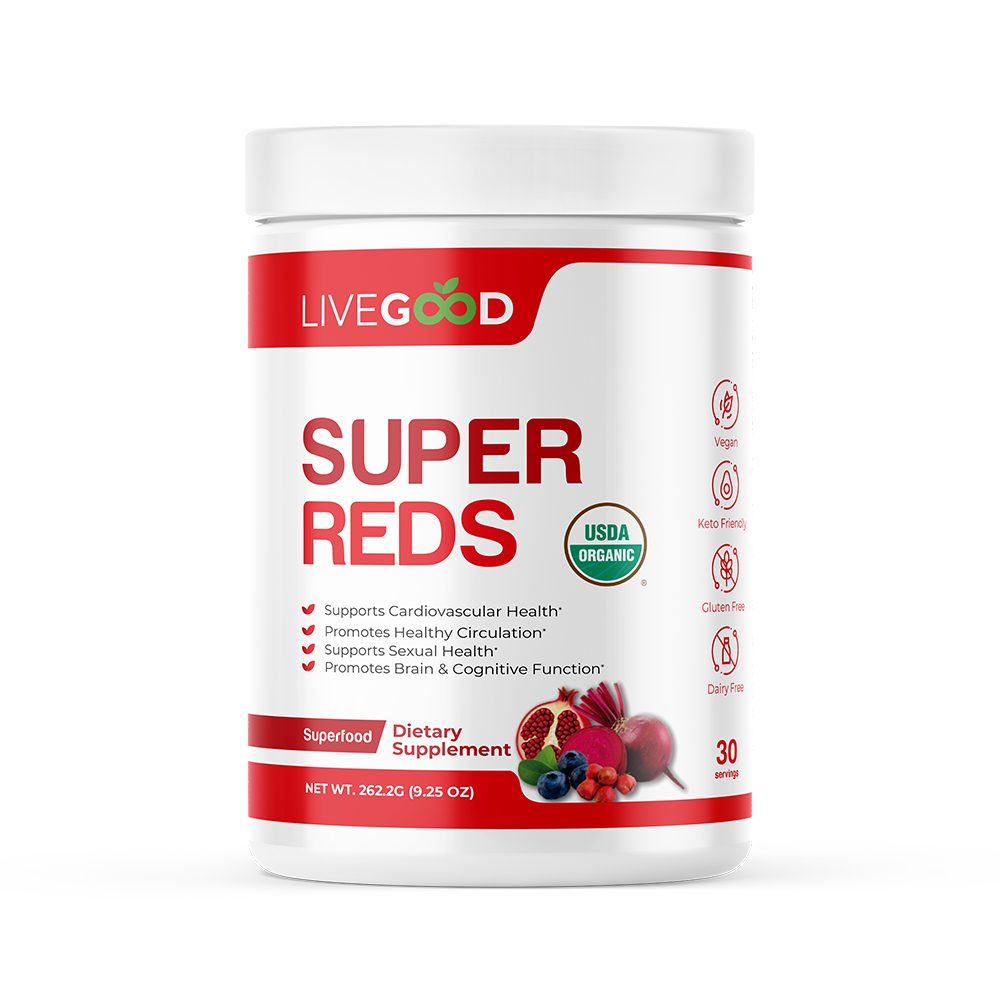
LiveGood Organic Super Reds is a great-tasting red fruit and vegetable extract powder that supports the body's production of nitric oxide and promotes healthy blood circulation. Mix it with water or a smoothie, and follow the label rather than assuming any powder matches a research nitrate dose. It is popular as a pre-workout or afternoon pick-me-up. Member pricing is $19.95, compared with $34.95 retail. Highest Quality. Lowest Prices. Every Day.
Loading vs a Single Dose
A single serving can raise blood nitrite and may support performance that day. However, research generally finds more consistent results when runners use nitrate for several days before an important effort. This approach is often called loading, which simply means taking the studied ingredient repeatedly before race day.
Many exercise studies use daily nitrate for roughly 3-7 days. Some run longer. A practical research-style schedule is a consistent daily serving, taken according to the product label, with the final serving about 2-3 hours before the race or key workout. This gives your body repeated exposure while still targeting the expected pre-run peak.
Why might loading work better? Nitrite availability can build over repeated servings, and several days give you more chances to establish a predictable routine. Loading also lets you discover digestive issues, taste fatigue, or scheduling problems before the event. It does not mean that increasingly large servings are better.
There is no strong reason for every runner to use beet juice before every easy run or throughout an entire training season. Research is more convincing for races and demanding sessions than for low-intensity mileage. Save it for workouts where a small efficiency benefit could matter, unless your dietitian recommends another plan.
Loading is not a shortcut around training. The likely benefit is measured in small percentages, not dramatic pace changes. Sleep, carbohydrate intake, heat preparation, and sensible pacing will usually have a larger effect on your race than any single supplement.
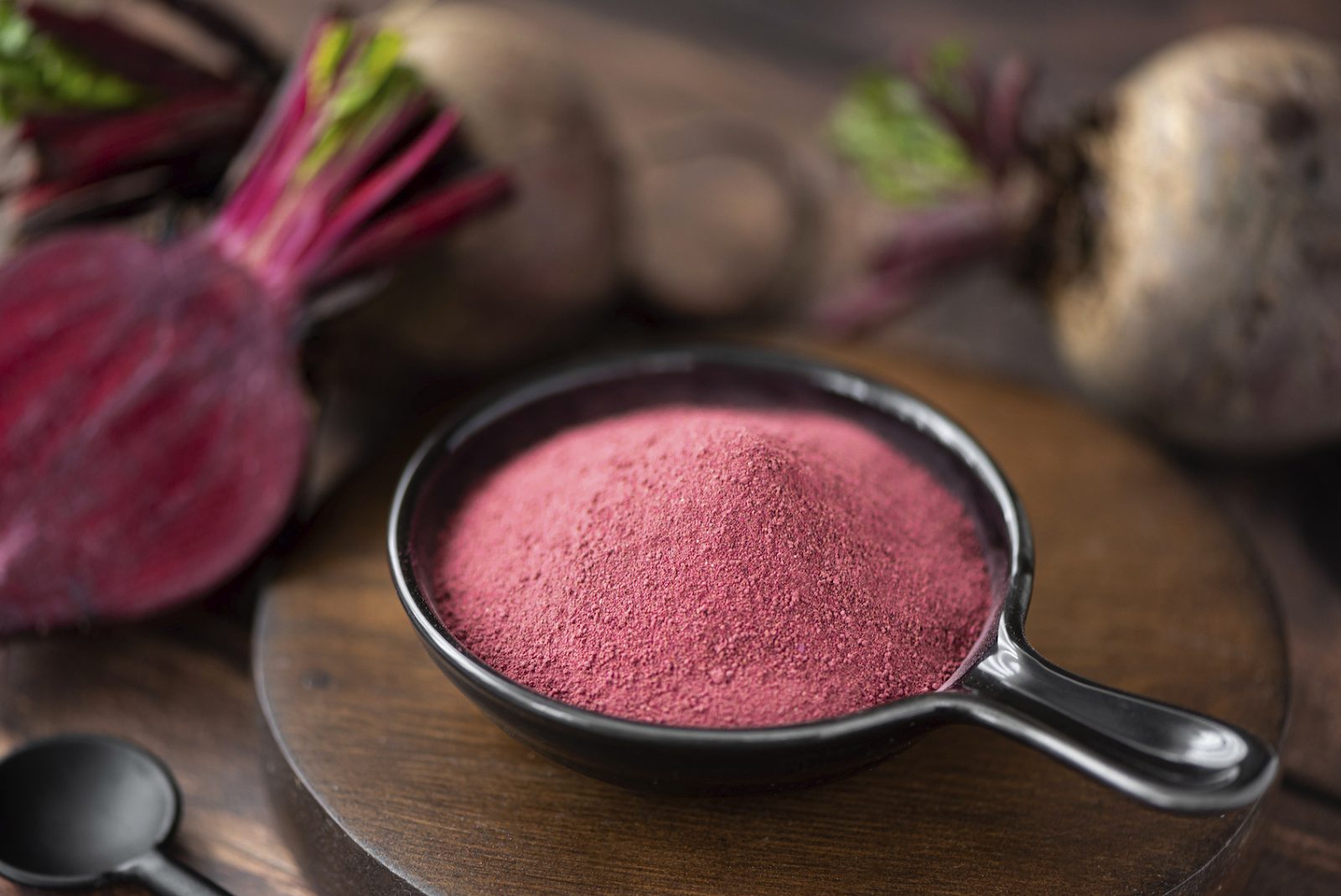
Several days of consistent use may produce a more reliable response than trying beetroot for the first time on race morning.
Why Mouthwash Undermines It
The first step in the nitrate pathway happens in your mouth, not your stomach. Bacteria living on the tongue convert nitrate from beetroot into nitrite. After you swallow that nitrite, your body can convert part of it into nitric oxide.
Antibacterial mouthwash can remove or suppress many of those bacteria. When that happens, less nitrate may become nitrite, so the increase in blood nitrite can be substantially reduced. In practical terms, a strong antiseptic rinse may blunt the response you were trying to create with beet juice.
If you are using beetroot around a race or hard workout, avoid routine antibacterial mouthwash close to the serving and during the main pre-run window. Ordinary tooth brushing does not create the same concern. You also do not need to hold beet juice in your mouth, swish it around, or delay swallowing it.
Do not stop a medically recommended mouth rinse on your own. If your dentist has prescribed one for an oral health condition, ask how to separate it from a beetroot supplement. Dental care matters more than a possible small exercise benefit.
This detail also helps explain why two runners can take the same labeled nitrate amount and get different results. Their oral bacteria may not process nitrate equally. Mouthwash use, tongue cleaning, diet, and the natural makeup of the oral microbiome, the community of organisms living in the mouth, can all influence the pathway.

Oral bacteria begin the nitrate conversion process, which is why antibacterial mouthwash can interfere with the response.
Who Responds Least
Elite and highly trained endurance athletes tend to show smaller and less consistent benefits than recreational runners. Their cardiovascular systems, muscles, and running economy are already highly adapted. They may also eat more nitrate-rich vegetables and have higher baseline nitric oxide availability, leaving less room for a supplement to create a measurable difference.
That does not mean beet juice never works for fast runners. It means the average effect is harder to detect, and some studies in well-trained athletes find little or no performance improvement. Recreational runners, especially those with more room to improve exercise efficiency, appear more likely to respond.
Your regular diet can matter too. Spinach, arugula, lettuce, celery, and beetroot all contain nitrate. If you already eat large amounts of nitrate-rich vegetables, one additional serving may have less noticeable impact. Oral bacteria, genetics, fitness, product nitrate content, and the type of workout also influence the result.
Avoid labeling yourself a responder or nonresponder after one run. Weather, sleep, stress, caffeine, hydration, and pacing can easily hide a small effect. Instead, compare several similar workouts. Track pace, heart rate, perceived effort, and how well you finish. Keep the rest of your routine as consistent as possible.
You may find a modest, repeatable benefit. You may also notice nothing. Both outcomes are plausible. Honest supplement use means measuring what happens for you, following the label, and keeping expectations proportional to the evidence. Consistency in training still matters far more than chasing a quick fix.
Recreational runners may notice a greater benefit than highly trained athletes, but individual results still vary.
Frequently Asked Questions
How much beet juice should runners drink?
Runners should focus on nitrate content rather than a universal juice volume. Studies often use about 6-8 mmol, equal to roughly 372-496 mg of nitrate, but juice concentration varies widely. Check the label for a standardized nitrate amount and follow its directions. Test the product during training, and do not increase the serving solely to match research without professional guidance.
When should you drink beet juice before running?
Drink a labeled beetroot serving approximately 2-3 hours before a race or demanding training session. This schedule aligns with the typical peak in blood nitrite. Work backward from your planned start time and test the routine before race day. Taking it immediately before running is less likely to give the nitrate pathway enough time to reach its main response.
How long does beetroot take to work?
Beetroot generally takes around 2-3 hours to reach its main exercise-related nitrate response. The exact timing can shift with meals, digestion, product form, and personal biology. Multi-day use may create a more consistent response than one serving, but you should not expect a stimulant-like sensation. Any performance difference may be subtle.
Does beetroot really improve running performance?
Beetroot can modestly improve endurance performance or exercise efficiency for some runners. Research is strongest for sustained and repeated high-intensity exercise, but results are not universal. It may reduce the oxygen cost of a given pace or help a runner maintain effort longer. Training, fueling, sleep, and pacing remain much more influential.
Does beetroot juice work for everyone?
Beetroot juice does not work equally well for everyone. Recreational runners often respond more than elite or highly trained athletes, whose bodies may already use oxygen very efficiently. Diet, oral bacteria, nitrate dose, mouthwash use, genetics, and workout type can also affect the outcome. Compare several similar training sessions before deciding whether it helps you.