
Beetroot Powder for Men: Benefits and How to Use It
 Written by Nauder Khazan
Ask AI about this article and Organic Super Reds





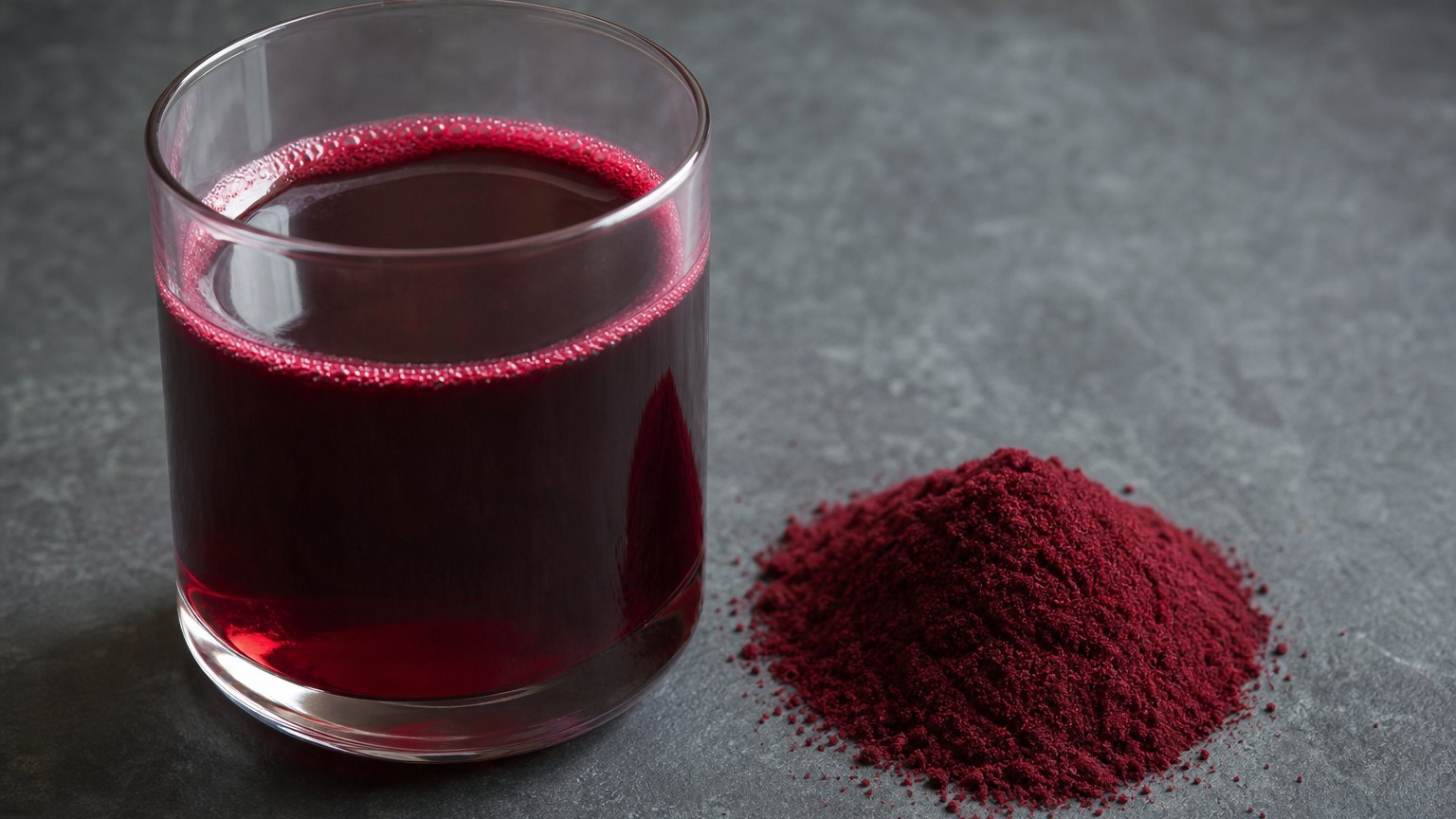
Beetroot powder may support nitric oxide production, healthy blood flow, and certain types of exercise performance in men. Its effects come mainly from dietary nitrate, not from a special male hormone effect. Here is how the pathway works, how to use beetroot powder, and where the evidence stops.
Key Takeaways
- Nitric oxide is the main story: Your body converts nitrate from beetroot into nitric oxide, which helps blood vessels relax and widen.
- Exercise benefits are usually modest: Research suggests possible improvements in endurance and exercise efficiency, but results vary.
- Timing matters for workouts: Taking a labeled serving about 2-3 hours before exercise matches the usual nitrate response window.
- Nitrate content matters most: A large amount of beetroot powder does not guarantee a meaningful amount of dietary nitrate.
- Sexual health claims are unproven: Blood flow is relevant to sexual function, but beetroot powder has not been shown to treat erectile dysfunction.
Nitrate and the Nitric Oxide Pathway
Beetroot contains dietary nitrate, a natural compound also found in leafy vegetables such as spinach and arugula. After you consume nitrate, your body begins a multistep conversion process.
First, nitrate enters your bloodstream and saliva. Bacteria in your mouth convert some of it into nitrite. After you swallow that nitrite, your body can convert it into nitric oxide. Nitric oxide is a signaling molecule, meaning it carries instructions between cells. One of its jobs is helping the smooth muscle in blood vessel walls relax. This allows the vessels to widen and supports blood flow.
This pathway explains why beetroot is studied for exercise, circulation, and cardiovascular wellness. It also explains why beetroot does not feel like caffeine. Nitric oxide does not directly stimulate your nervous system or create a sudden burst of energy. Any effect may feel subtle, such as maintaining a pace with slightly less effort.
Antibacterial mouthwash may reduce nitrate conversion because it removes some of the oral bacteria involved in the first step. You do not need to avoid normal dental care, but using a strong antibacterial rinse immediately around your beetroot serving could affect the pathway.
Men do not have a unique nitrate response. The same pathway operates in women. Interest among men often centers on training and circulation, but the basic biology is not male-specific.

Dietary nitrate from beetroot is converted through several steps into nitric oxide, a molecule that supports blood vessel relaxation.
Exercise Performance and Blood Flow
Research on beetroot suggests that nitrate may improve exercise efficiency, particularly during endurance activities. Exercise efficiency describes how much oxygen your body needs to produce a given amount of work. If efficiency improves, running, cycling, rowing, or repeated hard efforts may feel slightly more manageable.
The results are not universal. Benefits tend to be small, and they are more consistently reported during aerobic exercise than during maximal strength work. Recreationally active people may be more likely to respond than highly trained endurance athletes, whose bodies are already efficient. Your regular diet, fitness level, nitrate dose, workout type, sleep, and genetics can all influence the result.
For strength training, the evidence is mixed. Some studies report support for muscular endurance or repeated efforts, but beetroot should not be expected to raise your one-repetition maximum or replace a structured program. It also does not supply meaningful protein for muscle repair.
The blood flow connection is straightforward. Nitric oxide helps blood vessels relax, which can support circulation and the delivery of oxygen and nutrients during activity. Research has also examined changes in blood pressure, but beetroot powder should not be treated as a therapy for high blood pressure or cardiovascular disease.
Judge your response across several similar workouts. Track pace, repetitions, perceived effort, and recovery between intervals. One unusually good session may reflect better sleep or nutrition rather than beetroot alone.

Beetroot is commonly used before endurance exercise, although performance results vary by person, activity, and nitrate amount.
How Much and When
Start with the serving directions on your product label. Beetroot powders vary greatly in nitrate content, so a scoop size or total beetroot weight cannot tell you the full story. One product may disclose standardized dietary nitrate, while another may list only grams of beetroot powder.
In exercise research, commonly studied amounts provide roughly 5-9 millimoles of nitrate, or about 300-560 milligrams. This is research context, not a recommendation to copy a study dose. Do not take extra scoops simply to reach that range. Follow the label and talk to your doctor if you have an existing condition or take medication.
For exercise, 2-3 hours before training is a practical window. That gives your body time to absorb nitrate and move through the nitrate-to-nitrite-to-nitric-oxide pathway. Mix powder with water, or add it to a smoothie if you prefer the taste with fruit. A large smoothie may digest more slowly, so test your routine before an important event.
For general wellness, consistency is more useful than perfect timing. Morning or afternoon can both work. Choose a time you can maintain without upsetting your stomach. Beetroot is not a stimulant, despite sometimes being marketed as an energy product, so it should not create a caffeine-like jolt.
Try the labeled serving for several workouts before assessing it. Avoid changing your training, diet, sleep schedule, and supplement dose all at once. Consistency over quick fixes gives you a clearer view of whether it fits your routine.
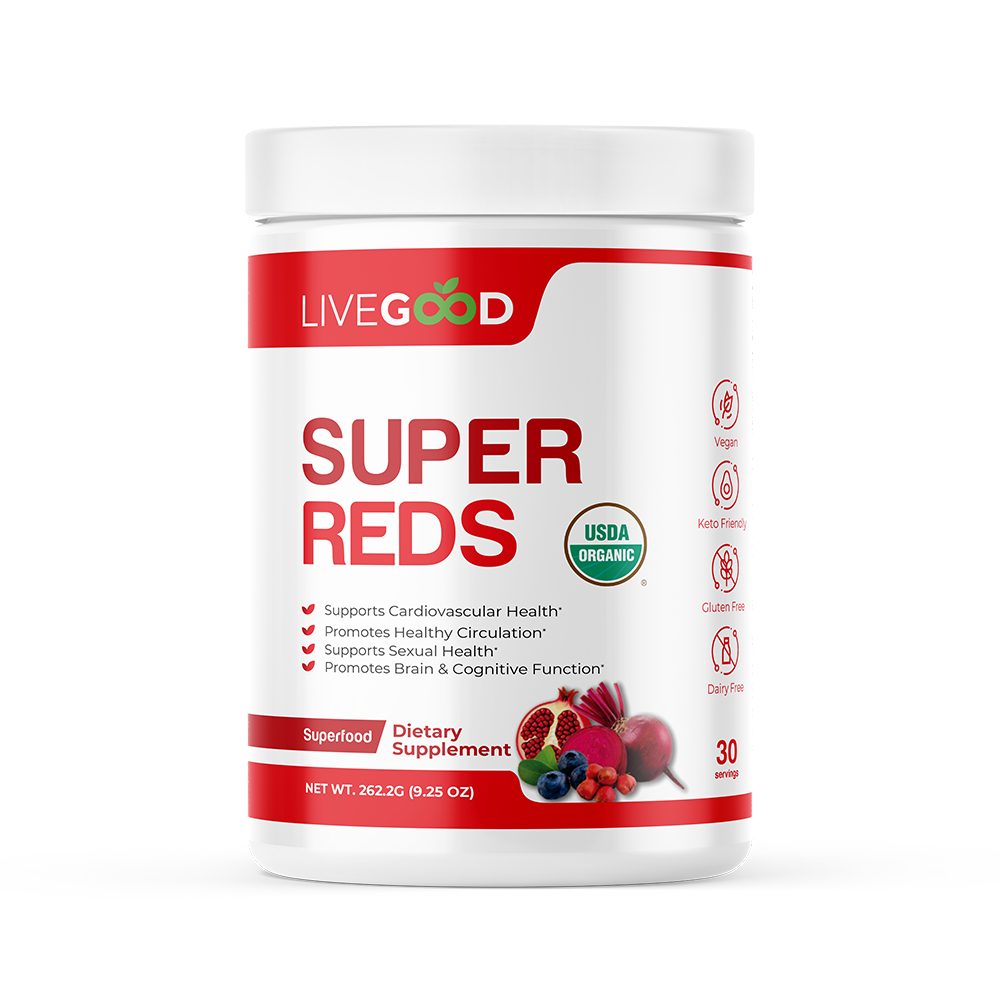
LiveGood Organic Super Reds is a great-tasting red fruit and vegetable extract powder designed to support the body's nitric oxide production and promote healthy blood circulation. Mix it with water or a smoothie according to the label, either before training or as an afternoon pick-me-up. It is $19.95 for members and $34.95 retail, supporting LiveGood's mission to "Provide the highest quality supplements in the world, at the lowest prices possible."
Powder vs Juice vs Whole Beets
Powder, juice, and whole beets can all contribute dietary nitrate, but they are not interchangeable serving for serving. Processing methods, beet variety, storage, and growing conditions can change nitrate levels. The most useful label is one that states how much nitrate a serving provides.
Beetroot powder is convenient and shelf-stable. It mixes easily into water or smoothies and is simpler to carry than bottled juice. However, the number of grams in a scoop reflects total powder weight, not nitrate alone. Some powders may provide much less nitrate than products standardized to a stated amount.
Beetroot juice is the form used in many exercise studies. Concentrated shots can provide a known nitrate amount in a small serving, although they may cost more per use. Regular beet juice can contain natural sugar and may require a larger volume than a concentrated shot.
Whole beets provide fiber, folate, potassium, and other plant compounds. They are an excellent food, but their nitrate content is harder to predict. Eating whole beets also takes longer to digest than drinking juice or a powder mixed with water. That does not make them inferior. It simply makes exact pre-workout timing less predictable.
Capsules can be convenient, but the same label rule applies. A high beetroot milligram count does not necessarily mean a high nitrate dose. Choose based on disclosed nitrate content, serving directions, taste, cost, and what you can use consistently, not claims that one form is automatically strongest.
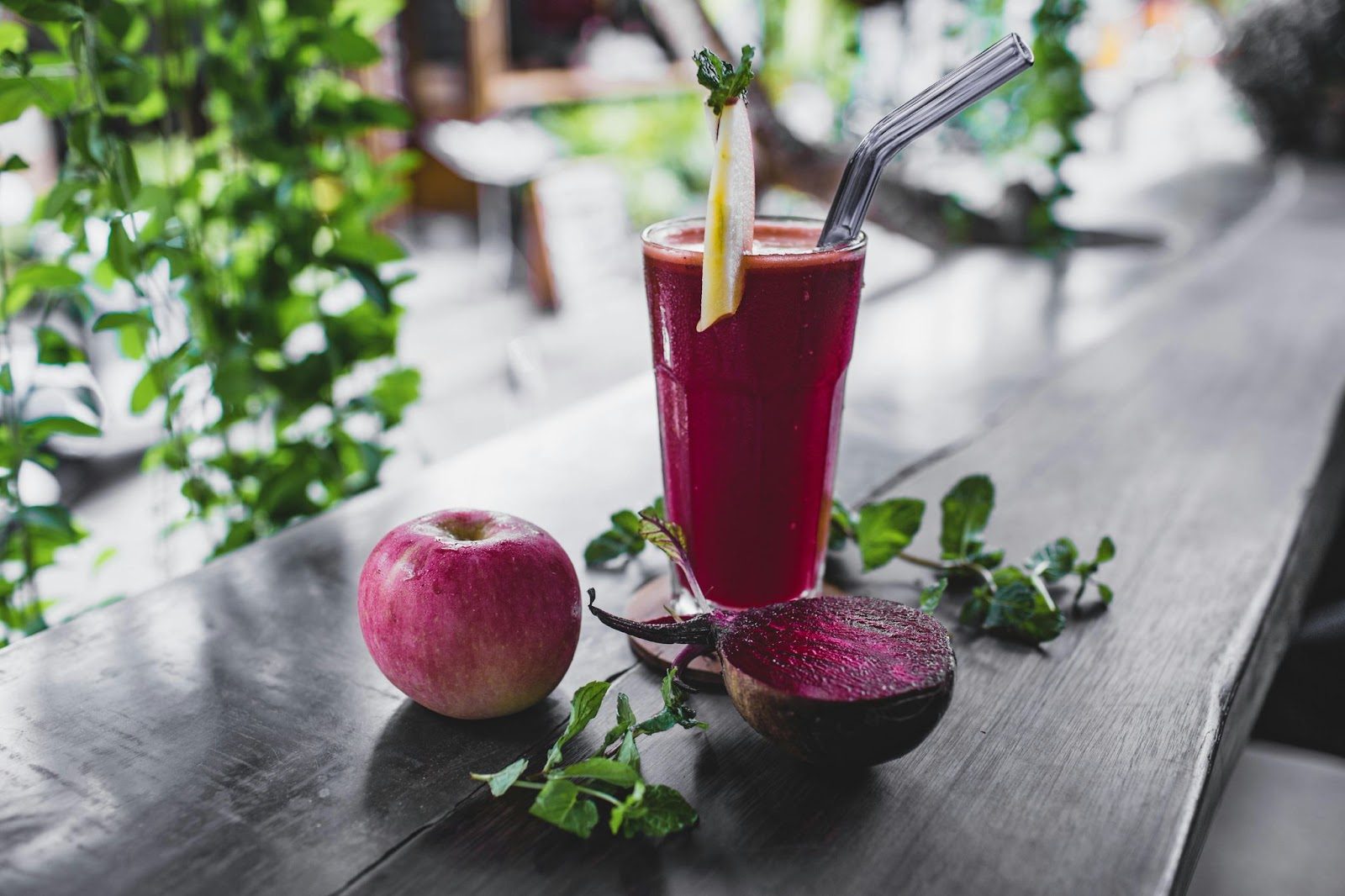
Powder, juice, and whole beets can all provide nitrate, but their concentration and convenience differ.
Who Should Be Careful
Beetroot foods and powders are generally well tolerated, but concentrated products deserve the same care as other dietary supplements. The most noticeable harmless effect is beeturia, which means pink or red urine after eating beets. Stool can also appear reddish. This color change usually comes from beet pigments, not blood. If the discoloration persists, occurs without beet intake, or comes with pain or other symptoms, contact a doctor.
Digestive effects can include nausea, gas, cramping, or loose stools. Starting with the labeled serving, rather than adding extra scoops, may reduce discomfort. Check the complete ingredient list if you are using a flavored blend because sweeteners, fibers, or other extracts may also affect digestion.
Talk to your doctor before using beetroot powder if you take medication for blood pressure or prescription nitrate medication, such as nitroglycerin or isosorbide. Combining products that affect blood vessel tone may cause unwanted effects such as dizziness or lightheadedness. Do not change or stop prescribed medication to use a supplement.
You should also speak with your doctor if you are pregnant or breastfeeding, have kidney or liver disease, have an existing medical condition, or are preparing for surgery. Beets contain oxalates, compounds that may matter for some people with a history of certain kidney stones.
Stop using the product and seek care for signs of an allergic reaction, fainting, severe dizziness, trouble breathing, or persistent digestive symptoms. A supplement should fit safely around your medical care, not compete with it.
Beetroot may temporarily turn urine or stool red, an usually harmless effect caused by natural beet pigments.
What It Will Not Do
Beetroot powder is not a testosterone booster. Current evidence does not show that it meaningfully raises testosterone, corrects male hormone problems, or increases sperm count. It has also not been shown to increase penis size or girth. Claims that promise these results go far beyond the research.
The sexual health discussion requires similar care. Erections depend partly on nitric oxide and healthy blood flow, so beetroot and erectile function involve a shared biological pathway. That connection is scientifically interesting, but it is not proof that beetroot powder improves libido or treats erectile dysfunction. Clinical evidence directly testing beetroot for sexual function is limited.
Erectile dysfunction is a medical issue, not simply a supplement problem. It can sometimes be an early warning sign of cardiovascular disease, diabetes, medication effects, or another health concern. If you have new, recurring, or worsening erectile difficulties, see your doctor rather than trying to manage the issue with beetroot powder alone.
Beetroot powder also will not replace sleep, regular movement, strength training, cardiovascular exercise, or a balanced diet. It does not build muscle without training and adequate protein. It is not a stimulant, fat burner, or instant energy fix.
Think of beetroot as optional support for a healthy routine. The strongest evidence concerns the nitrate pathway, blood flow, and modest exercise effects. Honest expectations make it easier to decide whether the convenience and potential benefit are worthwhile for you.
Frequently Asked Questions
What does beetroot powder do for men?
Beetroot powder supplies dietary nitrate that may support nitric oxide production, healthy blood flow, and exercise efficiency in men. Some people use it before endurance training or repeated high-effort exercise. It does not have a proven male-specific hormone effect, and current evidence does not support claims that it raises testosterone or treats sexual dysfunction.
How much beetroot powder should you take?
Take the serving listed on your beetroot powder label because nitrate concentration varies widely among products. Exercise research often studies about 300-560 milligrams of dietary nitrate, but that is not the same as total powder weight. Do not add scoops to imitate a study. Ask your doctor for individual guidance if you use medication or have a medical condition.
Does beetroot powder help circulation?
Beetroot powder may support healthy circulation by providing nitrate that the body converts into nitric oxide. Nitric oxide helps blood vessels relax and widen, allowing blood to move more easily. The effect depends on the nitrate content and your individual response. Beetroot is not a treatment for high blood pressure, heart disease, or erectile dysfunction.
When should you take beetroot powder?
Take beetroot powder about 2-3 hours before exercise if your goal is workout support. This timing matches the typical rise in nitrate-related activity after a serving. For general wellness, use it at a consistent time that suits your routine. Follow the label, and avoid testing a new product immediately before a race or demanding workout.
Are there side effects of beetroot powder?
Beetroot powder can cause red or pink urine, called beeturia, along with reddish stool or mild digestive discomfort. These color changes are usually harmless. Talk to your doctor before use if you take blood pressure or nitrate medication, are pregnant or breastfeeding, have kidney or liver concerns, or live with another medical condition.