
Magnesium and Stress: What the Research Shows
 Written by Nauder Khazan
Ask AI about this article and Ultra Magnesium Complex






Magnesium helps support a normal stress response by participating in nerve signaling, muscle function, and the systems that regulate stress hormones. Low magnesium and ongoing stress may reinforce each other, but supplements have not been shown to reliably lower cortisol in healthy people. Here is what the mechanisms and human trials actually tell us.
Key Takeaways
- Magnesium supports stress regulation: It participates in brain signaling, muscle function, and the body's hormonal stress system.
- Cortisol claims need caution: Taking magnesium has not been proven to reliably lower cortisol in healthy adults.
- Human evidence is limited: Some trials report better stress scores, but study quality, designs, and results vary.
- No form is proven best: Glycinate is popular for tolerability, but direct stress-related comparisons are lacking.
- Consistency matters most: Correcting a low intake may take time, and magnesium is not an instant calming medication.
How Magnesium Fits Into the Stress Response
Magnesium is an essential mineral involved in hundreds of processes throughout your body. Several of those processes help nerves communicate, muscles contract and relax, and cells produce energy. These basic jobs help explain why magnesium is connected to the way your body responds to pressure.
When you encounter a stressor, your brain activates the hypothalamic-pituitary-adrenal axis, usually shortened to the HPA axis. This is the communication system connecting your brain, pituitary gland, and adrenal glands. It helps release cortisol and other hormones that prepare you to respond. Magnesium participates in this system, but it does not simply switch stress or cortisol off.
One proposed mechanism involves NMDA receptors. These receptors respond to glutamate, a stimulating brain messenger. Magnesium normally sits within the receptor's channel and helps prevent excessive activation when a nerve cell is at rest. This is one way the mineral contributes to balanced nerve signaling. It is not evidence that a supplement will immediately make you feel calm.
Magnesium is also involved in signaling related to GABA, a brain messenger that reduces nerve activity. Researchers sometimes describe glutamate as an accelerator and GABA as a brake. That is a useful picture, although the real biology is more complex than an on-and-off switch.

Magnesium contributes to the nerve and muscle processes involved in the body's normal response to everyday stress.
Stress may also increase magnesium loss through urine, while low magnesium status may make the stress system more reactive. A peer-reviewed review describes this as a possible magnesium and stress cycle. The relationship is plausible, but it does not mean stress automatically causes a deficiency or that magnesium alone resolves ongoing stress.
Does Magnesium Lower Cortisol?
Magnesium is involved in the biological pathways that regulate cortisol, but that is different from proving that a magnesium supplement lowers cortisol. At present, the evidence is limited and mixed, especially for healthy people who already consume enough magnesium.
Cortisol is often called the stress hormone, but it is not harmful by default. You need it to regulate energy, blood sugar, immune activity, and your sleep-wake rhythm. Levels normally rise toward morning and fall later in the day. Exercise, illness, poor sleep, food, medications, and even the time of testing can change a cortisol result.
This makes cortisol research difficult to interpret. Studies have used different magnesium forms, amounts, treatment periods, and populations. Some enrolled people with low magnesium, high reported stress, medical conditions, or intense physical training. Others combined magnesium with vitamin B6 or additional interventions. A result from one of those groups cannot automatically be applied to a healthy adult taking magnesium glycinate.

Cortisol naturally changes throughout the day, which makes supplement research difficult to interpret.
A few studies have reported changes in cortisol or other stress-related hormones, while others have found little or no clear effect. The trials are not consistent enough to conclude that magnesium, including magnesium glycinate, reliably lowers cortisol. There is also no magnesium form proven to be the best cortisol-lowering option.
If you are considering magnesium because a test showed unusually high or low cortisol, talk to your doctor. A supplement should not be used to interpret or correct an abnormal hormone result without medical guidance. Persistent fatigue, major sleep changes, chronic stress, or ongoing anxiety also deserve a broader medical evaluation rather than a cortisol-focused quick fix.
What the Human Trials Actually Found
Human research is more encouraging for self-reported stress than it is for cortisol. Even then, the evidence is not conclusive. Self-reported stress is usually measured with a questionnaire that asks how tense, overwhelmed, or unable to cope someone has felt. That is meaningful, but it is not the same as a hormone measurement or a medical diagnosis.
A systematic review of magnesium for subjective stress and anxiety examined 18 studies. Many reported some improvement, particularly among people who were more vulnerable to stress or had low magnesium status. However, the authors emphasized that the studies were often small, used different methods, and had quality limitations. They described the evidence as suggestive, not definitive.
One frequently discussed eight-week trial enrolled 264 adults with low blood magnesium and severe self-reported stress. Participants received either 300 mg of magnesium or magnesium combined with vitamin B6. Stress scores fell substantially in both groups. The combination produced a larger change in a subgroup with the highest starting stress, but there was no placebo-only group. Without a placebo, researchers could not determine how much of the improvement came from magnesium rather than time, expectations, or other changes.

Human trials have reported promising stress-score changes, but study limitations prevent firm conclusions.
Other limited trials have tested different forms, doses, and combinations. Results vary, and many studies do not enroll generally healthy adults with adequate magnesium intake. This matters because someone who starts with a low intake may have more room to benefit than someone whose magnesium status is already sufficient.
The fair conclusion is that magnesium may support a normal stress response, especially when intake is low. Research does not establish it as a treatment for anxiety, depression, or chronic stress, and it should not replace professional care for those conditions.
Which Form People Choose for This
No magnesium form has been proven superior for stress in a strong head-to-head clinical trial. Your practical choice should focus on elemental magnesium, digestive tolerance, label directions, and whether you can use the product consistently.
Magnesium glycinate combines magnesium with glycine, an amino acid used to build proteins and other compounds. It is popular because many people find it gentle on the digestive system. You may see claims that glycine makes it uniquely calming, but current trials do not show that magnesium glycinate reliably lowers cortisol or outperforms every other form for stress.
Magnesium gluconate is magnesium attached to gluconic acid. It dissolves well and is another option for people seeking an absorbable form. Magnesium citrate is also well absorbed, although it may loosen stools. Magnesium oxide contains a high percentage of magnesium by weight, but less may be absorbed, and it is more likely to have a laxative effect.
Check the Supplement Facts panel for elemental magnesium. This is the amount of magnesium the serving actually provides, and it can be much lower than the total weight of the full compound. More is not automatically better. Follow the label directions, and remember that the adult upper limit is 350 mg per day from supplements and medications unless your doctor recommends otherwise. Magnesium naturally present in food does not count toward this limit.
Food remains a useful foundation. Pumpkin seeds, almonds, beans, whole grains, spinach, and other leafy greens provide magnesium along with fiber and additional nutrients. A supplement can help fill a gap, but it does not replace regular meals, adequate sleep, movement, or other daily stress-supporting habits.
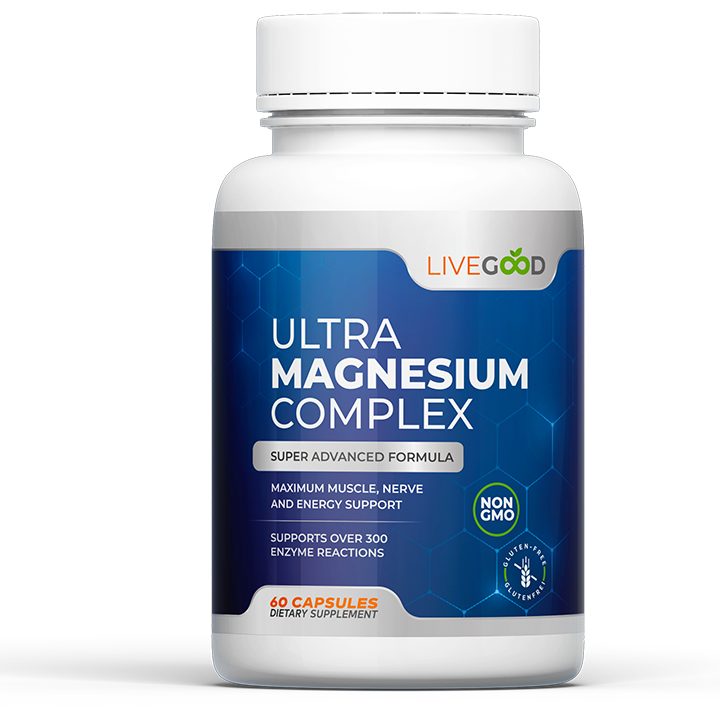
If you want a simple supplement option, Ultra Magnesium Complex is LiveGood's number one seller. It is formulated with the two most bioavailable forms of magnesium, magnesium glycinate and magnesium gluconate, to support relaxation and a normal stress response. Magnesium participates in more than 300 biochemical reactions each day, and most people do not get enough, even on a balanced diet. Follow the label directions. It is $9.95 for members versus $19.95 retail, helping make everyday wellness more accessible.
Realistic Expectations and Timing
Magnesium is not a sedative, and you should not expect an immediate wave of calm. If your intake has been low, restoring a more adequate intake may support normal nerve and muscle function over time. Some people report subtle changes within several days, while others need a few weeks or notice no obvious difference.
Trials that found changes in stress questionnaires generally assessed regular use over several weeks, not a single serving. The eight-week study discussed above is one example. Its 300 mg amount describes the research protocol, not a personal dosing recommendation. Follow your product's label, and do not exceed the adult supplemental upper limit of 350 mg per day unless your doctor advises you to do so.
Choose a time you can maintain. Some people take magnesium in the evening because it fits their bedtime routine. Others take it with breakfast or dinner. Evening use is not proven to lower cortisol more effectively. Taking magnesium with food may help if it causes stomach discomfort, but you should follow the specific label directions.
A consistent routine gives you a better way to assess magnesium than judging a single serving.
Evaluate the routine rather than one stressful afternoon. For two to four weeks, you might track sleep consistency, muscle tension, digestive effects, and how overwhelmed you feel during comparable situations. Many factors affect stress, so avoid crediting every good or bad day to a supplement.
Magnesium can interact with prescription medicines, including certain antibiotics and osteoporosis drugs. Talk to your doctor before using it if you take prescription medication, are pregnant or breastfeeding, have kidney or liver problems, or have any existing medical condition. Kidney problems are particularly relevant because the kidneys remove excess magnesium. If chronic stress or persistent anxiety is disrupting your sleep, work, relationships, or daily life, talk to your doctor rather than relying on a supplement alone.
Frequently Asked Questions
How does magnesium help with stress?
Magnesium supports the body's normal stress response through nerve signaling, muscle function, and regulation of the HPA axis. It also participates in NMDA receptor activity and signaling related to GABA, which help balance stimulating and calming nerve messages. These roles explain the connection, but they do not make magnesium an instant stress treatment.
Does magnesium lower cortisol?
Magnesium has not been shown to reliably lower cortisol in healthy people. Some studies report changes in cortisol or related stress markers, while others do not. Differences in participants, magnesium status, supplement forms, and study designs make the findings difficult to compare. Magnesium glycinate is not proven to be a cortisol-lowering supplement.
Which magnesium is best for stress?
No form is conclusively best for stress. Magnesium glycinate is commonly chosen because it is generally well tolerated, while gluconate and citrate are also absorbable options. Compare elemental magnesium amounts and follow the label directions. Unless your doctor advises otherwise, adults should not exceed 350 mg per day from supplements and medications.
How long does magnesium take to work for stress?
Magnesium may take several days or weeks to evaluate, particularly if you began with a low intake. Human trials usually measure stress scores after repeated daily use rather than one serving. Some people feel no distinct change, even when magnesium is supporting normal body functions. Give a consistent routine time and keep expectations modest.
Can you take magnesium every day for stress?
Most healthy adults can take magnesium daily when they follow the product label and stay within the 350 mg per day supplemental upper limit. Food sources do not count toward that limit. Talk to your doctor first if you use prescription medication, are pregnant or breastfeeding, have kidney or liver problems, or have another medical condition.