
CBD Roll-Ons: What the Strength Number Means
 Written by Nauder Khazan
Ask AI about this article and CBD Pain Relief Cream





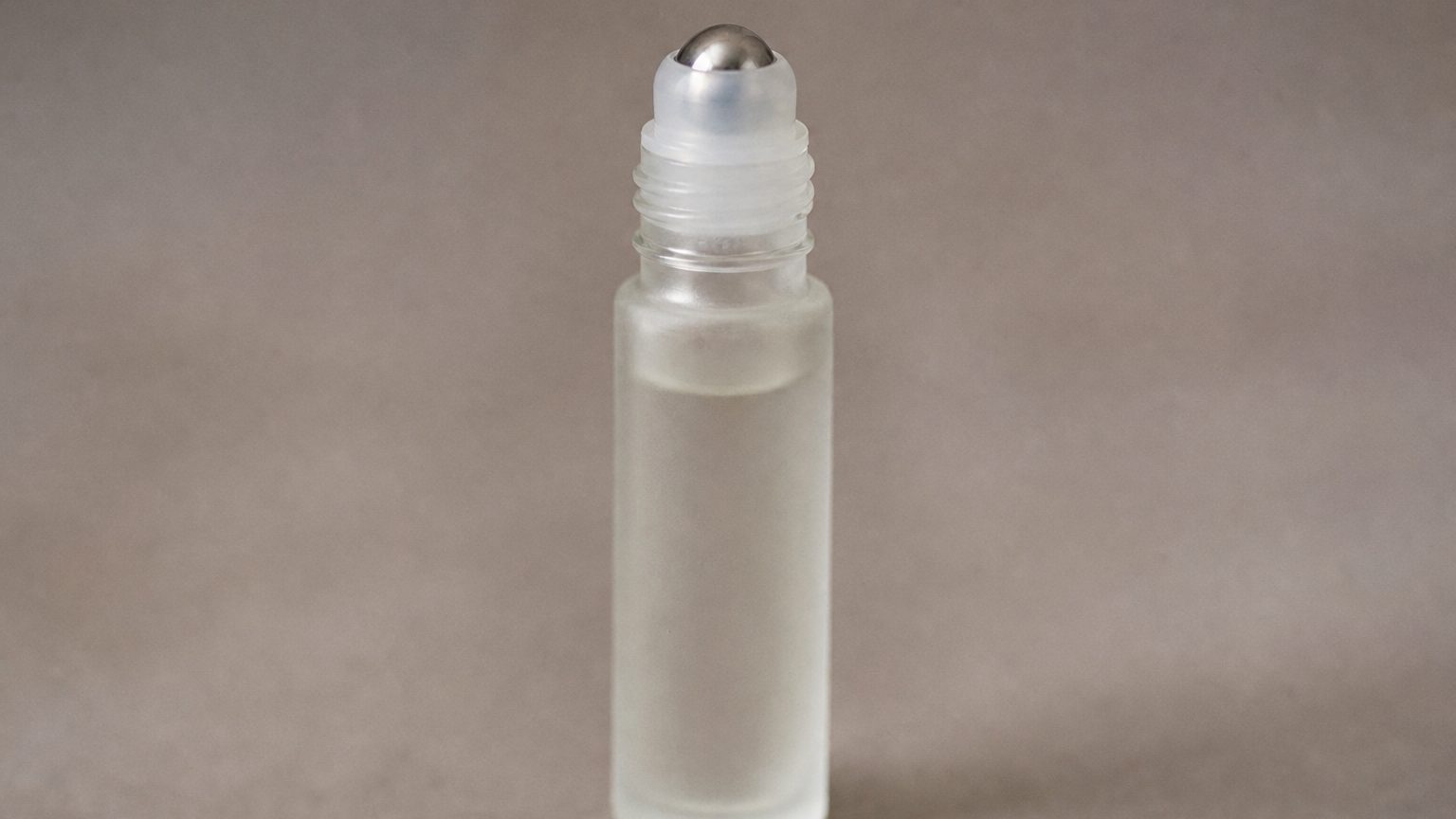
A CBD roll-on labeled 5000mg usually contains 5,000 milligrams of CBD in the entire container, not in each application. To understand how strong it really is, you need the bottle size, the ingredient list, and a current lab report. Here is how to read those details without getting pulled in by a large number alone.
Key Takeaways
- Read 5000mg as a total: The number normally describes all the CBD in the container, not the amount delivered with one swipe.
- Calculate the concentration: Divide total CBD by the bottle's milliliters to estimate milligrams per milliliter.
- Do not assume stronger is better: Bottle size, application amount, other ingredients, and skin tolerance all matter.
- Expect mainly local exposure: Ordinary topicals stay mostly in the skin and nearby tissue rather than entering the bloodstream in meaningful amounts.
- Verify the laboratory results: A batch-specific certificate of analysis can reveal CBD, THC, and contaminant test results.
What the Milligram Number Describes
On most CBD roll-ons, 5000mg means there are 5,000 milligrams of CBD across the whole bottle. It is similar to a beverage bottle listing the total amount of an ingredient inside. It does not mean that every roll of the applicator puts 5,000 milligrams on your skin.
The front label may not tell the full story. Check whether the number refers specifically to CBD, total hemp extract, or a combination of cannabinoids. Cannabinoids are naturally occurring compounds from hemp, including CBD, CBG, and THC. A product advertised as 5000mg may sometimes contain 5,000 milligrams of CBD and CBG combined rather than 5,000 milligrams of CBD alone.
Container size changes what that total means. A 5,000mg formula in a small bottle is more concentrated than the same total in a much larger bottle. Concentration tells you how much CBD is present in a set amount of liquid, usually one milliliter. That makes concentration more useful than the front-label total when comparing products.
You also cannot determine an exact amount per application from the total alone. Rollerballs do not dispense a standardized serving. The amount transferred depends on how long you roll, how many passes you make, the formula's thickness, and the applicator design. Unless a company has tested and clearly disclosed output per pass, claims about CBD per swipe are only estimates.
Treat 5000mg as the beginning of your label review, not the conclusion. Next, find the bottle volume and identify exactly which ingredient the number describes.
Working Out Concentration
To estimate concentration, divide the total milligrams of CBD by the volume in milliliters:
CBD concentration = total CBD in mg / container volume in mL
Suppose a roll-on contains 5,000mg of CBD in 50mL. Divide 5,000 by 50, and you get 100mg of CBD per milliliter. If another 5,000mg product comes in an 89mL bottle, which is approximately 3 fluid ounces, its concentration is about 56mg per milliliter.
| Container | Total CBD | Approximate concentration |
|---|---|---|
| 30mL | 5,000mg | 167mg/mL |
| 50mL | 5,000mg | 100mg/mL |
| 89mL | 5,000mg | 56mg/mL |
| 118mL | 5,000mg | 42mg/mL |
This comparison shows why the largest milligram number is not automatically the most concentrated choice. A 3,000mg product in a 30mL bottle provides 100mg per milliliter, the same concentration as 5,000mg in 50mL.
Some labels use grams by weight instead of milliliters by volume. In that case, calculate milligrams of CBD per gram of product. Do not treat grams and milliliters as identical unless the manufacturer provides the formula's density, which describes how much a given volume weighs.
Concentration still does not reveal how much reaches your skin with each use. A measured milliliter is much more than many rollerballs release in a few passes. Follow the label directions rather than trying to convert a research dose or another product's directions into a personal application schedule. More product may simply increase residue, fragrance, or skin irritation without producing a more useful experience.
Topical CBD Acts Locally
A standard CBD roll-on is designed for topical use, meaning you apply it to the skin. Most of its CBD remains in the outer skin and nearby tissue. It does not ordinarily reach the bloodstream in meaningful amounts when applied to intact skin. That is different from swallowing CBD oil, which exposes the whole body after digestion.
Topical and transdermal are not interchangeable terms. A transdermal product is specifically engineered to move an ingredient through the skin and into circulation, often with specialized carriers or a patch. A normal roll-on should not be assumed to provide transdermal delivery unless the manufacturer has evidence for that formulation.
Research on topical CBD is still early. Studies are generally small, use different formulas, and do not establish that a 5000mg roll-on treats pain, arthritis, inflammation, strains, or muscle soreness. Many products also contain menthol or camphor, so the cooling or warming sensation you notice may come mainly from those ingredients. Our overview of CBD cream for pain relief offers more context on evaluating these mixed formulas without assuming CBD is responsible for every sensation.
CBD can affect CYP450 enzymes, a group of liver enzymes that processes many medications. This interaction is better established with swallowed CBD because it produces greater bloodstream exposure. You can think of it as similar to a grapefruit warning, although the specific interaction depends on the medicine. Topical exposure is lower, but anyone taking prescription medication should ask a doctor before use. Do the same during pregnancy or breastfeeding, or if you have liver, kidney, skin, or other existing medical conditions.
Epidiolex is the one FDA-approved prescription medicine containing CBD. Its approval for specific seizure disorders does not establish the effectiveness of nonprescription roll-ons or other CBD supplements.
What Else Is in a Roll-On
CBD may receive the largest number on the package, but it is only one part of most roll-on formulas. The other ingredients often determine the smell, texture, skin feel, and immediately noticeable sensations.
Menthol creates a cooling sensation by activating temperature-sensitive receptors in the skin. Camphor can feel cooling or warming. These ingredients are often the most actively sensed parts of a topical, even when CBD is featured more prominently on the front label. Wintergreen and peppermint may add aroma and a cooling character. Aloe vera, oils, waxes, or water-based gels form the base that helps the rollerball move across the skin.
Botanicals such as arnica, calendula, or eucalyptus are also common. Their presence does not prove that the finished formula treats a health condition. Research on one isolated ingredient cannot automatically be applied to a multi-ingredient commercial product, especially when amounts are not disclosed.
Check the complete ingredient list if you have sensitive skin or fragrance allergies. Test a small area first according to the label. Do not apply a roll-on to broken or irritated skin, near the eyes, or inside the mouth. Wash your hands if the formula could be transferred to your face, children, or pets. Follow any label warnings about heating pads, tight bandages, or repeated application, particularly when menthol or camphor is present.
Finally, identify the CBD type. Isolate contains CBD without intentionally included THC. Broad-spectrum extract contains multiple hemp compounds with THC removed to a stated testing threshold. Full-spectrum extract can contain trace THC. These categories are useful, but the laboratory report matters more than the marketing term because manufacturing and labeling accuracy vary.
Checking the Certificate of Analysis
A certificate of analysis, commonly called a COA, is a laboratory report for a product or ingredient batch. Independent testing has repeatedly found that some CBD products contain more or less CBD than their labels claim. Some also contain unexpected THC or contaminants. A COA does not guarantee effectiveness, but it helps you check whether the contents resemble the label.
Start with the batch or lot number. It should match the number printed on your container. A report for a different product, an old batch, or bulk CBD material does not verify the finished roll-on in your hand. Check the testing date and confirm that the laboratory is identified. Ideally, the lab should be independent of the seller and accredited for the methods used.
Then review these areas:
- Cannabinoid potency: Look for measured CBD per milliliter, per gram, or per container. Multiply the measured concentration by the container size to see whether it reasonably approaches the label claim.
- THC results: Check delta-9 THC and any other THC forms reported. If avoiding THC matters, look for a result marked not detected rather than relying only on the words broad-spectrum or THC-free.
- Contaminants: A useful finished-product report may include heavy metals, pesticides, residual solvents, and microbial contamination such as bacteria, yeast, or mold.
- Units and limits: Not detected means the amount was below the laboratory's reporting limit. It does not always mean absolute zero.
A QR code is convenient, but it is not evidence by itself. Follow it and inspect the actual document. Be cautious if the company posts only a potency summary, hides the batch information, or will not provide contaminant results. Once the CBD amount, concentration, THC status, ingredient list, and COA all make sense together, you are in a much better position to compare products on value rather than headline milligrams.
If you prefer a cream for covering a broader area, CBD Pain Relief Cream is a full 4-ounce topical scientifically formulated for ingredient synergy with organic aloe vera, menthol, camphor, peppermint, wintergreen, arnica, calendula, and nano CBD/CBG. Menthol and camphor provide noticeable cooling and warming sensations, while the cream supports a simple targeted self-care routine. One container can last for months depending on use. It is $17.95 for members and $24.95 retail, reflecting "Highest Quality. Lowest Prices. Every Day."
Frequently Asked Questions
What does 5000mg mean on a CBD roll-on?
It usually means the entire roll-on contains 5,000 milligrams of CBD, not that you receive 5,000 milligrams each time you apply it. Confirm that the number refers to CBD rather than total hemp extract or combined cannabinoids. Then divide the CBD amount by the bottle's milliliters to calculate concentration and compare it fairly with other container sizes.
Is a higher mg CBD roll-on better?
No, a higher total milligram number does not automatically make a CBD roll-on better. Concentration, bottle size, verified contents, skin tolerance, and other active ingredients all affect the product experience. A smaller bottle with fewer total milligrams may be equally concentrated. Because evidence for topical CBD remains limited, a high number also does not guarantee stronger or more reliable results.
Does topical CBD enter your bloodstream?
Ordinary CBD topicals generally do not enter the bloodstream in meaningful amounts when used on intact skin. They remain mostly in the skin and nearby tissue. Transdermal products are different because they are engineered for systemic absorption. If you take prescription medication, ask your doctor before using CBD because swallowed CBD has known CYP450 interaction concerns and topical formulations can vary.
Will a CBD roll-on show on a drug test?
A CBD roll-on is unlikely to trigger a drug test, but the risk is not zero. Full-spectrum products can contain trace THC, and mislabeled products may contain more THC than expected. Standard topicals have low systemic absorption, yet testing consequences can be serious. If you are tested, choose a batch with THC listed as not detected on its COA or avoid cannabinoid products.
How often can you apply a CBD roll-on?
Apply a CBD roll-on only as often as its label directs. Formulas differ in CBD concentration and may contain menthol, camphor, essential oils, or other ingredients that can irritate skin when overused. Start with the labeled amount, test a small area, and stop if redness or burning develops. Ask a doctor first if you use prescriptions, are pregnant or breastfeeding, or have a medical condition.