
Hydrolyzed Collagen Peptides: What to Look For
 Written by Nauder Khazan
Ask AI about this article and Collagen Peptides





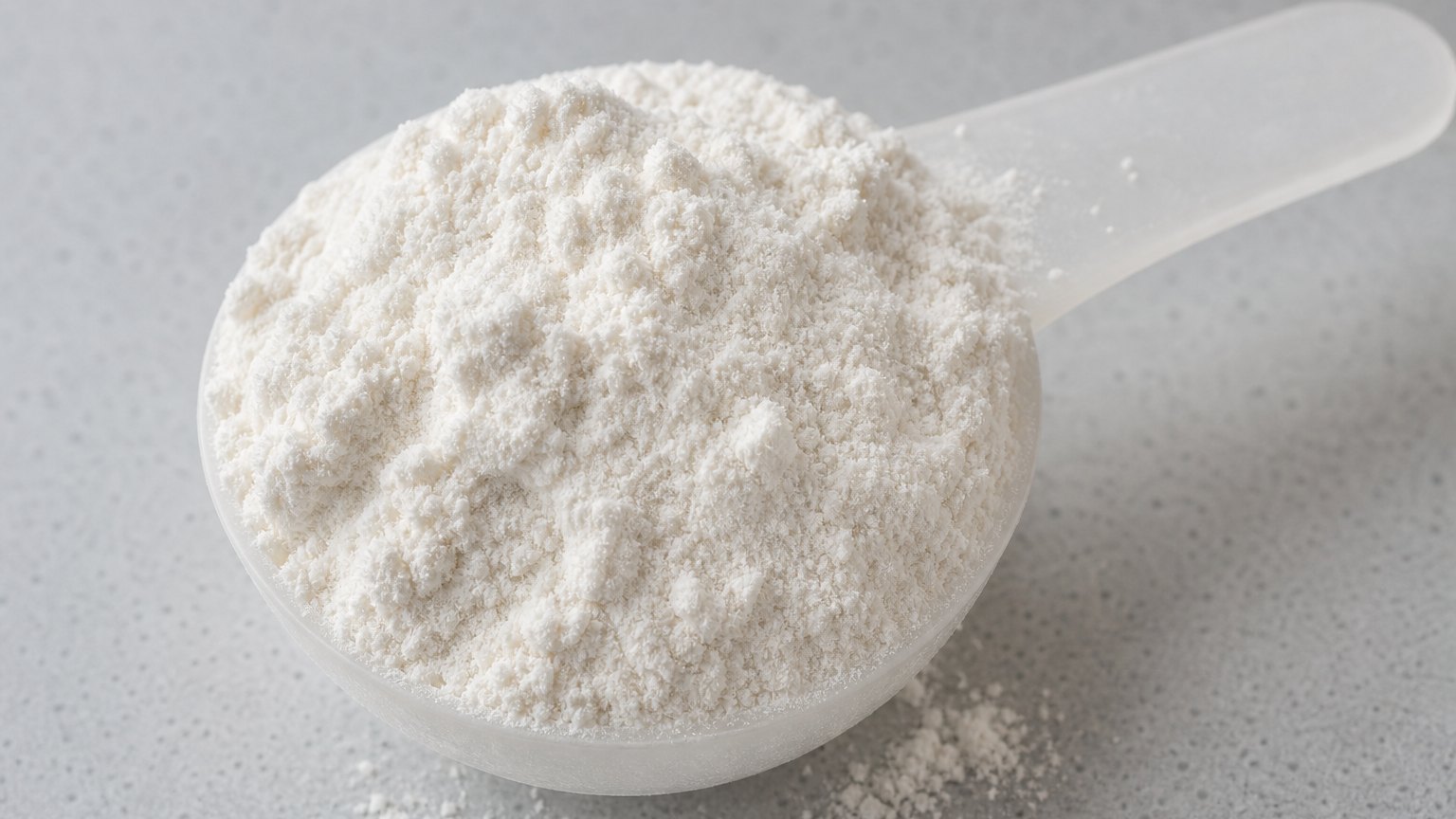
Hydrolyzed collagen peptides are collagen proteins broken into smaller pieces so they dissolve easily and are more available during digestion. When choosing one, check the collagen source, types, molecular weight in Daltons, serving size, and independent testing, not just claims on the front of the container.
Key Takeaways
- Hydrolysis makes collagen smaller: Enzymes break long collagen proteins into shorter peptides that are easier to dissolve and digest.
- Collagen types come from different sources: Bovine collagen usually supplies Types I and III, marine collagen is mostly Type I, and chicken cartilage is commonly used for Type II.
- Molecular weight adds useful context: A disclosed average in Daltons can help you compare products, but the lowest number is not automatically the best.
- Testing and sourcing matter: Look for a named animal source, allergen information, traceability, and independent checks for purity and contaminants.
- Consistency beats quick fixes: Skin-related research often lasts 8 to 12 weeks, while joint, bone, and body composition measures may require several months.
What Hydrolyzed Means
Collagen is a large structural protein made from long chains of amino acids. These chains wind together in a strong triple-helix shape. That structure works well in skin, bone, tendons, cartilage, and other connective tissues, but intact collagen is not especially soluble or convenient as a supplement.
Hydrolysis uses water, controlled heat, and usually enzymes to cut those long chains into shorter fragments called peptides. The process does not create a new kind of collagen. It changes the protein's size and physical behavior. Hydrolyzed collagen mixes more readily into liquids, does not form a firm gel, and gives digestive enzymes smaller pieces to work on.
Hydrolysis produces peptides of different lengths. Digestion then breaks many of them down further into free amino acids, dipeptides made from two amino acids, and tripeptides made from three. Some collagen-related dipeptides and tripeptides, including fragments containing hydroxyproline, can survive digestion and appear in the bloodstream. This gives them an absorption advantage over a large, intact collagen molecule.
That does not mean collagen travels directly to your skin or joints. Your body uses the absorbed amino acids wherever they are needed. Researchers have proposed that certain small peptides may also act as signals involved in collagen production, but that peptide-signalling hypothesis is plausible rather than fully settled. Collagen supplies useful amino acids, especially glycine, proline, and hydroxyproline, but it is not a complete protein because it lacks enough of every essential amino acid.
Peptides vs Gelatin vs Intact Collagen
Collagen peptides, gelatin, and intact collagen begin with the same structural protein. Their processing and kitchen behavior are different, which affects how you use them.
| Form | How it is processed | What it does in liquid | Common use |
|---|---|---|---|
| Intact collagen | Minimal breakdown of the original protein structure | Poorly soluble | Food casings, medical materials, and specialized products |
| Gelatin | Collagen is partially broken down with heat and water | Dissolves when warm and gels as it cools | Desserts, capsules, sauces, and cooking |
| Hydrolyzed collagen peptides | Collagen is broken into much shorter peptide chains | Dissolves in hot or cold liquid and does not gel | Powders, drinks, capsules, and gummies |
Gelatin is digestible, so hydrolyzed collagen is not the only form your body can process. Your digestive system can break both forms into smaller pieces. The practical advantage of peptides is that much of the size reduction has already occurred. They are easier to mix, and their smaller fragments are more likely to include dipeptides and tripeptides that can remain intact during absorption.
Powder usually makes it easier to deliver several grams without taking many capsules. Pills can be convenient, but compare the total collagen per full serving and the number of pills required. Gummies often contain less collagen because space is needed for sweeteners, flavors, and gelling ingredients. The best format is the one that supplies a clearly stated amount and fits a routine you can maintain.
Types I, II and III
A collagen type describes the protein's structure and where it is commonly found in the body. It does not guarantee that a supplement will be delivered to that same tissue. After digestion, your body decides how to use the amino acids and absorbed peptides.
| Collagen type | Common roles in the body | Typical supplement sources |
|---|---|---|
| Type I | Provides structure in skin, bone, tendons, ligaments, teeth, hair, and nails | Bovine hide, fish skin, fish scales, and porcine skin |
| Type II | Is a major structural component of cartilage | Chicken sternum cartilage and other animal cartilage |
| Type III | Helps support flexible tissues, including skin, blood vessels, and organs | Bovine hide and porcine sources, often alongside Type I |
Bovine collagen peptides commonly provide Types I and III, making them a practical general-purpose choice. Marine collagen is usually rich in Type I and may suit someone who avoids beef or pork, although it is not suitable for people with fish allergies. Porcine collagen also tends to supply Types I and III.
Type II requires closer label reading. Hydrolyzed Type II collagen has been broken into peptides and functions as a protein ingredient. Undenatured Type II retains more of its original structure and is used in much smaller amounts. These forms are not interchangeable, and research on one should not be applied automatically to the other.
No animal collagen is vegan. Products marketed as vegan collagen generally provide nutrients intended to support the body's own collagen production rather than collagen itself. Whatever source you choose, confirm the species, allergen statement, and whether the source fits your dietary or religious preferences.
Molecular Weight and Absorption
Molecular weight tells you how heavy a molecule or peptide is. It is measured in Daltons, abbreviated Da. One Dalton is approximately the mass of one hydrogen atom. A kilodalton, written kDa, equals 1,000 Daltons.
Intact collagen has a very high molecular weight, commonly around 300,000 Da for the full triple-helix molecule. Hydrolysis cuts it into a broad mixture of much smaller peptides. Many commercial collagen peptide ingredients report an average molecular weight of a few thousand Daltons. A dipeptide or tripeptide is smaller still, often only a few hundred Daltons depending on its amino acids.
Smaller peptides generally dissolve more easily and need less digestive breakdown than intact collagen. However, a label showing 2,000 Da is not automatically superior to one showing 3,000 or 5,000 Da. A powder contains a distribution of peptide sizes, not identical particles. Digestion, the specific peptide sequence, dose, formulation, and the person's physiology also affect what reaches the bloodstream.
If a company publishes molecular weight, look for an average or range rather than a vague statement such as "ultra low molecular weight." Ideally, the number should come from testing of the finished ingredient or a documented ingredient specification. You can also ask which laboratory method was used.
Treat molecular weight as one quality clue, not a score. Human research on the specific peptide ingredient, transparent sourcing, and contaminant testing may tell you more than a race toward the smallest advertised number.
What to Check on a Label
Start with the Supplement Facts panel, then check the ingredient list and manufacturer website. Front-label phrases such as "premium," "beauty collagen," or "advanced absorption" do not tell you enough to compare formulas.
Use this checklist:
- Source and species: Look for bovine hide, marine or fish collagen, porcine collagen, or chicken cartilage. "Animal collagen" is less informative. Marine products should identify fish as an allergen.
- Collagen types: Types I and III commonly come together in bovine peptides. Type II usually requires a cartilage source. Be cautious if a product claims Types I, II, and III without naming sources.
- Amount per serving: Compare grams of actual collagen, not the total weight of a flavored scoop. Powders usually provide more collagen per serving than capsules or gummies.
- Molecular weight: A disclosed average or range in Daltons is useful. There is no universally proven cutoff that makes one product best for everyone.
- Third-party testing: Look for testing by an independent laboratory for identity, microbes, heavy metals, and other relevant contaminants. A certificate of analysis tied to the product's lot is stronger than an unexplained "lab tested" statement.
- Added ingredients: Check sweeteners, flavors, sodium, allergens, and any active ingredients added to the formula. Every extra ingredient should have a clear purpose and amount.
- Traceability: A transparent company should be able to explain where its collagen comes from and where the finished supplement is made.
Collagen is derived from common allergens in some formulas, and mild digestive discomfort or an unpleasant taste can occur. Talk to your doctor before use if you take prescription medication, including citalopram, or if you are pregnant, breastfeeding, managing a kidney or liver condition, or living with another medical condition. Follow the product label rather than increasing the serving to match a study.
LiveGood Collagen Peptides provides hydrolyzed Types I and III collagen and is the first and only collagen product that also includes Velositol, Polynol, and ApresFlex. The formula supports skin elasticity, hair and nail growth, joint function, muscle and bone structure, and healthy weight management. It is $29.95 for members versus $49.95 retail, reflecting LiveGood's mission to "Provide the highest quality supplements in the world, at the lowest prices possible."
Realistic Timelines
Collagen is a daily nutrition supplement, not an instant cosmetic or exercise product. If it supports a noticeable change for you, that change is more likely to develop over weeks or months than after one serving.
Studies of hydrolyzed collagen for skin hydration or elasticity often run for about 8 to 12 weeks. Some participants show modest improvements, but results vary by age, diet, product, dose, and study design. Research is not uniformly positive, and many trials are small or funded by ingredient manufacturers. Hair research is especially limited, while nail findings come from a small evidence base.
Studies examining activity-related joint comfort commonly last three to six months. These findings do not mean collagen treats arthritis or another joint disease. If you have persistent pain, swelling, reduced movement, or an injury, seek medical care rather than relying on a supplement.
Bone structure and body composition change slowly. Research in these areas often combines months of supplementation with resistance exercise or other lifestyle measures. Collagen is not a complete protein, so it should not replace complete protein sources when your goal is muscle maintenance or growth. Adequate total protein, vitamin C, energy intake, sleep, and progressive resistance training still matter.
Choose one or two outcomes you can track, such as nail breakage, skin dryness, or comfort during a repeated activity. Use the label-directed serving consistently for the study period you set, then decide whether the cost and routine feel worthwhile. Some people notice a subtle difference, while others notice none. Honest evaluation is more useful than assuming every new feeling came from the supplement.
Frequently Asked Questions
What are hydrolyzed collagen peptides?
Hydrolyzed collagen peptides are short protein fragments created by breaking animal collagen down with water and enzymes. Their smaller size helps them dissolve and makes them easier to digest than intact collagen. Digestion converts most into amino acids, dipeptides, and tripeptides. Some very small peptides may enter the bloodstream intact, although your body does not send them exclusively to skin, joints, or any other tissue.
Is hydrolyzed collagen better than regular collagen?
Hydrolyzed collagen is generally more practical than intact collagen because it dissolves easily and has already been reduced to smaller peptides. Gelatin and other dietary proteins can still be digested, so "better" does not guarantee better results for every person. Product quality, serving amount, consistent use, sourcing, and testing are more meaningful than the word "hydrolyzed" by itself.
Which type of collagen should you take?
Choose the type based on its source, your dietary needs, and the formula studied for your goal. Bovine peptides usually contain Types I and III, marine collagen is mainly Type I, and chicken cartilage commonly supplies Type II. Type labels do not direct collagen to a particular body part. Avoid sources that conflict with your allergies, dietary preferences, or medical guidance.
How much collagen per day?
Take the amount listed on your product label unless your doctor recommends otherwise. Human studies often examine servings ranging from a few grams to around 10 grams of hydrolyzed collagen daily, but amounts differ by ingredient and outcome. More is not necessarily more effective, and collagen should not replace complete dietary protein. Ask your doctor about an appropriate serving if you have a medical condition.
How long does collagen take to work?
Collagen usually requires at least 8 to 12 weeks of consistent use before skin-related changes can be evaluated. Research involving joint comfort, bone structure, or body composition may continue for three months or longer. Results are often modest, and some people notice no clear difference. Keep diet, activity, and other routines reasonably consistent so you can judge the supplement fairly.