
Liver Health and Supplements: What to Know
 Written by Nauder Khazan
Ask AI about this article and Factor4 - Advanced Inflammation Management





Liver inflammation is a medical finding, not a general wellness state, and no dietary supplement is proven to treat it. In fact, supplements can sometimes cause liver injury, including products marketed for detox or liver support. Here is how to approach the research, the real drivers of liver trouble, and your next conversation with a doctor.
Key Takeaways
- Start with the cause: Alcohol use, excess liver fat linked to metabolic health, viral hepatitis, medications, and supplements can all injure the liver.
- Treat supplements cautiously: Green tea extract and certain multi-ingredient herbal products have been connected with documented liver injury.
- Expect mixed evidence: Research on milk thistle, curcumin, omega-3s, vitamin E, garlic, and CoQ10 does not support using them as general liver treatments.
- Prioritize proven steps: Medical evaluation, appropriate blood tests, limiting alcohol, gradual weight management, regular activity, and treatment of the underlying cause matter most.
- Bring every bottle: Your doctor needs a complete list of supplements, teas, powders, medications, and over-the-counter products to assess possible causes and interactions.
Liver Inflammation Is a Medical Finding
Liver inflammation means the liver is reacting to injury. You may hear the term hepatitis, which simply means inflammation of the liver. Viral infections can cause hepatitis, but so can alcohol, excess fat in liver cells, autoimmune disease, medications, and dietary supplements.
The finding is not always straightforward. Blood tests such as ALT and AST measure enzymes released when liver cells are stressed or damaged. High results can point toward liver injury, but they do not identify the cause by themselves. Imaging may show excess liver fat, a blocked bile duct, or signs of scarring. In some cases, a specialist may recommend a biopsy, which examines a tiny tissue sample.
Many people have no early symptoms. Others notice fatigue, nausea, discomfort under the right ribs, dark urine, pale stool, itching, or yellow skin and eyes. Yellowing is called jaundice. Confusion, severe abdominal swelling, vomiting blood, or extreme sleepiness requires urgent medical care.
This is why an abnormal liver test should not become a search for a detox supplement. The useful next step is finding out what is causing the abnormality. Alcohol exposure, body weight and metabolic health, viral hepatitis, prescription drugs, and supplement use all deserve a direct review with your doctor.
Abnormal liver tests need medical evaluation because symptoms alone cannot reveal the underlying cause.
Supplements Are a Common Cause of Liver Injury
Dietary supplements are a recognized cause of drug-induced liver injury, a term that includes liver damage linked to medicines, herbs, and supplements. Most people who use supplements will not experience this problem. Still, the risk is real, and an herbal label does not guarantee that a product is gentle on the liver.
Concentrated green tea extract has been associated with documented cases of liver injury. Risk has also been reported with some weight-loss, bodybuilding, detox, and multi-herb products. The difficult inversion is that certain herbal blends connected with injury are marketed specifically for liver cleansing or liver health.
A product can become hard to evaluate when it contains many ingredients or uses a proprietary blend that does not disclose each amount. Concentrated extracts may expose you to much more of a plant compound than food or brewed tea would. Contamination, ingredient substitutions, medication interactions, and taking several overlapping products can add uncertainty.
If liver tests become abnormal after you start a supplement, contact your doctor promptly. Do not restart a suspected product to see whether the reaction happens again. Re-exposure can occasionally cause a faster or more serious reaction. At the same time, do not stop an essential prescription medicine unless the prescribing clinician tells you to do so.
Supplements also cannot make alcohol harmless. If alcohol may be contributing to liver injury, adding a liver support capsule does not cancel that exposure. Give your doctor an honest estimate of how much and how often you drink so you can receive useful advice rather than judgment.
Herbal, detox, weight-loss, and multi-ingredient supplements should be included in every liver safety review.
What the Research on Popular Ingredients Shows
Popular ingredients often have an appealing biological theory, such as antioxidant activity in a laboratory. That is not the same as showing a meaningful benefit for people with liver disease. Human trials are often small, short, or limited to changes in blood markers.
Milk thistle contains compounds collectively called silymarin. It has a long history of liver-related marketing, but clinical studies have not consistently shown that it improves liver function or disease outcomes. Product composition also varies. It should not replace evaluation or prescribed care.
Curcumin is a component of turmeric. Small studies have examined liver enzymes and metabolic markers, but formulations and results differ. Concentrated turmeric or curcumin supplements have also been linked to rare cases of liver injury. That makes self-treatment especially unwise when your liver tests are already abnormal.
Omega-3 fatty acids are nutrients found in fish and some plant foods. Research related to metabolic liver disease is mixed. They may have a separate role in nutrition or cardiovascular care, but they are not a treatment for liver inflammation. Garlic and CoQ10 have also been studied for antioxidant or metabolic measures, yet there is not enough reliable clinical evidence to recommend either as liver therapy.
Vitamin E has been studied under medical supervision in selected people with metabolic liver disease. It is not appropriate for everyone and can create risks, including bleeding concerns at higher supplemental intakes. The Mayo Clinic overview of supplements and fatty liver disease likewise emphasizes that supplements cannot cure the condition or replace healthy habits.

Research on popular liver supplement ingredients remains mixed, and biological promise does not prove a clinical benefit.
What Actually Helps the Liver
The most effective plan depends on why the liver is being injured. That may sound less exciting than a detox, but it gives you a real path forward.
If alcohol is a factor, reducing or stopping it can remove an ongoing source of liver injury. Some people should avoid alcohol completely, especially when they have diagnosed liver disease or take certain medications. Ask your doctor what is appropriate for you. Do not rely on a supplement before or after drinking to protect the liver.
When excess liver fat is tied to insulin resistance or body weight, gradual and sustainable weight management is usually the focus. Insulin resistance means the body has trouble responding normally to insulin, the hormone that manages blood sugar. Regular walking, strength training, fiber-rich foods, vegetables, whole grains, beans, fish, and other minimally processed foods can support metabolic health. Crash diets and rapid weight loss are not the goal.
Viral hepatitis requires testing and, in some cases, antiviral treatment. Autoimmune liver disease, blocked bile ducts, and inherited conditions need their own medical plans. If a medication or supplement is suspected, a clinician can help decide what to stop, replace, or monitor.
Skip products promising to flush toxins or repair the liver quickly. Your liver already processes and removes many substances. What helps most is reducing harmful exposure, treating the actual cause, and following changes in blood tests over time. Consistency beats a short cleanse.

Regular movement, balanced meals, appropriate alcohol limits, and medical care support a practical liver health plan.
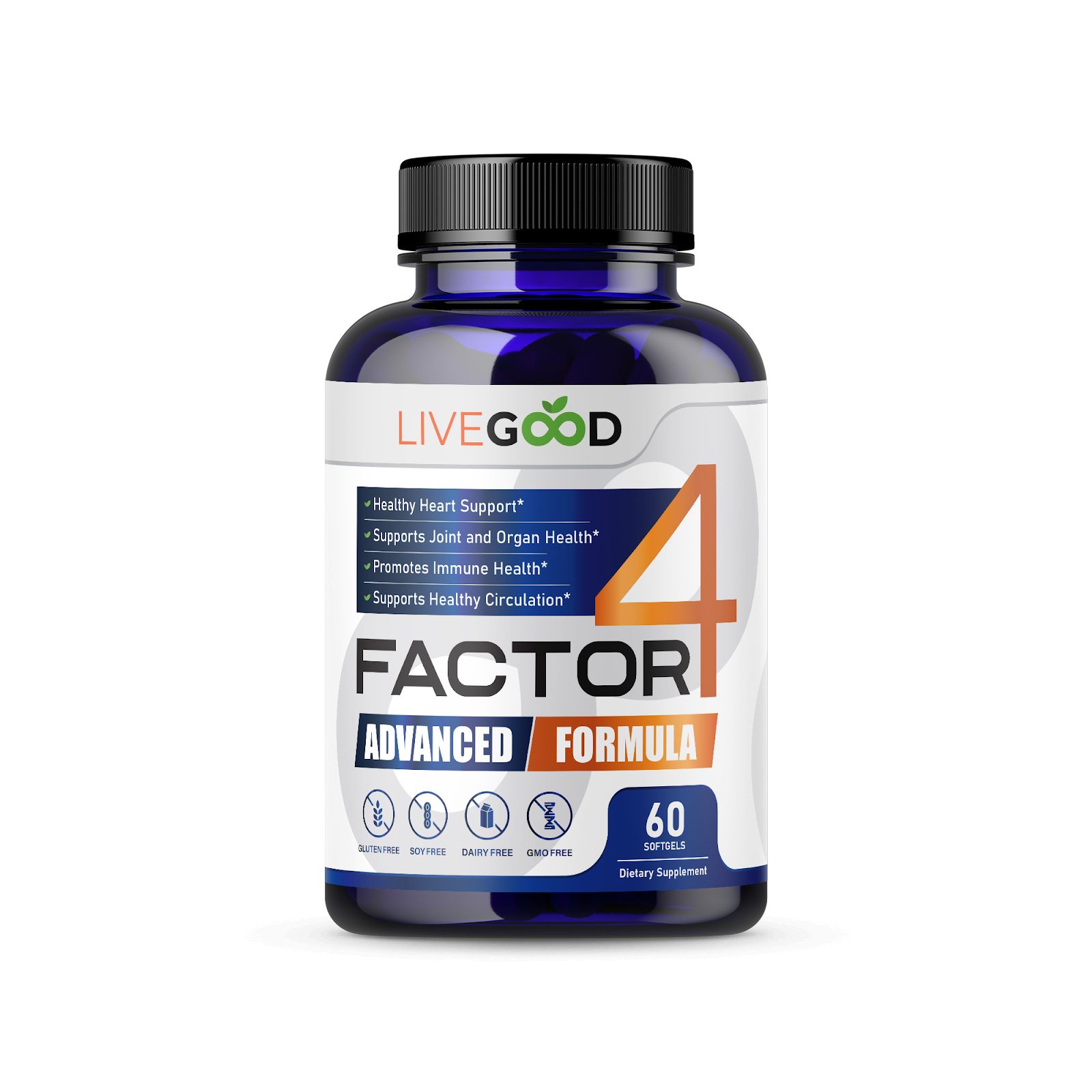
Factor4 - Advanced Inflammation Management is LiveGood's number two seller and was formulated by one of the world's top immunologists. It is the first and only inflammation management supplement combining fish oil, turmeric, Coenzyme Q10, and garlic in one bottle. It supports a healthy inflammatory response but is not a liver treatment. Members pay $19.95 versus $29.95 retail, supporting LiveGood's mission to "Provide the highest quality supplements in the world, at the lowest prices possible."
Tests and Questions for Your Doctor
Your doctor will usually begin with your health history and blood tests. ALT and AST can signal liver cell injury. Alkaline phosphatase, sometimes shortened to ALP, and GGT can provide clues about the bile ducts. Bilirubin is a waste product processed by the liver. Albumin and INR help show how well the liver is making proteins needed for fluid balance and blood clotting.
Depending on your results, testing may include hepatitis B and C screening, blood sugar or A1C, cholesterol and triglycerides, iron studies, or autoimmune markers. An ultrasound can look for fat, structural changes, or bile duct problems. Elastography is a specialized scan that estimates liver stiffness, which can suggest scarring. One abnormal result does not establish a diagnosis, and trends often matter more than a single number.
Bring a written list or photos of every product you use. Include vitamins, herbal capsules, workout powders, gummies, teas, CBD products, pain relievers, and prescriptions. Record when you started each one and whether the serving changed.
Useful questions include:
- Which results are abnormal, and how far are they outside the reference range?
- What causes are most likely in my case?
- Should I stop any supplement or avoid alcohol while we investigate?
- Do I need repeat blood work, imaging, or a liver specialist?
- Which symptoms should send me to urgent care?
Do not add a new supplement while unexplained liver abnormalities are being evaluated unless your doctor approves it. A simpler routine makes it easier to identify the cause and avoid interactions.
Bring a complete medication and supplement list when discussing liver tests with your doctor.
Frequently Asked Questions
What supplements are good for liver inflammation?
No supplement is proven to treat liver inflammation. Some ingredients, including milk thistle, curcumin, omega-3s, and vitamin E, have been studied, but evidence is mixed or limited to selected groups. Because supplements can also cause liver injury, ask your doctor to identify the cause and review your medications and supplements before you add anything new.
Can supplements damage your liver?
Yes, supplements can damage the liver, although most users do not experience this reaction. Documented concerns include concentrated green tea extract and some multi-ingredient herbal, weight-loss, bodybuilding, and detox products. Stop using a suspected nonessential supplement and contact your doctor if you develop jaundice, dark urine, severe nausea, itching, or unexplained abnormal liver tests.
Does milk thistle help the liver?
Milk thistle has not been shown consistently to improve liver function or clinical outcomes. Studies of its active compounds, known as silymarin, have produced mixed results, and supplement formulations can differ widely. It may also interact with medications. If you have liver disease or abnormal blood tests, discuss it with your doctor rather than using it as a substitute for medical care.
What actually improves liver health?
Addressing the cause is what most reliably improves liver health. Depending on the person, that may involve avoiding alcohol, making gradual weight and activity changes, managing blood sugar and cholesterol, treating viral hepatitis, or stopping a liver-injuring product under medical guidance. A balanced eating pattern and consistent follow-up matter more than cleanses, detox teas, or quick fixes.
When should you see a doctor about your liver?
See a doctor when liver blood tests are abnormal or you have persistent fatigue, nausea, right-sided abdominal discomfort, itching, dark urine, pale stool, or yellow skin or eyes. Seek urgent care for confusion, vomiting blood, severe swelling, or extreme sleepiness. Contact a clinician promptly if symptoms begin after starting a new medication, herb, powder, or supplement.