
Best Time to Take a Multivitamin With Iron
 Written by Ben Glinsky
Ask AI about this article and Bio-Active Complete Multi-Vitamin for Women with Iron





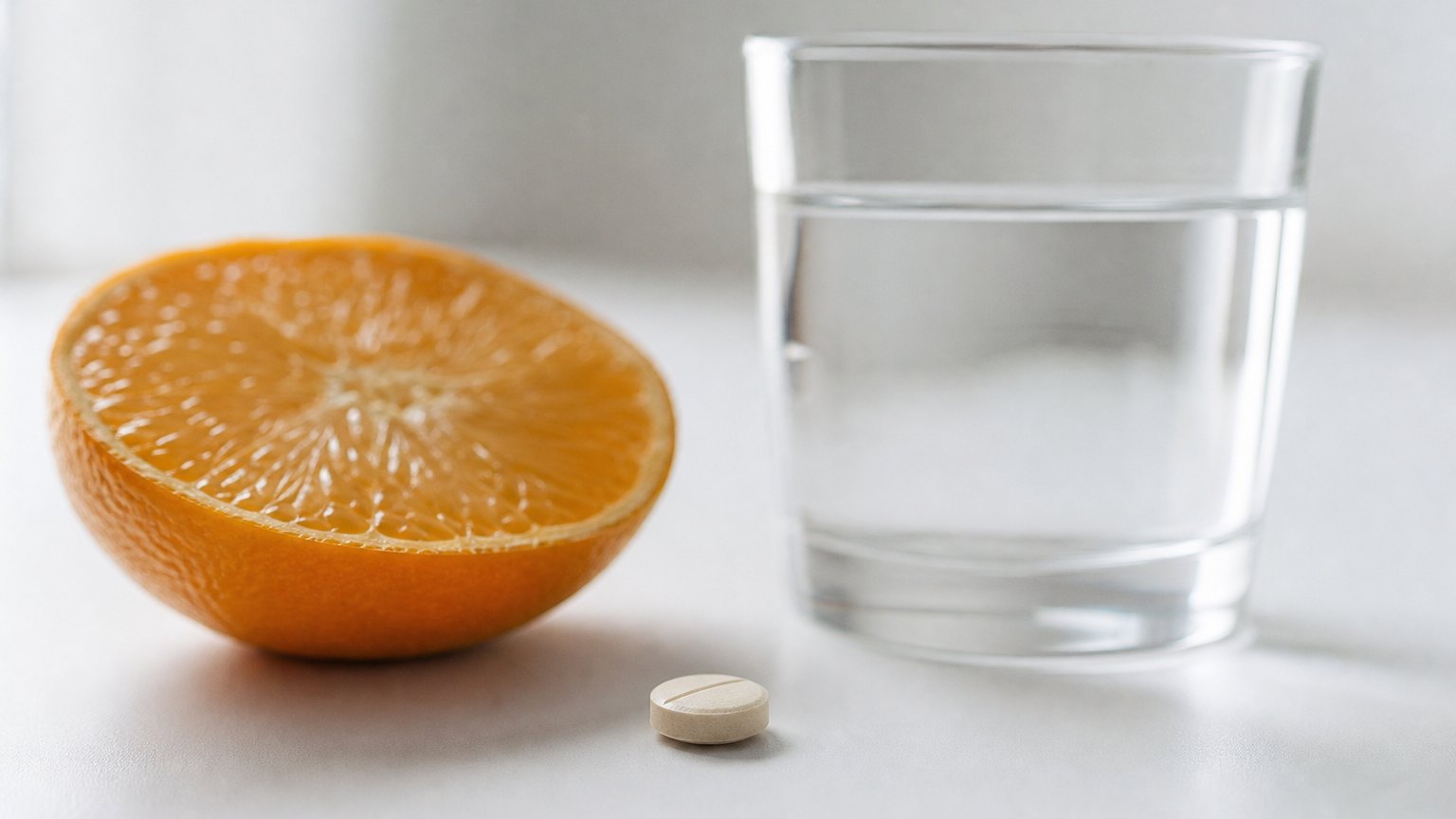
The best time to take a multivitamin with iron is when your stomach is empty, paired with vitamin C and separated from coffee, tea, calcium, and dairy. If that causes nausea, take it with a small, calcium-free meal instead. Morning or night matters less than these food pairings and a routine you can follow consistently.
Key Takeaways
- Prioritize the empty-stomach window: Iron is generally absorbed best away from food.
- Adjust if nausea develops: A small meal may reduce stomach discomfort, even though it can lower iron absorption.
- Add vitamin C: Citrus fruit, berries, kiwi, or bell pepper can help your body absorb non-heme iron.
- Separate common blockers: Keep calcium, dairy, coffee, and tea about two hours away when possible.
- Confirm that you need iron: A blood test and professional guidance are safer than guessing.
Why Iron Timing Is Different
Iron is an essential mineral used to make hemoglobin, the protein in red blood cells that carries oxygen. Your body tightly controls how much iron enters the bloodstream because it has no simple way to remove large amounts. That makes iron different from many water-soluble vitamins, which are more readily lost through urine.
There are two forms of dietary iron. Heme iron comes from animal foods and is generally absorbed more efficiently. Non-heme iron is found in plants, fortified foods, and most supplements. Its absorption changes considerably depending on what you eat or drink at the same time.
This creates a challenge in a multivitamin. Iron tends to absorb best without food, but fat-soluble vitamins such as vitamins A, D, E, and K are better absorbed with a meal containing some fat. Iron can also irritate an empty stomach. There is no single schedule that maximizes every ingredient while feeling comfortable for every person.
For most people who have been advised to use an iron-containing multivitamin, the practical goal is to give the iron a favorable window without making the routine miserable. Morning can work well if you can wait before breakfast and coffee. Midafternoon may be easier if it falls between meals. Evening is also reasonable if it is separated from dinner, calcium supplements, and bedtime medications. The clock itself is not the main factor. Food, drinks, other supplements, medications, and your stomach's response matter more.
Empty Stomach vs With Food
Taking iron on an empty stomach usually gives it the best chance of being absorbed. A common practical window is about one hour before eating or two hours after a meal. Always follow your multivitamin's label, since formulations and directions differ.
The drawback is easy to notice. Supplemental iron can cause nausea, stomach pain, constipation, or an unpleasant metallic taste. These effects may be stronger when you take it without food. If you feel queasy, do not assume you have to endure it for the supplement to be worthwhile.
Try taking the multivitamin with a small meal or snack that does not contain much calcium. Fruit with nut butter, toast with an egg, or a small non-dairy meal may be easier on your stomach. Avoid pairing it with milk, yogurt, cheese, calcium-fortified drinks, or a calcium supplement. Taking it with a full glass of water may also help.
A regular meal can reduce iron absorption, but a supplement you tolerate and take as directed is more useful than one you repeatedly skip. This is a genuine tradeoff, not a sign that you are taking it incorrectly.
If nausea continues, check the label and speak with your doctor or pharmacist. Different forms and amounts of iron can affect people differently. Do not take more than the label directs to compensate for taking it with food. Persistent digestive symptoms, severe abdominal pain, vomiting, or very dark tar-like stool deserve medical advice rather than another timing adjustment.
Vitamin C Helps, Calcium and Coffee Hinder
Vitamin C can meaningfully improve absorption of non-heme iron. It helps keep iron in a chemical form that is easier for the intestine to take in. You do not necessarily need another supplement to create this pairing. An orange, kiwi, strawberries, bell pepper, or a small glass of citrus juice can provide vitamin C alongside your multivitamin.
Calcium can interfere with iron absorption when the two are consumed together. That includes calcium supplements and calcium-rich foods such as milk, yogurt, and cheese. Many plant-based milks and breakfast foods are also fortified with calcium, so check the nutrition label rather than assuming they are suitable pairings.
Coffee and tea contain polyphenols, natural plant compounds that can bind non-heme iron in the digestive tract. This can leave less iron available for absorption. Regular and decaffeinated coffee may both interfere because caffeine is not the only issue. Black tea is a particularly strong source of these compounds, although other teas may also have an effect.
When possible, leave about two hours between your iron-containing multivitamin and coffee, tea, dairy, or a calcium supplement. If your morning always includes coffee and cereal with milk, another time may be more practical. Consider taking the multivitamin in the midafternoon with fruit, or later in the evening after enough time has passed since dinner.
Vitamin C helps, but it should not be treated as a complete fix for an otherwise poor pairing. Taking iron with orange juice does not guarantee that calcium, coffee, or tea will stop interfering. Separating them remains the clearer strategy.
Spacing Iron From Other Supplements
Start by reading every supplement label you use. A multivitamin may already contain calcium, zinc, magnesium, or additional iron. Taking several overlapping products can raise your total intake without you realizing it.
Iron and calcium are the main pair to separate. If you take an additional calcium supplement, place it at a different meal or time of day, ideally about two hours away from the iron-containing multivitamin. Large supplemental amounts of zinc may also compete with iron when swallowed together. Evidence for meaningful interference from magnesium is less clear, but separating a high-dose mineral supplement is a simple way to reduce crowding and may be easier on your stomach.
You cannot separate ingredients already combined in one multivitamin. That is expected. Focus instead on avoiding extra mineral supplements and strongly inhibiting foods or drinks around that serving.
Iron can also interact with prescription medicines. Examples include certain thyroid medicines, antibiotics, bone medicines, and Parkinson's medications. The required spacing can vary from two to several hours, depending on the drug. If you use any prescription medicine, ask your doctor or pharmacist to review the exact product and build a schedule for you. Do not stop or move a prescribed dose on your own.
A simple routine might be an iron-containing multivitamin with vitamin C between meals, coffee and dairy at breakfast, and a separate calcium supplement with dinner. Your own schedule may differ. The aim is not perfection. It is a repeatable routine that follows the label, limits the biggest absorption blockers, and works with your medical care.
Bio-Active Complete Multi-Vitamin for Women with Iron provides 24 vitamins and minerals at optimal dosages, plus the highest quality iron to help replace nutritional gaps, including iron lost through the menstrual cycle. Take it according to its label and use the spacing tips above. It is $12.95 for members and $19.95 retail, supporting LiveGood's mission to "Provide the highest quality supplements in the world, at the lowest prices possible."
Every Other Day Dosing Research
Research on standalone iron supplements has raised an interesting question: could taking iron every other day improve absorption? The idea involves hepcidin, a hormone that tells the intestine to reduce iron absorption. An oral iron dose can temporarily raise hepcidin, so another dose taken soon afterward may have a smaller percentage absorbed.
Some studies in iron-depleted women found that alternate-day dosing increased fractional absorption. Fractional absorption means the percentage of a dose that entered the body. This does not automatically mean every-other-day use produces a better health result. A higher percentage from fewer doses may still provide a different total amount of iron, and studies comparing changes in hemoglobin have not produced one universal answer.
Most of this research examined therapeutic iron tablets used to address confirmed deficiency. It did not establish that ordinary multivitamins with lower amounts of iron should be taken every other day. A multivitamin also supplies nutrients intended for regular use, so changing its schedule affects more than iron.
Do not switch an iron-containing multivitamin or prescribed iron treatment to alternate days based only on a headline. Follow the product label unless your doctor recommends another plan. If blood testing shows low iron, your clinician can choose a form, schedule, and follow-up testing plan based on the cause and severity.
The useful lesson is that more frequent iron is not automatically better. The body regulates this mineral carefully. Consistency, appropriate need, tolerability, and professional monitoring matter more than trying to maximize absorption from every dose.
Who Actually Needs Iron
People who menstruate are more likely to need additional iron because blood loss removes iron from the body. Needs can also rise during pregnancy. People with heavy menstrual bleeding, frequent blood donation, restricted diets, or certain digestive and medical conditions may be at greater risk of deficiency. Vegetarians and vegans may need closer attention because plant-based non-heme iron is less readily absorbed.
Risk does not equal diagnosis. Tiredness, weakness, headaches, shortness of breath, and difficulty concentrating can occur with iron deficiency, but they can also have many other causes. Nobody should self-diagnose an iron deficiency. A clinician may order a complete blood count and ferritin test. Ferritin is a blood marker that helps estimate stored iron.
Men and postmenopausal women generally do not need supplemental iron unless testing or a clinician identifies a reason. Excess iron can be harmful, particularly for someone with hereditary haemochromatosis, also spelled hemochromatosis, a condition that causes the body to absorb and store too much iron. This is why men's and women's multivitamin formulas may differ. LiveGood's women's multivitamin contains iron, while the men's version is formulated differently.
If you are pregnant or breastfeeding, have kidney or liver disease, live with another medical condition, or take prescription medication, talk to your doctor before using an iron supplement. Iron needs during pregnancy are important, but the right product and amount should be coordinated with prenatal care.
Finally, store every iron-containing supplement securely out of children's reach. Iron overdose is a leading cause of poisoning deaths in young children. Child-resistant packaging is not a substitute for locked or inaccessible storage. If a child may have swallowed iron, contact emergency services or poison control immediately, even if no symptoms are visible.
Frequently Asked Questions
When should you take a multivitamin with iron?
Take a multivitamin with iron between meals when possible, along with a source of vitamin C. Morning, afternoon, and night can all work, provided you separate it from coffee, tea, dairy, calcium supplements, and interacting medicines. If an empty stomach causes nausea, use a small calcium-free meal and continue following the product label.
Should iron be taken on an empty stomach?
Iron is usually absorbed more efficiently on an empty stomach, but taking it that way is not comfortable for everyone. Nausea, cramps, or constipation may make a small meal the better choice. Choose food that is low in calcium, drink water, and never increase the serving to make up for any absorption you think was lost.
Does vitamin C help iron absorption?
Yes, vitamin C helps the intestine absorb non-heme iron, the form commonly used in supplements and found in plant foods. Pair your multivitamin with citrus, berries, kiwi, bell pepper, or another vitamin C source. This helpful pairing does not fully cancel the effects of coffee, tea, dairy, or calcium, so spacing still matters.
Can you take iron with coffee?
You can swallow iron with coffee, but it is not an ideal pairing because coffee's polyphenols can reduce non-heme iron absorption. Leave about two hours between them when your schedule allows. Decaffeinated coffee may also interfere. If coffee is a fixed part of breakfast, take your iron-containing multivitamin between later meals instead.
Does everyone need iron in a multivitamin?
No, an iron-containing multivitamin is not appropriate for everyone. Men and postmenopausal women generally do not require supplemental iron without a confirmed need. People who menstruate may have higher requirements, but deficiency still requires blood testing. Excess can be dangerous, especially with haemochromatosis, so ask your doctor before adding iron when you are unsure.