
CBD and Dogs: Possible Side Effects and Safety Cautions
 Written by Nauder Khazan
Ask AI about this article and CBD Oil - For Pets (500mg Beef)






CBD oil can have negative effects on dogs, including sleepiness, diarrhea, vomiting, and changes in a liver enzyme called ALP. Medication interactions and unsafe ingredients in human products can pose more serious risks. Here is what canine research shows, what remains uncertain, and when your dog needs veterinary help.
Key Takeaways
- Expect possible sedation and diarrhea: These are among the side effects reported in canine CBD studies, although not every dog experiences them.
- Pay attention to ALP: Some studies found increases in this liver-related enzyme, even when dogs did not appear sick.
- Avoid unverified human products: THC is toxic to dogs, xylitol can be life-threatening, and the amount of CBD may not match the label.
- Check every medication first: CBD can affect liver enzymes that process many veterinary drugs, potentially changing medication levels.
- Treat severe symptoms as urgent: Collapse, marked wobbliness, tremors, seizures, breathing trouble, or suspected THC exposure require prompt veterinary help.
Side Effects Reported in Canine Studies
Research on CBD in dogs is still limited. Studies tend to include relatively few animals, use different formulations and amounts, and follow dogs for short periods. That makes it difficult to predict how a particular dog will respond, especially with daily or long-term use. The FDA has not approved any CBD product for animals.
Reported side effects in canine studies include:
- Sedation or unusual sleepiness
- Diarrhea or soft stool
- Vomiting or other digestive upset
- Reduced appetite in some dogs
- Increases in the liver enzyme alkaline phosphatase, usually shortened to ALP
Sedation means your dog is less alert or active than usual. Mild sleepiness may look like extra napping. More concerning sedation can involve difficulty standing, delayed responses, or being hard to wake. Diarrhea may come from CBD, the carrier oil, flavoring, the amount given, or another ingredient in the product.
Vomiting has been reported, but it is not always clear whether CBD itself was responsible. Dogs may also react to a sudden dietary change or a rich oil base. A side effect that begins after a new product still deserves attention, even when the exact cause is uncertain.
The American Veterinary Medical Association's cannabis guidance emphasizes that evidence about cannabis-derived products in animals remains limited. Before giving your dog CBD, involve a veterinarian who knows your dog's weight, medical history, current medications, and recent blood test results.
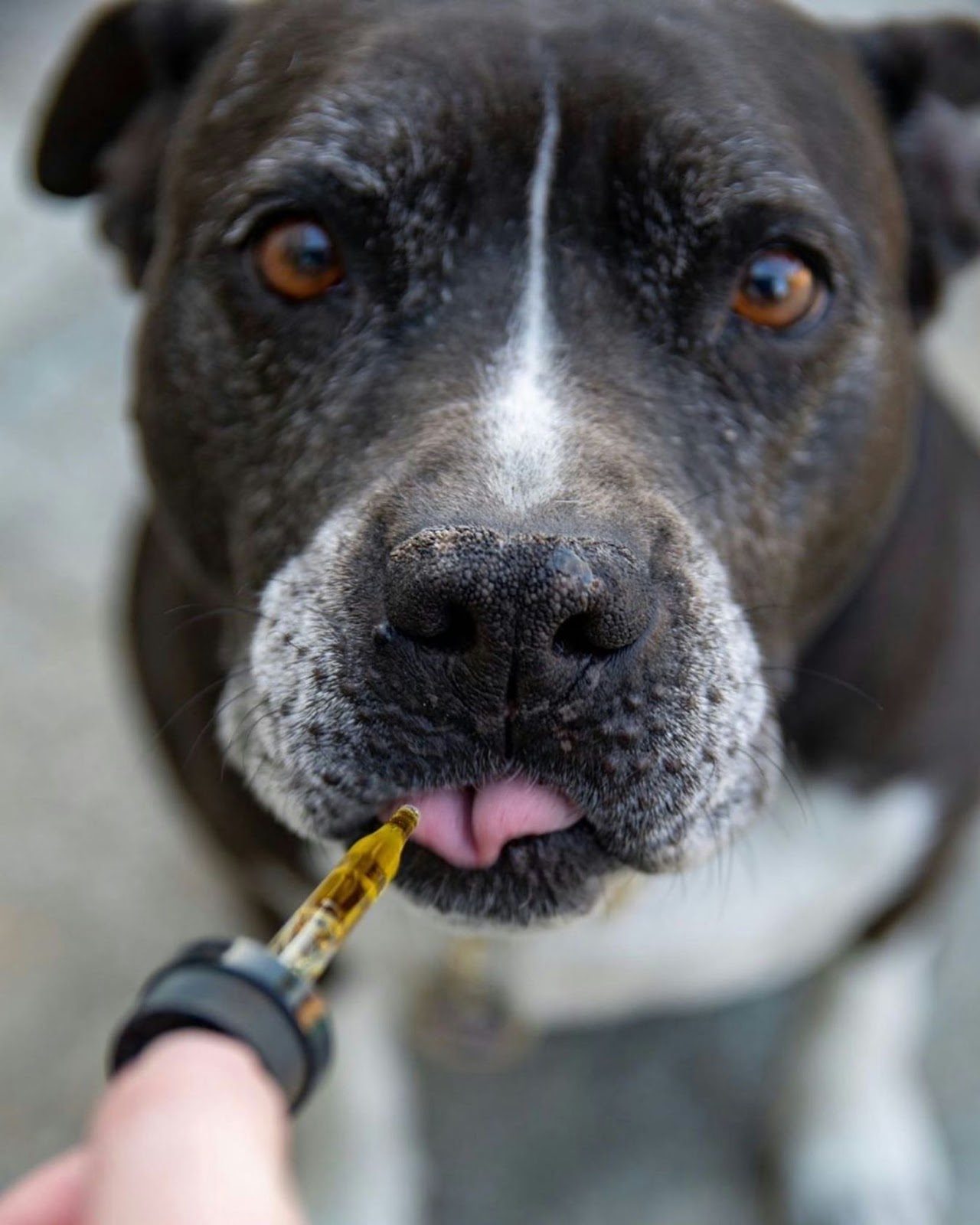
Watch for unusual sleepiness, digestive changes, or reduced appetite after introducing any new product to your dog's routine.
The Liver Enzyme Finding
One of the most important findings from canine CBD research is an increase in ALP. ALP is an enzyme found in several tissues, including the liver and bones. Veterinarians measure it through bloodwork because an elevated result can provide a clue about liver or hormonal changes.
An increased ALP result does not automatically mean CBD has injured the liver. In some studies, dogs developed higher ALP without obvious illness or matching changes in other liver measurements. Researchers still do not fully understand why this happens or what it means after months or years of use. It is a safety signal, not proof of permanent liver damage.
That distinction matters. You should not panic over one laboratory value, but you should not dismiss it either. Your veterinarian may want to compare ALP with alanine aminotransferase, or ALT, bilirubin, and other measurements. ALT can rise when liver cells are irritated, while bilirubin helps show how the liver is processing waste. Looking at the full blood panel provides more context than ALP alone.
Cornell University's canine CBD overview also identifies liver enzyme changes as a concern. A dog with liver disease, abnormal bloodwork, or medication that requires liver monitoring needs individual veterinary guidance before receiving CBD. Your veterinarian may recommend baseline bloodwork and follow-up testing, but the schedule should be based on your dog's health rather than a generic online protocol.

Blood testing can help a veterinarian interpret an ALP increase alongside other liver-related measurements.
Why Human CBD Products Can Be Dangerous
Human CBD oil is not automatically safe for dogs. The bottle may contain a much higher concentration than a pet formula, making measurement errors easier. More importantly, human tinctures, gummies, chocolates, baked goods, and flavored liquids may contain ingredients that are genuinely toxic to dogs.
THC, or tetrahydrocannabinol, is the intoxicating cannabis compound. THC is toxic to dogs, and exposure can become an emergency. Warning signs include severe sleepiness, wobbling, dilated or glassy eyes, dribbling urine, vomiting, unusual sensitivity to sound or touch, tremors, and changes in heart rate or body temperature. Full-spectrum CBD products can legally contain trace THC, so accurate formulation and testing matter even when a product is hemp-derived.
Xylitol is another major hazard. This sweetener may appear in human gummies, flavored drops, and other edible products. In dogs, xylitol can trigger a rapid, dangerous fall in blood sugar. Larger exposures can also damage the liver. Chocolate, caffeine, raisins, and other ingredients in human edibles can add separate risks.
Label accuracy is not guaranteed. Independent product testing has repeatedly found differences between the cannabinoid amounts printed on labels and what products actually contain. A third-party certificate of analysis, commonly called a COA, can help. It should match the product's batch number and report CBD, THC, pesticides, heavy metals, solvents, and microbes. A COA lowers uncertainty, but it does not make veterinary guidance optional.
Epidiolex is the only FDA-approved CBD medicine, and it is approved for specific human seizure disorders. It is not an approval of over-the-counter CBD supplements or animal CBD products.
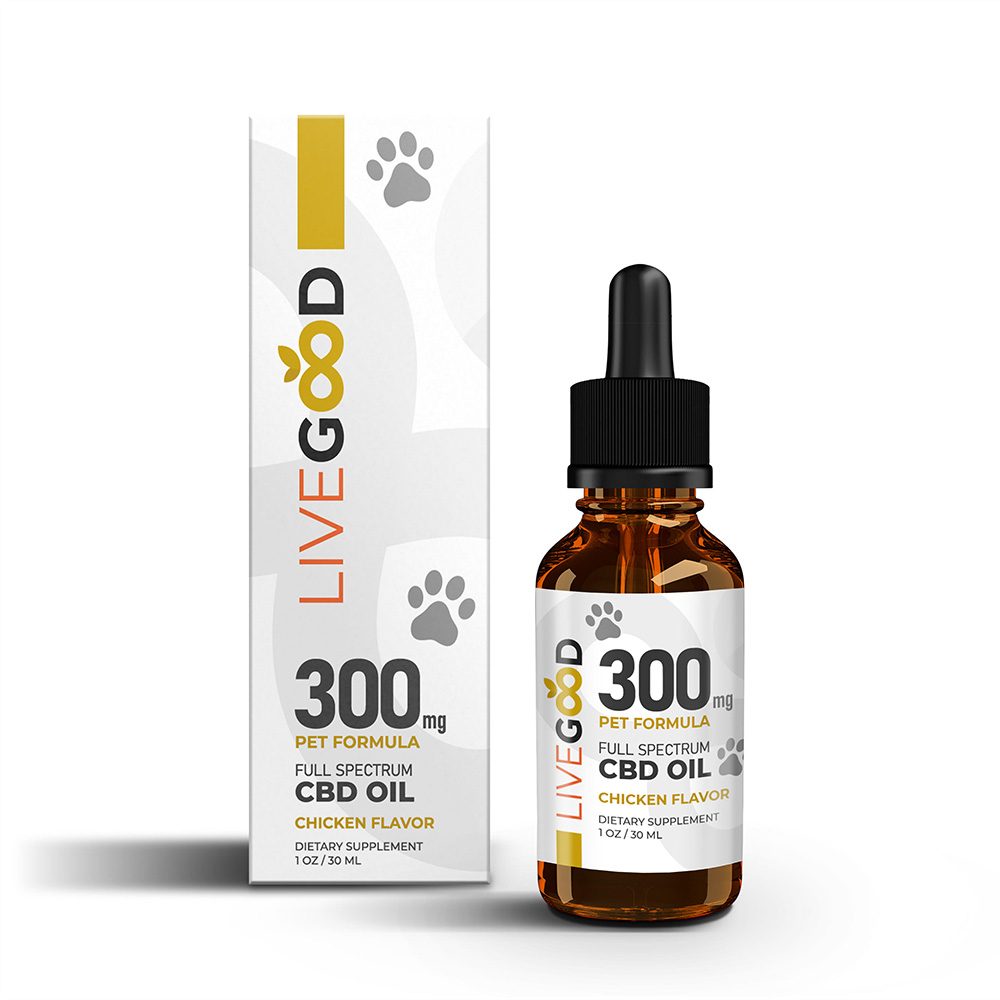
Check pet CBD labels for cannabinoid content, unsafe additives, and a certificate of analysis that matches the batch.
CBD Oil - For Pets (500mg Beef) is a 500 mg, beef-flavored, full-spectrum CBD oil made for pets with the same highest quality ingredients and processes as LiveGood's human formulas. Add it to food, use the weight-based directions on the label, and start low and go slow only with your veterinarian's guidance. Because it is full-spectrum, ask your veterinarian about trace THC before use. It is $12.95 for members versus $24.95 retail, supporting LiveGood's mission to "Provide the highest quality supplements in the world, at the lowest prices possible."
Interactions With Veterinary Medications
CBD can change how a dog's body processes certain medications. Much of this concern involves the cytochrome P450 system, often shortened to CYP450. This is a group of liver enzymes that helps break down many drugs so they can be cleared from the body.
CBD may slow or otherwise alter some of these enzymes. If CBD and a medication rely on the same pathway, the drug could remain in the bloodstream longer or reach a different level than expected. That may increase side effects or reduce the predictability of treatment. The exact interaction depends on the medication, CBD amount, timing, product composition, and the individual dog.
Extra caution is sensible with medications that already cause sedation or require blood-level or liver monitoring. This can include certain seizure drugs, behavior medications, pain medicines, and other prescriptions. That list is not complete. Nonprescription products, herbal ingredients, flea and tick treatments, and supplements should also be included when you speak with the veterinarian.
Do not stop, skip, or change a veterinary medication to make room for CBD. Sudden changes to some drugs can be dangerous. Instead, give your veterinarian a written list or clear photos of every label. Include the CBD concentration, serving size, ingredient list, batch COA, and how often you plan to use it.
Your veterinarian may advise against CBD, recommend a different product, or discuss monitoring for sleepiness, digestive changes, altered medication effects, and liver enzyme changes. Dosing research in dogs remains limited, so an online chart cannot account for age, liver or kidney problems, body composition, breed differences, or interacting drugs.
Signs That Mean Call the Vet
Stop giving the product and call your veterinarian if your dog develops repeated vomiting, persistent diarrhea, refuses food, becomes unusually sleepy, or acts noticeably different after CBD. Mild symptoms can lead to dehydration, and apparent CBD side effects may actually come from THC, xylitol, another ingredient, or an unrelated illness.
Seek urgent veterinary help for:
- Collapse or inability to stand
- Severe wobbliness or disorientation
- Tremors or seizures
- Slow, difficult, or unusual breathing
- Extreme sedation or difficulty waking
- Repeated vomiting
- Very pale gums or profound weakness
- Suspected exposure to THC, xylitol, chocolate, or an unknown edible
THC toxicity is a real emergency, not a harmless high. Do not wait for severe symptoms if your dog swallowed marijuana, a human CBD product, or an edible with uncertain ingredients. Call your veterinarian, an emergency animal hospital, or the ASPCA Animal Poison Control Center at 888-426-4435. A consultation fee may apply.
Do not induce vomiting unless a veterinary professional specifically tells you to do so. A heavily sedated or uncoordinated dog can inhale vomit into the lungs. Keep your dog in a quiet, safe area away from stairs while arranging care.
Bring the bottle, packaging, ingredient list, remaining product, and COA if available. Tell the veterinary team what your dog consumed, approximately how much, when it happened, your dog's weight, and which symptoms you have observed. Honest details help the team choose appropriate monitoring and supportive care. Veterinary professionals are focused on protecting your dog, not judging how the exposure happened.
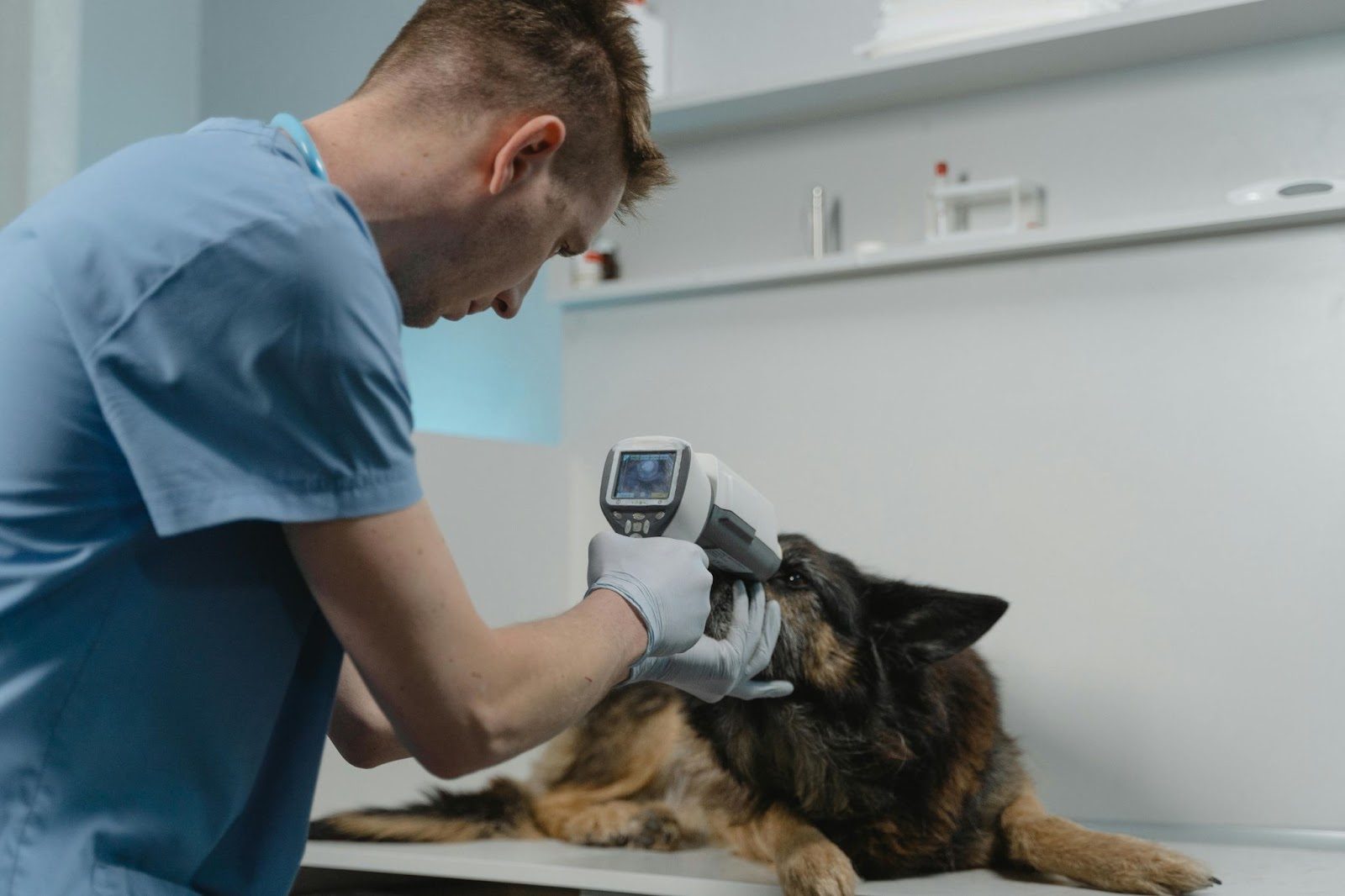
Prompt veterinary advice is essential when a dog shows severe sedation, wobbliness, tremors, or possible THC exposure.
Frequently Asked Questions
Can CBD oil have negative effects on dogs?
Yes, CBD oil can cause unwanted effects in dogs, including sedation, diarrhea, vomiting, appetite changes, and increased ALP on bloodwork. The chance and severity may depend on the product, amount, other ingredients, and the dog's health. Because animal research and dosing data remain limited, speak with your veterinarian before using CBD and stop if concerning symptoms appear.
What are the most common CBD side effects in dogs?
The side effects most often discussed in canine research are sleepiness and digestive problems such as diarrhea or soft stool. Vomiting and reduced appetite can also occur. Some dogs show no obvious symptoms but develop increased ALP on laboratory testing. Contact your veterinarian if effects are persistent, severe, or accompanied by wobbliness, weakness, tremors, or unusual behavior.
Can CBD affect a dog's liver?
Yes, CBD may affect liver-related bloodwork in dogs, most notably by raising ALP. An elevated ALP does not by itself prove liver injury, but it deserves veterinary interpretation and may call for additional testing. Dogs with liver disease, abnormal laboratory results, or medicines processed by the liver need individualized guidance before receiving any CBD product.
Is human CBD oil safe for dogs?
Human CBD oil should not be given to a dog unless a veterinarian has reviewed the exact product. It may be too concentrated or contain dangerous THC, xylitol, chocolate, flavorings, or other unsuitable ingredients. Inaccurate cannabinoid labels add another concern. Choose a pet-specific product with a batch-matched third-party COA, and follow the label only after consulting your veterinarian.
What should you do if a dog has too much CBD?
Call your veterinarian promptly and describe the product, estimated amount, timing, and symptoms. If THC, xylitol, or another toxic ingredient may be present, treat the exposure as urgent and contact an emergency animal hospital or the ASPCA Animal Poison Control Center at 888-426-4435. Do not induce vomiting unless a veterinary professional instructs you to do so.