
CBD and Dog Digestion: What Owners Should Know
 Written by Ben Glinsky
Ask AI about this article and CBD Oil - For Pets (500mg Beef)






CBD oil is not proven to improve digestive issues in dogs. In fact, stomach and intestinal upset are among the more commonly reported effects, and the oil carrying the CBD may loosen stools. Here is what to watch for, what canine research actually covers, and when your dog needs veterinary care.
Key Takeaways
- Evidence is limited: Canine CBD studies have not established CBD as a treatment for constipation, diarrhea, vomiting, or other digestive conditions.
- GI effects can occur: Loose stools, vomiting, appetite changes, and other digestive symptoms have been reported after dogs receive CBD.
- Carrier oils matter: MCT, coconut, hemp seed, and other oils can upset a sensitive stomach or soften stool.
- Product quality varies: A current, batch-specific certificate of analysis can help you check CBD, THC, and contaminant results.
- Warning signs need care: Straining, blood, vomiting, or lethargy warrant urgent veterinary attention rather than another supplement.
What Owners Usually Notice
Digestive trouble can look different from one dog to another. You may notice softer stool, diarrhea, fewer bowel movements, straining, vomiting, gas, reduced appetite, or an unusual posture while your dog tries to pass stool. Some dogs become restless. Others hide, sleep more, or stop showing interest in food and walks.
If a change starts after CBD oil, write down when you gave the product, when the symptoms appeared, and what else your dog ate. Also note any new treats, table scraps, medications, chews, or objects your dog may have swallowed. Timing can help a veterinarian, but it does not prove that CBD caused the problem.
Constipation is not established as a typical CBD effect in dogs, and there is no good evidence that CBD helps a constipated dog. Diarrhea and other forms of gastrointestinal upset, meaning problems involving the stomach or intestines, appear more often in safety reports. The CBD itself, the carrier oil, the amount consumed, or another ingredient could be involved.
Do not assume every stool change is minor. Parasites, infections, dietary changes, pancreatitis, medication effects, dehydration, and intestinal blockages can produce similar signs. A dog that repeatedly strains may also have a urinary problem rather than constipation. That distinction can be difficult to make at home and may become urgent quickly.

Changes in stool, appetite, posture, and energy can help a veterinarian understand what your dog is experiencing.
GI Upset Is a Reported Effect, Not a Benefit
Online discussions often present CBD oil for dogs' digestive issues as if it were a gentle stomach remedy. Veterinary evidence does not support that conclusion. Research has not shown that over-the-counter CBD treats constipation, diarrhea, inflammatory bowel disease, nausea, or vomiting in dogs.
Digestive upset is instead one of the effects owners and researchers monitor when dogs receive CBD products. Reported changes can include diarrhea, vomiting, reduced appetite, increased appetite, drooling, or changes in bowel habits. Not every dog experiences these effects, and not every reaction is caused by CBD. Still, a new symptom should not be interpreted as the digestive system "adjusting" or proof that the product is working.
The amount consumed may influence the chance of an unwanted effect, but there is no universal dose that is appropriate for every dog. Product concentrations differ, and dogs vary in size, age, health, medications, and sensitivity. Follow the product label only after discussing CBD with your veterinarian. Do not increase the serving in an attempt to produce a digestive result.
If loose stool or vomiting begins after a CBD product, stop and contact your veterinarian for instructions. Save the bottle, packaging, lot number, ingredient list, and certificate of analysis if available. Those details can help the veterinary team assess exposure to CBD, THC, carrier oils, flavorings, sweeteners, or contaminants.
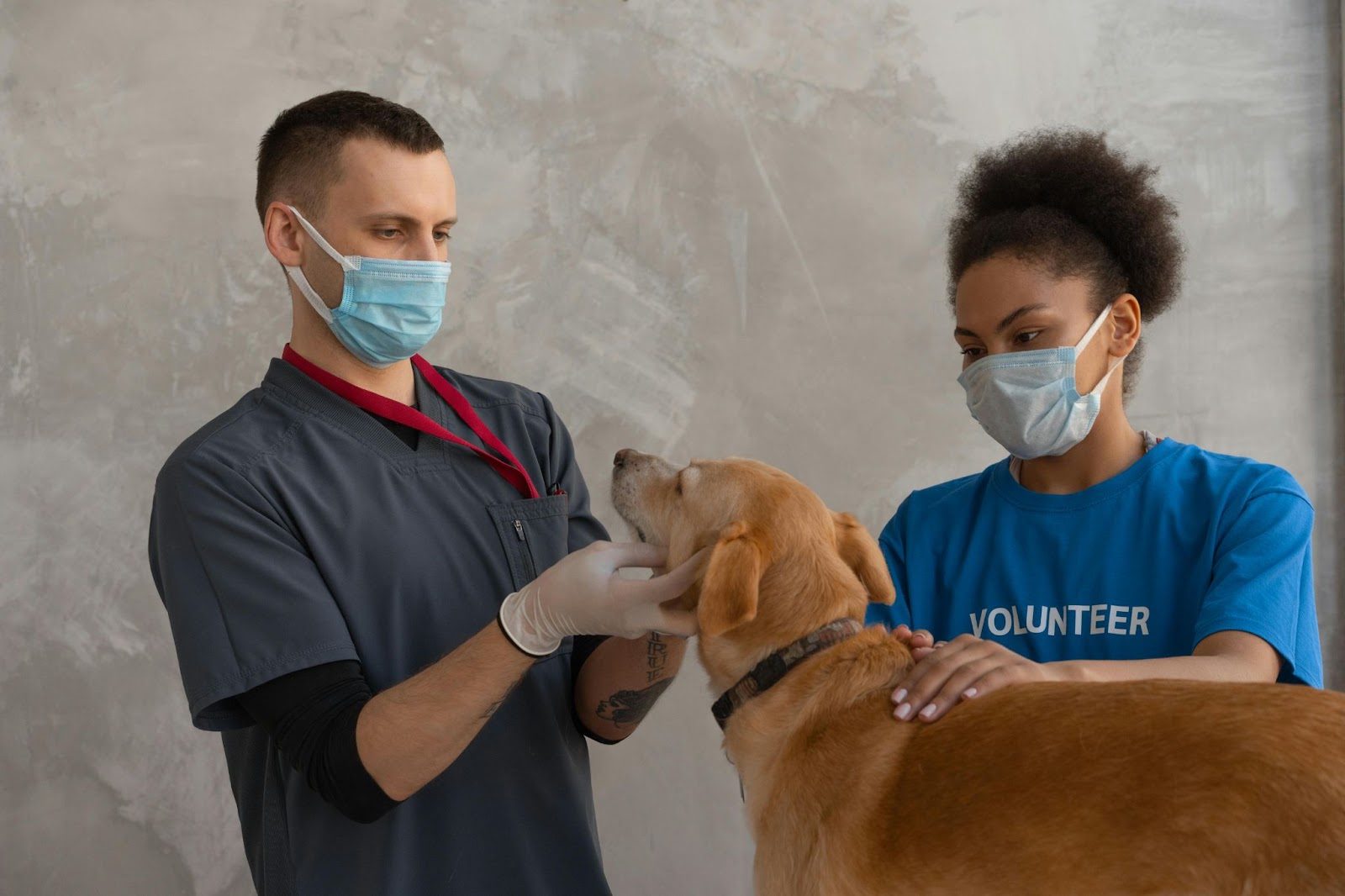
New digestive symptoms after CBD should be recorded and discussed with your dog's veterinary team.
Carrier Oils and Loose Stools
CBD extract is highly concentrated, so tinctures usually dilute it in a carrier oil. Common carriers include medium-chain triglyceride oil, often called MCT oil, coconut oil, hemp seed oil, and other edible oils. The carrier helps distribute the CBD evenly, but it can also affect digestion.
A sudden serving of oil may soften stool or cause diarrhea, especially in a small dog or one that does not regularly eat much fat. Dogs with sensitive digestion may react to relatively modest dietary changes. High-fat foods can also be a concern for dogs with a history of pancreatitis or other medical conditions, so ask your veterinarian before offering an oil-based supplement.
Read the entire ingredient list, not just the CBD amount on the front. Human tinctures may contain flavorings, essential oils, sweeteners, or other ingredients that are inappropriate for pets. Xylitol is toxic to dogs and can cause a dangerous drop in blood sugar. Never give a dog a human CBD tincture containing xylitol.
Look for a recent, batch-specific certificate of analysis, or COA, from an independent laboratory. It should show measured CBD and THC levels and screening results for contaminants such as pesticides, heavy metals, solvents, and microbes. Independent testing has repeatedly found mismatches between some CBD labels and their actual contents. Full-spectrum products contain trace amounts of THC, which matters for sensitivity and for working or competition dogs subject to drug screening.

Checking the carrier oil, full ingredient list, and batch-specific laboratory report can reveal important product details.
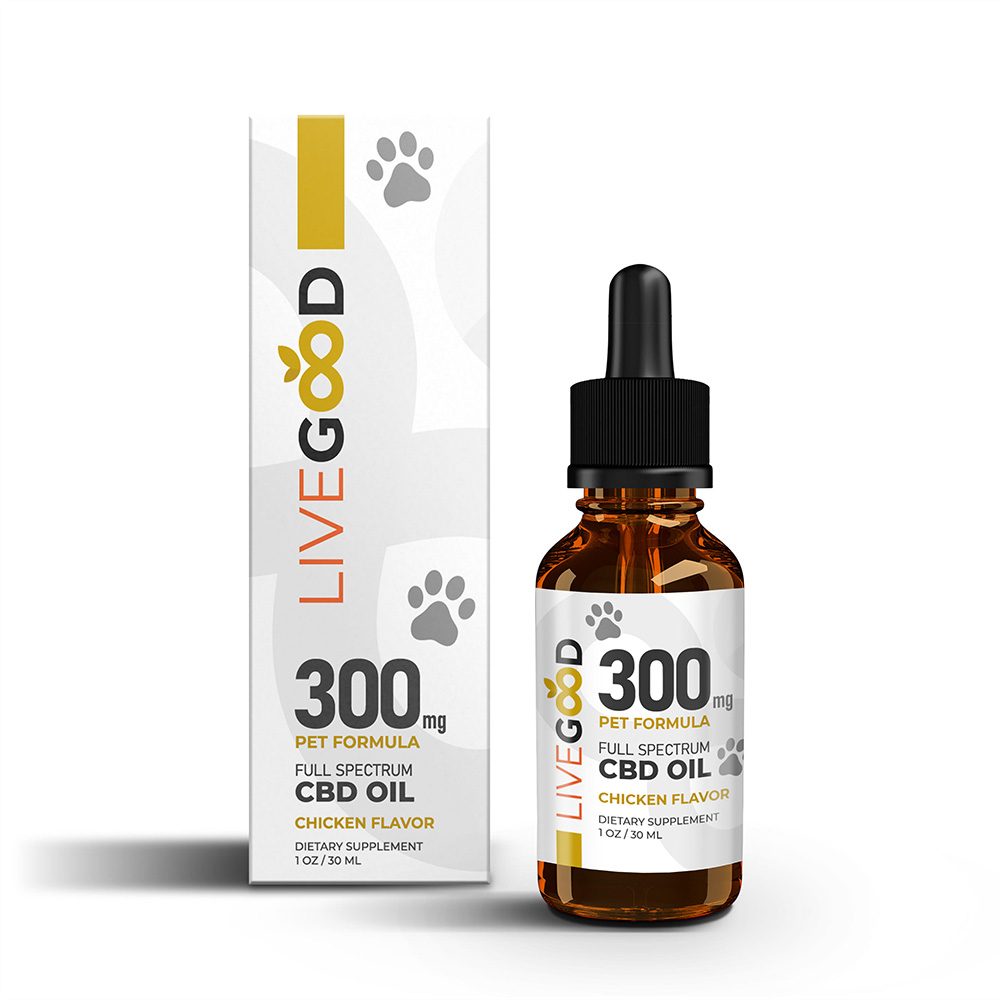
CBD Oil - For Pets (500mg Beef) is a 500mg, beef-flavored, full-spectrum CBD oil formulated with the same highest quality ingredients and processes as LiveGood's human formulas. If your veterinarian agrees it fits your dog's routine, it is best added to food. Follow the weight-based dosing on the label, starting low and going slow. Members pay $12.95 versus $24.95 retail, reflecting LiveGood's mission to "Provide the highest quality supplements in the world, at the lowest prices possible."
What the Veterinary Research Covers
Canine CBD research is still at an early stage. Much of it examines how dogs absorb and process CBD, short-term safety, joint-related measures, or seizure frequency. It does not establish CBD as a digestive treatment. Results from one health area cannot be carried over to constipation, diarrhea, vomiting, or chronic intestinal disease.
Some studies record gastrointestinal symptoms as safety outcomes. A safety outcome is an unwanted change researchers track while testing a substance. Reports of diarrhea or vomiting do not prove that every CBD product will cause those effects, but they do challenge the idea that CBD is automatically soothing for a dog's stomach.
Researchers also study pharmacokinetics, which means how a substance enters the body, circulates, and is broken down. Dogs can absorb CBD differently depending on the formulation and whether it is given with food. Products used in controlled studies may also have more precise testing than products sold online or in stores. That makes direct comparisons difficult.
CBD can affect cytochrome P450, commonly shortened to CYP450. This is a group of liver enzymes that helps process many medications. Changing how those enzymes work may alter medication levels. If your dog takes any prescription medicine, ask the prescribing veterinarian before using CBD. The same caution applies to dogs with liver or kidney conditions, existing medical problems, or dogs that are pregnant or nursing.
Epidiolex is the only FDA-approved CBD medicine, and it is approved for specific seizure disorders in people, not digestive problems in dogs. Pet CBD supplements are not equivalent to that prescription drug. In addition, veterinarians in some jurisdictions face restrictions on recommending or discussing cannabis-derived products, although they can still help evaluate symptoms, medication risks, and toxic exposures.
When a Dog Needs a Vet, Not a Supplement
Straining, blood in the stool or vomit, vomiting, or lethargy are veterinary emergencies. Contact your veterinarian or an emergency animal hospital immediately. Do not wait for CBD, vegetable oil, pumpkin, or another home remedy to change the symptoms.
Other urgent signs include a swollen or painful abdomen, repeated attempts to vomit without bringing anything up, collapse, pale gums, trouble breathing, inability to keep water down, or suspected ingestion of a toy, bone, fabric, medication, cannabis product, or toxin. A blockage can initially resemble constipation. Delaying care may allow dehydration, tissue damage, or poisoning to worsen.
Even mild digestive changes deserve a veterinary call if they continue, return frequently, or occur in a puppy, older dog, or dog with an existing health condition. Your veterinarian may ask about stool appearance, eating and drinking, urination, activity, recent foods, medications, and possible foreign objects. Photos and a fresh stool sample may be useful if the clinic requests them.
Do not give human laxatives, anti-diarrheal drugs, pain relievers, or extra oil unless a veterinarian specifically directs you to do so. These products can be dangerous, hide an underlying problem, or complicate treatment. Treatment depends on the cause, and constipation, intestinal blockage, infection, medication reactions, and dietary upset require different approaches.
CBD should never replace an examination or a treatment plan. If your veterinarian believes a pet CBD product can be included in your dog's routine, use only the agreed product and label directions. Keep a simple log of food, stool, behavior, medications, and supplement timing. Consistent observation is more useful than making rapid changes based on one unusual bowel movement.
Prompt veterinary care is the safest response to straining, blood, vomiting, lethargy, or other urgent digestive signs.
Frequently Asked Questions
Can CBD oil help a dog's digestion?
CBD oil has not been shown to improve digestion or treat digestive conditions in dogs. Canine research is limited, and most studies focus on safety, absorption, joints, or seizures rather than constipation, diarrhea, or stomach disease. Because digestive upset can also occur after CBD, ask your veterinarian to evaluate the symptom before considering a supplement.
Does CBD cause diarrhea in dogs?
CBD products can be followed by diarrhea in some dogs, although the CBD may not be the only cause. Carrier oils, flavorings, the consumed amount, contaminants, and unrelated dietary changes may contribute. Stop the product and contact your veterinarian if diarrhea appears, especially if it is repeated or accompanied by blood, vomiting, weakness, or poor appetite.
Is CBD safe for a dog with an upset stomach?
Do not assume CBD is safe for a dog that already has an upset stomach. It may add another source of digestive irritation, interact with medication, or delay diagnosis of a blockage or illness. Speak with a veterinarian before giving it, and seek urgent care for straining, blood, vomiting, lethargy, abdominal swelling, or severe pain.
What are common side effects of CBD in dogs?
Reported effects include diarrhea, vomiting, appetite changes, sleepiness, drooling, and changes in liver enzyme test results. Product quality and THC content can also affect risk. CBD may interact with prescription medications through CYP450 liver enzymes. Discuss the full ingredient list and a batch-specific certificate of analysis with your veterinarian before use.
When should you take a dog to the vet?
Take your dog for urgent veterinary care if you see straining, blood, vomiting, or lethargy. A swollen abdomen, repeated unproductive retching, collapse, severe pain, inability to keep water down, or possible ingestion of an object or toxin also requires immediate help. Call your regular veterinarian for milder symptoms that persist, recur, or involve a medically vulnerable dog.