
Does Turmeric Actually Help With Inflammation?
 Written by Nauder Khazan
Ask AI about this article and Factor4 - Advanced Inflammation Management





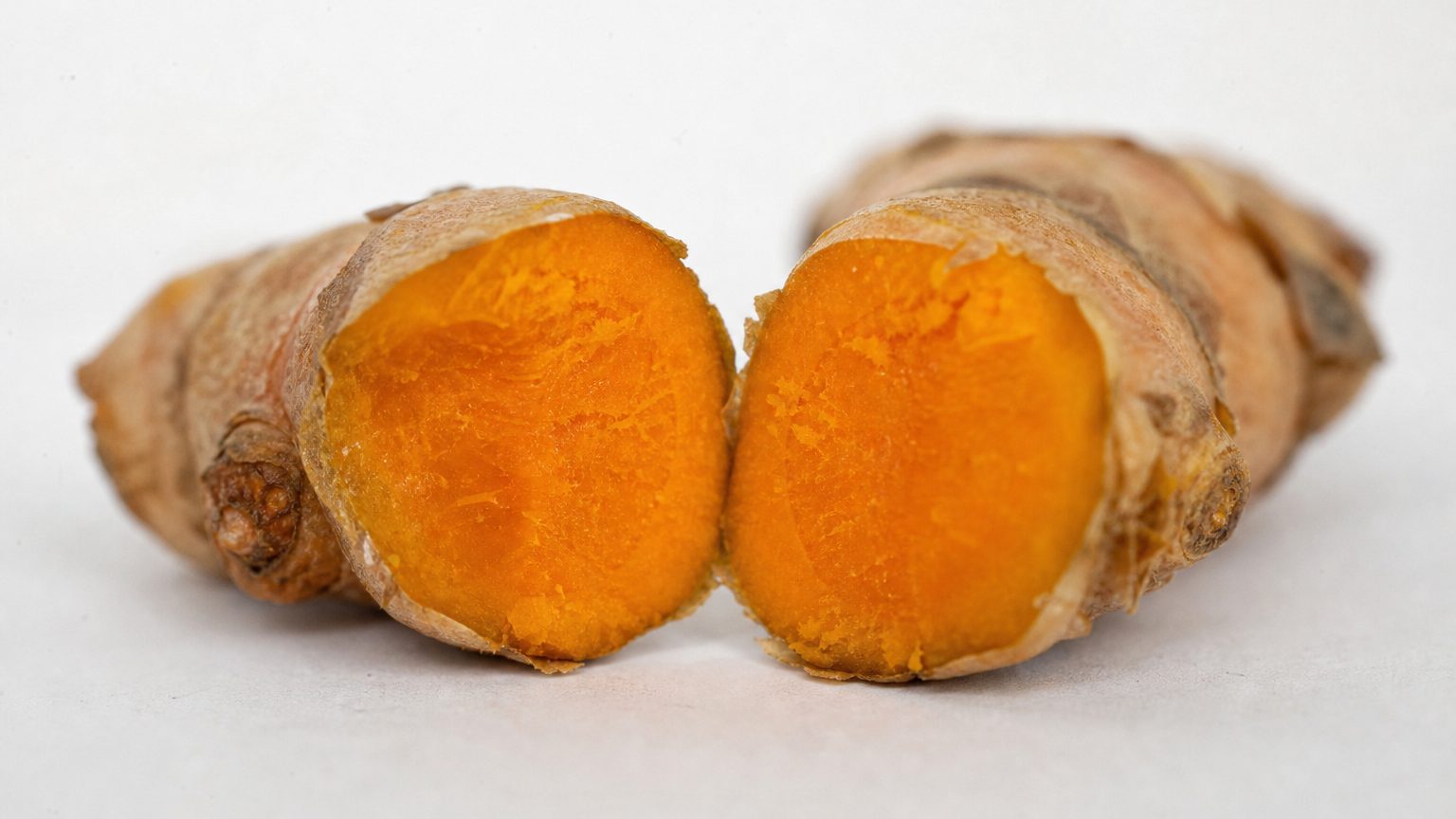
Turmeric may help support a healthy inflammatory response, but the evidence is not as simple as adding the spice to dinner. Most human studies test concentrated curcumin extracts, not ordinary turmeric, and results are promising but mixed. Here is what the research actually used, what participants experienced, and what you should consider before taking a supplement.
Key Takeaways
- Turmeric and curcumin differ: Curcumin is the most studied compound in turmeric, but it makes up only about 2-5% of the root by weight.
- Absorption is a major hurdle: Your body absorbs plain curcumin poorly, so many studies use piperine, fats, or specialized formulations.
- Trial results are encouraging, not conclusive: Some participants report better joint comfort and function scores, while biomarker findings are inconsistent.
- Research doses are concentrated: A cooking-sized amount of turmeric does not provide the curcumin quantities commonly tested in supplements.
- Extracts require more caution: Blood thinners, gallbladder concerns, medication interactions, and rare liver injuries all deserve attention.
Turmeric Is Not Curcumin
Turmeric is the golden-yellow rhizome, or underground plant stem, used in curry, tea, and traditional wellness practices. Curcumin is one of several naturally occurring compounds inside turmeric called curcuminoids. It supplies much of turmeric's familiar color and is the compound researchers study most often.
The key number is 2-5%. That is the approximate share of turmeric root made up of curcumin by weight. If one teaspoon of ground turmeric weighs around 3 grams, it may contain roughly 60-150 milligrams of curcumin. The exact amount changes with the plant variety, growing conditions, storage, and processing.

Ground turmeric contains only a small percentage of curcumin, so culinary servings differ greatly from the concentrated extracts used in trials.
By comparison, clinical trials often use extracts standardized to provide hundreds of milligrams of curcuminoids per day. Standardized means the manufacturer tests and adjusts the extract so that each serving contains a stated concentration. A label that lists 500 milligrams of turmeric powder is therefore not equivalent to one listing 500 milligrams of curcuminoids.
This distinction explains why cooking with turmeric and taking a studied extract should not be expected to produce the same result. Food provides flavor, color, and plant compounds as part of a balanced diet. It is also generally a gentler way to consume turmeric. Supplements provide a much more concentrated exposure and need greater care.
When comparing products, check whether the label lists turmeric root, turmeric extract, total curcuminoids, or curcumin. Those terms describe different amounts of the compound used in research.
The Absorption Problem
Even a concentrated curcumin dose has another limitation. Plain curcumin has low bioavailability, which means only a small amount reaches your bloodstream in a form your body can use. It does not dissolve well in water, it can change during digestion, and the body clears much of it quickly.
Researchers and supplement makers use several approaches to address this problem. Piperine, a compound from black pepper, can slow some of the processes that clear curcumin. One small human absorption study found that adding 20 milligrams of piperine to 2 grams of curcumin increased measured curcumin exposure by about 20 times. That finding does not mean black pepper makes curcumin 20 times more effective. It only describes what entered the bloodstream under those study conditions.
Other products combine curcumin with fats because curcumin is fat-soluble. Lipid formulations package it with fats, while phytosomes bind it to phospholipids, the fat-like material found in cell membranes. Micelles and nanoparticles use very small carriers to help curcumin disperse during digestion. These enhanced forms can deliver very different amounts from the same number of milligrams.
This is why the front-label dose can be misleading. An 80-milligram enhanced formula might produce greater blood exposure than a much larger amount of plain curcumin. It also means results from one formula cannot automatically be applied to another.
Taking turmeric in a meal containing some fat is reasonable for culinary use. However, adding a pinch of pepper to food does not recreate the concentrated piperine-curcumin combinations used in research. Piperine may also affect how your body handles medications, so more absorption is not always better.
What the Human Trials Found
Human research has focused mainly on joint comfort, physical function, and inflammatory biomarkers. A biomarker is a measurable sign in blood, such as C-reactive protein, often shortened to CRP. Researchers use these markers to study biological activity, but a change in one marker does not necessarily mean a person feels better or has a meaningful health outcome.
In trials involving adults with knee osteoarthritis, some curcumin or turmeric-extract groups reported better pain and function scores than placebo groups. A systematic review in BMJ Open Sport & Exercise Medicine found favorable results across several trials, but the researchers also highlighted major differences in products, doses, study quality, and follow-up periods. Most trials were small and lasted only a few weeks or months.
Studies measuring CRP, interleukin-6, and tumor necrosis factor alpha have also produced mixed findings. Interleukins and tumor necrosis factor are signaling proteins involved in the body's inflammatory response. Some analyses report favorable changes in selected groups, while other trials find little or no clear difference. Results can depend on participants' starting health, the curcumin formulation, the dose, and study length.
This leaves a cautious conclusion. Curcumin research suggests possible support for joint comfort and a balanced inflammatory response, particularly with standardized, better-absorbed extracts. It has not established that turmeric food, tea, or supplements reliably deliver the same outcome for everyone. Studies also do not show that curcumin should replace medical evaluation or prescribed care.
The evidence is more promising than definitive. Larger, longer, independently funded trials using consistent formulas are still needed.
Doses Used in Research
There is no universally accepted turmeric or curcumin dose for inflammation. Clinical trials have used a wide range, partly because plain curcumin and enhanced formulations are absorbed so differently. The numbers below describe research context, not personal dosing advice.
| Form studied | Amounts commonly seen | What the number means |
|---|---|---|
| Ground turmeric | Food-sized servings | Usually provides tens of milligrams of curcumin per teaspoon |
| Standardized extract | About 500-1,500 mg daily | May refer to extract or total curcuminoids, depending on the label |
| Enhanced curcumin | Roughly 80-500 mg daily in some trials | Lower amounts may produce greater exposure because of the delivery system |
| Curcumin with piperine | Varies widely | Piperine changes absorption and may also change medication exposure |
The math shows why cooking is not equivalent to supplementation. To obtain 500 milligrams of curcumin from turmeric containing 2-5% curcumin, you would need approximately 10-25 grams of turmeric powder. That is roughly 3-8 teaspoons, depending on spoon size and density. Consuming that much can cause digestive discomfort, and the curcumin would still be absorbed poorly.
If you choose a supplement, compare the serving size, curcuminoid amount, and absorption method rather than looking only at total turmeric milligrams. Follow the product's label directions. Do not increase the serving to match a clinical trial without talking to your doctor.
Timing appears less important than consistency. Taking a curcumin supplement with food may be easier on the stomach, and a meal containing fat may help with absorption. There is no strong evidence that morning or evening is universally better. Give any routine enough time to evaluate it, and do not expect an immediate sensation.
Factor4 - Advanced Inflammation Management, LiveGood's number two seller, was formulated by one of the world's top immunologists to support a healthy inflammatory response. It is the first and only inflammation management supplement combining fish oil, turmeric, Coenzyme Q10, and garlic, four of the world's most powerful anti-inflammatory ingredients, in one bottle. Follow its label directions and take it with food. Members pay $19.95 versus $29.95 retail, supporting LiveGood's mission to "Provide the highest quality supplements in the world, at the lowest prices possible."
Who Should Be Careful
Turmeric used in normal food amounts is generally well tolerated. Concentrated turmeric and curcumin extracts are different. They can cause nausea, reflux, diarrhea, abdominal discomfort, or headache, particularly at higher servings.
Talk to your doctor before using an extract if you take an anticoagulant or antiplatelet medication. These are medicines that limit blood clotting, including warfarin and certain prescription blood thinners. Turmeric supplements may add to bleeding concerns. You should also ask about them before surgery or if you have a bleeding disorder.
Gallbladder problems require caution. Curcumin may stimulate bile flow, so people with gallstones, a blocked bile duct, or another gallbladder condition should speak with a clinician rather than self-treating. Turmeric is also relatively high in oxalate, a natural compound that can contribute to certain kidney stones in susceptible people.
Rare cases of liver injury have been reported with turmeric or curcumin supplements, including some products designed for enhanced absorption. Stop using the supplement and seek medical care if you develop yellow skin or eyes, dark urine, unusual itching, severe fatigue, persistent nausea, or upper abdominal pain. If you have an existing liver or kidney condition, talk to your doctor before use.
Piperine creates a separate interaction concern because it can change how the body processes certain medicines. Review all medications and supplements with a pharmacist or doctor rather than assuming black pepper extract is harmless.
Pregnant or breastfeeding people should talk to their doctor before taking concentrated turmeric products. The same applies if you have an existing medical condition or use prescription medication. Johns Hopkins Medicine also advises caution with high-dose supplements and emphasizes that more curcumin is not automatically better.
Frequently Asked Questions
Does turmeric help with inflammation?
Possibly, but the strongest research is on concentrated curcumin extracts rather than turmeric used in food. Some human trials report favorable changes in joint comfort, function scores, or selected inflammatory biomarkers. Other findings are less clear, and studies use different formulas and small participant groups. Turmeric can be part of a healthy diet, but it should not replace medical care.
How much turmeric do you need for inflammation?
There is no established turmeric dose for inflammation. Studies often test about 500-1,500 milligrams of standardized extract daily, although enhanced formulations may use much less. These amounts are not equivalent to ground spice. Follow the supplement label rather than copying a study dose, and talk to your doctor before using concentrated extracts, especially if you take medication or have a medical condition.
Why is curcumin taken with black pepper?
Black pepper contains piperine, which can increase how much curcumin reaches the bloodstream. This addresses curcumin's naturally poor absorption, but greater absorption does not guarantee a greater benefit. Piperine can also alter how the body processes some prescription medications. If your product contains concentrated black pepper extract, review it with your doctor or pharmacist before use.
How long does turmeric take to work?
Turmeric is not expected to create an immediate, noticeable effect. Trials that report changes in joint comfort or related measures commonly last about 4-12 weeks, although timelines vary by product and participant. A cooking amount may not match the extracts used in those studies. If you try a supplement, use it consistently as directed and keep your expectations realistic.
Who should not take turmeric?
People with gallbladder problems, bleeding disorders, or previous reactions to turmeric should avoid concentrated products unless a clinician approves them. Talk to your doctor if you take anticoagulants, are pregnant or breastfeeding, have kidney or liver conditions, use prescription medication, or have an upcoming surgery. Stop use and seek care if symptoms of possible liver injury appear.