
Can You Give Your Pet Human CBD Oil?
 Written by Nauder Khazan
Ask AI about this article and CBD Oil - For Pets (500mg Beef)





Human CBD oil is not automatically safe for pets. Some human tinctures contain xylitol, which is seriously toxic to dogs, or essential oils that may harm dogs or cats. Even a simple formula can be too concentrated for a smaller body, so check the entire label and talk with your veterinarian before giving any CBD product.
Key Takeaways
- Check for xylitol first: Even a small amount can create a medical emergency in a dog.
- Read every ingredient: Certain essential oils, flavorings, and added sweeteners may be unsafe for pets.
- Compare the concentration: Human tinctures may contain far more CBD per drop than a pet needs.
- Ask your veterinarian: CBD may interact with medications, and veterinary evidence remains limited.
- Look for independent testing: A current certificate of analysis can confirm CBD, THC, and contaminant levels.
The Short Answer for Pet Owners
You should not give your pet human CBD oil unless a veterinarian has reviewed the specific product and helped you interpret its concentration. The CBD molecule is the same whether a bottle is marketed to people or pets. The surrounding formula, serving instructions, and potency may be very different.
Start with the ingredient list. Do not use a product containing xylitol. Also be cautious with chocolate flavor, artificial sweeteners, alcohol, and essential oils. Peppermint, wintergreen, cinnamon, citrus, tea tree, and other essential oils can pose risks that vary by oil, dose, route, and animal species. A scent or flavor that seems harmless to you is not necessarily appropriate for a dog or cat.
Next, look at THC. THC is the intoxicating cannabis compound, and pets can be more sensitive to it than people. Full-spectrum hemp products may contain small amounts within legal limits, but legal for human sale does not mean suitable for every animal. Accidental exposure to marijuana or a high-THC product requires prompt veterinary advice.
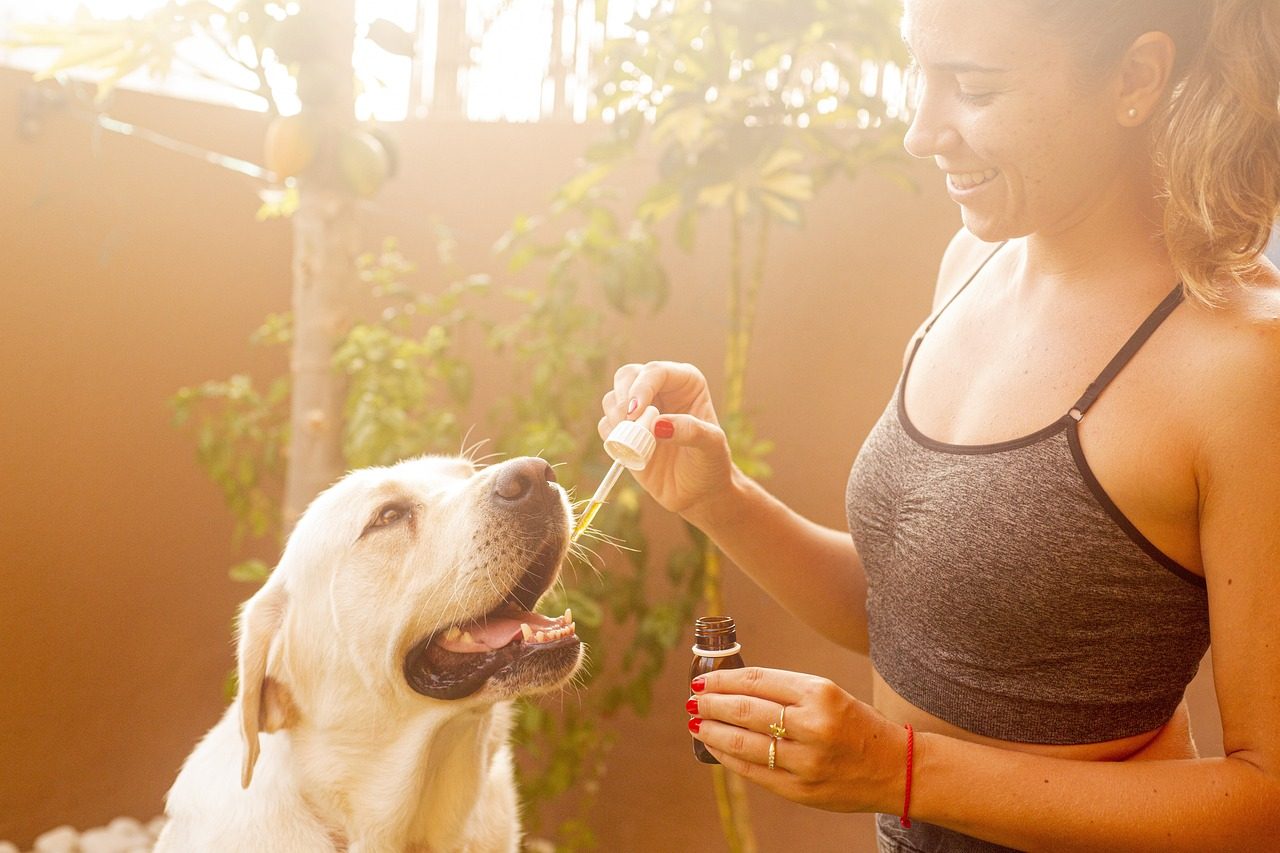
Human and pet CBD oils may contain the same cannabinoid, but their added ingredients and concentrations can differ substantially.
Finally, do not assume that a pet label alone guarantees quality. Pet CBD products are not evaluated like approved veterinary drugs, and their actual contents can vary. A pet-specific formula with clear ingredients, weight-based label directions, and batch testing is usually the more practical option. The reverse question deserves care too. Humans should not take CBD oil labeled for animals without checking its ingredients, intended use, and quality with a doctor or pharmacist.
The Xylitol Problem
Xylitol is the most urgent label check for dog owners. It is a sweetener used in some sugar-free foods, dental products, flavored medicines, and human supplements. In dogs, xylitol can trigger a rapid release of insulin. That can make blood sugar fall dangerously low, a condition called hypoglycemia. Larger exposures may also injure the liver.
Possible warning signs include vomiting, weakness, unusual sleepiness, poor coordination, collapse, tremors, or seizures. Signs may appear quickly, but you should not wait for symptoms if you know or suspect your dog swallowed xylitol. Call your veterinarian, an emergency animal hospital, or an animal poison control service right away. Do not induce vomiting or give food, sugar, or medication unless a veterinary professional tells you to do so.
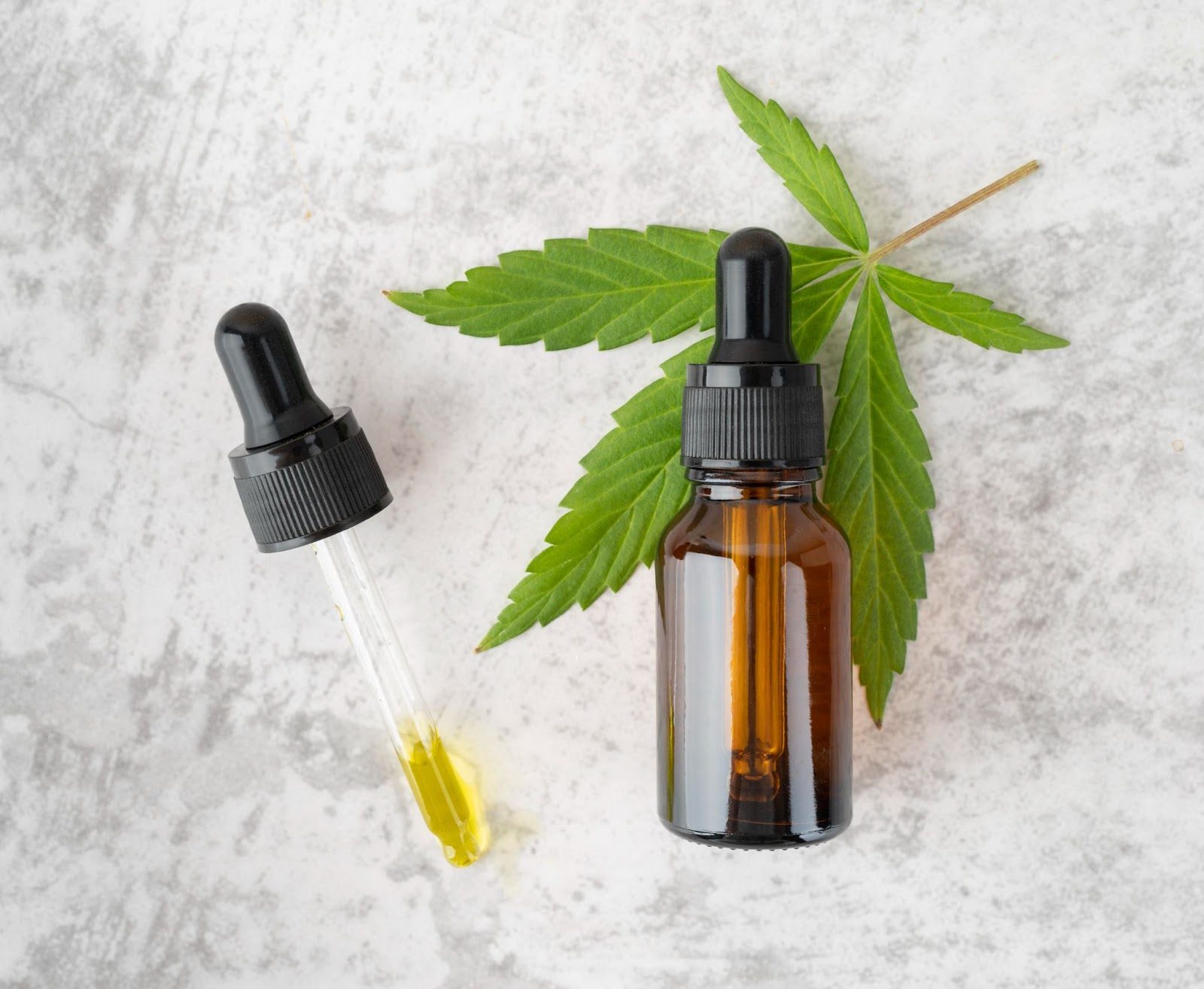
Check every CBD label for xylitol and other ingredients that may be unsafe for your pet.
Read both the front and back labels because xylitol may appear in a flavor system or inactive ingredient list. Terms such as "sugar-free" do not tell you which sweetener was used. If you cannot verify every ingredient, do not give the oil to your pet.
Xylitol poisoning is especially well documented in dogs. Cats do not appear to respond in exactly the same way, but that is not a reason to offer them a xylitol-containing product. Cats process many plant compounds and flavoring ingredients differently from both people and dogs. The safest rule is simple: keep human tinctures and other flavored supplements out of reach, and choose products with a short, fully disclosed ingredient list.
Concentration and Body Weight
After ingredients, concentration is the next major issue. CBD concentration tells you how much CBD is present in a certain amount of oil. A bottle may list the total CBD in the entire container, the amount in one full dropper, or both. That does not always reveal the amount in a single drop, especially because droppers and drop sizes differ.
A human tincture may be designed for an adult who weighs several times more than a small dog or cat. Two bottles can also look identical while containing very different amounts of CBD. Never copy a human serving, estimate from the front label, or assume that one drop is a harmless amount.
Your veterinarian should guide any dosing decision. They can consider your pet's species, weight, age, health history, medications, diet, and the exact product concentration. There is no single CBD amount that is appropriate for every dog, and a dose used in a research study should not be converted into home instructions. Cat data are even more limited.
A useful label should provide weight-based directions and tell you how much CBD is delivered by the measured serving. Follow those directions only after your veterinarian agrees that the product is appropriate. Starting low and going slowly gives you time to notice unwanted changes, but it does not replace professional dosing advice. Stop using the product and contact your veterinarian if your pet becomes unusually sleepy, unsteady, restless, vomits, develops diarrhea, or behaves differently.
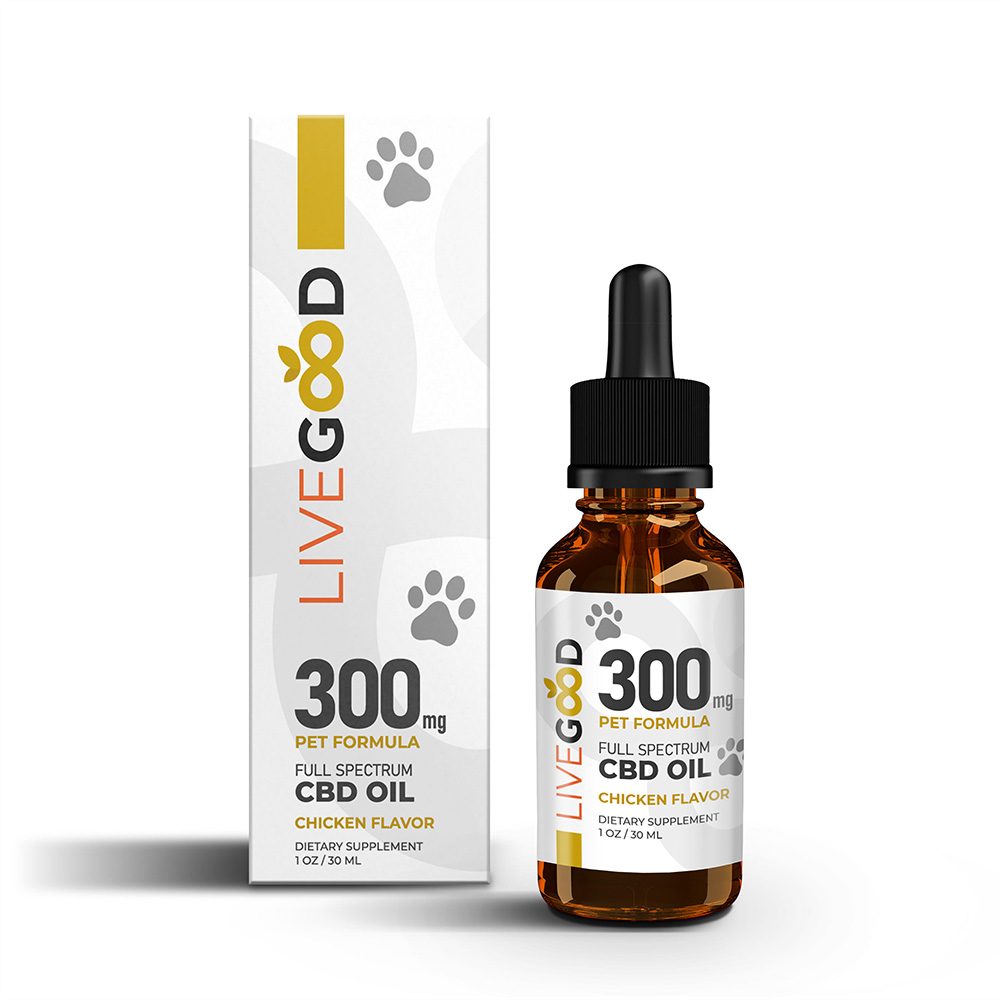
LiveGood CBD Oil - For Pets (500mg Beef) is a 500 mg, beef-flavored full-spectrum CBD oil formulated with the same highest quality ingredients and processes as the human formulas. The label provides weight-based directions, and the oil is best added to food while starting low and going slow after veterinary guidance. It is $12.95 for members versus $24.95 retail, helping make a consistent pet wellness routine more accessible because wellness should not be a luxury.
What the Veterinary Evidence Covers
Veterinary CBD research is still early. Small studies have examined how dogs absorb and process CBD, short-term tolerability, and selected clinical outcomes. Some have reported promising observations, but limited sample sizes, different formulations, short follow-up periods, and inconsistent doses make broad conclusions difficult. These studies do not establish that over-the-counter CBD treats, relieves, or manages any animal condition.
Research results also cannot be transferred automatically from one bottle to another. Oils may use different hemp extracts, carrier oils, concentrations, flavorings, and THC levels. The amount printed on the label may not always match the amount in the bottle. That is why product quality matters even when your veterinarian considers CBD reasonable.
A batch-specific certificate of analysis helps verify CBD potency, THC levels, and contaminant screening.
Look for a recent third-party certificate of analysis, often shortened to COA. This is a laboratory report from a company separate from the manufacturer. The batch number on the report should match the bottle. Check whether the report confirms CBD potency, shows the measured THC level, and screens for contaminants such as heavy metals, pesticides, microbes, and leftover processing solvents. A generic report with no batch number or date is less useful.
There is one FDA-approved prescription drug containing purified CBD, Epidiolex, for specific seizure disorders in people. That approval does not apply to ordinary CBD supplements or animal products. It also does not prove that a retail CBD oil is effective or safe for a pet.
Evidence for cats is particularly sparse. Cats may absorb and process cannabinoids differently from dogs, and they may react to carrier oils or flavoring ingredients differently as well. Honest guidance should reflect those gaps rather than turning early research into a medical promise.
Talking to Your Vet First
Bring the actual bottle, label photographs, and COA to your veterinarian before giving CBD. Your vet needs the complete ingredient list, total bottle size, CBD concentration, THC result, and any label directions. Tell them about every prescription, over-the-counter medicine, flea or tick product, and supplement your pet receives.
CBD can affect CYP450 enzymes. These are liver proteins that help the body process many medications. A useful comparison is the grapefruit warning found on some human medicines. Grapefruit can change how quickly certain drugs are broken down, and CBD may create similar interaction concerns. The result could be more or less medication in the body than intended. Pets taking prescription medication need veterinary review before CBD is added.
Your veterinarian may also recommend baseline or follow-up testing, especially if your pet has a liver condition or takes medicines processed by the liver. Do not stop, reduce, or reschedule a prescribed medicine to make room for CBD unless the prescribing veterinarian directs you to do so.
Bring the product label and laboratory report when discussing CBD with your veterinarian.
Be aware that veterinarians in some jurisdictions face legal or licensing restrictions on recommending or discussing cannabis-derived products. If your regular vet cannot advise you, ask whether they can refer you to a veterinarian with relevant training who is permitted to discuss the topic.
If your pet accidentally receives human CBD oil, gather the packaging and call a veterinary professional. Be ready to report the product name, ingredients, concentration, estimated amount, time of exposure, and your pet's weight. If the product contains xylitol, substantial THC, or an unknown ingredient, treat the situation as urgent. For human use of pet CBD, anyone taking prescription medication should ask a doctor first. Pregnancy, breastfeeding, liver or kidney conditions, and other existing medical conditions also call for medical guidance.
Frequently Asked Questions
Can you give a dog human CBD oil?
A dog should receive human CBD oil only if a veterinarian has reviewed the exact formula and concentration. Never give a dog a tincture containing xylitol, and avoid products with unsafe flavorings or poorly disclosed ingredients. Human oils may also be highly concentrated or contain THC. A clearly labeled pet formula with batch testing and veterinary guidance is generally easier to use responsibly.
Is xylitol dangerous for dogs?
Yes, xylitol is seriously toxic to dogs and can cause a rapid, dangerous drop in blood sugar. It may also contribute to liver injury at higher exposures. If your dog consumes a product containing xylitol, contact a veterinarian or animal poison control service immediately, even if your dog seems normal. Do not wait for weakness, vomiting, poor coordination, tremors, or seizures to appear.
How much CBD can a dog have?
The appropriate amount of CBD for a dog must be determined with a veterinarian using the dog's weight, health, medications, and the product's measured concentration. Do not copy a human serving or calculate a dose from an online chart. Follow weight-based label directions only after veterinary approval, start low, go slowly, and stop if you notice unusual sleepiness, stomach upset, poor balance, or behavior changes.
Is CBD safe for cats?
CBD cannot be described as universally safe for cats because feline research is limited and products vary widely. Cats may process CBD, THC, essential oils, and carrier ingredients differently from dogs or people. Ask your veterinarian before using any product, avoid formulas with questionable flavorings, and choose one with a complete ingredient list and a current batch-specific COA confirming potency and contaminant testing.
Should you ask a vet before giving CBD?
Yes, you should ask a veterinarian before giving CBD to a dog or cat. A vet can check the product's ingredients and concentration, consider liver health, and identify possible medication interactions. Bring the label and COA to the appointment. Some veterinarians face local restrictions on discussing CBD, so they may refer you to another qualified professional who can provide appropriate guidance.