
Can You Mix Collagen and Protein Powder?
 Written by Nauder Khazan
Ask AI about this article and Collagen Peptides





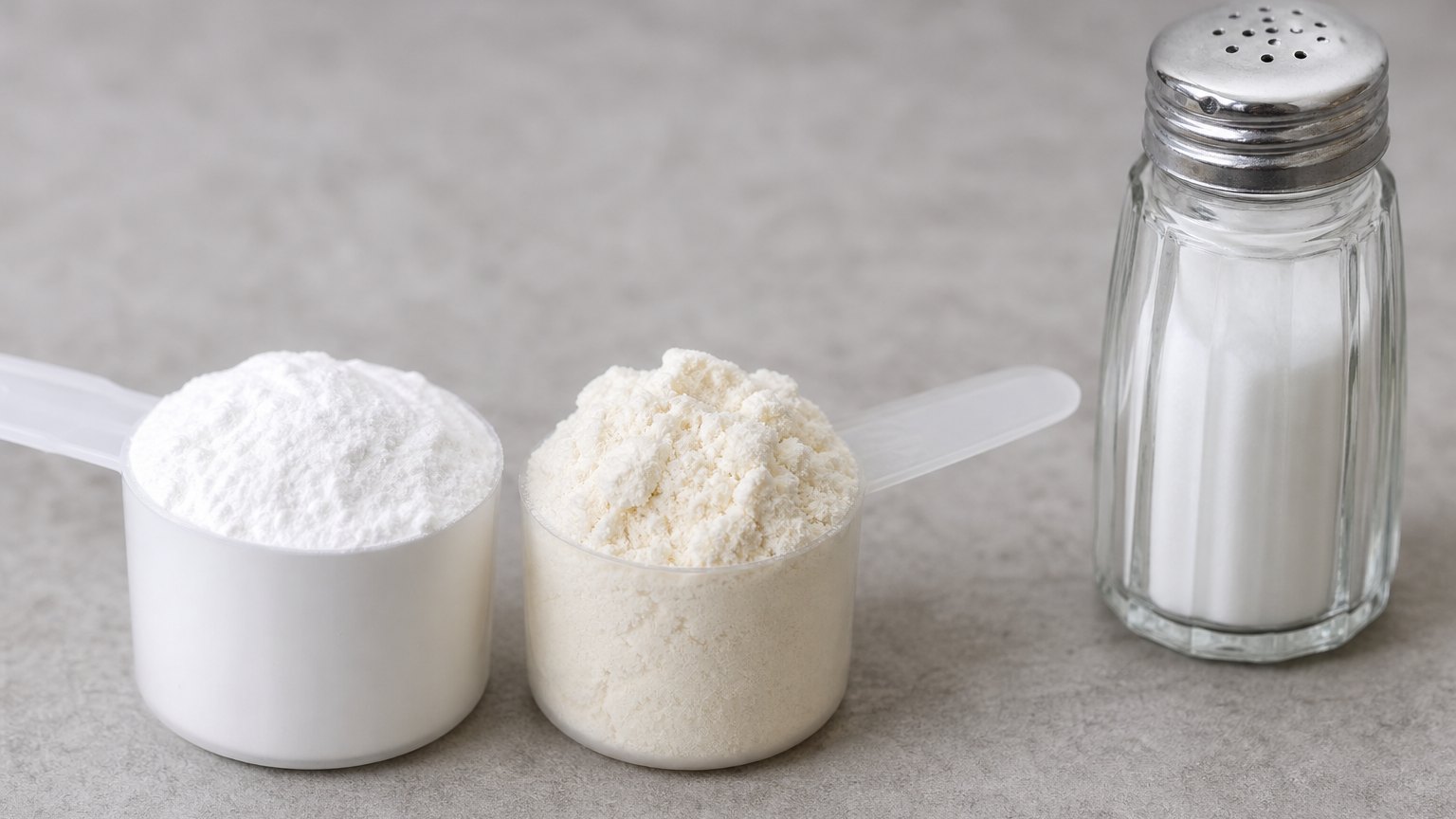
Yes, you can mix collagen and protein powder in the same drink or meal. The key caveat is that collagen is an incomplete protein, so treat it as an addition to your usual protein intake, not a substitute for complete protein. Here is why that distinction matters, plus how to combine the powders without clumps or confusion.
Key Takeaways
- Mixing is completely fine: Collagen and protein powder can go into the same shake, smoothie, coffee, oatmeal, or recipe.
- Collagen is an addition: It is missing tryptophan and contains relatively little leucine, so it should not replace complete protein in your daily target.
- Absorption is not a concern: There is no good evidence that collagen and whey, soy, pea, or other proteins compete when taken together.
- Timing is flexible: Take both at a time that fits your routine, whether that is breakfast, after exercise, or later in the day.
- Texture depends on technique: Dissolve collagen first or use a blender when combining multiple powders.
The Short Answer
You can safely mix collagen peptides with whey, casein, soy, pea, rice, or blended plant protein. Your digestive system regularly handles meals containing several kinds of protein at once. It breaks those proteins into smaller pieces called peptides and amino acids, then absorbs them through the small intestine.
There is no good evidence that collagen and whey "compete" for absorption or that one blocks the other. They contain overlapping amino acids, but that does not make the combination ineffective. Mixed meals naturally deliver amino acids from many foods at the same time.
The real issue is substitution, not mixing. Collagen is a protein, but it does not offer the same amino acid balance as a complete protein powder. Complete proteins contain all nine essential amino acids. These are amino acids your body needs but cannot make on its own. Collagen contains no tryptophan and is relatively low in leucine, one of those essential amino acids.
A practical approach is to choose a complete protein powder based on your food preferences, then add collagen if its specific amino acid profile and wellness uses fit your goals. That could mean whey or casein if you consume dairy, soy protein, or a thoughtfully blended plant powder. Check the label because not every plant powder provides the same amino acid balance.

Collagen can be mixed with complete protein, but the two powders serve different nutritional purposes.
Mix the powders in one drink if that is convenient. Just do not subtract the collagen grams from the amount of complete protein you intended to consume.
Why Collagen Does Not Count Toward Your Protein Target
Collagen is technically protein, and its grams may appear within the protein total on a nutrition label. However, when planning a daily target for complete, high-quality protein, it is more useful to keep collagen in a separate category.
Protein is made from smaller compounds called amino acids. Nine amino acids are considered essential because they must come from your diet. A complete protein supplies all nine in useful proportions. Whey, dairy, eggs, meat, fish, and soy are familiar examples. Some plant protein powders combine sources such as pea and rice to create a more balanced amino acid profile.
Collagen has a different job and composition. It is especially rich in glycine, proline, and hydroxyproline, amino acids commonly found in connective tissues. But collagen contains no tryptophan, which makes it incomplete. It is also low in leucine. Leucine helps signal the body to begin building and renewing protein-rich tissues, so its amount matters when evaluating overall protein quality.

Complete proteins provide all nine essential amino acids, while collagen is missing tryptophan and is low in leucine.
Imagine that you planned to get 25 grams of complete protein at breakfast. Adding 10 grams of collagen does not turn that serving into 35 grams of equivalent complete protein. You received 35 grams of dietary protein in a technical sense, but only 25 grams came from the complete source you selected for your broader nutrition goal.
This does not make collagen useless. It simply means collagen and complete protein are not interchangeable. Keep eating a balanced diet with adequate complete protein, then view collagen as a separate supplement rather than a shortcut for meeting that target.
Mixing Practicalities: Taste, Texture, Temperature
Collagen peptides are hydrolyzed, meaning the collagen has been broken into smaller pieces so it dissolves more easily. Most unflavored collagen has little taste, although some people notice a mild savory smell or aftertaste. Protein powder usually has a stronger flavor and thicker texture, so it tends to determine how the final drink tastes.
For a cold shake, add liquid first, followed by the protein powder and collagen. This keeps dry powder from packing into the bottom of the cup. A blender produces the smoothest result, especially when you add fruit, yogurt, nut butter, or ice. With a shaker bottle, shake immediately and let the drink rest briefly if foam develops.
If clumping is a problem, dissolve the collagen in a small amount of room-temperature or warm liquid first. Then add the mixture to your cold shake. You can also stir collagen into oatmeal, yogurt, soup, or pancake batter while preparing your complete protein separately.

Adding liquid first and blending promptly helps collagen and protein powder mix more smoothly.
Hot coffee is generally fine for collagen. Normal beverage temperatures do not remove its amino acids. Protein powders can be more temperamental. Whey may clump when poured directly into very hot coffee, and some plant powders become gritty. Stir the protein powder into a little cool water or milk first, creating a smooth paste, then slowly add the coffee. Heating changes a protein's shape, a process called denaturation, but does not erase its amino acid content.
Always follow both labels. Check sweeteners, flavors, dairy, soy, and other allergens, since digestive discomfort is more likely to come from the overall formula or serving size than from combining two proteins.
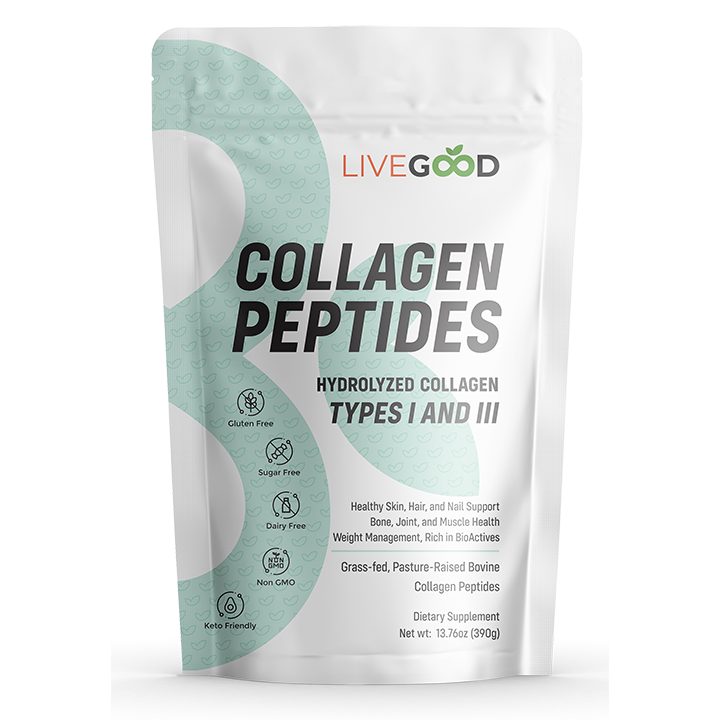
LiveGood Collagen Peptides provides hydrolyzed collagen types I and III and is the first and only collagen product that also includes Velositol, Polynol, and ApresFlex. Mixed according to label directions, it supports skin elasticity, hair and nail growth, joint function, bone structure, and healthy weight management. It is $29.95 for members versus $49.95 retail, reflecting a membership model designed to make wellness more accessible. Highest Quality. Lowest Prices. Every Day.
Timing the Two Together
You do not need to separate collagen and protein powder by several hours. Taking them together does not appear to reduce absorption, and there is no established timing rule that makes the combination work better. Consistency and your total diet matter more than whether you drink the mixture at 8 a.m. or 3 p.m.
Breakfast can be convenient if your morning meal is usually low in protein. A smoothie, oatmeal bowl, or coffee-based drink can fit both powders, although collagen should remain an addition to the complete protein portion. After exercise is another practical time if you already prepare a shake then. The convenience may help you remember the supplement, but it does not change collagen into a complete protein.

Collagen and protein powder can be taken together or at separate times based on convenience and comfort.
You can also split them. For example, put collagen in morning coffee and use your regular protein powder in an afternoon smoothie. This may produce a better texture and can be more comfortable if a large shake makes you feel overly full. The body does not require the two products to arrive together.
Follow each product's label directions rather than automatically doubling servings or creating a "loading" routine. More powder is not necessarily more useful, and larger amounts may cause fullness, bloating, or an unpleasant texture. A repeatable schedule is usually better than a complicated plan you abandon after a week.
If you take prescription medication, ask your doctor or pharmacist whether the complete supplement formulas fit your medication schedule. The concern may involve added ingredients rather than collagen or protein itself.
Who Benefits From Both
Using both may make sense when you already have a clear reason for each product. A complete protein powder can be a convenient food supplement when meals do not consistently provide enough protein. Collagen offers a different amino acid profile and may appeal to adults looking for support related to skin elasticity, hair, nails, joints, or connective tissue.
Evidence for collagen supplements is promising in some areas but not definitive. Studies use different collagen sources, serving amounts, durations, and outcome measures. Some report modest changes in skin or joint measures, while others are small or supported by manufacturers. Collagen should support a well-rounded routine, not replace adequate nutrition, movement, sleep, or medical care.
People who follow vegetarian or vegan diets should know that standard collagen comes from animals. It is not vegan, and most products are not vegetarian. A plant protein powder can be combined with collagen if you eat some animal-derived ingredients, but people following a fully vegan diet will need to skip conventional collagen. Products marketed as vegan "collagen" usually contain nutrients intended to support the body's own collagen production rather than collagen itself.
A consistent food-first routine helps you decide whether one or both supplements fit your needs.
Both powders may be unnecessary if your diet already meets your needs and you have no specific reason to add collagen. Supplements are tools of convenience, not required parts of a healthy diet.
Talk to your doctor before using either supplement if you are pregnant or breastfeeding, have kidney or liver problems, manage an existing medical condition, or take prescription medication. Also check the collagen source if you have fish, shellfish, beef, pork, or chicken allergies. Choose a routine you can maintain, assess it realistically over time, and avoid expecting a quick fix.
Frequently Asked Questions
Can you mix collagen and protein powder?
Yes, collagen and protein powder can be mixed in the same drink or food. Your digestive system can process several protein sources together, just as it does during a mixed meal. Use collagen as an extra rather than a replacement for whey, soy, or another complete protein. Adding liquid first and blending or shaking promptly usually produces the smoothest texture.
Does collagen count toward daily protein?
Collagen contributes protein grams, but it should not replace complete protein when planning your daily target. It contains no tryptophan and relatively little leucine, so its essential amino acid profile is incomplete. Keep collagen in a separate planning category while getting complete protein from foods or an appropriately formulated powder. This preserves the distinction between total protein grams and protein quality.
Does mixing them reduce absorption?
No good evidence shows that combining collagen with protein powder reduces absorption. Digestion breaks both products into peptides and amino acids that can be absorbed through the small intestine. The idea that collagen and whey compete is a common myth, not an established nutritional concern. Ingredients such as gums or sweeteners may affect digestive comfort, but that is different from blocking protein absorption.
Can you put collagen in hot coffee?
Yes, collagen peptides can generally be stirred into hot coffee without losing their amino acid content. Prolonged extreme heat can change protein structure, but ordinary coffee preparation is not considered a practical concern. If you also add whey or plant protein, mix that powder with cool liquid first to reduce clumping, then slowly stir in the hot coffee.
Should you take them at different times?
No, you do not need to take collagen and complete protein at different times. Combining them is convenient and does not appear to create an absorption problem. You may still prefer separate servings for taste, texture, fullness, or routine. Follow each label's directions and choose the schedule you can maintain consistently rather than looking for a narrow timing window.