
CBD and Barking in Dogs: What to Know
 Written by Ben Glinsky
Ask AI about this article and CBD Oil - For Pets (500mg Beef)






CBD has not been shown to stop dog barking, and barking itself is communication rather than a disorder. The useful first step is finding out whether your dog is reacting to separation, activity outside, boredom, pain, or another trigger. Here is what canine CBD research has actually measured, plus the approaches most likely to change barking safely.
Key Takeaways
- Barking communicates something: The trigger and context determine what your dog needs.
- Rule out health problems: New or unusual barking can signal pain, distress, sensory changes, or cognitive decline.
- Keep CBD expectations realistic: Canine studies have not established that CBD stops or reduces barking.
- Use reward-based training: Management, enrichment, desensitization, and reinforcement address the behavior directly.
- Ask for qualified help: A veterinarian and certified behaviourist can build a plan for persistent or separation-related barking.
Barking Is a Symptom, Not a Diagnosis
Dogs bark to share information. A bark may mean that someone is approaching, play is getting exciting, a need has not been met, or something feels wrong. Some breeds are also naturally more vocal than others. That means there is no single remedy for every dog that barks frequently.
Before trying CBD for dog barking, look at what happens immediately before and after each episode. Note the location, time, people or animals present, duration, body language, and your response. A short phone video can also help your veterinarian or trainer see details you might miss in the moment.
Pay attention to posture. A loose body and wagging tail during play suggest something different from pacing, panting, hiding, trembling, stiffening, or repeated attempts to escape. Barking near a window may be alert behavior. Barking only when you leave may point to separation-related distress. Vocalizing while standing up, climbing stairs, or being touched may suggest discomfort.
The goal is not to silence normal communication. It is to understand why the barking happens, protect your dog's welfare, and teach a safer or quieter response where needed. Products cannot do that diagnostic work for you, and suppressing the sound without addressing its cause may leave the underlying problem unchanged.

Watching when and where barking occurs can help you identify the message behind it.
The Common Reasons Dogs Bark
Several types of barking can sound nearly identical from another room. Context is what separates them. Common patterns include:
- Alert or territorial barking occurs when a dog notices people, dogs, vehicles, or sounds near the home. Windows, fences, and doorways are frequent locations.
- Attention-seeking barking develops when noise reliably produces food, play, eye contact, or access to something. Even scolding can become attention that keeps the pattern going.
- Boredom or frustration barking can appear when a dog lacks exercise, sniffing opportunities, social contact, or mentally engaging activities. Repetitive pacing or fence running may occur with it.
- Fear-related barking often comes with retreating, a tucked tail, lowered posture, trembling, or defensive lunging. Common triggers include unfamiliar visitors, storms, fireworks, and other dogs.
- Separation-related barking happens when a dog is alone or loses access to a particular person. Drooling, destruction near exits, indoor accidents, pacing, or escape attempts make distress more likely than ordinary protest.
- Excitement and play barking may occur during greetings, games, walks, or encounters with familiar dogs. The dog's body is generally loose and energetic.
- Physical discomfort or age-related changes can lead to vocalization that appears unexplained, especially at night or during movement.
Keep a seven-day barking log before changing several things at once. Record exercise, meals, rest, visitors, departures, and triggers. Patterns often become clearer within a week. If barking starts suddenly, seems painful, or accompanies a major behavior change, skip the experiment and contact your veterinarian.

Body language and context help distinguish alert barking from fear, excitement, boredom, or distress.
Why Pain Should Be Ruled Out First
A sudden change in barking deserves a veterinary exam before supplements or training. Dogs cannot describe a sore joint, dental problem, digestive discomfort, urinary issue, injury, or loss of hearing or vision. Vocalizing may be one of the first changes you notice.
Watch for limping, stiffness, reluctance to jump, sensitivity to touch, altered appetite, disrupted sleep, repeated licking, hiding, panting at rest, or difficulty settling. Barking while getting up or being handled is especially relevant. Do not give your dog a human pain medicine unless a veterinarian specifically directs you to do so. Several common medicines for people can be dangerous to dogs.
Older dogs may bark more because of reduced hearing or sight. They can also develop canine cognitive dysfunction, an age-related decline involving memory and awareness. Possible signs include nighttime restlessness, staring, getting stuck in corners, altered social interaction, indoor accidents, and changes in the sleep-wake cycle. These signs need veterinary assessment rather than an assumption that the dog is simply becoming noisy.
Seek prompt care if barking or crying occurs with trouble breathing, collapse, a swollen abdomen, repeated vomiting, inability to urinate, major trauma, weakness, or severe agitation. For less urgent changes, bring your notes and videos to the appointment. Finding and addressing a health issue may change the behavior, while an exam that rules out pain lets you move forward with training more confidently.
What CBD Research in Dogs Has Measured
CBD, short for cannabidiol, is one of the compounds found in cannabis. It does not produce the same intoxication associated with THC, but that does not make every CBD product risk-free. THC is toxic to dogs, and human cannabis products may also contain chocolate, xylitol, or other ingredients that are unsafe for pets.
Canine CBD research remains limited. Studies have examined how dogs absorb and eliminate CBD, short-term tolerability, blood test changes, activity or mobility measures in dogs with osteoarthritis, seizure frequency alongside veterinary medicines, and stress-related signs during events such as separation or travel. These studies use different products, amounts, schedules, and outcome measures. They do not establish that CBD stops barking or provide a reliable timeline for making a dog quieter.
Safety findings also require care. Reported concerns include digestive upset, sleepiness, appetite changes, and changes in liver enzyme results. CBD can affect CYP450 enzymes, a group of liver enzymes that process many medications. This creates the potential for drug interactions, including with medicines used for seizures, pain, behavior, or heart conditions. Your veterinarian needs to review the full medication list.
Independent testing of commercial CBD products has repeatedly found label and content mismatches. The measured CBD may differ from the label, and some products may contain unexpected THC or contaminants. The FDA has approved no CBD product for pets. Epidiolex is the one FDA-approved CBD medicine, and it is prescribed for specific seizure disorders in people. Its approval does not mean over-the-counter pet CBD products have been evaluated or approved as medicines.
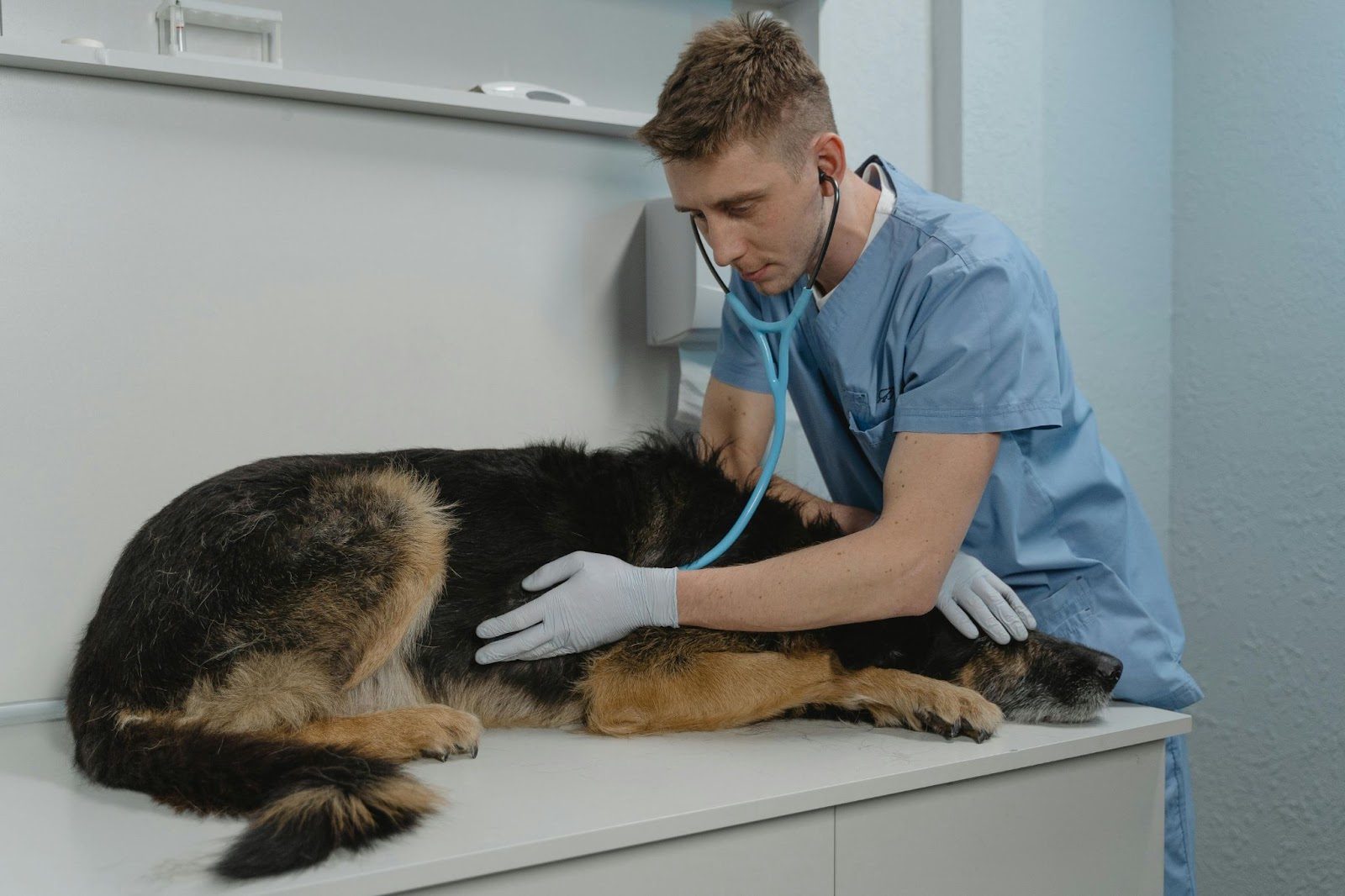
Canine CBD studies have measured several outcomes, but they have not established CBD as a way to stop barking.
What Actually Changes Barking Behaviour
Behavior modification is the evidence-based route for changing barking. This means adjusting triggers and consistently rewarding the response you want. Start with management so your dog is not rehearsing the behavior all day. Close blinds, add privacy film, move furniture away from windows, use background sound, or choose quieter walking routes when appropriate.
Next, meet basic needs. Provide suitable physical activity, sniffing walks, predictable rest, social time, food puzzles, and short training games. More exercise is not always the answer, especially for a dog in pain or one that becomes increasingly aroused. Match activity to your dog's age, health, and temperament.
For identifiable triggers, use desensitization and counterconditioning. Desensitization means presenting the trigger at a mild level that does not cause a full reaction. Counterconditioning means pairing that low-level trigger with something your dog values, such as a small treat. For example, begin with a doorbell recording at very low volume, reward relaxed behavior, and increase the volume gradually across sessions. If barking erupts, the step was too difficult.
You can also reward an alternative behavior. Teach your dog to go to a mat, look at you, find scattered treats, or move away from the window. Reward quiet pauses rather than repeatedly shouting "quiet," which may add more noise and attention. Avoid shock collars, physical punishment, or frightening corrections. They do not address the cause and can worsen fear or defensive behavior.
Separation distress needs a tailored plan with absences kept below the point of panic. Do not leave a distressed dog to "bark it out." A certified behaviourist can structure gradual practice and coordinate with your veterinarian when additional clinical support is needed.

Rewarding a calm alternative behavior gives your dog a practical response to use around familiar triggers.
If your veterinarian agrees that CBD fits your dog's general wellness routine, CBD Oil - For Pets (500mg Beef) is a 500 mg, beef-flavored, full-spectrum CBD formula made with the same high-quality ingredients and processes as LiveGood's human formulas. Follow the label's weight-based directions, add it to food, and start low and go slow. It costs $12.95 for members and $24.95 retail, supporting access without presenting CBD as a barking solution.
Working With a Vet or Behaviourist
Start with your veterinarian when barking is new, escalating, happening at night, or paired with physical or emotional changes. Share when it began, how long episodes last, what triggers them, and what your dog does when no one is home. A camera recording can reveal pacing, panting, destruction, or escape behavior that is not visible while you are away.
If you are considering CBD, bring the exact product label and, when available, its current certificate of analysis. This laboratory document reports the measured cannabinoid content and may include contaminant testing. Ask about possible interactions with prescriptions and whether follow-up blood testing is appropriate. Full-spectrum products may contain trace amounts of multiple cannabis compounds, so careful product review matters. Never replace a prescribed medicine or change its amount without veterinary direction.
For persistent barking, ask for a referral to a qualified reward-based professional. A veterinary behaviourist is a veterinarian with advanced specialty training in behavior and medicine. A certified applied animal behaviourist or appropriately credentialed behavior consultant may also help, depending on the case. Ask what credentials they hold, which methods they use, and whether they coordinate with your veterinarian.
A certified behaviourist is particularly valuable for separation anxiety, panic, aggression, or barking that has not improved with basic management. These cases are not failures of obedience. They require a plan built around the dog's emotional state and tolerance level.
Expect gradual progress rather than a quick fix. Keep sessions short, work below the point where your dog becomes overwhelmed, and track frequency and duration instead of expecting total silence. Consistency gives you better information and helps your dog practice the behavior you want.
Frequently Asked Questions
Does CBD help dogs stop barking?
CBD has not been shown to stop barking in dogs. Canine research has examined absorption, tolerability, mobility, seizures, and some stress-related measures, but it does not establish CBD as a barking intervention. Because barking has many causes, identify the trigger, rule out pain, and use reward-based behavior modification. Discuss any CBD product with your veterinarian first.
Why is my dog barking so much?
Your dog may be barking because of alert behavior, excitement, boredom, frustration, fear, separation distress, discomfort, or age-related changes. Record when the barking occurs and note body language, location, and triggers. Sudden barking, nighttime vocalization, or barking paired with changes in movement, appetite, sleep, or awareness should prompt a veterinary exam.
Is CBD safe for dogs?
CBD is not risk-free for dogs, and the FDA has approved no CBD products for pets. Possible concerns include digestive upset, sleepiness, liver enzyme changes, inaccurate labels, THC exposure, and medication interactions involving CYP450 liver enzymes. THC is toxic to dogs. Ask your veterinarian to review the product, laboratory report, health history, and current medicines before use.
What actually helps with excessive barking?
Finding the cause and using consistent, reward-based behavior work are the most practical steps. Reduce exposure to triggers, provide suitable exercise and enrichment, reward quiet alternative behaviors, and use gradual desensitization with counterconditioning. Avoid punishment and shock collars. Separation-related distress, panic, or aggression should be addressed with a veterinarian and a certified behaviourist.
When should you see a vet about barking?
See a veterinarian when barking begins suddenly, increases without an obvious reason, occurs at night, or comes with pain, appetite changes, confusion, breathing problems, weakness, or altered movement. Older dogs with new vocalization also need assessment for sensory or cognitive changes. Seek urgent care for collapse, severe agitation, major trauma, a swollen abdomen, or difficulty breathing or urinating.