
CBD and Exercise Recovery: What Research Shows
 Written by Nauder Khazan
Ask AI about this article and CBD Pain Relief Cream





CBD for recovery is not a proven shortcut. Early studies are small and show mixed findings for soreness, muscle damage markers, performance, and sleep. Here is what researchers have measured, what athletes should watch for, and which recovery habits deserve priority.
Key Takeaways
- Evidence remains limited: Small studies do not establish that CBD reduces soreness, repairs muscle, or speeds exercise recovery.
- Recovery has several parts: Muscle repair, energy replacement, sleep, hydration, and nervous system rest all matter.
- Product form changes the experience: Topicals stay mostly local, while oral CBD circulates through the body and creates more interaction concerns.
- Drug testing requires caution: CBD is not prohibited by WADA, but THC and other cannabinoids are, and contaminated products can cause a positive test.
- Basics deliver more value: Sensible training, adequate food, hydration, and consistent sleep remain the strongest recovery tools.
What Recovery Actually Involves
Exercise recovery is the process of returning to normal after training and adapting so you can handle future work. It is not one switch that a supplement turns on. Several processes happen at the same time, often over hours or days.
Resistance exercise places stress on muscle fibers. Your body responds by rebuilding proteins within those fibers. Long or intense activity also uses glycogen, the carbohydrate stored in muscle and liver. Eating enough carbohydrate helps replace that fuel. Fluids and electrolytes, minerals such as sodium and potassium, also need attention when you sweat heavily.
Your nervous system and connective tissues recover too. That is one reason feeling less sore does not necessarily mean you are ready for another hard session. Delayed-onset muscle soreness, often called DOMS, usually appears 12 to 24 hours after unfamiliar or demanding exercise. It may peak later. Soreness is subjective, meaning it depends partly on personal perception, and it is not a precise measure of muscle repair.
Sleep supports many of these processes. Training load matters as well. If hard sessions repeatedly exceed your ability to recover, no cream, gummy, or oil can replace adequate rest and a better plan.
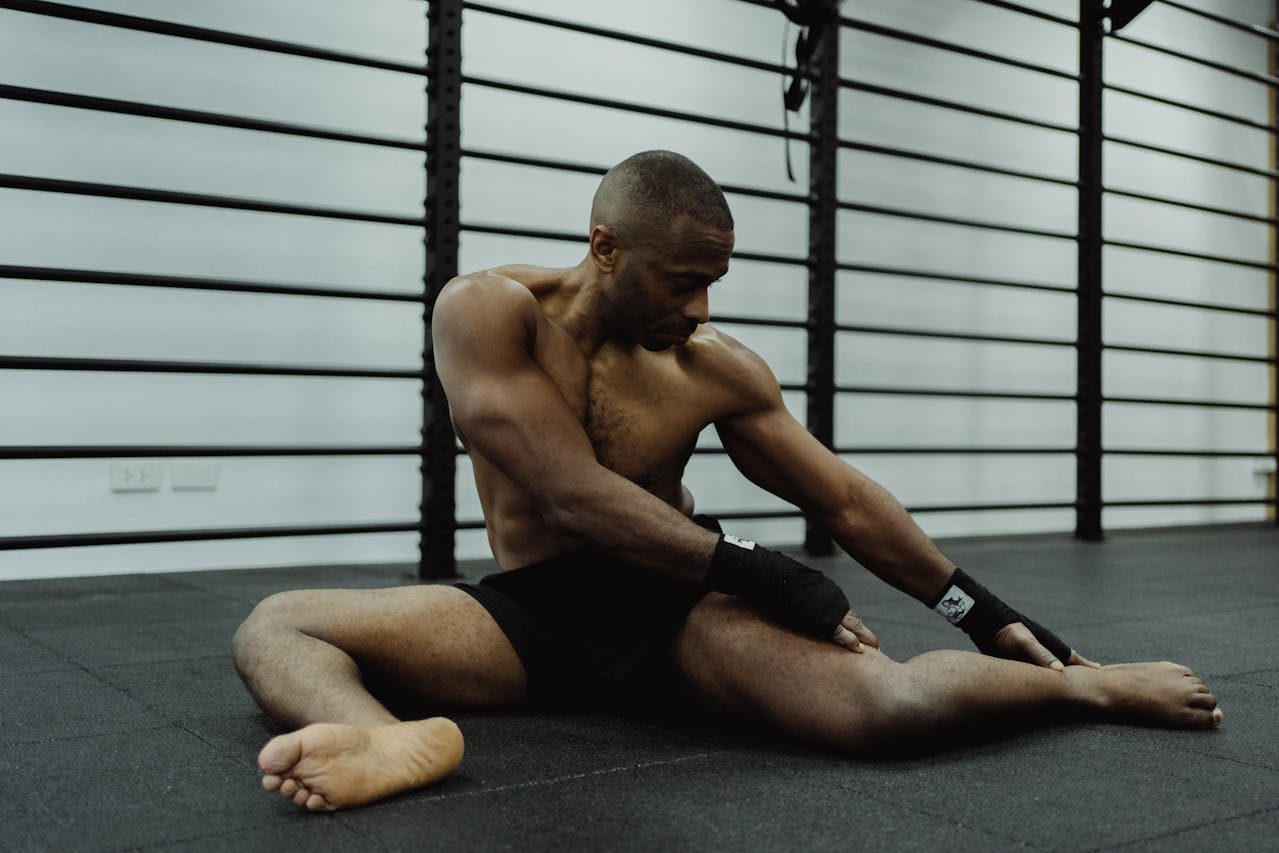
Exercise recovery involves muscle adaptation, fuel replacement, hydration, sleep, and sensible training decisions.
When evaluating CBD for recovery, ask what outcome you actually care about. Less perceived discomfort, better sleep, restored performance, and lower blood markers of muscle stress are different outcomes. A study finding a change in one does not prove improvement in all the others.
What the Small CBD Studies Measured
Research on CBD after exercise is still at an early stage. Most human studies include relatively few participants, use short testing periods, or examine one demanding workout rather than an athlete's full training season. That makes broad claims about recovery premature.
Researchers have measured several different outcomes. Some ask participants to rate muscle soreness on a numbered scale. Others test strength, jumping ability, or range of motion after exercise. Blood tests may measure creatine kinase or myoglobin, proteins that can rise when exercise stresses muscle tissue. These are often called muscle damage markers, but they do not perfectly show how well someone feels or performs.
Some studies have also examined sleep, perceived well-being, or inflammation-related blood signals. Findings across these categories have not been consistent. A result involving one blood marker should not be translated into a claim that CBD repairs muscle or speeds whole-body recovery. Likewise, a small difference in a soreness questionnaire may not produce a meaningful training benefit.
CBD amounts, timing, and participant characteristics vary widely between studies. Some research uses oral capsules or oils, while topical products have far less exercise-specific evidence. Study products may also be more carefully verified than supplements sold in everyday stores.
The practical conclusion is modest. CBD has enough scientific interest to justify more research, but current studies do not establish it as a reliable muscle recovery aid. If you choose to use it, treat it as an optional part of a comfort routine, not the foundation of your recovery plan.
Why Findings Are Mixed
Mixed findings are common when a research area is young. Small studies can miss real effects, but they can also produce results that do not appear again in larger trials. A study of a dozen or two people should not carry the same weight as repeated, well-controlled research involving hundreds of participants.
Exercise protocols create another challenge. Running downhill, performing repeated leg extensions, and completing a full-body strength workout do not create identical stress. Trained athletes may also respond differently from people who are new to exercise. Dose, timing, diet, sleep, and previous CBD use can further change the result.
Product quality adds uncertainty outside the laboratory. Independent testing has repeatedly found that some CBD products contain more or less CBD than their labels state. Products may also contain unexpected THC. Terms such as full-spectrum, broad-spectrum, and isolate describe different cannabinoid profiles, but the label alone cannot guarantee the contents.
CBD can cause side effects, including sleepiness, digestive upset, and changes in appetite. It also affects CYP450 enzymes, a group of liver enzymes that process many medications. This creates the potential for prescription medication interactions. Talk to your doctor before using CBD if you take medication, are pregnant or breastfeeding, have a kidney or liver condition, or have another existing medical condition.
The FDA has approved one prescription CBD medicine, Epidiolex, for specific seizure disorders. That approval applies to the drug and its medical uses. It does not mean over-the-counter CBD supplements have been proven effective for exercise recovery or other purposes.
Topical vs Oral for Athletes
Topical and oral CBD products are not interchangeable. A topical cream is applied to a specific area and is mainly used as part of a local massage or skin-care routine. Oral products, including oils, capsules, and gummies, pass through digestion or are held in the mouth before CBD enters the bloodstream.
Topicals may feel cooling or warming because of ingredients such as menthol, camphor, peppermint, or wintergreen. Massage itself can also change how an area feels temporarily. Those experiences do not prove that CBD is repairing tissue or altering the recovery process. Exercise-specific research on topical CBD is especially limited.
Oral CBD has been studied more often, but it brings greater whole-body exposure. Effects may vary with food, digestion, serving size, and the product's actual CBD content. Oral use also makes medication interactions and drowsiness more relevant. Follow label directions rather than trying to copy a research dose, and do not increase a serving without discussing it with your doctor.
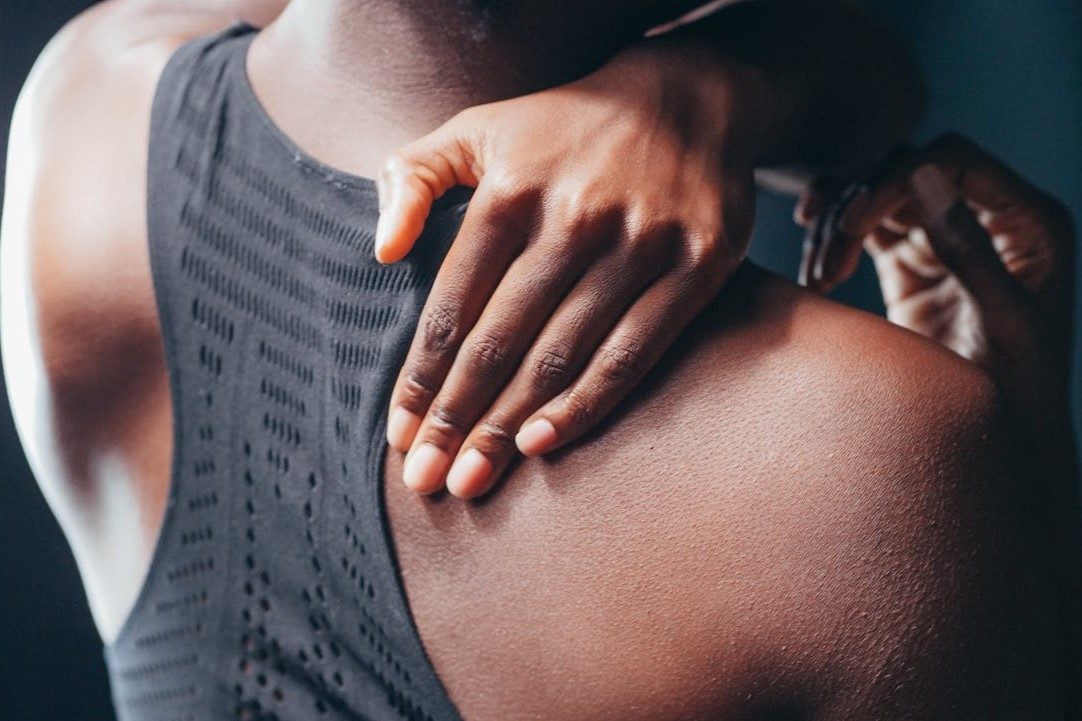
Topical products may fit a targeted massage routine, while oral CBD creates broader exposure and more interaction concerns.
If you choose a topical, patch-test a small area first. Avoid broken or irritated skin, wash your hands after application, and keep products away from the eyes. Stop using the product if your skin reacts. Also remember that topical does not automatically mean drug-test safe. Manufacturing contamination or the presence of other cannabinoids can still matter.
Your choice should therefore reflect your goal and risk level. A topical may fit a targeted post-workout massage routine. Oral CBD has broader exposure but more safety considerations. Neither form has been shown conclusively to speed recovery.
For a targeted massage routine, LiveGood CBD Pain Relief Cream is a topical cream scientifically formulated for synergy between organic aloe vera, menthol, camphor, peppermint, wintergreen, arnica, calendula, and nano CBD/CBG. The 4-ounce container can last for months depending on use. It is $17.95 for members versus $24.95 retail, reflecting LiveGood's mission to "Provide the highest quality supplements in the world, at the lowest prices possible." Follow the label directions.
The Anti-Doping Consideration
Competitive athletes need to separate CBD's legal status from drug-testing risk. The World Anti-Doping Agency, commonly called WADA, removed CBD from its prohibited list. However, all other cannabinoids remain prohibited in competition. That includes THC, the cannabinoid most associated with cannabis intoxication.
This distinction matters because many CBD products are not pure CBD. Full-spectrum products intentionally contain multiple hemp compounds and may include trace THC within legal limits. Repeated use can still create a risk of a positive test. The amount on the label may not match the amount in the container, and individual metabolism influences how long compounds remain detectable.
Broad-spectrum products are generally made to exclude THC, while CBD isolate is intended to contain CBD alone. Neither description is a guarantee. Cross-contamination, inaccurate labeling, or incomplete processing can introduce prohibited cannabinoids. A certificate of analysis, often shortened to COA, is a laboratory report for a particular batch. It can lower uncertainty when it comes from an independent laboratory, but it cannot eliminate all testing risk.
Athletes subject to testing should check the rules of their sport and organization before using any cannabinoid product. Look for current batch results and recognized sport-certification programs rather than relying only on marketing terms. Rules can change, so verify them each season.
The lowest-risk option for a tested athlete is to avoid cannabinoid products. If you still choose one, understand that a legal retail product can still create a sporting violation. The athlete, not the manufacturer, is generally responsible for substances found in a test.
What Genuinely Drives Recovery
The most reliable recovery plan is not complicated, but it does require consistency. Start with training load. Increase volume, weight, distance, or intensity gradually. Hard training creates the signal for adaptation, while easier days give your body time to respond. More work is not always more productive.
Eat enough total food to match your activity. Protein provides amino acids, the building blocks used to maintain and rebuild muscle tissue. Spreading protein across regular meals can be more practical than trying to make up for a low intake at night. Carbohydrate helps replace glycogen, especially after long endurance sessions or when you train again soon.
Replace fluids after sweating. Water may be enough for short, moderate sessions. Longer workouts, heat, and heavy sweating may make sodium and other electrolytes more relevant. Your needs depend on climate, workout length, and personal sweat rate.
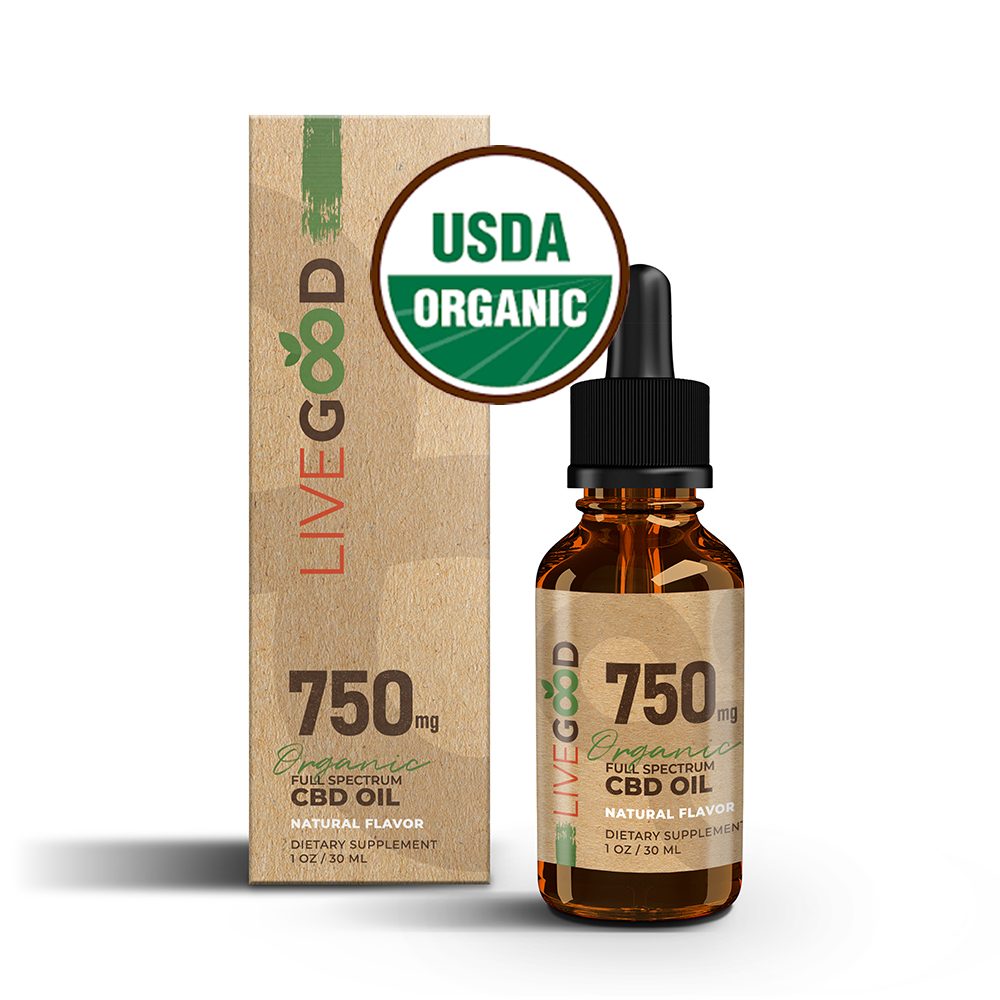
Sleep, balanced meals, hydration, and well-planned easier days remain the foundation of exercise recovery.
Most adults should aim for roughly seven to nine hours of sleep, while individual needs vary. A steady bedtime, a dark room, and less late-night screen use are simple places to start. Light movement on an easier day may help you feel less stiff, but it should remain easy enough to support your next session.
Pay attention to persistent or worsening discomfort, major swelling, unusual weakness, or an inability to use a limb normally. Those signs deserve professional assessment rather than another supplement or a harder workout.
CBD can be an optional part of a personal wind-down or massage routine, but it should not displace these basics. Recovery improves through repeated habits, not quick fixes. Track sleep, food, hydration, and training for several weeks before deciding whether any optional product adds meaningful value.
Frequently Asked Questions
Does CBD help with exercise recovery?
CBD has not been proven to improve exercise recovery. A few small studies have examined soreness ratings, muscle stress markers, performance, and sleep, but their findings are mixed. If you use CBD, view it as an optional addition to a post-workout routine rather than a substitute for sleep, nutrition, hydration, and appropriate training load.
Does CBD reduce muscle soreness?
Current research does not establish that CBD reduces post-workout muscle soreness. Some small trials report differences in perceived soreness, while others do not show a clear benefit. Soreness is also a personal rating and does not directly measure tissue repair. Give unfamiliar or demanding training enough recovery time, even if a topical massage temporarily changes how an area feels.
Is CBD banned in sport?
CBD itself is not prohibited by WADA, but THC and all other cannabinoids remain prohibited in competition. Full-spectrum CBD can contain trace THC, and mislabeled or contaminated products may contain more than expected. Tested athletes should check their organization's current rules and understand that no retail CBD product can guarantee protection from a positive test.
Should athletes use topical or oral CBD?
Neither form is proven to speed athletic recovery. Topicals fit a targeted massage routine and generally create less whole-body exposure, while oral CBD has more potential for drowsiness and medication interactions. Athletes subject to testing must be cautious with both forms because THC or other prohibited cannabinoids may be present despite label claims.
What actually helps recovery?
Consistent sleep, adequate calories and protein, carbohydrate replacement, hydration, and well-planned training are the main recovery tools. Alternate demanding sessions with easier work, and increase training gradually. Light movement can be useful on recovery days. Seek medical guidance for persistent pain, significant swelling, unusual weakness, or other symptoms that do not improve as expected.