
CBD and Pain in Cats: What the Evidence Shows
 Written by Ben Glinsky
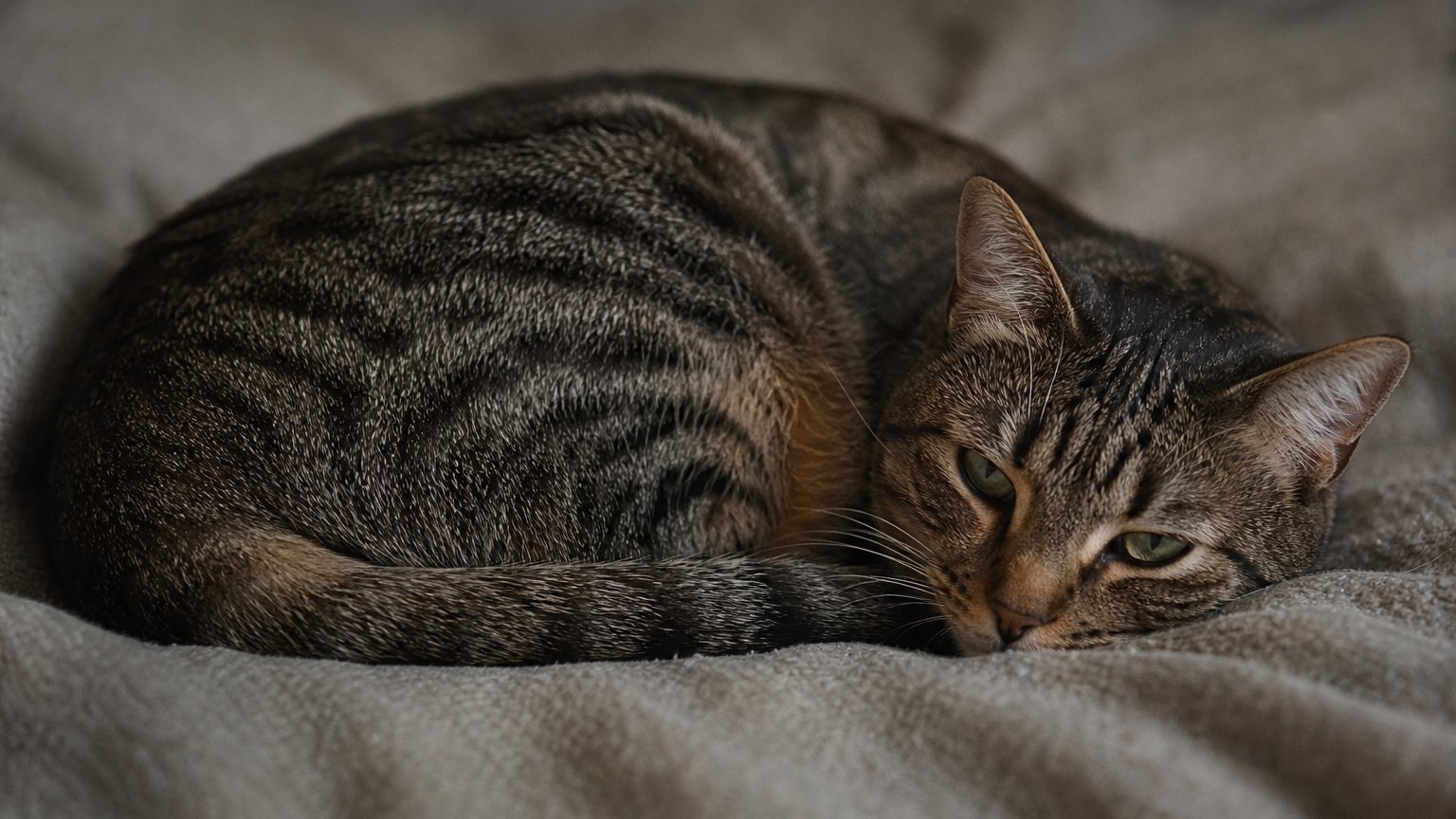
CBD is not proven to relieve pain in cats, and the FDA has approved no CBD product for pets. Feline studies are few, dosing data are limited, and untreated pain needs veterinary care. Here is how to spot pain, what the research actually shows, and which medications can put your cat in immediate danger.
Key Takeaways
- CBD evidence is very limited: Small feline studies cannot establish CBD as a safe or effective pain treatment.
- Cats often hide pain: Reduced jumping, grooming changes, withdrawal, and litter box problems may be warning signs.
- Human painkillers can be fatal: Paracetamol or acetaminophen is lethal to cats, while ibuprofen and other human NSAIDs are also toxic.
- Veterinary treatments are available: Vets can select medicines and supportive care based on the cause of pain and the cat's health.
- A veterinarian comes first: Do not give CBD, a supplement, or any pain medicine to a cat without veterinary guidance.
Recognising Pain in Cats
Cats tend to conceal weakness, so pain may not look dramatic. A cat can still eat, purr, or seek attention while hurting. Purring is not a reliable sign that everything is fine because some cats also purr when frightened or uncomfortable.
Watch for changes from your cat's normal routine. Common clues include reluctance to jump, stiffness after resting, slower movement, hiding, irritability, reduced play, or avoiding stairs. A painful cat may sleep in an unusual position, stop using a favorite perch, or flinch when touched. Changes in grooming matter too. Your cat may neglect a painful area or repeatedly lick it.
Appetite and litter box habits can also change. Dental pain may lead to dropped food, chewing on one side, or approaching food and then backing away. Joint pain can make it difficult to step into a high-sided litter tray. Urinating outside the box can also signal a painful urinary emergency, not a behavior problem.
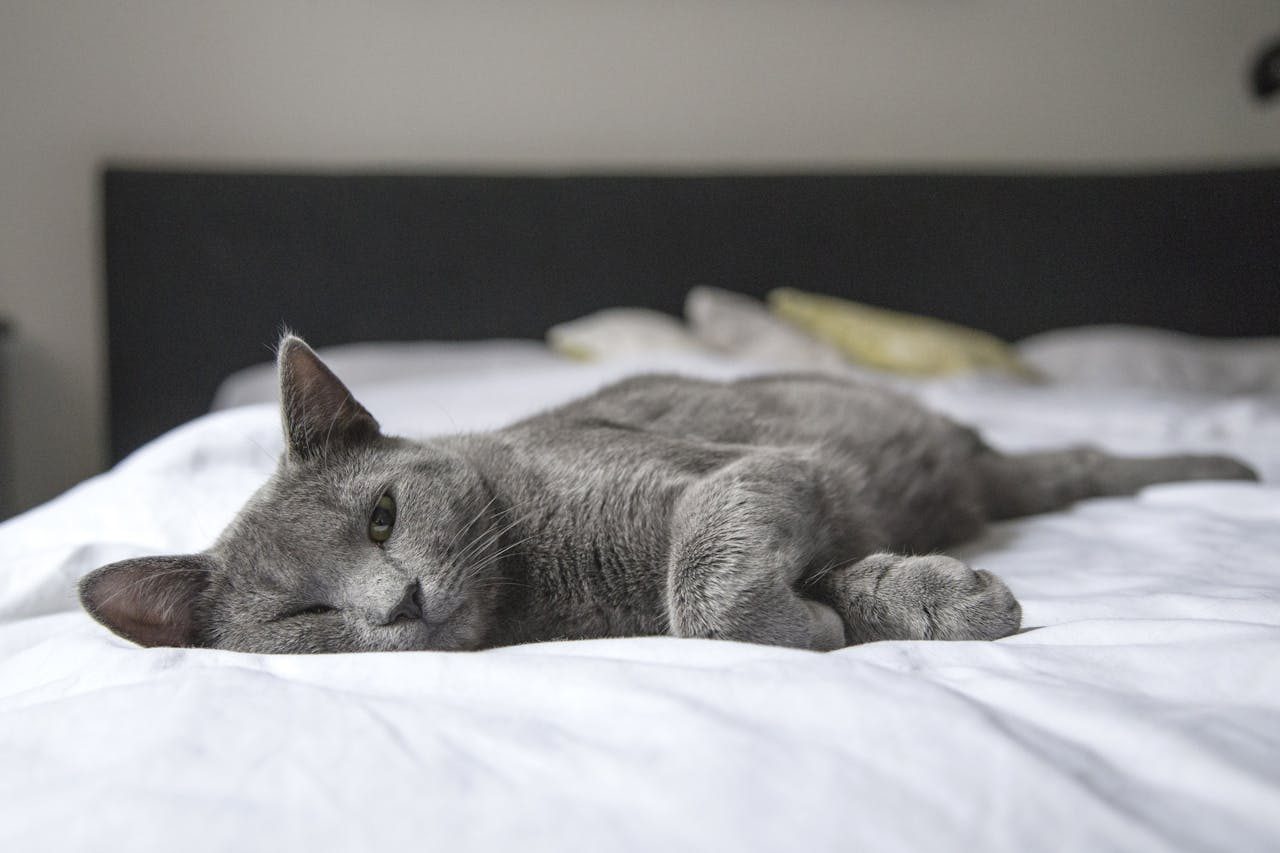
Subtle changes in movement, grooming, and daily routines can help you recognise possible pain in a cat.
Call your veterinarian first when you notice a meaningful change. Seek urgent care for trouble breathing, collapse, severe weakness, repeated straining to urinate, a swollen abdomen, major trauma, sudden paralysis, or nonstop crying. Do not wait for a cat to show obvious distress. By that stage, pain or illness may be advanced.
A short phone video can help your veterinarian see how your cat walks, jumps, eats, or enters the litter box at home. Note when the behavior began and whether it is getting worse. Untreated pain is a veterinary matter, even when the cause seems like normal aging.
What Feline CBD Research Exists
Cannabidiol, usually shortened to CBD, is one of many compounds found in cannabis. It does not produce the same intoxication associated with THC. That distinction does not make CBD automatically safe for cats, however. Cats process many compounds differently from people and dogs, so they cannot be treated as small dogs when researchers consider absorption, side effects, or dosing.
Most animal CBD research has involved dogs. Feline evidence consists mainly of small safety, absorption, and early exploratory studies. A longer-term feline safety study monitored healthy cats given cannabinoids, but a safety study in healthy animals does not show that CBD works for painful disease. Researchers have also examined CBD alongside standard care for feline chronic gingivostomatitis, a severe inflammatory mouth condition. That small clinical study is not enough to establish CBD as a pain treatment or replace established veterinary therapy.

Feline CBD research remains limited, with far fewer studies in cats than in dogs or people.
Reported reactions in feline studies have included licking, salivation, head shaking, vomiting, loose stool, and changes in activity. CBD can affect liver enzymes and may interact with medications through CYP450 enzymes, proteins the liver uses to process many drugs. This creates particular concern for cats taking seizure medicines, sedatives, heart medicines, or other prescriptions.
Product quality adds another uncertainty. Independent testing has repeatedly found that some CBD products contain different amounts than their labels claim. Full-spectrum products contain trace THC, which is hazardous to pets. Human gummies or flavored oils may also contain xylitol or other unsuitable ingredients. A batch-specific third-party certificate of analysis, or COA, can verify tested contents, but it cannot prove that a product is effective or appropriate for your cat. Speak with your veterinarian before considering any cannabinoid product.
Why Human Painkillers Can Kill a Cat
Paracetamol, also called acetaminophen, is lethal to cats. Even a small amount can damage red blood cells, preventing them from carrying oxygen, and can cause severe liver injury. Signs may include weakness, vomiting, facial or paw swelling, rapid breathing, brown or blue gums, and collapse. This is an emergency.
Ibuprofen and other human nonsteroidal anti-inflammatory drugs, called NSAIDs, are also toxic to cats. Examples include naproxen and diclofenac. These medicines can cause stomach ulcers, internal bleeding, and sudden kidney failure. Aspirin also carries serious risks and should never be given unless a veterinarian has specifically prescribed it for that individual cat.

Human pain medicines must be stored securely because even small exposures can seriously poison a cat.
Cats lack some of the liver pathways that people use to break down medicines. A dose that seems tiny by human standards can remain in a cat's body longer or create toxic byproducts. Cutting a tablet into a smaller piece does not make it safe. Pain creams and gels can also be dangerous if a cat walks through a spill, rubs against treated skin, or licks the product from your hand.
If your cat has swallowed, licked, or been exposed to human pain medicine, contact an emergency veterinarian or animal poison service immediately. Have the package ready and report the product name, strength, possible amount, and time of exposure. Do not wait for symptoms. Do not induce vomiting or give food, milk, charcoal, or another home remedy unless a veterinary professional instructs you to do so.
Keep all medicines in closed cabinets, not on counters or bedside tables. If your cat appears painful and your regular clinic is closed, call an emergency veterinary hospital rather than trying a medicine from your own cabinet.
Veterinary Options Proven for Cats
The right treatment depends on why your cat hurts. Pain can come from arthritis, dental disease, surgery, injury, urinary obstruction, pancreatitis, cancer, or another condition. A veterinarian may need to examine the cat, check blood and urine, take X-rays, or perform dental imaging before selecting treatment.
Veterinarians have several evidence-based options. Robenacoxib is a veterinary NSAID approved in the United States for short-term control of pain and inflammation associated with certain surgeries in cats. Meloxicam has specific feline uses and restrictions that vary by country and formulation. In the United States, repeated use in cats carries a boxed warning. These drugs require professional oversight because dehydration, kidney disease, age, and other medicines can change the risk.
Frunevetmab, sold by prescription as Solensia, is approved for control of pain associated with osteoarthritis in cats. It is a monoclonal antibody, meaning a laboratory-made protein designed to target a specific pain-related signal. It is given by a veterinary professional on a schedule determined by the prescribing veterinarian.
Buprenorphine is an opioid that vets commonly use for acute pain, including pain after procedures. Other medicines may be considered for certain types of nerve-related or complex pain, but not every drug is approved for every feline use. Selection and monitoring matter more than finding one medicine that fits all cats.

A veterinarian can match pain care and practical home adjustments to your cat's diagnosis and health.
Medication may be combined with dental treatment, surgery, weight management, rehabilitation, warm resting areas, ramps, low-entry litter boxes, or food and water placed within easy reach. These changes do not replace diagnosis, but they can make daily movement less difficult. Never combine treatments or change a prescription without calling your veterinarian first.
What to Ask Your Veterinarian
Start by describing the behavior you see rather than asking only for a pain medicine. Explain what has changed, when it began, and whether your cat is eating, drinking, grooming, urinating, and passing stool normally. Bring videos and a complete list of prescriptions, supplements, flea products, and occasional medicines.
Useful questions include:
- What could be causing this behavior, and is urgent testing needed?
- How will you assess pain in a cat who acts differently at the clinic?
- Which treatment has evidence for this condition?
- Does my cat need kidney or liver tests before medication?
- What side effects should make me stop the medicine and call?
- How soon should we reassess comfort and mobility?
- Which home changes could make eating, resting, or using the litter box easier?
If you are considering CBD, tell your veterinarian before giving it. Ask whether it could interfere with current medicines or complicate liver test results. There is no established general CBD dose for feline pain, and a dose printed on a pet product is not a veterinarian-approved treatment protocol.
If your veterinarian is willing to review a product, bring the full ingredient list and a batch-specific COA. The report should identify CBD and THC amounts and screening for contaminants such as pesticides, solvents, heavy metals, and microbes. Avoid human gummies, baked products, vaping liquids, and products containing xylitol. Full-spectrum formulas may expose a cat to THC even when the amount appears small.
The FDA has approved no CBD product for pets. Epidiolex is the one FDA-approved prescription CBD medicine, but it is approved for certain seizure disorders in people, not for pain or veterinary use. Your veterinarian or a veterinary pharmacist is the right person to help you evaluate interactions and established alternatives.
Frequently Asked Questions
Can CBD relieve pain in cats?
CBD has not been shown conclusively to relieve pain in cats. Feline research is sparse, and small exploratory studies cannot establish effectiveness, a dependable dose, or long-term safety for cats with painful conditions. If your cat seems uncomfortable, arrange a veterinary examination rather than using CBD as a substitute for diagnosis or proven care.
How do you tell if a cat is in pain?
A cat in pain may hide, jump less, move stiffly, stop grooming, lick one area repeatedly, become irritable, or change eating and litter box habits. Compare current behavior with your cat's usual routine. Because cats often mask discomfort, persistent or sudden changes should be discussed with a veterinarian even if your cat is not crying.
Can you give a cat human pain medication?
No, you should not give a cat human pain medication unless a veterinarian explicitly directs you to use a specific drug. Acetaminophen or paracetamol can be lethal, while ibuprofen, naproxen, and other human NSAIDs can cause bleeding and kidney failure. Suspected exposure requires an immediate call to an emergency veterinarian or animal poison service.
What pain treatments do vets use for cats?
Veterinarians may use approved feline medicines such as robenacoxib for certain short-term situations or frunevetmab for osteoarthritis pain. They may also prescribe drugs such as buprenorphine when clinically appropriate. Treatment depends on the cause, kidney and liver health, hydration, age, and other medications, so an examination and follow-up plan are essential.
Is CBD approved for pain in cats?
No, the FDA has not approved CBD for pain in cats or approved any CBD product for pets. Epidiolex is an approved prescription CBD drug for certain human seizure disorders, but that approval does not extend to animals or pain. Pet CBD labels, testimonials, and laboratory reports are not substitutes for FDA approval or evidence of clinical effectiveness.