
CBD and Cats: What Is Known About the Effects
 Written by Ben Glinsky
Ask AI about this article and CBD Oil - For Pets (500mg Beef)





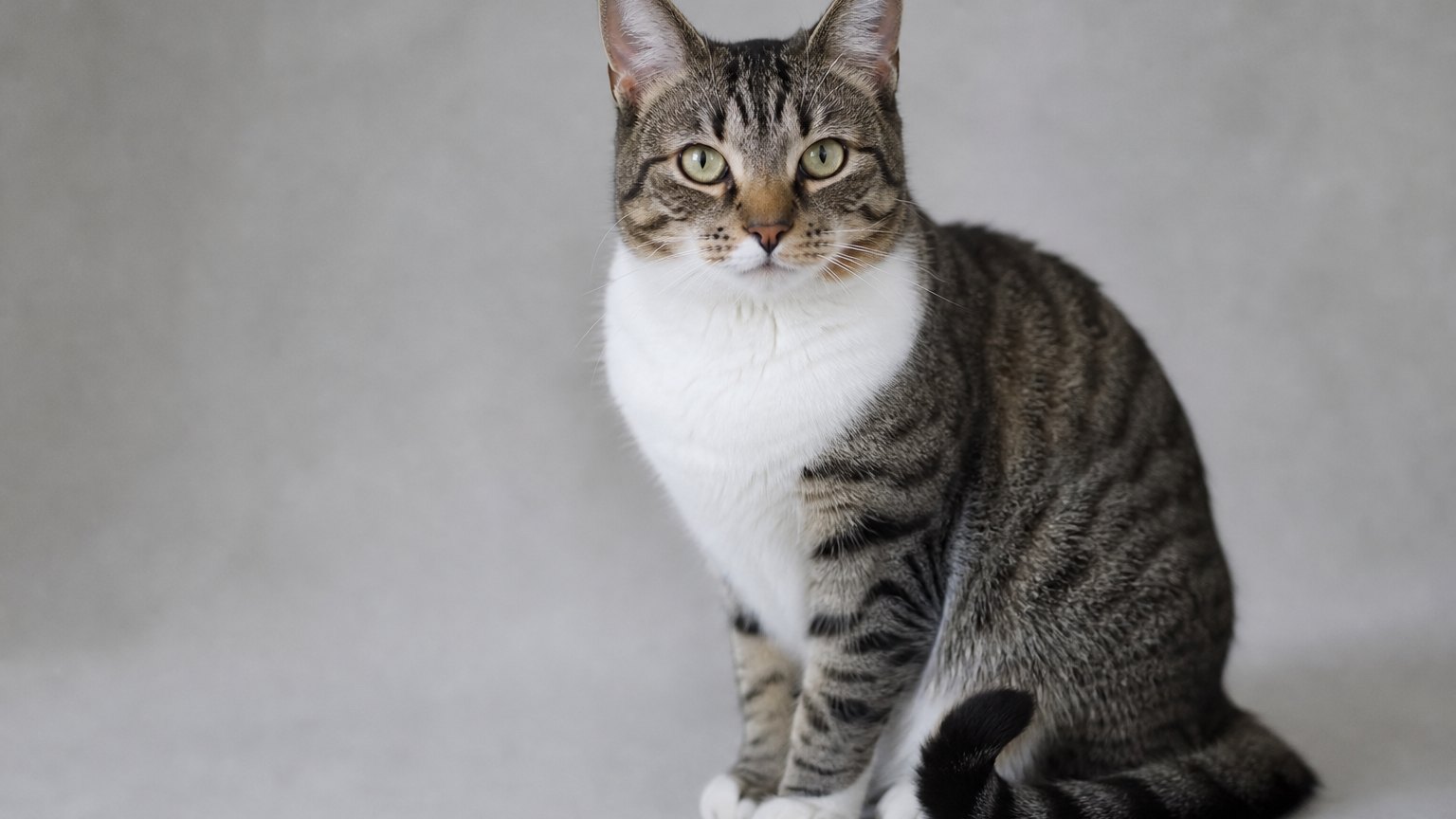
CBD produces measurable exposure in cats and may cause side effects, but researchers have not established clear wellness or medical effects in this species. Cats also absorb and process CBD differently from dogs, so canine findings and doses cannot simply be carried across. Here is what the small body of feline research actually tells us, and what remains unknown.
Key Takeaways
- Feline evidence is limited: Far fewer CBD studies involve cats than dogs, and most examine absorption or short-term safety rather than benefits.
- Cats are not small dogs: Their metabolism differs in important ways, including limited glucuronidation of many compounds.
- Absorption appears different: One direct comparison found lower and more variable CBD exposure in cats than in dogs given the same weight-adjusted amount.
- Side effects can occur: Licking, head shaking, digestive changes, sleepiness, and unsteady movement have been reported.
- Veterinary guidance comes first: No CBD product is FDA-approved for pets, dosing research is limited, and medication interactions are possible.
Why Cats Are Studied Less Than Dogs
Most veterinary CBD research has focused on dogs. Dogs are commonly enrolled in clinical studies, owners may find oral administration easier, and researchers already have a larger foundation of canine pharmacology to build on. Funding also tends to follow areas with greater commercial and clinical interest. As a result, the number of controlled feline studies remains small.
That gap matters. Reports from cat owners can help researchers identify questions, but they cannot show whether CBD caused an observed change. Cats naturally hide discomfort, alter their behavior in unfamiliar settings, and vary widely in how they respond to food, handling, and new routines. Without a comparison group and consistent measurements, an apparent effect may come from the setting, another ingredient, or normal day-to-day variation.
Much of the available feline work uses healthy cats and asks narrow questions. Researchers may measure how much CBD reaches the blood, how quickly it leaves, or whether laboratory values change. These are pharmacokinetic and safety questions. They do not establish that CBD produces a useful outcome in cats with health concerns.
Feline CBD research remains much smaller than the body of evidence available for dogs.
You should also be cautious when an article cites dog, rodent, or human findings as if they apply directly to cats. Those studies can guide future research, but they are not substitutes for feline evidence. At present, long-term effects, reliable dosing ranges, and meaningful outcomes in cats remain uncertain.
How Cats Metabolise Compounds Differently
Metabolism is the set of chemical steps the body uses to change and remove a substance. The liver does much of this work with enzymes, which are proteins that help chemical reactions happen. Cats have unusual activity in several of these pathways, partly because they evolved as obligate carnivores with a highly specialized diet.
One important difference is limited glucuronidation. Glucuronidation is a liver process that attaches a small chemical group to certain substances so they can be removed through urine or bile. Cats have reduced capacity in some glucuronidation pathways, which is one reason several everyday human medicines and plant compounds can be dangerous to them.
This does not prove that CBD itself will accumulate or cause a particular effect. Cannabinoid metabolism is complex, and feline-specific evidence is incomplete. It does mean you cannot assume that a dose used in a person or dog will behave predictably in a cat.
CBD is also processed through cytochrome P450, often shortened to CYP450. This family of liver enzymes handles many prescription medicines. CBD may alter how some of those medicines are processed, while another medicine may alter CBD exposure. Direct interaction studies in cats are sparse, so the absence of a documented feline interaction does not mean the combination is safe.
Cats have specialized liver pathways, so canine and human guidance cannot simply be scaled down.
Talk to your veterinarian before any CBD exposure, especially if your cat takes medication or has an existing liver, kidney, or other medical condition. Give the veterinarian a complete list of medicines, supplements, flea products, and botanical products. That full picture is more useful than reviewing CBD in isolation.
What Feline Pharmacokinetic Studies Found
Pharmacokinetics describes what the body does to a compound. Researchers measure how quickly it enters the blood, its highest measured concentration, total exposure over time, and how quickly the body removes it. These measurements can help inform later research, but they do not show whether a product has a beneficial effect.
A small 2019 study in healthy dogs and cats directly compared oral CBD exposure. After the same weight-adjusted amount, cats generally had lower peak blood concentrations and lower total exposure than dogs. Their results also varied considerably from one cat to another. The authors described oral absorption in cats as lower than in dogs, reinforcing why canine findings cannot be copied into feline guidance.
In the same research program, cats received CBD twice daily for 12 weeks while investigators tracked examinations, blood work, and reported adverse events. The study offered useful preliminary safety information, but it was small and was not designed to prove effectiveness for any condition.
A later 26-week study of daily CBD feeding in healthy cats likewise focused on tolerance and safety measurements. Findings in healthy research animals under controlled conditions do not guarantee safety for older cats, kittens, cats with medical conditions, or cats taking medication.
The practical conclusion is modest. Cats absorb orally administered CBD, but exposure may be lower, shorter, and more variable than it is in dogs. Researchers still do not have a universally accepted feline dose, a proven time-to-effect, or strong long-term data across diverse cats. If someone promises an exact onset time or guaranteed response, the science does not support that certainty.
Side Effects Reported in Cats
Feline studies have reported excessive licking, head shaking, salivation, digestive changes, sleepiness, and changes in activity. Some reactions may be related to the oil, flavor, or experience of oral administration rather than CBD alone. Small studies cannot reliably distinguish every cause.
Higher-dose cannabinoid research has also recorded unsteady movement, sometimes called ataxia, along with lethargy and changes in body temperature. In an escalating-dose study involving CBD and THC formulations, products containing THC produced more concerning observations than CBD-only formulations. That does not make CBD risk-free. It shows why the cannabinoid profile matters.
Some studies monitored liver enzymes, which are blood markers veterinarians use when evaluating liver health. Changes in a laboratory value do not automatically mean liver injury, but they can require follow-up, particularly when exposure continues. Long-term information beyond several months remains limited.

Monitor any cat closely after exposure and contact a veterinarian if unusual behavior or physical signs appear.
Ask your veterinarian first what signs to monitor and when to stop. If a cat has received too much, contact your veterinarian or an animal poison service promptly rather than waiting for symptoms to pass. Marked sleepiness, repeated vomiting, inability to stand, tremors, unusual agitation, breathing changes, or loss of responsiveness require urgent veterinary attention.
Do not use CBD to delay an examination. Cats often conceal illness until it has progressed, and a new behavior may signal a problem that needs diagnosis. A supplement cannot replace veterinary testing, monitoring, or prescribed care.
Products Made for Humans Are a Risk
Before choosing any product, ask your veterinarian to review the complete ingredient list and a batch-specific certificate of analysis, or COA. A COA is a laboratory report showing the measured cannabinoid content and screening results for contaminants. Independent testing has repeatedly found that some CBD products contain more or less CBD than their labels claim. Some also contain unexpected THC.
THC is the intoxicating cannabinoid in cannabis and can be toxic to pets. Full-spectrum CBD products intentionally retain multiple hemp compounds and may contain trace THC, even when they meet the legal definition of hemp. A label that says "hemp," "natural," or "non-intoxicating" is not enough information for a cat.
Human gummies, sweetened liquids, and flavored products may contain xylitol or other unsuitable ingredients. Xylitol is a sweetener that presents a serious poisoning concern for pets. Essential oils and many concentrated botanical extracts can also be hazardous to cats because feline metabolism does not handle every plant compound well. Never assume an added flavor or herbal blend is harmless.
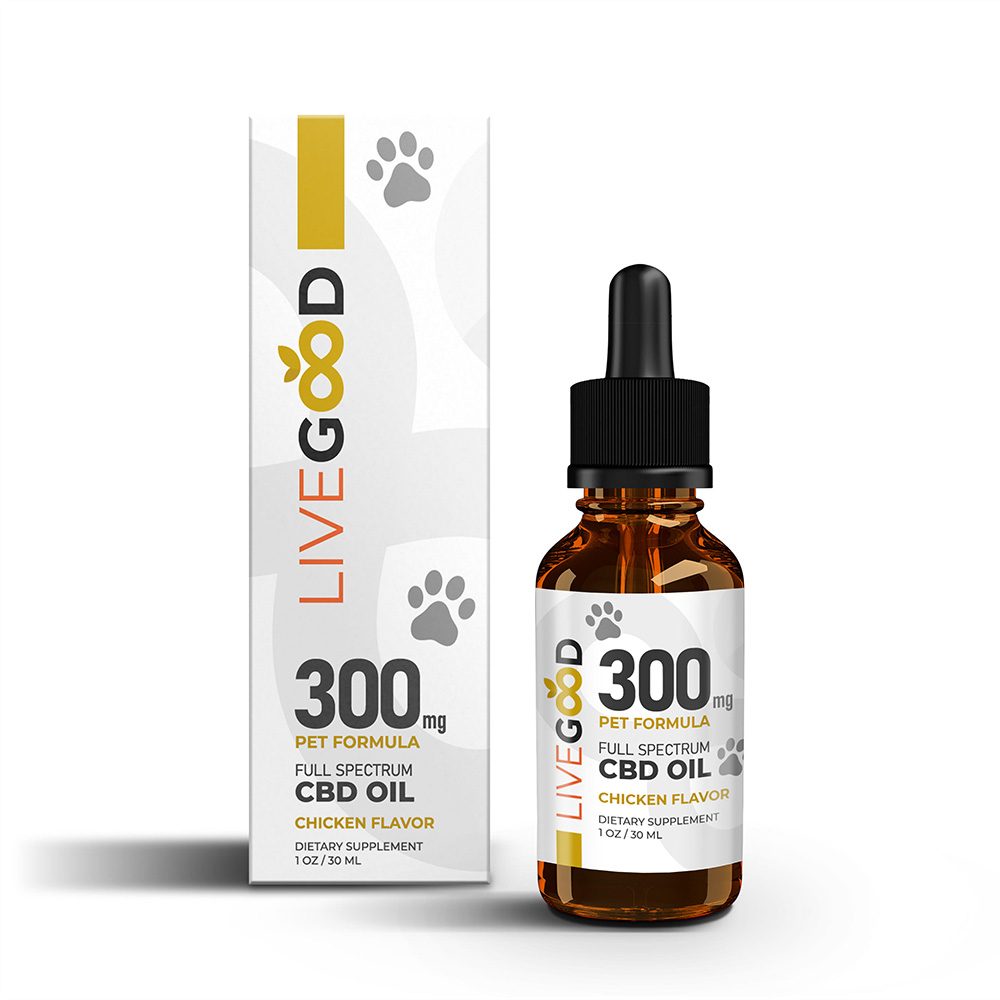
A veterinarian should review the ingredient list, cannabinoid profile, and batch-specific laboratory report before use.
Concentration creates another risk. A small volume of highly concentrated human oil may contain far more CBD than expected. Products made for dogs are not automatically suitable either. Their concentration, flavor system, serving directions, or added ingredients may not account for feline needs.
The FDA has approved no CBD product for pets. Epidiolex is the one FDA-approved prescription CBD medicine, but its approval is for specific human uses, not cats or over-the-counter pet supplements. Pet CBD products have not gone through the FDA review used to establish an approved veterinary drug's effectiveness, dosing, interactions, and safety.
Questions for Your Veterinarian
Talk to your veterinarian first, before buying or giving CBD. Start by explaining why you are considering it and what change you think you have noticed in your cat. That conversation gives the veterinarian a chance to check for an underlying problem and discuss options supported by stronger evidence.
Bring the product label and COA, or send links before the appointment. Useful questions include:
- Does any ingredient present a feline safety concern?
- Does the COA match this exact batch and list CBD, THC, contaminants, and testing dates?
- Could CBD interact with my cat's prescriptions, supplements, or flea and tick products?
- Do my cat's age, weight, liver function, kidney function, or other medical factors change the risk?
- What signs should I monitor, and which ones require immediate care?
- Is follow-up blood work or another examination appropriate?
- How should accidental overexposure be handled?
If your veterinarian agrees that a particular product is reasonable, follow the product label and the veterinarian's instructions. Do not increase the amount because you do not see a quick effect. Feline research has not established a dependable onset time, and more is not necessarily better. Keep a simple written record of the product, batch, amount, time given, food intake, behavior, and any unusual signs.
Store the bottle securely and prevent direct contact with the dropper. Return to your veterinarian if your cat's behavior, appetite, movement, or bathroom habits change. Honest, evidence-grounded education means acknowledging the central limitation: researchers know that cats absorb CBD, but they do not yet know enough to promise a specific outcome.
Only after your veterinarian says a CBD product is appropriate, CBD Oil - For Pets (500mg Beef) is a beef-flavored full-spectrum oil made for pets with the same highest quality ingredients and processes as the human formulas. Full-spectrum means trace THC may be present, so have your veterinarian review the COA first. Follow the weight-based label, add it to food, and start low and go slow. Members pay $12.95 versus $24.95 retail, reflecting the mission to "Provide the highest quality supplements in the world, at the lowest prices possible."
Frequently Asked Questions
Can cats take CBD?
A cat should receive CBD only after a veterinarian reviews the animal's health, medications, product ingredients, and laboratory report. Cats do absorb orally administered CBD, but no CBD product is FDA-approved for pets and researchers have not established a universal feline dose. Never substitute a human or dog product without veterinary approval, since its concentration and added ingredients may be unsuitable.
What are the effects of CBD on cats?
The best-established effects are measurable blood exposure and possible adverse reactions, not proven wellness outcomes. Small studies have reported licking, head shaking, salivation, digestive changes, sleepiness, and altered activity. Researchers have not established reliable benefits, onset times, or long-term effects in cats. Individual exposure also appears highly variable, so one cat's response cannot predict another's.
Is CBD safe for cats?
CBD cannot currently be described as proven safe for every cat. Limited studies in healthy cats provide preliminary tolerance data, but they do not cover all ages, medical conditions, medications, products, or long-term use. THC, xylitol, essential oils, inaccurate labels, and drug interactions add risk. Your veterinarian should assess the cat and the exact product before use.
How do cats process CBD differently from dogs?
Cats appear to achieve lower and more variable blood exposure than dogs after the same weight-adjusted oral amount. They also have species-specific liver metabolism, including limited capacity in several glucuronidation pathways used to remove compounds. Researchers do not yet understand every implication for CBD, but these differences make it unsafe to copy canine dosing or expectations directly.
What are the side effects of CBD in cats?
Reported side effects include excessive licking, head shaking, salivation, digestive upset, sleepiness, altered activity, and unsteady movement. THC exposure can produce more serious reactions. Contact a veterinarian promptly after excess or accidental exposure, and seek urgent help for tremors, repeated vomiting, inability to stand, breathing changes, marked sedation, or loss of responsiveness.