
CBD Oil and Kidney Health: What Is Known
 Written by Nauder Khazan
Ask AI about this article and CBD Oil (Full-Spectrum)





Kidney-specific evidence is too limited to call CBD oil safe for the kidneys or to claim it causes predictable kidney damage. Most CBD processing happens in the liver, but medication interactions, product contaminants, and reduced drug clearance can create added concerns when kidney function is already impaired. Here is what creatinine can tell you, what the research cannot yet answer, and what to discuss with your doctor.
Key Takeaways
- Direct evidence is limited: Human studies have not established that over-the-counter CBD protects the kidneys or predictably damages them.
- Creatinine is only a marker: A creatinine result helps estimate kidney filtration, but muscle mass, hydration, food, exercise, and medications can affect it.
- CBD is mainly processed by the liver: Liver enzymes break down most CBD, although some resulting compounds leave through urine.
- Interactions are the larger concern: CBD can change how the body handles many medicines, which matters more when kidney function and drug clearance are reduced.
- Product quality varies: A current, batch-specific certificate of analysis can help identify inaccurate CBD levels, excess THC, and unwanted contaminants.
What Creatinine Actually Measures
Creatinine is a waste product formed through normal muscle activity. Your kidneys remove most of it from the blood and pass it into urine. A blood creatinine test therefore gives clinicians an indirect look at how effectively your kidneys are filtering.
A higher result can occur when kidney filtration declines, but the number does not diagnose a kidney problem by itself. Dehydration, a recent high-meat meal, strenuous exercise, creatine supplements, certain medications, and greater muscle mass can all raise creatinine. Older adults and people with less muscle may have a result that looks normal even when filtration is reduced.
Clinicians often use creatinine to calculate estimated glomerular filtration rate, or eGFR. This estimate describes how much blood the kidneys filter over time. They may also check urine for albumin, a protein that can appear when the kidney's filtering structures are damaged. Trends across repeated tests usually provide more information than one isolated result.

Creatinine and eGFR help clinicians assess kidney filtration, but results must be interpreted alongside other health information.
There is no solid human evidence that CBD oil consistently raises or lowers creatinine. If your result changes after starting CBD, do not assume CBD is the cause or that the change is harmless. Your doctor needs to consider hydration, illness, medications, supplements, muscle activity, and your earlier results. Do not use CBD in an attempt to improve creatinine or eGFR.
Where CBD Is Metabolised
Metabolism is the process your body uses to change a substance so it can be used or removed. After swallowed CBD reaches the digestive tract, it is absorbed and carried to the liver. Liver enzymes, especially members of the cytochrome P450 or CYP450 system, convert much of it into other compounds called metabolites.
This means the liver, not the kidneys, does most of the initial work of processing CBD. Much of the dose and its metabolites eventually leave through stool, while a smaller portion is eliminated in urine. That pathway does not prove CBD is harmless to the kidneys. It only explains why direct kidney filtration of unchanged CBD is not the main issue.

Swallowed CBD is processed mainly by liver enzymes before its metabolites leave the body.
The liver-first pathway also creates the potential for drug interactions. CBD may slow enzymes that process other substances. When that happens, the amount of another medicine in your bloodstream may rise or remain elevated longer than expected.
Kidney impairment adds another layer. The kidneys help clear many medicines and their metabolites. When filtration is reduced, a drug may already need closer monitoring or an adjusted prescription dose. Adding a substance that affects liver enzymes can make the overall response harder to predict. This is why looking only at where CBD is metabolized gives an incomplete picture of kidney-related risk.
What Research Exists on CBD and Kidneys
Direct human research on CBD supplements and kidney function is sparse. Laboratory and animal studies have examined cannabinoids in kidney cells, inflammation pathways, blood flow, and models of kidney injury. Those experiments can help researchers develop questions, but they cannot show that a retail CBD oil protects human kidneys or is safe for someone with kidney disease.
Human CBD studies often focus on other outcomes. Kidney measures may be included as routine safety checks rather than as the main subject. People with substantial kidney impairment may also be excluded, leaving less evidence for the group that needs the most careful guidance.
Epidiolex is the one FDA-approved prescription medicine containing purified CBD. It is approved for specific seizure disorders. Its clinical data provide useful information about CBD's broader safety profile, including possible sleepiness, diarrhea, appetite changes, and elevated liver enzymes. However, a standardized prescription medicine is not interchangeable with an over-the-counter supplement, and its approval is not evidence of a kidney benefit.

Human research has not established that CBD supplements improve kidney function or protect kidney tissue.
Current research does not establish that typical CBD supplement use causes chronic kidney damage. It also does not demonstrate kidney protection or improved filtration. Severe diarrhea, vomiting, or reduced fluid intake could indirectly affect hydration and kidney blood tests, regardless of what caused those symptoms. Cannabis studies must also be interpreted carefully because products containing substantial THC, smoked cannabis, and purified CBD are not the same exposure.
The honest conclusion is that important gaps remain. Dose, duration, product composition, existing kidney function, and concurrent medications can all change the risk picture.
The Real Concern: Drug Interactions
CBD can affect CYP450 enzymes that process many prescription medicines. Think of these enzymes as chemical workstations in the liver. If CBD slows a workstation, another drug using the same pathway may build up. In other cases, the interaction may alter how much active medicine is available.
Possible interaction concerns include certain blood thinners, antiseizure medicines, sedatives, heart medicines, and immunosuppressants used after an organ transplant. This is not a complete list. An interaction can matter even if CBD itself does not directly injure kidney tissue.
The issue becomes more complicated with chronic kidney disease. Reduced filtration changes how some drugs and metabolites leave the body. People with kidney disease may also take several prescriptions for related health needs. A small change in drug exposure can be more meaningful when a medicine already requires blood tests or has a narrow therapeutic range, meaning the effective and harmful amounts are relatively close.

A pharmacist or physician can check CBD against prescriptions that may share the same liver enzyme pathways.
Transplant recipients need particular caution. Immunosuppressant levels are closely controlled, and changes can have serious consequences. CBD should not be added without the transplant or nephrology team's knowledge. The same caution applies to anyone receiving dialysis or being evaluated for a transplant.
Never stop, reduce, or reschedule a prescription because you want to take CBD. Ask a pharmacist or prescribing clinician to check the exact product against your complete medication list. Include nonprescription pain relievers, vitamins, herbs, gummies, drinks, and occasional medicines. Anyone with reduced kidney function must ask their nephrologist before taking CBD or any new supplement because drug clearance may have changed.
Contaminants and Unregulated Products
The contents of a CBD bottle are another kidney-related concern. Independent testing has repeatedly found that some products contain more or less CBD than their labels state. Testing has also identified unexpected THC and, in poorly controlled products, pesticides, residual extraction solvents, microbes, heavy metals, or synthetic cannabinoids.
Hemp can absorb substances from soil, including heavy metals. That does not mean every hemp product is contaminated. It means sourcing and finished-product testing matter. A label claim alone cannot confirm what is in a specific batch.
Look for a certificate of analysis, commonly called a COA, from an independent laboratory. The batch or lot number on the report should match the bottle. A useful report lists CBD and THC amounts and includes screening for heavy metals, pesticides, solvents, and microbes. Check the testing date and confirm that the result is for the finished oil, not only the raw hemp ingredient.
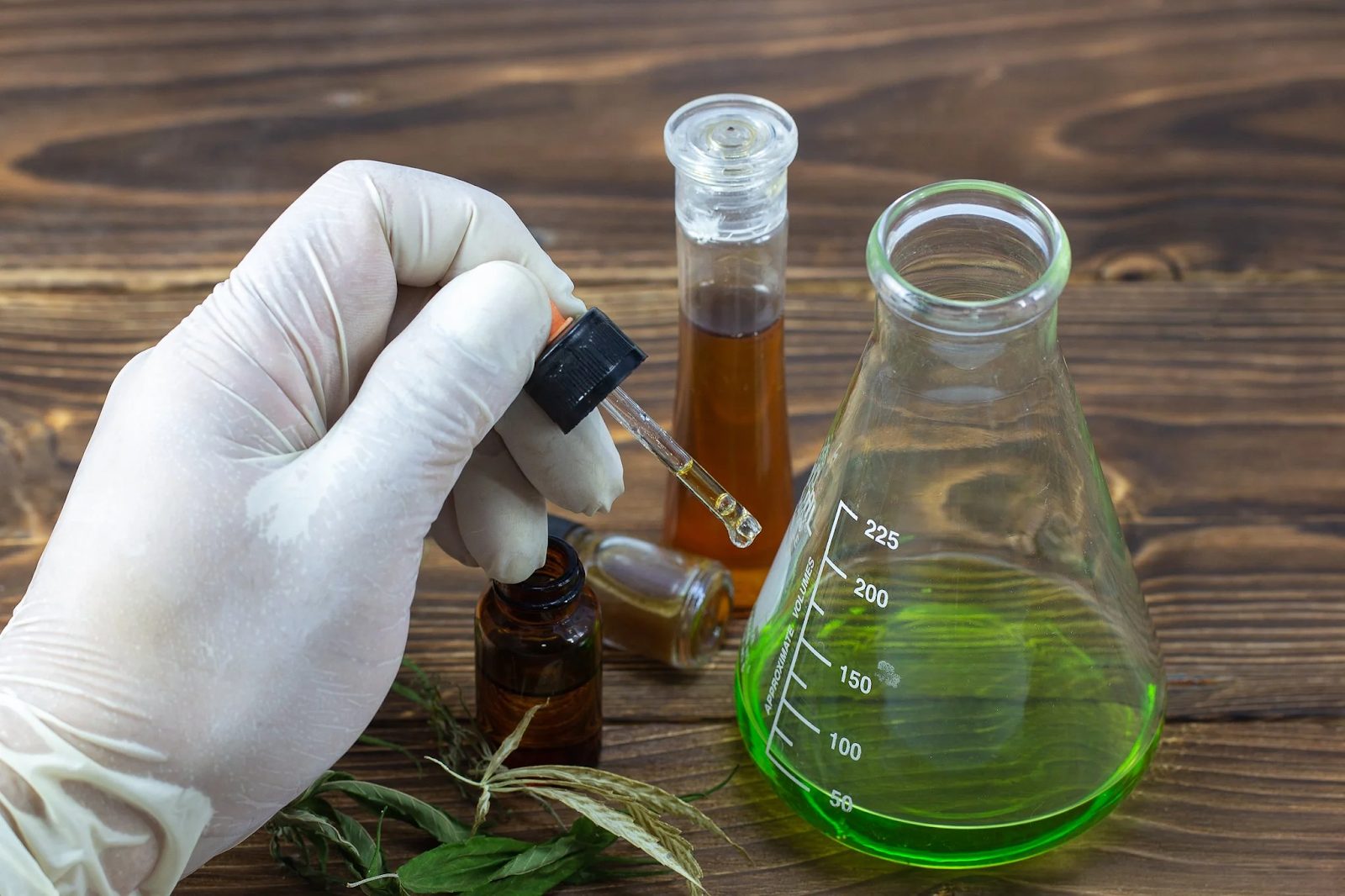
A batch-matched certificate of analysis can confirm cannabinoid amounts and show whether key contaminants were tested.
Full-spectrum CBD oils contain multiple hemp compounds and trace THC. The amount may be small, but it can matter if you are sensitive to THC, take interacting medicines, must avoid intoxicating substances, or undergo drug testing. Taking more than the label directs can increase total exposure.
A COA reduces uncertainty, but it does not establish kidney safety or eliminate interaction risk. Marketing terms such as natural, clean, or premium are not substitutes for a matched laboratory report and a conversation with your clinician.
Questions for Your Doctor
If you have kidney disease, reduced eGFR, abnormal creatinine, a kidney transplant, or dialysis treatment, speak with your nephrologist before trying CBD. Kidney disease is a diagnosed medical condition, and your care team can interpret your laboratory trends and medication risks in context.
Bring the bottle label or product page and the current COA. Tell your clinician why you are considering CBD, which form you plan to use, and what the label serving says. Be direct about full-spectrum products and trace THC. Also provide a complete list of prescriptions, over-the-counter medicines, vitamins, herbs, and other cannabis products.
Useful questions include:
- Could CBD interact with any of my medicines or change their blood levels?
- Does my current kidney function affect how my medicines are cleared?
- Are my creatinine and eGFR stable, or is a recent change still being evaluated?
- Would any laboratory monitoring be needed if I use this product?
- Are there reasons I should avoid full-spectrum CBD or trace THC?
- Which symptoms should prompt me to stop and seek medical advice?

Bring your medication list, CBD label, and laboratory report when discussing CBD with your kidney care team.
Seek prompt medical care for a major reduction in urination, new swelling, persistent vomiting or diarrhea, fainting, confusion, severe drowsiness, or signs of an allergic reaction. These symptoms are not specific to CBD, but they should not be self-managed when kidney function may be involved. If you are pregnant, breastfeeding, preparing for surgery, or living with liver disease or another medical condition, ask your doctor before using CBD.
For adults whose clinician agrees CBD fits their routine, LiveGood CBD Oil is full-spectrum and derived from the top 1% of hemp farms in the country. It uses MCT oil as the carrier for faster absorption and maximum benefit. The 750mg strength is $14.95 for members versus $29.95 retail. The 1500mg strength is $19.95 member or $39.95 retail, in Natural or Peppermint, plus limited-time Cinnamon 1500mg. It contains trace THC, so follow the label and your clinician's advice.
Frequently Asked Questions
Does CBD oil affect creatinine levels?
CBD oil has not been shown to consistently increase or decrease creatinine in people. A changed result may reflect hydration, exercise, muscle mass, diet, illness, medication effects, or altered kidney filtration. If creatinine changes after you begin CBD, contact your clinician rather than changing the product, its serving, or any prescription on your own.
Is CBD oil bad for your kidneys?
Available research cannot confirm that CBD oil is harmless or predictably harmful to the kidneys. Direct human evidence is limited, particularly for people with reduced kidney function. Medication interactions, dehydration from digestive side effects, inaccurate labels, and contaminants may create indirect risks. Kidney disease requires advice from a nephrologist before CBD use.
Does CBD affect kidney function?
Researchers do not yet know whether common CBD supplements meaningfully change kidney filtration in humans. Most CBD metabolism occurs in the liver, but that does not remove kidney-related concerns. CBD may alter medication levels, while reduced kidney function may change drug clearance. Creatinine, eGFR, urine testing, and medication history need to be interpreted together.
Can you take CBD with kidney disease?
Do not start CBD with kidney disease unless your nephrologist has reviewed it with you. The answer depends on your kidney function, transplant or dialysis status, medicines, liver health, and the exact CBD product. Bring the label and batch-specific certificate of analysis. Never adjust a prescription or monitoring schedule to accommodate CBD without your care team's direction.
What are the kidney-related side effects of CBD?
No kidney-specific side-effect pattern has been firmly established for CBD supplements. Possible CBD effects such as diarrhea, vomiting, appetite changes, or drowsiness can still matter because fluid loss and reduced intake may affect kidney blood tests. Drug interactions and contaminants are additional concerns. Reduced urination, swelling, persistent vomiting, fainting, or confusion require prompt medical attention.