
CBD Oil Dangers and Downsides: What to Know
 Written by Ben Glinsky
Ask AI about this article and CBD Oil (Full-Spectrum)





CBD oil can cause side effects, interact with medications, affect liver enzymes at high doses, and expose you to unexpected amounts of CBD or THC. The risk depends on the product, dose, your health, and what else you take. Here is what the evidence shows, where uncertainty remains, and when to avoid CBD.
Key Takeaways
- Expect possible side effects: Drowsiness, diarrhea, reduced appetite, fatigue, and dry mouth have been reported.
- Check every medication: CBD affects CYP450 enzymes, which help your body process many prescription and over-the-counter drugs.
- Take liver risk seriously: High-dose prescription CBD trials found liver enzyme elevations, especially with certain seizure medicines.
- Do not trust the label alone: Independent testing has repeatedly found mismatches in CBD strength and unexpected THC.
- Consider testing and safety needs: Full-spectrum products may contain enough trace THC to matter for drug testing or THC-sensitive users.
Side Effects Reported in Trials
CBD is often described as well tolerated, but that does not mean it is free of side effects. Clinical trials have reported drowsiness, fatigue, diarrhea, reduced appetite, dry mouth, nausea, and changes in alertness. These effects can become more likely or more noticeable as the dose rises.
Much of the strongest safety information comes from trials of Epidiolex, the only FDA-approved CBD medicine. It is prescribed for seizures associated with specific epilepsy disorders. Those studies used carefully measured, often high doses under medical supervision. Their findings cannot be applied directly to every CBD supplement, but they show that cannabidiol is biologically active and can produce meaningful adverse effects.
Drowsiness deserves particular attention. CBD may make driving, operating equipment, or combining it with alcohol and other sedating substances less safe. Some seizure medicines, including clobazam, can increase this concern when used with prescription CBD.
Digestive symptoms can also interfere with daily use. Diarrhea or reduced appetite may seem minor, but ongoing symptoms can affect hydration and nutrition. Stop using the product and seek medical advice if a reaction is severe, persistent, or accompanied by rash, swelling, trouble breathing, fainting, or unusual confusion.
Long-term safety data for everyday CBD supplements remain limited. Feeling fine after one serving does not prove that daily use will be harmless, especially when the actual potency is uncertain.
Trial data show that CBD can cause drowsiness, digestive symptoms, fatigue, and appetite changes.
The Drug Interaction Problem
One of the most practical dangers of CBD oil is its ability to change how your body handles medication. Your liver and intestines contain a group of enzymes called cytochrome P450, often shortened to CYP450. These enzymes break down many drugs so they can be cleared from the body.
CBD can inhibit, or slow, some of these enzymes. That may leave more of another drug in your bloodstream for longer, increasing its effects or side effects. CBD can also affect other transport and metabolism pathways, so the result is not always simple or predictable.
The grapefruit warning is a useful shorthand. If a medication label says to avoid grapefruit, there may be reason to ask whether CBD could create a similar interaction. CBD and grapefruit are not identical, and the warning does not capture every possible CBD interaction, but it is a practical signal to contact a doctor or pharmacist before using CBD.
Medicines that require extra caution include blood thinners, seizure medicines, sedatives, transplant drugs, and some heart or psychiatric medications. This is not a complete list. Over-the-counter medicines and herbal products can matter too.
Do not try to solve an interaction by separating CBD and medication by a few hours. Enzyme effects may last beyond the time CBD is taken. A doctor or pharmacist should review the exact product, strength, serving, and medication list. Never stop or change a prescription on your own. The FDA warns that CBD can affect other medicines you take, and that signs of liver injury were seen in trials, which is why a clinician should review your full medication list.
Liver Enzymes at Higher Doses
High-dose prescription CBD trials found elevations in liver enzymes, particularly alanine aminotransferase, or ALT, and aspartate aminotransferase, or AST. These enzymes are measured through blood tests. Higher levels can be a sign that liver cells are under stress or have been injured, although an abnormal result does not reveal the cause by itself.
The clearest findings came from Epidiolex trials, not ordinary retail CBD oils. Risk increased with higher doses and was greater among some participants taking valproate, a seizure medicine that can also affect the liver. Because Epidiolex is a prescription drug, its use includes medical oversight and liver testing when appropriate.
It would be inaccurate to assume that every small serving of supplemental CBD causes liver damage. It would also be inaccurate to dismiss the finding because the trials used larger doses. Store-bought products may contain more CBD than their labels claim, and some people use several CBD products at once. Alcohol, medications, and an existing liver condition may add further uncertainty.
Talk to your doctor before taking CBD if you have liver disease, abnormal liver tests, or take medicine that affects the liver. Do not increase the serving to copy a clinical trial. Follow the product label unless your healthcare professional gives different guidance.
Stop using CBD and seek prompt medical advice for yellow skin or eyes, dark urine, severe nausea, unusual itching, or pain in the upper right abdomen. These symptoms can have many causes, but they should not be ignored.

High-dose prescription CBD trials found liver enzyme elevations, making medical guidance essential for people with liver risks.
Mislabelling and Unknown Potency
A CBD oil label may state a precise number of milligrams, but independent testing has repeatedly found that the bottle does not always match the claim. In a frequently cited study of 84 CBD products sold online, only about 31% were accurately labeled. Some contained less CBD than stated, while others contained more. THC was detected in 18 products.
This creates two different problems. Too little CBD means you are not getting what you paid for. Too much CBD creates a safety concern because side effects and medication interactions may become less predictable. Unexpected THC can cause impairment, unwanted psychoactive effects, or a positive drug test.
A certificate of analysis, commonly called a COA, can help you evaluate a product. This laboratory document should show the measured amounts of CBD, THC, and other cannabinoids. It may also include results for pesticides, heavy metals, solvents, and microbes. Look for a recent report that matches the batch or lot number printed on the bottle. A generic report with no batch match offers less useful information.
A COA reduces uncertainty, but it does not guarantee that every bottle is identical or that the testing program is flawless. Also check the serving size, total CBD per bottle, CBD per serving, ingredient list, and whether the product is full-spectrum, broad-spectrum, or isolate.
Avoid products that promise to cure diseases, claim to work for everyone, or hide basic potency information. Honest CBD shopping starts with recognizing that a polished label is not proof of accuracy, safety, or effectiveness.
If you decide CBD fits your routine after checking medications, LiveGood CBD Oil (Full-Spectrum) is derived from the top 1% of hemp farms in the country and uses MCT oil as its carrier for faster absorption and maximum benefit. The 750mg strength is $14.95 for members or $29.95 retail. The 1500mg strength is $19.95 member or $39.95 retail, in Natural or Peppermint, plus limited-time Cinnamon. Whatever you choose, compare the batch certificate with the bottle and follow label directions.
Trace THC and Drug Testing
CBD itself is not the main target of standard workplace drug tests. These tests usually look for THC metabolites, which are substances the body produces after processing THC. The concern is that a CBD oil may contain trace THC, either by design or because of contamination or inaccurate labeling.
Full-spectrum CBD contains multiple naturally occurring hemp compounds and may include legally permitted trace amounts of THC. Repeated use can increase exposure over time. Whether that leads to a positive test depends on the actual THC content, how often you use it, your metabolism, the test threshold, and other factors. No seller can honestly guarantee that a full-spectrum CBD product will never affect a drug test.
Broad-spectrum CBD is generally processed to remove THC, while CBD isolate is intended to contain CBD alone. These categories may reduce THC exposure, but they do not eliminate the possibility of contamination or labeling errors. A nondetectable result on a laboratory report is more useful than a front-label claim, although it still cannot provide a zero-risk guarantee.
Unexpected THC may also cause intoxication, anxiety, slower reaction time, or impaired judgment in sensitive users. Children and pets can be especially vulnerable to accidental exposure. Store CBD securely and away from foods that could make the bottle attractive to a child.
If your employment, athletic eligibility, legal status, or medical care depends on a negative drug test, avoiding cannabinoid products is the lowest-risk choice. Ask the relevant testing authority what its policy covers rather than relying on marketing language.
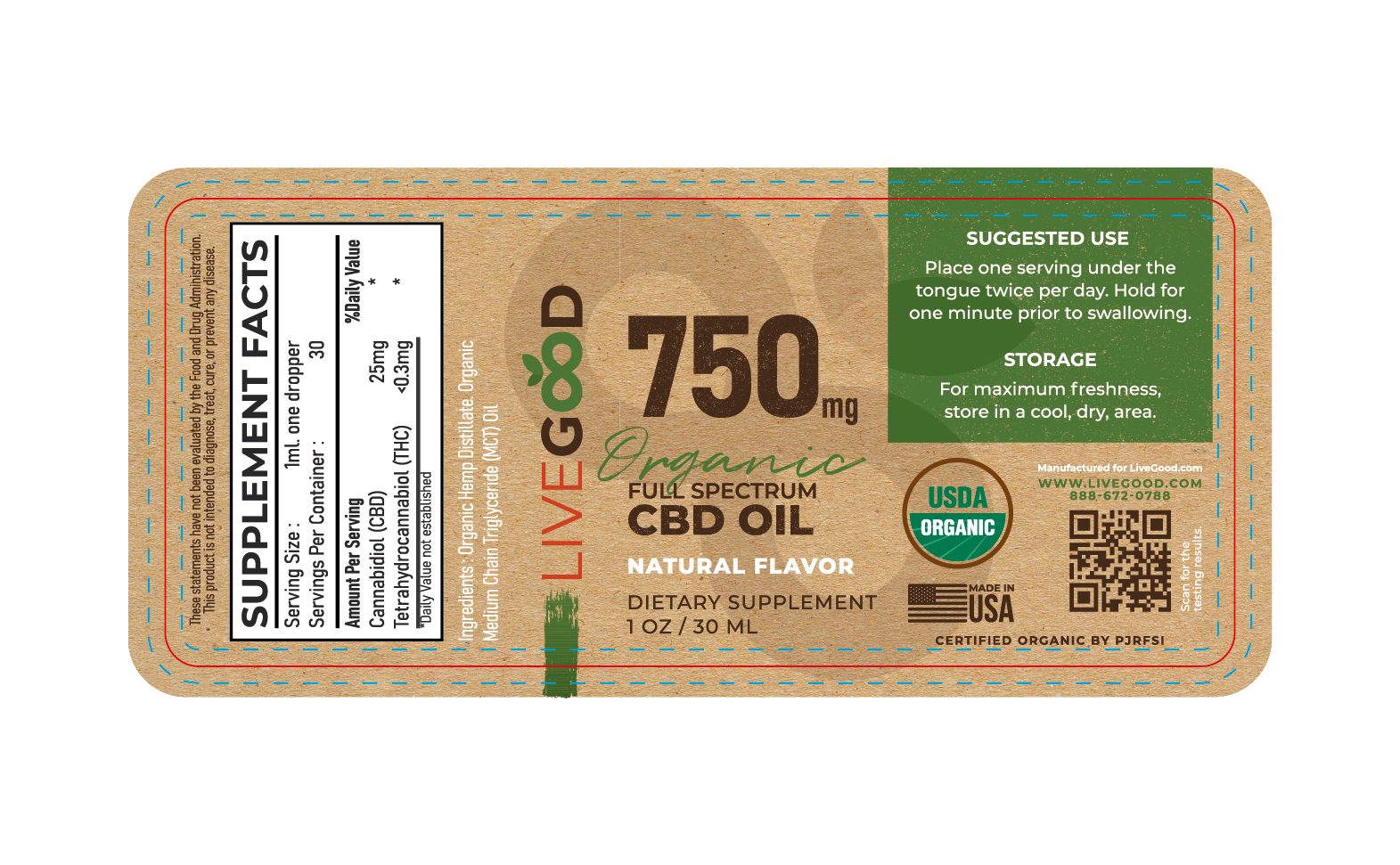
Full-spectrum CBD may contain trace THC, which can matter for impairment, sensitivity, and drug testing.
Who Should Avoid CBD
Some people should avoid CBD unless a qualified healthcare professional specifically approves and monitors its use. This includes anyone who is pregnant or breastfeeding. Human safety data are insufficient, and cannabinoids may pose risks during fetal or infant development. Talk to your doctor about safer options.
Children should not receive retail CBD products without medical direction. Epidiolex is an FDA-approved prescription medicine for specific seizure disorders, but that does not make over-the-counter CBD oils appropriate for children. Prescription treatment uses standardized dosing, known potency, and clinical monitoring.
You also need medical guidance if you have liver or kidney disease, abnormal liver tests, an upcoming surgery, or another existing medical condition. People taking prescription medications should have a doctor or pharmacist check for interactions first. This is particularly important for medicines with a narrow therapeutic range, meaning a small change in blood level can make the drug ineffective or unsafe.
Avoid CBD before driving or performing safety-sensitive work until you know how it affects alertness. Do not combine it casually with alcohol, sleep aids, sedatives, or other substances that cause drowsiness. If you have previously reacted to hemp, cannabis, MCT oil, flavorings, or another ingredient in the bottle, do not use that product.
People subject to drug testing should understand that full-spectrum CBD can contain trace THC. Those who are very sensitive to THC may also prefer to avoid full-spectrum products.
Finally, stop and get medical help if you develop a serious reaction. Supplements can support a routine, but they are not a substitute for medical care, prescribed treatment, sleep, nutrition, or other basic health habits.
Frequently Asked Questions
What are the dangers of CBD oil?
CBD oil can cause side effects, medication interactions, liver enzyme elevations, and unintended THC exposure. Product mislabelling adds uncertainty because the actual dose may differ from the label. Risks are greater with high doses, daily use, interacting medicines, liver conditions, pregnancy, and poorly tested products. CBD may also impair alertness or contribute to a positive drug test.
What are the side effects of CBD?
CBD side effects can include drowsiness, fatigue, diarrhea, nausea, dry mouth, and reduced appetite. Higher exposure may make these effects more likely, although individual responses vary. Combining CBD with alcohol, sedatives, or certain medicines can increase impairment. Stop using it and contact a healthcare professional if symptoms are severe, persistent, or unusual.
Can CBD damage your liver?
CBD may affect the liver, particularly at the high doses used in prescription Epidiolex trials. Some participants developed elevated ALT or AST liver enzymes, with greater risk seen alongside certain seizure medicines such as valproate. The risk from lower-dose supplements is less clear. Talk to your doctor before CBD use if you have liver problems or take liver-affecting medication.
Does CBD interact with medications?
Yes, CBD can interact with medications by affecting CYP450 enzymes and other pathways that process drugs. This may change medication levels and increase adverse effects. A grapefruit warning on your prescription is a practical reason to ask about CBD, but interactions are not limited to those drugs. Have a doctor or pharmacist review your complete medication and supplement list first.
Who should not take CBD?
People who are pregnant or breastfeeding, children without medical supervision, and those with liver or kidney conditions should not take CBD without a doctor's guidance. The same applies to anyone using prescription medication or preparing for surgery. People who drive, perform hazardous work, are sensitive to THC, or face drug testing should also consider avoiding it.