
CBN Gummies for Sleep: What the Evidence Shows
 Written by Nauder Khazan
Ask AI about this article and CBN Sleep Gummies





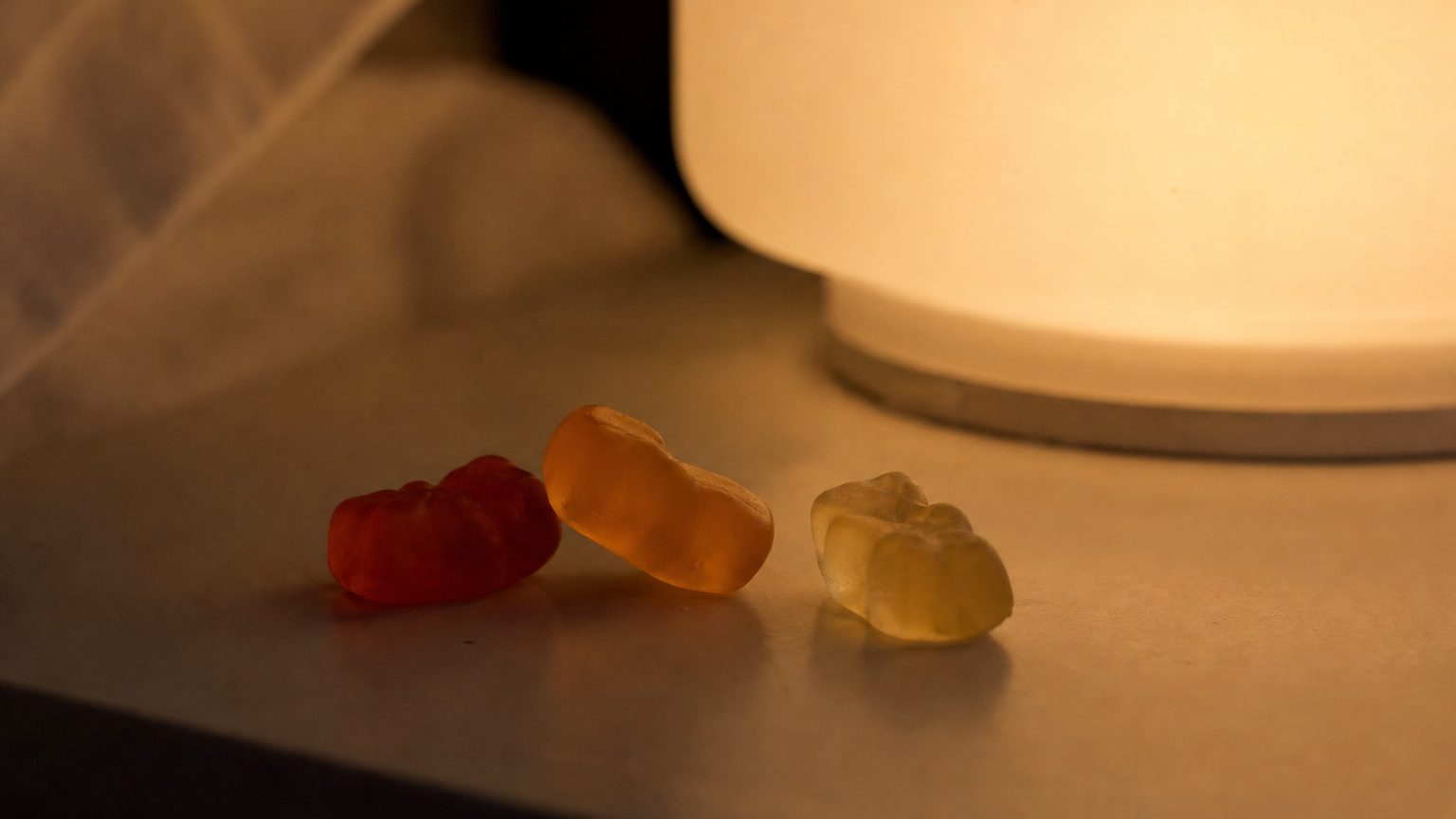
CBN gummies may help some people sleep, but the evidence is much thinner than the marketing suggests. A small amount of human research points to fewer nighttime awakenings, not a strong sedative effect, and melatonin or other ingredients may explain what users notice. Here is how to read the research and decide whether a gummy fits your routine.
Key Takeaways
- Human evidence is limited: Only a small number of controlled studies have tested CBN for sleep, and the results do not establish it as a treatment for insomnia.
- The sleepy reputation is shaky: Much of it comes from observations about aged cannabis and older experiments, not strong modern trials.
- Melatonin may drive the effect: Many CBN sleep gummies contain melatonin, making it difficult to know which ingredient influenced sleep.
- Labels deserve a close look: Check the CBN amount, melatonin content, THC status, serving directions, and an independent certificate of analysis.
- Your routine matters more: A consistent schedule, morning light, less evening caffeine, and a calm bedroom have stronger support than CBN gummies.
What CBN Actually Is
CBN stands for cannabinol. It is one of more than 100 cannabinoids, which are natural compounds found in cannabis and hemp. CBN develops mainly when THC, the intoxicating compound in cannabis, breaks down through age, heat, light, and oxygen exposure. Fresh plants usually contain relatively little CBN.
CBN is not the same as CBD. CBD, or cannabidiol, is another cannabinoid commonly sold in oils, capsules, and gummies. Neither compound typically produces the intoxicating high associated with THC, although research on CBN at different amounts remains limited. That is one reason confident claims about exactly how CBN will make you feel should be viewed carefully.
Like other cannabinoids, CBN may interact with the endocannabinoid system. This is a network of receptors and signaling molecules involved in processes such as appetite, mood, pain perception, and the sleep-wake cycle. Interaction with this system does not automatically mean a compound improves sleep. Researchers still need controlled trials to show whether an effect is real, meaningful, and consistent.
Product type also matters. A CBN isolate is intended to contain CBN without the wider range of hemp compounds. Broad-spectrum products contain several cannabinoids but are generally formulated without THC. Full-spectrum products can contain trace THC. Because independent testing has repeatedly found cannabinoid label mismatches, look for a recent third-party certificate of analysis, often called a COA. It should confirm cannabinoid amounts and screen for contaminants such as pesticides, heavy metals, and solvents.
Where the Sedating Reputation Came From
CBN is often called the sleepy cannabinoid, but that nickname got ahead of the evidence. The reputation appears to come partly from people reporting that older cannabis felt more sedating. Because THC converts into CBN as cannabis ages, CBN became the obvious explanation. That connection was plausible, but it was not proof.
Aged cannabis changes in several ways at once. THC levels can decline. Aromatic plant compounds called terpenes can evaporate or degrade. Storage conditions may alter the overall chemical mixture. If an old product makes someone drowsy, there is no simple way to credit CBN alone.
Small experiments from the 1970s also helped shape the story. In one tiny human study, CBN by itself did not produce a clear sedating effect. It appeared to increase some feelings of drowsiness when combined with THC. That finding is sometimes shortened into the claim that CBN is sedating, even though the combination and the very small sample make that conclusion unreliable.
Animal and laboratory findings add possible mechanisms, but they cannot tell you whether a gummy will shorten the time it takes you to fall asleep. Sleep is influenced by light exposure, stress, caffeine, alcohol, medications, breathing problems, and your internal body clock. A laboratory signal is only a reason to conduct better human studies.
This history does not prove CBN is useless. It shows why marketing language is more certain than the science. Personal reviews can describe genuine experiences, but they cannot separate CBN from expectations, other ingredients, or natural night-to-night changes in sleep.
What Human Research Exists
Controlled human research on CBN and sleep is very limited. One modern randomized, placebo-controlled trial tested 20 mg of CBN for seven nights in adults who described their sleep as poor. Randomized means participants were assigned to different groups by chance. Placebo-controlled means some received an inactive product for comparison.
People taking CBN reported fewer nighttime awakenings and less overall sleep disturbance than those taking the placebo. However, CBN did not clearly improve how long it took participants to fall asleep, early-morning waking, or daytime fatigue. Adding CBD did not appear to strengthen the result. The trial was brief, relied heavily on self-reported sleep, and involved commercial support. Those limits do not erase the finding, but they make replication by independent researchers essential.
Earlier human work was much smaller and did not show that CBN alone reliably caused sleepiness. There also is not enough research to know the ideal amount, whether benefits continue with nightly use, or how CBN compares directly with established behavioral sleep care. No evidence shows that CBN gummies treat insomnia or another sleep disorder.
Short studies suggest CBN is generally tolerated, but long-term safety data are sparse. Possible effects include sleepiness, dizziness, dry mouth, and digestive discomfort. Combination gummies may create additional risks. CBD can affect CYP450 enzymes, which are liver proteins that process many medicines. Full-spectrum formulas can also contain trace THC.
Talk to your doctor before using a cannabinoid supplement if you take prescription medication, are pregnant or breastfeeding, have a kidney or liver condition, or have another existing medical condition. Persistent insomnia, loud snoring, gasping during sleep, or serious daytime sleepiness also warrants medical evaluation rather than repeated supplement experiments.
The Melatonin Question
Before deciding that a CBN gummy worked, check whether it also contains melatonin. Many products combine CBN with melatonin, CBD, L-theanine, chamomile, lemon balm, or other botanicals. When several ingredients are taken together, a better night does not reveal which one made the difference.
Melatonin is a hormone your brain releases in response to darkness. It helps signal that nighttime has arrived and supports the timing of your internal clock. Supplemental melatonin has more human research behind it than CBN, especially for jet lag and sleep schedules that are shifted later than desired. Its average effect on ordinary sleep difficulties is usually modest, however, and it does not work equally well for everyone.
This creates a major interpretation problem. If a gummy contains both CBN and melatonin, the melatonin may be responsible for falling asleep sooner. A calming bedtime ritual, reduced screen use, or the expectation that the gummy will work can also contribute. That does not make the experience imaginary. It means the result cannot be assigned confidently to CBN.
Read the Supplement Facts panel rather than relying on the front label. Note the amount of each active ingredient and whether THC is present. Follow the label directions, and avoid stacking the gummy with separate melatonin or other sleep products unless your doctor recommends it. More is not automatically better, and taking several sedating ingredients can increase next-day drowsiness.
If you want to understand your response, change only one part of your routine at a time. Keep a simple sleep log for one or two weeks, recording bedtime, estimated time to fall asleep, awakenings, wake time, caffeine, and morning alertness.
Sleep Basics That Outperform Gummies
A gummy is unlikely to overcome a sleep schedule that changes every night. The strongest first steps are simple, but they require consistency. Start by choosing a wake time you can maintain, including most weekends. A steady wake time helps anchor your internal body clock and can make sleepiness arrive more predictably at night.
Get outdoor light soon after waking. Morning light tells your brain that the day has started. In the evening, dim bright lights and reduce stimulating screen use. You do not need a perfect digital detox. Even a short, repeatable wind-down period can help separate the day from bedtime.
Caffeine is another common obstacle. Its effects can last for hours, even when you no longer feel energized. If sleep is difficult, move coffee, energy drinks, and caffeinated tea earlier. Alcohol may make you drowsy initially, but it can fragment sleep later in the night. Nicotine can also be stimulating.
Keep the bedroom cool, dark, and quiet. Use the bed mainly for sleep, and go to bed when you feel sleepy rather than simply because the clock says you should. Regular daytime movement can support sleep, although vigorous exercise immediately before bed may feel activating for some people.
If you try a CBN gummy, treat it as one small part of this routine. Follow the product label, avoid driving after taking it, and do not combine it with alcohol or other sedating products without medical guidance. Because edible products must be digested, the timing and intensity can vary. Do not take an extra serving simply because you do not notice an immediate effect.
For sleep problems occurring at least three nights a week over several months, ask your doctor about cognitive behavioral therapy for insomnia. This structured program addresses the thoughts and habits that maintain insomnia and has much stronger evidence than CBN.
LiveGood CBN Sleep Gummies combine premium CBN with soothing botanicals to support a calm bedtime routine, help you fall asleep faster, stay asleep longer, and wake refreshed without grogginess. The non-psychoactive formula is taken as one gummy about 30 minutes before bedtime, following the label directions. The retail price is $19.95, while members pay $14.95, supporting LiveGood's goal of making everyday wellness more accessible through membership pricing.
Frequently Asked Questions
Do CBN gummies work for sleep?
CBN gummies may support sleep for some people, but there is not enough evidence to say they work reliably. One short controlled trial found fewer reported awakenings, while other important outcomes did not clearly improve. Gummies containing melatonin or calming botanicals are especially hard to evaluate because CBN may not be the ingredient producing the noticeable effect.
Is CBN more sedating than CBD?
Research has not established that CBN is more sedating than CBD. CBN's sleepy reputation comes largely from aged cannabis observations, marketing, and a few small studies. In a modern trial, adding CBD to CBN did not improve the sleep findings. Individual reactions vary, and neither supplement should be assumed to cause predictable drowsiness.
Do sleep gummies contain melatonin?
Some sleep gummies contain melatonin, while others are specifically labeled melatonin-free. Check both the Supplement Facts panel and the serving size because front-label wording may not tell the full story. If CBN and melatonin appear together, you cannot easily determine which ingredient influenced your sleep. Avoid combining multiple melatonin products unless your doctor advises it.
Are CBN gummies safe?
CBN gummies appear reasonably tolerated in short studies, but long-term safety has not been established. Possible concerns include drowsiness, dizziness, digestive discomfort, medication interactions, and unexpected THC exposure. Talk to your doctor before use if you take prescription medication, are pregnant or breastfeeding, have a kidney or liver condition, or have any existing medical condition.
Will CBN show on a drug test?
CBN itself is not usually the main target of standard drug tests, but a positive result is still possible. Full-spectrum gummies may contain trace THC, and mislabeled or contaminated products can contain more THC than expected. Some screening tests may also cross-react with related cannabinoids. If testing matters for your job or sport, no cannabinoid gummy can guarantee a negative result.