
Collagen and Joint Health: What the Research Shows
 Written by Nauder Khazan
Ask AI about this article and Collagen Peptides





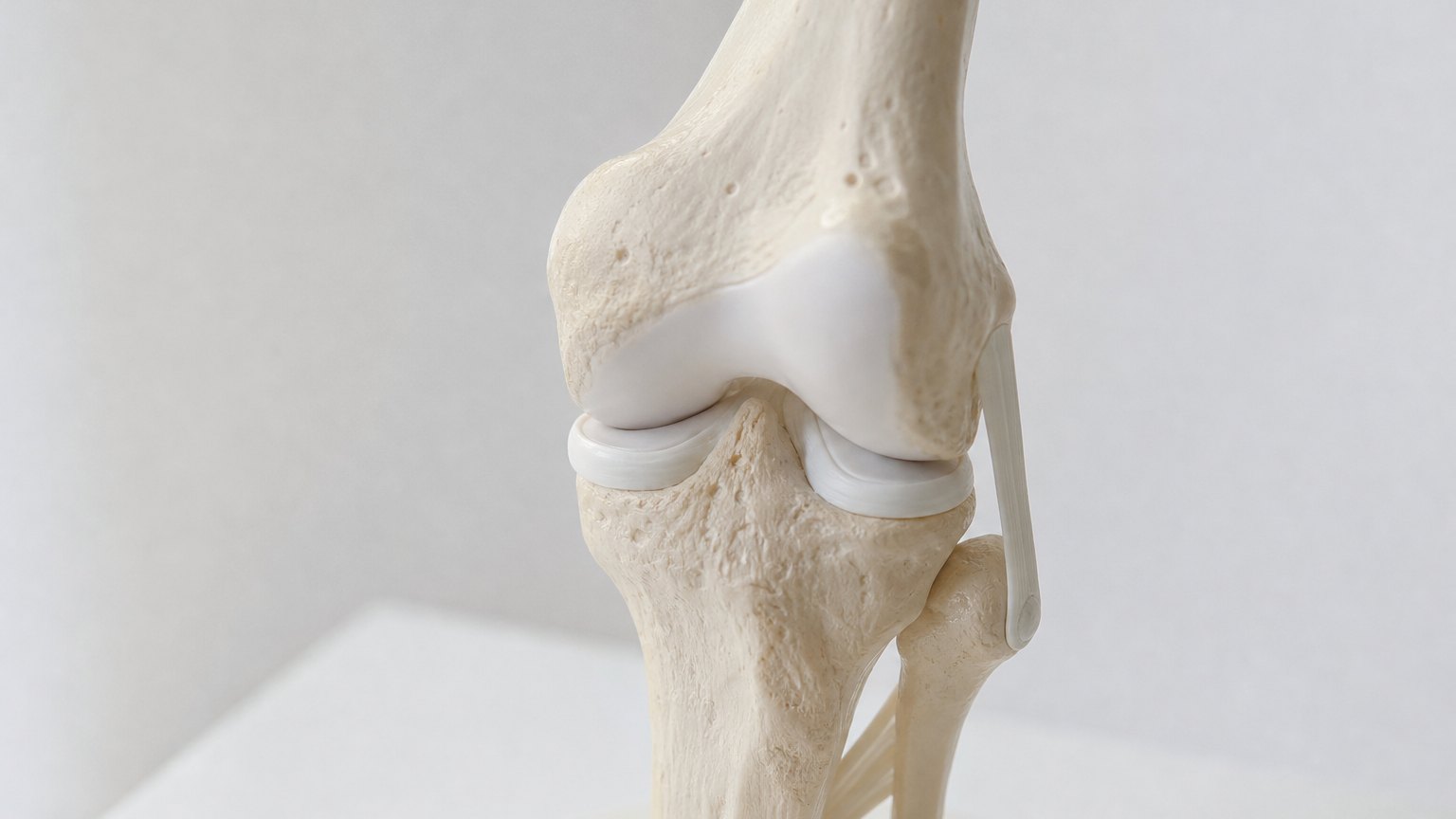
Collagen may support joint function, but the evidence is mixed and the type of supplement matters. The biggest distinction is between gram-sized servings of hydrolyzed collagen peptides and tiny doses of undenatured type II collagen, which are proposed to work in very different ways.
Key Takeaways
- Separate the two forms: Hydrolyzed collagen peptides and undenatured type II collagen are not interchangeable.
- Notice the dose difference: Peptide studies often use around 10 grams, while undenatured type II research commonly uses about 40 milligrams.
- Expect gradual evaluation: Joint studies usually last several months, not several days.
- Read outcomes carefully: Better questionnaire scores do not prove that cartilage was rebuilt.
- Build a complete routine: Exercise, adequate protein, sleep, and medical guidance still matter more than any single supplement.
Two Different Collagen Approaches for Joints
Collagen is a structural protein found throughout your body. It helps form cartilage, tendons, ligaments, bones, skin, and other connective tissues. Cartilage is the smooth tissue covering the ends of bones inside many joints. Type II collagen is especially prominent in cartilage, while types I and III are common in skin, tendons, ligaments, and bone structure.
That basic biology has led to two very different supplement approaches.
Hydrolyzed collagen, also called collagen peptides, has been broken into smaller protein fragments. A serving is usually measured in grams. Joint studies often use approximately 5 to 10 grams per day, with 10 grams being a common research amount. These peptides are digested and absorbed as amino acids and small peptide chains. Researchers are studying whether those materials and signals can support normal connective tissue turnover.
Undenatured type II collagen is different. "Undenatured" means its original three-dimensional protein structure has largely been preserved. It is usually derived from chicken cartilage and is commonly studied at about 40 milligrams per day. That is 250 times smaller than a 10-gram peptide serving.
The dose is tiny because undenatured type II is not primarily proposed to supply building material. Instead, researchers are investigating an immune signaling process called oral tolerance. This distinction explains why comparing collagen products only by milligrams can be misleading.

Hydrolyzed peptides and undenatured type II collagen differ in form, serving size, and proposed biological pathway.
Hydrolysed Peptides at 10 Grams
Hydrolyzed collagen peptides are produced by using enzymes to cut collagen into smaller pieces. This makes the powder easier to dissolve and digest, but it also means the original collagen structure is no longer intact. Once swallowed, most of it is broken down further in the digestive system.
The resulting amino acids include glycine, proline, and hydroxyproline. Your body can use these nutrients wherever they are needed. They are not delivered directly to a knee or shoulder, and they do not simply patch worn cartilage. Small collagen-derived peptides can also appear in the bloodstream. Laboratory research suggests some may act as signals to connective tissue cells, but that proposed pathway is not the same as proving cartilage regrowth in people.
Human trials have used a range of peptide amounts, often from 5 to 10 grams daily. Ten grams is a useful reference point because it appears frequently in research, not because everyone needs that exact amount. Study products, participants, exercise habits, and outcome measures vary considerably.
Some trials report changes in participant-rated joint discomfort or function after several months. Other results are less clear. A systematic review indexed in PubMed pooled studies of several collagen derivatives, but differences among formulations and trial designs make broad conclusions difficult. Several collagen trials have also received industry funding. That does not automatically invalidate the findings, but independent replication would strengthen confidence.
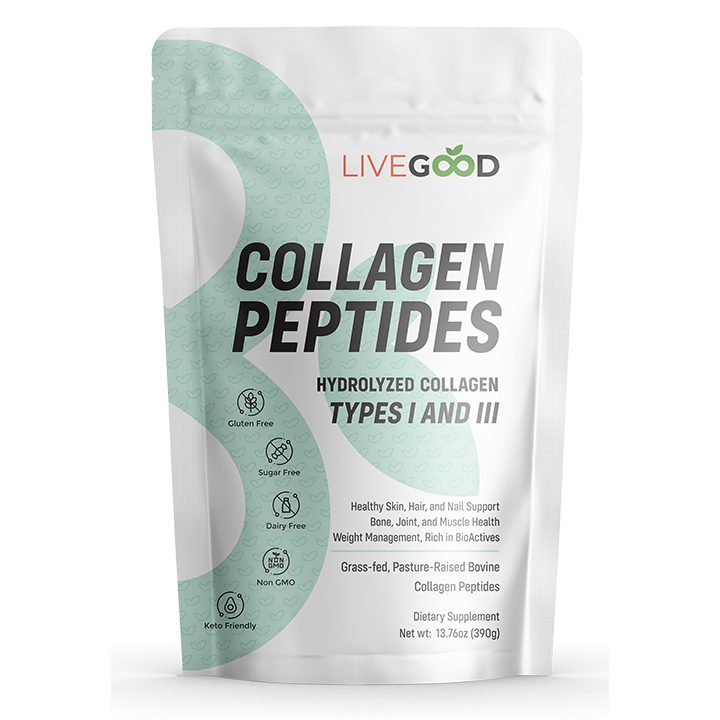
LiveGood Collagen Peptides provides hydrolyzed collagen types I and III and is the first and only collagen product that also includes Velositol, Polynol and ApresFlex. It is formulated to support skin elasticity, hair and nail growth, joint function, muscle and bone structure, and healthy weight management. Follow the label directions and make it part of a consistent routine. Members pay $29.95 versus $49.95 retail, helping make wellness more accessible without treating supplements as quick fixes.
Undenatured Type II at 40 Milligrams
Undenatured type II collagen looks surprisingly underdosed if you compare it with a scoop of collagen powder. Research commonly uses about 40 milligrams of an ingredient containing undenatured type II collagen. That amount is intentional because the proposed mechanism is not nutritional protein replacement.
The theory centers on oral tolerance. Your digestive tract contains immune tissue that samples small amounts of proteins passing through it. Repeated exposure to a specific protein may encourage a more measured immune response to that protein. With undenatured type II collagen, researchers propose that its preserved shape allows immune tissue in the gut to recognize features of type II collagen.
This proposed route is very different from supplying grams of amino acids. The goal is not to absorb 40 milligrams and turn it into new cartilage. In fact, fully digesting the protein before immune recognition could interfere with the proposed process. That is one reason undenatured and hydrolyzed type II collagen should not be treated as equivalent ingredients.
Trials have reported differences in joint function, stiffness, or participant-rated discomfort scores in some study groups. However, oral tolerance remains a proposed explanation rather than a fully established mechanism in humans. The studies also vary in size and quality, and some are funded by ingredient manufacturers.
Check the complete label before comparing products. "Type II collagen" alone does not tell you whether it is undenatured, hydrolyzed, or present as part of a cartilage ingredient. Form and processing matter as much as the number on the front.

Undenatured type II collagen is studied in very small amounts because it is proposed to interact with immune tissue in the digestive tract.
What the Trials Measured
A collagen study can sound impressive until you look closely at what researchers actually measured. Most joint trials focus on questionnaires and movement tests rather than direct evidence of structural cartilage change.
Common questionnaires ask participants to rate discomfort, stiffness, and difficulty with daily activities. These are meaningful experiences, but they are subjective. Expectations, activity levels, sleep, and other treatments can affect the answers. Well-designed trials use a placebo and keep participants and researchers unaware of who received each product. This process is called blinding, and it helps reduce expectation bias.
Researchers may also time a walk, test how far a joint bends, or assess whether someone can complete daily movements. These functional outcomes are more concrete, although they can still change with exercise, motivation, or natural symptom fluctuation. Blood markers sometimes appear in studies as indirect signs of collagen formation or breakdown. A marker changing in the blood does not prove that cartilage inside a specific joint changed.
Imaging outcomes, such as magnetic resonance imaging, are less common. Even when a study includes imaging, a small structural difference may not match how a participant feels or moves. Conversely, a better questionnaire score does not demonstrate that cartilage has grown back.
This is why honest interpretation stays close to the measured result. If a trial found a difference in a discomfort score, that is what it found. It did not necessarily demonstrate repair, regeneration, or protection from future joint problems. Larger, independent, longer-term studies are still needed.

Joint trials commonly track questionnaires and movement tests, which do not directly demonstrate cartilage regrowth.
Why Cartilage Is Slow to Change
Cartilage changes slowly because it has very little direct blood supply. Most tissues receive oxygen and nutrients through nearby blood vessels. Cartilage instead depends largely on movement and joint fluid to move nutrients toward its cells. Those cells, called chondrocytes, maintain the surrounding cartilage material but do so at a slow pace.
Collagen fibers help give cartilage structure, while other molecules attract water and help it handle compression. This organized network is difficult to replace once disrupted. Eating collagen does not send intact fibers straight from your stomach into this network. Digestion breaks food proteins into smaller pieces, and the body decides how to use them.
That slow biology helps explain why joint trials usually last weeks or months. A result after one serving would be more likely to reflect normal day-to-day variation than a meaningful tissue change. Even after several months, changes in comfort or function should not automatically be described as cartilage repair.
This also makes marketing promises about "rebuilding knees" or rapid cartilage regeneration unrealistic. Current supplement evidence does not establish that collagen powders regrow damaged human cartilage. Collagen may still have a place in a broader routine intended to support connective tissues and joint function, but expectations should stay measured.
Consistency matters more than chasing an immediate sensation. Follow the product label, evaluate patterns over time, and avoid increasing the serving simply to copy a study. Research amounts provide context, not personalized dosing instructions.
What Else Supports Joints
Collagen is one part of joint care, not the foundation of it. Regular movement is usually the most practical place to start. Strength training helps the muscles around a joint manage force, while walking, cycling, swimming, and mobility work can support comfortable everyday movement. Increase activity gradually, especially after a long break.
Your overall diet matters too. Collagen is not a complete protein because it does not provide all essential amino acids in balanced amounts. Keep eating varied protein sources such as fish, poultry, eggs, dairy, soy, beans, or lentils. Vitamin C from fruits and vegetables is required for normal collagen production. A supplement cannot compensate for consistently low protein or vitamin C intake.
Sleep and recovery influence how your body responds to exercise. So do footwear, training volume, previous injuries, and body weight. If a particular movement repeatedly causes discomfort, a physical therapist or other qualified clinician can help assess technique, strength, and mobility rather than asking you to guess.
Collagen supplements are animal-derived. Sources may include cattle, fish, pigs, or chicken, so check the label if you have allergies or dietary restrictions. Product quality, processing, and added ingredients also vary.
Talk to your doctor before using a collagen supplement if you take prescription medication, are pregnant or breastfeeding, have kidney or liver conditions, or have another existing medical condition. Persistent, worsening, swollen, hot, or suddenly painful joints need medical assessment. Supplements should not delay that evaluation.
A steady routine is more useful than a quick-fix mindset. That approach reflects LiveGood's commitment to honest education and its mission to "Provide the highest quality supplements in the world, at the lowest prices possible."
Regular movement, balanced nutrition, recovery, and appropriate clinical care form the foundation of a joint-supportive routine.
Frequently Asked Questions
Does collagen help joint pain?
Some collagen studies report improvements in participant-rated joint discomfort, but the findings are mixed and do not prove cartilage repair. Results depend on the collagen form, study population, dose, and trial length. Collagen should not be used to diagnose or treat the cause of pain. Persistent, severe, swollen, or worsening joint pain needs medical assessment.
What type of collagen is best for joints?
No single collagen form is proven best for every person. Hydrolyzed peptides provide gram-sized servings of small protein fragments, while undenatured type II collagen is studied in milligram amounts for a proposed oral tolerance effect. Read the label carefully because hydrolyzed type II and undenatured type II are different ingredients, even though both may say "type II."
How much collagen for joints?
Research amounts depend on the collagen form. Hydrolyzed peptide trials commonly use approximately 5 to 10 grams daily, while studies of undenatured type II collagen often use about 40 milligrams. These figures describe research, not personalized dosing advice. Follow the supplement label and ask your doctor before use if you have a medical condition or take medication.
How long does it take to work?
Collagen studies generally evaluate joint measures after about 8 to 24 weeks of consistent use. Some participants report earlier changes, while others notice no clear difference. One or two servings cannot demonstrate a structural joint effect. Follow the label, keep the rest of your routine stable, and assess trends over several months rather than several days.
Is collagen better than glucosamine?
Collagen has not been shown to be universally better than glucosamine. The ingredients have different proposed mechanisms, and direct head-to-head research is limited. Results also vary among formulations and study groups. Choose based on the specific label, your dietary needs, cost, and guidance from your doctor, particularly if you take prescription medication or have an existing medical condition.