
Collagen Peptides Before and After: What to Realistically Expect
 Written by Ben Glinsky
Ask AI about this article and Collagen Peptides





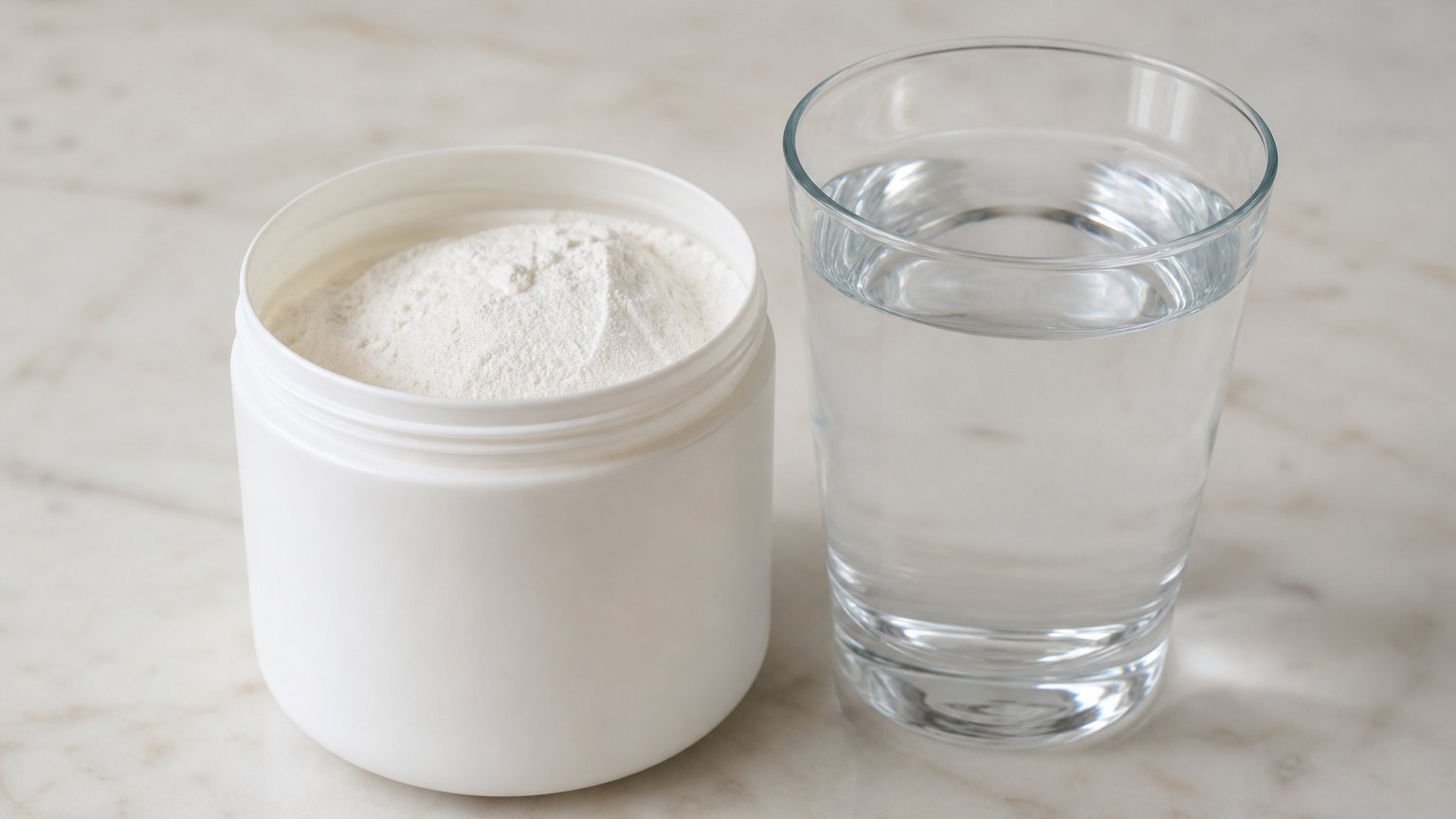
Collagen peptides may modestly support skin hydration and elasticity, but meaningful evaluation usually takes 8 to 12 weeks of consistent use. Dramatic collagen peptides before-and-after photos are not reliable evidence, so this article explains what trials actually measured and how to assess your own results fairly.
Key Takeaways
- Expect subtle results: Controlled trials generally report modest average changes, not dramatic visible transformations.
- Allow 8 to 12 weeks: This is the most practical window for evaluating skin hydration and elasticity.
- Question comparison photos: Lighting, makeup, facial expression, hydration and camera angle can change how skin looks.
- Track one variable at a time: Keep your skin care, sleep and supplement routine as consistent as possible.
- Choose consistency over quick fixes: Follow the label daily and judge patterns over time rather than one good or bad day.
Why Before-and-After Photos Mislead
A before-and-after photo looks convincing because it feels direct. You see two images and assume the supplement caused the difference. Unfortunately, a photo does not tell you what changed between those two moments.
Lighting alone can soften or deepen the appearance of fine lines. A bright, front-facing light reduces shadows, while overhead or side lighting emphasizes texture. Moving the camera slightly higher, changing the distance or using a different lens can also alter facial proportions. Even automatic phone processing may sharpen, smooth or brighten an image.
Skin hydration changes throughout the day. A photo taken after moisturizer, a shower or a humid night may look different from one taken when the skin is dry. Makeup, sunscreen, facial expression and head position add more uncertainty. Smiling, squinting or relaxing the forehead can noticeably change visible lines without any change in skin structure.
There is also selection bias. This means people are more likely to post an impressive comparison than an unclear or disappointing one. Brands and social media accounts may choose the most flattering result from dozens of images. You rarely see everyone who tried the same routine and noticed nothing.
None of this proves that collagen peptides cannot help. It simply means photos are weak evidence on their own. Skin changes slowly, and any effect needs to be separated from normal daily variation, skin care products and lifestyle changes.
What Controlled Trials Actually Measured
Controlled trials try to reduce the problems found in casual before-and-after comparisons. Participants are typically assigned to collagen peptides or a placebo, which is a look-alike product without collagen. When participants and researchers do not know who received which product, expectations are less likely to influence the result.
Researchers also use instruments rather than relying only on appearance. Skin hydration may be assessed with a probe that measures how the skin holds electrical charge. More water in the outer skin layer changes that reading. Elasticity may be tested with a small suction device that measures how well skin returns after being gently pulled. Some trials use standardized imaging to measure skin texture or the depth of specific lines.
Across reviews of randomized trials, hydrolyzed collagen has been associated with modest average improvements in hydration and elasticity. Hydrolyzed means the collagen protein has been broken into smaller pieces called peptides. These pieces are digested into amino acids and short peptides that the body can use as building materials. They are not delivered directly and exclusively to your skin.
The evidence has limits. Many studies are small, last only a few months and use different collagen sources, serving sizes and added ingredients. Some are funded by collagen manufacturers. When studies are pooled together, those differences can make the average result look more certain than any single person should expect. Research supports the possibility of a modest effect, not a guaranteed visible change.
Realistic Timelines: 8 to 12 Weeks
Eight to 12 weeks is a reasonable trial period if your main goal is to evaluate skin hydration or elasticity. This range reflects the length of many controlled studies, not a promise that you will see a particular result by a specific day.
During the first few weeks, collagen is being digested like other dietary proteins. You should not expect an immediate cosmetic effect after one serving. A powder cannot rapidly change the skin's underlying structure, and feeling no difference in the first month does not tell you whether a measurable change will occur later.
Some studies have detected changes in hydration after roughly four to eight weeks. Elasticity outcomes are more commonly evaluated around eight to 12 weeks. The order and timing vary, however. A change detected by an instrument may be too small to notice in the mirror. It may also fall within the normal variation you experience from weather, sleep or skin care.
Daily consistency matters more than morning versus evening timing. Take the product according to its label at a time you can maintain. Mixing collagen into coffee, water or a smoothie can make the habit easier, but no particular time has been proven to produce faster skin results.
At 12 weeks, review your records rather than trying to remember how you looked three months earlier. If you notice no meaningful difference, that is useful information. You do not need to keep taking a supplement indefinitely because someone else's photos looked impressive.
What Changes First and What Does Not Change
If collagen peptides have an effect, skin hydration may be among the earlier measurable outcomes. Hydration refers to water held in the outer layer of skin. Better hydration can affect how skin feels, but it does not mean collagen has changed your facial shape or removed wrinkles.
Elasticity may take longer to evaluate. Elasticity is the skin's ability to stretch and return toward its original position. Trials sometimes find modest improvements after eight to 12 weeks, but the average instrument reading does not predict what you will see in your own mirror.
Evidence for hair and nails is less developed than the skin research. Nails grow slowly, while scalp hair grows over months. A few small studies and personal reports suggest possible support, but there is not enough strong evidence to promise faster growth, greater thickness or a visible change by a set date. Hair shedding and brittle nails can also have nutritional, hormonal or medical causes that a collagen supplement will not address.
Collagen should not be expected to reshape your face, erase lines or produce weight loss. Research on collagen and body composition asks different questions from skin trials and usually includes exercise or dietary controls. A change on the scale cannot automatically be credited to collagen.
Joint comfort and function are also separate outcomes. Those studies use measures such as activity, mobility and reported discomfort rather than skin photographs. Results may take several months and vary by the person, activity level and formulation.
Confounders: Sun, Sleep, Hydration
A confounder is something other than the supplement that could explain a result. Collagen before-and-after claims are especially vulnerable to confounders because skin responds to your environment and routine every day.
Sun exposure is a major example. Ultraviolet light can damage the proteins that help give skin its structure. Starting collagen while also becoming more consistent with sunscreen makes it impossible to know which change affected your skin. That does not mean you should skip sun protection. It means you should record the change and interpret the result cautiously.
Sleep can influence how your face looks the next morning. A short or restless night may contribute to puffiness, dullness or more noticeable under-eye shadows. Better sleep can improve appearance without changing collagen content. Stress, alcohol and smoking can add further variation.
Hydration is another common source of confusion. Drinking water does not directly rebuild collagen, but dehydration can make skin and lips feel dry. Humidity, indoor heating, menstrual cycle changes, travel and exercise can also affect water balance. Moisturizers temporarily change the appearance and feel of the skin's surface.
Diet matters because your body needs adequate protein and nutrients to maintain tissue. Vitamin C, for example, is required for normal collagen production. However, adding several new foods, supplements and skin care products at the same time makes it difficult to identify what helped.
Try not to eliminate healthy habits for the sake of a perfect experiment. Instead, keep them reasonably steady and write down major changes. Honest tracking is more useful than pretending collagen is the only influence.
How to Judge Your Own Results Honestly
Start by deciding what you are actually evaluating. "Look younger" is too broad. A more useful goal might be how dry your skin feels, how consistently your nails break or how your joints feel during the same activity. Pick one or two outcomes rather than searching for any possible sign that the supplement is working.
Record a baseline before your first serving. For skin photos, use the same room, camera, distance, time of day and neutral expression. Avoid makeup and apply the same skin care beforehand. Turn off beauty filters and automatic portrait effects when possible. One photo every two to four weeks is more useful than daily checking.
Use simple ratings alongside photos. For example, rate skin dryness from zero to ten once a week under similar conditions. If tracking joint function, repeat the same ordinary activity and record how it felt. These methods are not as precise as laboratory tools, but they reduce the influence of memory and one unusually good day.
Keep a brief log of supplement use, sleep, travel, sun exposure and major skin care changes. Do not increase the serving because results seem slow. Follow the product label. If the supplement causes digestive discomfort or another unwanted reaction, stop using it and seek appropriate guidance.
Talk to your doctor before starting collagen if you are pregnant or breastfeeding, take prescription medication, or have kidney, liver or other existing medical conditions. Check the collagen source carefully if you have food allergies. After eight to 12 weeks, compare your records and decide whether any modest result is personally worthwhile.
LiveGood Collagen Peptides provides hydrolyzed collagen types I and III and is the first and only collagen product that also includes Velositol, Polynol and ApresFlex. It is formulated to support skin elasticity, hair and nail growth, joint function, muscle and bone structure, and healthy weight management. Follow label directions consistently rather than increasing servings for faster results. Member pricing is $29.95 versus $49.95 retail, helping make a daily routine more accessible.
Frequently Asked Questions
How long does collagen take to show results?
For skin outcomes, allow about 8 to 12 weeks before judging collagen peptides. Some studies have measured hydration changes earlier, but elasticity is often evaluated after two to three months. Results are usually modest and may not be visible in ordinary photos. Take the product consistently according to its label, then compare standardized records rather than relying on memory.
Are collagen before and after photos reliable?
Collagen before-and-after photos are not reliable evidence by themselves. Lighting, angle, facial expression, makeup, moisturizer, hydration and phone processing can all change how skin appears. They also show only selected individuals, not everyone who used the product. Controlled trials with placebo groups and instrument-based measurements provide more useful evidence, although those studies still have limitations.
What results can you realistically expect?
You can realistically expect, at most, subtle support for skin hydration or elasticity after consistent use. Some people may notice no clear difference. Evidence for visible hair and nail changes is more limited, and collagen should not be expected to remove wrinkles, reshape the face or cause weight loss. Joint-related outcomes are separate and may require a longer evaluation period.
Does collagen work for everyone?
No, collagen does not produce noticeable results for everyone. Response may vary with age, diet, collagen source, serving size, health, sun exposure and the outcome being measured. Studies report group averages, which include people who respond differently or not at all. Food allergies and medical needs also affect suitability, so consult your doctor when appropriate.
How much collagen per day?
There is no single collagen serving proven to be ideal for every goal. Research commonly examines approximately 2.5 to 10 grams of hydrolyzed collagen per day, but formulations and outcomes differ. Follow your product's label rather than increasing the amount to copy a study. Ask your doctor first if you take prescription medication, are pregnant or breastfeeding, or have kidney, liver or other medical conditions.