
Colostrum for Skin: What Is Known So Far
 Written by Ben Glinsky
Ask AI about this article and Whey Protein Isolate - With Colostrum





Colostrum contains growth factors, immune proteins, and other compounds that have attracted interest in skincare. Early laboratory and topical-formulation research offers possible reasons for that interest, but human skin evidence is limited, especially for oral supplements. Here is what we know, what remains uncertain, and how to assess the claims you see online.
Key Takeaways
- Promising ingredients, limited proof: Colostrum contains growth factors and immune proteins, but their presence does not guarantee visible skin results.
- Application route matters: A topical formula contacts the skin directly, while oral colostrum must pass through digestion before it could influence skin.
- Human trials are scarce: Most skin-related evidence comes from laboratory work, ingredient research, or small studies of topical formulas.
- The gut link is indirect: Oral colostrum may interact with the digestive tract, but that does not establish a dependable skin benefit.
- Safety still matters: Avoid bovine colostrum if you have a dairy allergy, and discuss supplements with your doctor when appropriate.
What Colostrum Contains
Colostrum is the first milk a mammal produces after giving birth. Most supplements and commercial skincare ingredients use bovine colostrum, which comes from cows. It differs from regular milk because it contains a concentrated mixture of proteins, fats, carbohydrates, vitamins, minerals, and biologically active compounds.
The ingredients receiving the most skincare attention include insulin-like growth factor 1, or IGF-1, transforming growth factor beta, or TGF-beta, and epidermal growth factor, or EGF. Growth factors are signaling proteins. They help cells communicate and guide normal processes such as growth, development, and tissue maintenance.
Colostrum also contains immunoglobulins, commonly called antibodies. These proteins help the immune system recognize specific targets. Lactoferrin is another protein found in colostrum. It binds iron and has been studied for several biological roles, including its interactions with microbes and immune signaling.

Bovine colostrum contains nutrients, growth factors, and immune proteins, although amounts vary by source and processing.
This ingredient list sounds impressive, but composition alone cannot tell you what a product will do for your skin. Colostrum varies with the animal, collection timing, processing method, storage, and final formulation. Heat and digestion can also change sensitive proteins. A label may list bovine colostrum without disclosing how much of each growth factor or immunoglobulin remains active.
It is therefore more accurate to say colostrum contains compounds relevant to skin biology than to say it reliably changes skin. That distinction becomes especially important when comparing laboratory findings with finished creams or oral supplements.
Why Growth Factors Attract Interest
Skin is an active organ made of several layers. Its cells continually communicate as they maintain the outer barrier, replace worn cells, and respond to everyday stress. Growth factors participate in some of that communication, which makes them appealing ingredients for laboratory and cosmetic research.
IGF-1 is involved in cell growth and metabolism. TGF-beta helps regulate cell activity and the production of the surrounding tissue framework. EGF participates in signals related to the growth and movement of certain cells. These actions are complex and tightly controlled inside the body. More signaling is not automatically better, and the effects seen in a dish cannot be assumed to occur in human skin.

Growth factors help cells communicate, but laboratory activity does not guarantee a visible result in human skin.
Researchers can expose isolated cells or reconstructed skin models to colostrum-derived ingredients and measure changes in cell behavior. Such work can identify a possible mechanism, meaning a biological explanation for how something might work. It cannot prove that a cream improves skin appearance or that swallowing colostrum produces the same exposure.
Growth factors are also large, delicate proteins. The skin's outer layer, called the stratum corneum, is designed to keep many substances out. Whether a growth factor remains stable in a product, penetrates where needed, and stays active depends on its concentration and the complete formula.
For those reasons, growth-factor content is a starting point for research, not a promise of firmer skin, more collagen, or a younger appearance. Those outcomes would require well-designed human trials using the specific product and measuring meaningful skin changes over time.
Topical vs Oral: An Important Difference
Topical and oral colostrum take very different routes. A topical product places colostrum-derived material directly on the skin. An oral powder or capsule sends it through the stomach and intestines. Evidence for one route cannot be used automatically to support the other.
A colostrum cream may help skin feel softer or less dry because of the full formulation. Water-binding ingredients, oils, and other moisturizers can improve the way the skin surface feels. If a study tests a finished cream, it may be difficult to determine whether colostrum, the moisturizing base, or their combination produced the measured result.
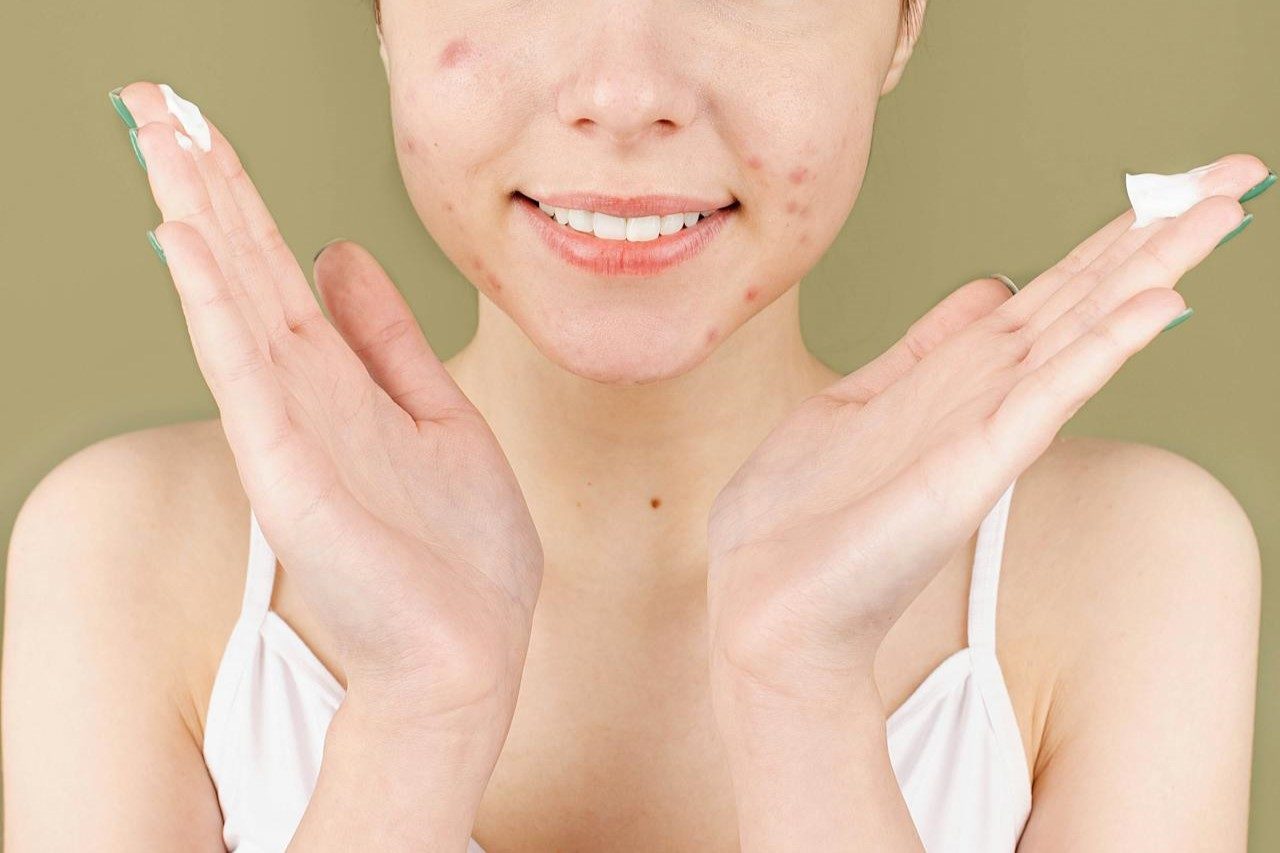
Topical formulas contact the skin directly, while oral colostrum must first pass through digestion.
Topical research still faces basic questions. Researchers need to know how much active material is present, whether it survives storage, and whether it can reach an appropriate layer of skin. Small or uncontrolled studies can generate ideas, but they cannot establish consistent results across different formulas and skin types. Do not apply raw bovine or human colostrum to your face. It is not a preserved cosmetic, and contamination or irritation is possible.
With oral colostrum, many proteins are broken into smaller pieces during digestion. Some components may remain active within the digestive tract, but that is different from entering the bloodstream intact and reaching the skin at a useful level. Claims that an oral serving directly tells skin cells to produce collagen skip several unproven steps.
If you choose a topical product, judge the complete ingredient list and patch test it first. If you choose an oral supplement, follow its label rather than treating topical findings as dosing evidence.
The Gut-Skin Connection
The digestive system and skin communicate through immune, metabolic, hormonal, and nervous-system pathways. This broad relationship is often called the gut-skin axis. It is a useful area of research, but the phrase is sometimes used to make oral skincare claims sound more settled than they are.
Bovine colostrum is studied mainly for its interactions with the digestive tract and immune system. Because it contains proteins that can act within the gut, researchers are interested in whether it may help maintain normal intestinal barrier and immune functions in certain settings. Results depend on the population, product, dose, and outcome measured, and they do not automatically translate into visible changes in skin.

The gut and skin communicate through several body systems, but the effects of oral colostrum on skin remain uncertain.
A healthier daily routine can support both digestive and skin wellness without relying on one ingredient. Eat a varied diet with enough protein, colorful plants, and fiber. Stay hydrated, get regular sleep, manage sun exposure, and use a gentle moisturizer when your skin needs it. Consistency matters more than chasing a quick change based on a before-and-after post.
If you try oral colostrum, evaluate it as part of that broader routine. Keep expectations modest and avoid changing several supplements or skincare products at once. Otherwise, you will not know which change affected how you feel or how your skin looks.
This is also where evidence-grounded education matters. A plausible gut-skin pathway is not the same as a demonstrated result. Until controlled human trials directly measure skin outcomes, oral colostrum should not be presented as a proven way to tighten skin, change collagen levels, or alter the appearance of aging.
If you want colostrum in a form you will actually take daily, Whey Protein Isolate - With Colostrum provides 20 grams of protein with all nine essential amino acids, organic cacao, colostrum, and digestive enzymes. Its whey is 100% grass-fed, pasture-raised, and sourced from US sustainable farms. Chocolate is $39.95 for members and $49.95 retail. Follow the label, remember that it contains dairy, and treat it as nutrition rather than as a skin treatment.
What the Evidence Does Not Show Yet
Human trials have not yet established that oral colostrum produces dependable, visible skin benefits. There is no solid basis for promising skin tightening, fewer lines, a specific improvement timeline, or a dramatic before-and-after result. Research showing that colostrum contains a growth factor is not the same as research showing that a person who consumes it experiences a meaningful skin change.
The evidence also does not show that colostrum treats acne, eczema, rosacea, psoriasis, or another skin condition. Laboratory findings involving immune activity or microbes cannot substitute for clinical trials in people. If you have a persistent rash, painful breakout, changing mole, or another concerning symptom, seek guidance from a qualified healthcare professional rather than relying on a supplement or cosmetic.
Realistic expectations and a consistent basic skincare routine matter more than dramatic colostrum claims.
Product comparisons require similar caution. Colostrum and collagen are not interchangeable. Collagen supplements provide particular amino acids and peptides, while colostrum contains a broader mix of proteins and signaling compounds. That difference does not prove one is better for skin. The relevant question is whether the exact product, form, and serving have been tested for the outcome you care about.
Bovine colostrum can cause digestive effects such as nausea, gas, or loose stools in some people. It comes from milk, so anyone with a dairy allergy should avoid it unless a qualified clinician says otherwise. Lactose intolerance is different from a milk allergy, but lactose content can vary by product.
Talk to your doctor before using colostrum if you are pregnant or breastfeeding, take prescription medication, have a kidney or liver condition, or manage an existing medical condition. Supplements can support a routine, but they should not replace medical care, sunscreen, adequate nutrition, or a basic skincare plan.
Frequently Asked Questions
Is colostrum good for your skin?
Colostrum may have skincare potential, but current evidence is not strong enough to call it a proven skin supplement. It contains growth factors, immunoglobulins, and lactoferrin that are relevant to cell and immune biology. Most supporting work comes from laboratories or topical formulations, however. Human trials need to confirm whether those findings lead to noticeable, repeatable skin benefits.
Does oral colostrum help skin?
Oral colostrum has not been shown conclusively to improve skin in humans. Its proteins first encounter stomach acid and digestive enzymes, and many are broken into smaller parts. Some components may act within the digestive tract, but researchers have not established that enough intact material reaches skin or produces visible results. Treat oral skin claims as preliminary rather than guaranteed.
What is in colostrum that affects skin?
Colostrum contains growth factors such as IGF-1, TGF-beta, and EGF, along with immunoglobulins and lactoferrin. These compounds participate in cell signaling or immune activity, which explains the research interest. Their presence does not prove a finished cream or supplement will affect your skin. Processing, concentration, stability, delivery, and the rest of the formula all influence what happens in practice.
Can colostrum help with acne?
Colostrum is not proven to help acne, and it should not replace established care. Lactoferrin and other colostrum components have biological properties that interest researchers, but laboratory findings do not demonstrate that a topical or oral product improves breakouts. Acne has several possible drivers. A dermatologist can help you choose care based on your skin and the severity of your symptoms.
Are there side effects to taking colostrum?
Colostrum may cause nausea, gas, bloating, or loose stools in some people. Because bovine colostrum comes from milk, people with a dairy allergy should avoid it unless their clinician advises otherwise. Follow the product label. Talk to your doctor before use if you are pregnant or breastfeeding, take prescription medication, have kidney or liver concerns, or manage an existing condition.