
Colostrum Supplements and the Celebrity Trend
 Written by Nauder Khazan
Ask AI about this article and Whey Protein Isolate - With Colostrum





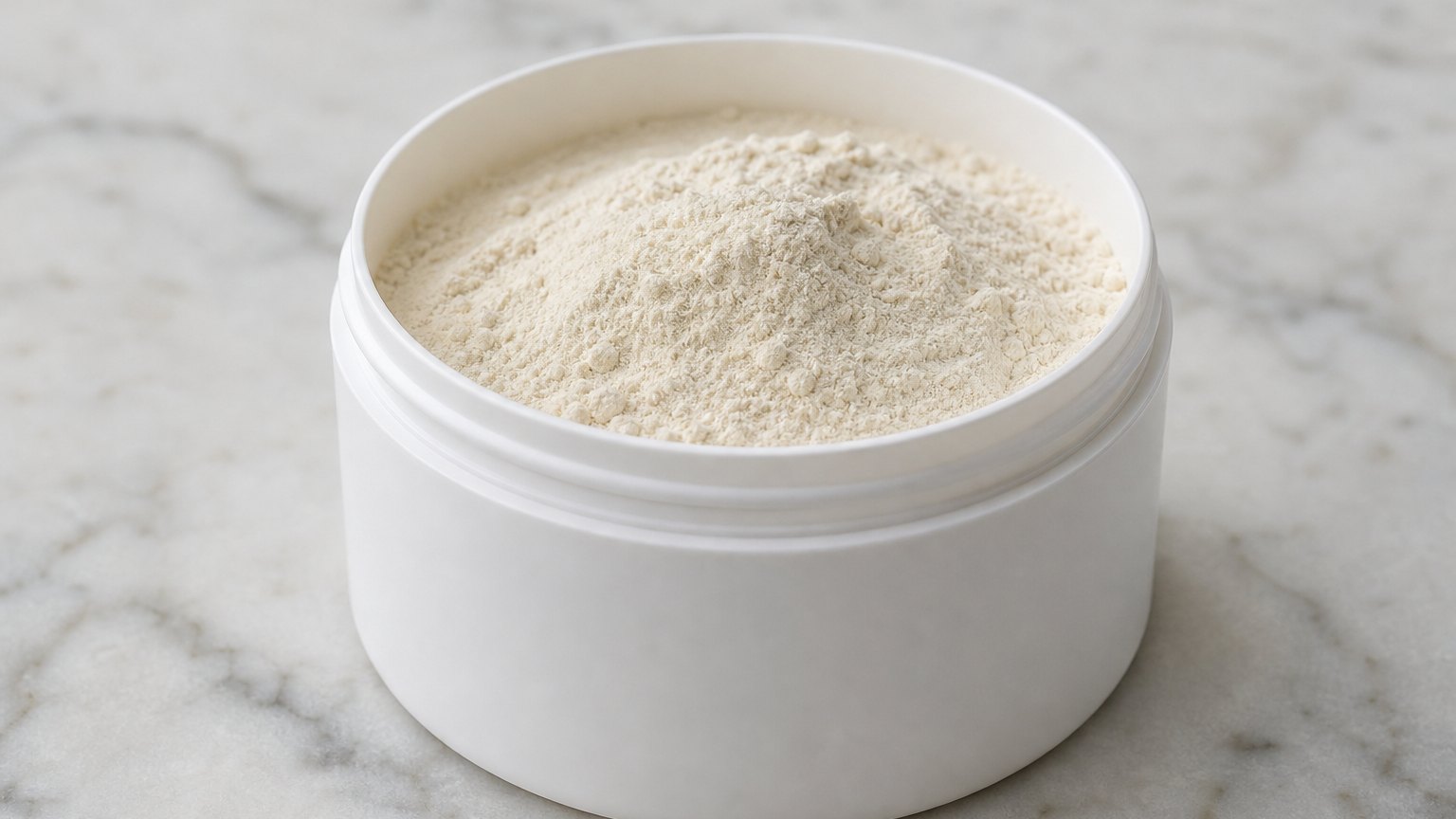
Celebrity colostrum supplements have become a wellness trend because public figures, smoothie shops, and social media creators have made bovine colostrum highly visible. The ingredient is interesting, but celebrity attention does not prove that it works. Here is what colostrum contains, where the research looks promising, and what to consider before trying it.
Key Takeaways
- The trend is bigger than the evidence: Social media visibility has moved faster than adult human research.
- Colostrum contains active compounds: These include proteins, antibodies, lactoferrin, and growth factors.
- Digestion changes the equation: Many proteins are partly broken down before the body can use them.
- Research is still developing: Gut barrier and exercise studies are promising, but findings are mixed.
- Safety depends on the person: Anyone with a milk allergy should avoid bovine colostrum.
Why Colostrum Went Viral
Colostrum had several qualities that made it ideal for social media. It comes from nature, has a memorable origin story, and can be packaged as a convenient powder. It also connects with popular conversations about digestion, immunity, exercise recovery, and skin. One ingredient appears to fit several wellness interests at once.

Colostrum's natural origin and easy-to-mix format helped it become a highly visible social media wellness trend.
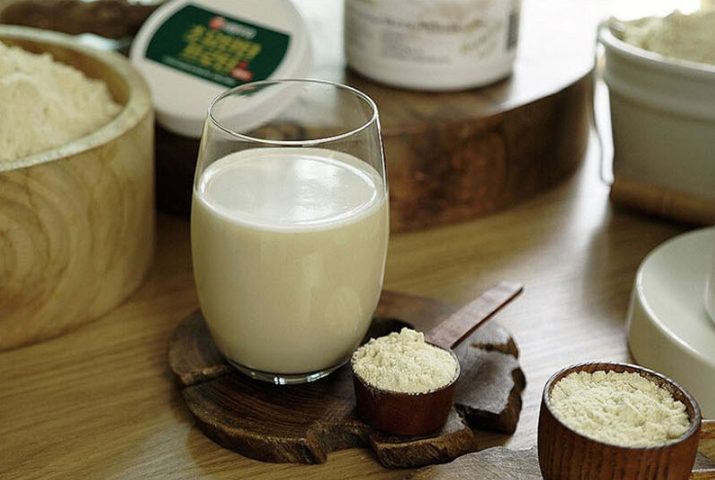
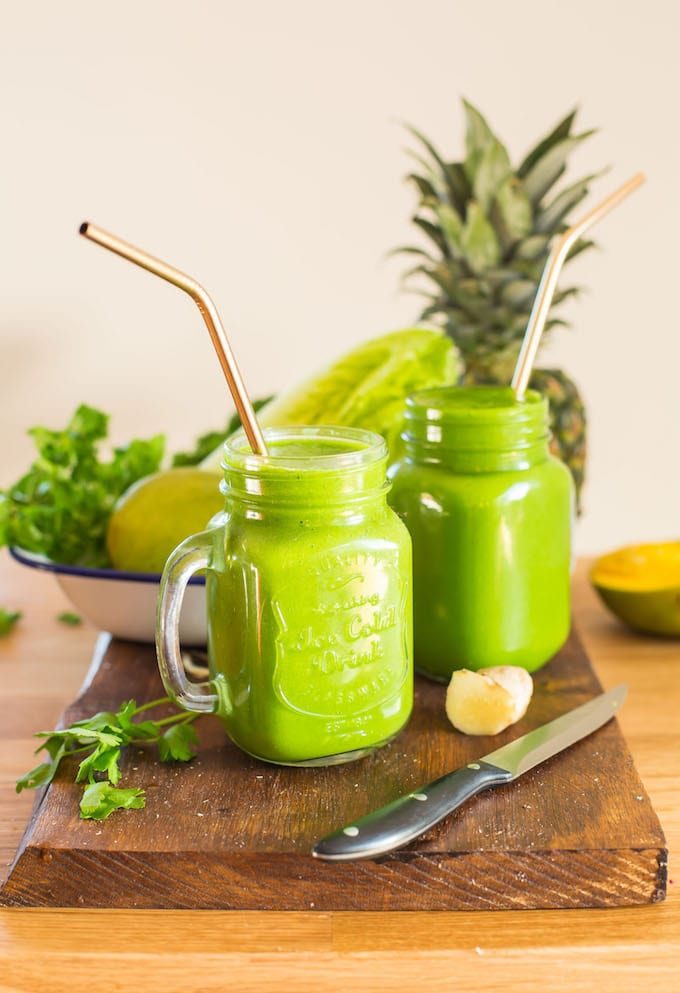
The visual side matters too. A pale powder blends easily into coffee, smoothies, and other photogenic drinks. When a public figure includes it in a morning routine or a specialty smoothie shop adds it to a menu, the ingredient becomes familiar before most people know what it is. Repeated exposure can feel like confirmation, even when every post traces back to the same marketing message.
Social media algorithms add momentum. Content that sounds new, natural, or surprising tends to attract comments and shares. Colostrum checks all three boxes because it is the first milk mammals produce after giving birth. That biological role is remarkable, but it applies most clearly to newborn animals, not automatically to human adults.
Repeated appearances in smoothies and daily routines can create familiarity without providing scientific proof.
Celebrity colostrum supplements also arrived during growing interest in protein powders and gut health products. That timing helped turn a specialized sports nutrition ingredient into a mainstream trend. The sensible response is not to dismiss it or accept every claim. Start with what the ingredient actually contains, then compare the claims with adult human evidence.
What Bovine Colostrum Actually Contains
Bovine colostrum is the first milk a cow produces shortly after giving birth. It is different from mature cow's milk because it is designed to support a newborn calf during its first stage of life. Most colostrum supplements use bovine colostrum because cows produce enough for commercial collection after the calf's needs are met.
Colostrum contains protein, fat, carbohydrates, vitamins, and minerals. It also includes immunoglobulins, commonly called antibodies. Antibodies are proteins that recognize specific biological targets. In calves, they provide crucial early immune protection because calves are born without receiving the same transfer of maternal antibodies that human babies receive during pregnancy.

Bovine colostrum naturally contains protein, immunoglobulins, lactoferrin, and other biologically active compounds.
Other components include lactoferrin, a protein that binds iron, and growth factors, which are signaling proteins involved in normal growth and tissue maintenance. Researchers are interested in how these compounds may interact with the digestive tract. However, the fact that a substance has an important biological role in a calf does not establish the same outcome in an adult human.
Amounts also vary. The cow's health, collection time, processing method, storage, and final serving size can all affect a supplement's composition. A label that simply says "colostrum" does not tell you how much immunoglobulin or lactoferrin it provides.

Collection timing, processing, storage, and serving size can change the composition of a colostrum supplement.
This variation helps explain why two colostrum products may not be equivalent. It also makes broad online claims difficult to evaluate. When possible, look for a clear serving size, transparent sourcing, allergen information, and details about the other ingredients in the formula.
The Digestion Question
One of the biggest questions is whether colostrum's proteins survive adult digestion. Your stomach uses acid and enzymes to break dietary proteins into smaller pieces called peptides and amino acids. Those smaller units can then be absorbed and used to build and maintain tissues throughout the body.
This means an antibody swallowed in a powder does not necessarily enter the bloodstream intact or behave like an antibody produced by your own immune system. Claims that oral colostrum directly transfers broad immunity to adults oversimplify what happens during digestion. Newborn calves have a short window when their intestines can absorb maternal antibodies efficiently. Adult human digestion works differently.

Adult digestion breaks dietary proteins into smaller peptides and amino acids before absorption.
That does not mean every colostrum component becomes irrelevant. Some compounds may resist digestion better than others, and partially digested proteins can still interact locally with the intestinal lining. This local contact is one reason researchers are studying colostrum for gut barrier support. The gut barrier is the layer of cells that helps control what passes from the digestive tract into the body.
Processing also matters. Heat supports food safety, but excessive heat may alter sensitive proteins. Manufacturers may use different drying and filtration methods, creating products with different compositions. Researchers also use different daily amounts and study populations, which makes direct comparison difficult.

Clear serving information and transparent labeling are more useful than vague claims about bioactivity.
For you, the practical point is simple. Do not judge a colostrum supplement solely by a large milligram number or a claim that it is "bioactive." Check the full label, follow its directions, and view it as one part of a consistent nutrition routine rather than a shortcut around sleep, balanced meals, or medical care.
What the Research Supports So Far
Research on bovine colostrum in adults is real, but it is not broad enough to support every claim seen online. Many studies are small, use different formulas, and focus on athletes or people completing demanding exercise. That makes it difficult to know whether the same findings apply to the general population.
The most interesting area involves the gut barrier. Strenuous exercise, particularly in heat, can temporarily increase intestinal permeability. This means the intestinal lining becomes easier for certain substances to cross. Some small trials suggest bovine colostrum may help maintain normal gut barrier function during exercise stress. Other studies have found limited or inconsistent effects, so the question is not settled.
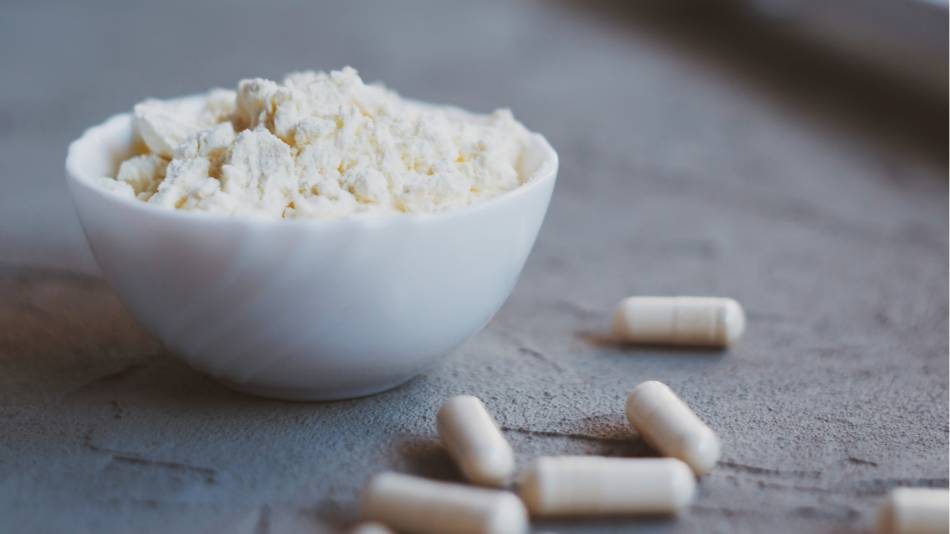
Researchers are studying whether bovine colostrum helps maintain the intestinal barrier during physical stress.
Immune research is also mixed. A systematic review of immune outcomes found variation across studies, measurements, and supplement protocols. Some trials reported changes in saliva antibodies or self-reported respiratory symptoms among active adults, while others did not show a clear advantage. These results do not prove that colostrum prevents infections.
Exercise performance findings are similarly inconsistent. A review of bovine colostrum in sports nutrition discusses possible effects on gut integrity, immune measures, recovery, and performance, but the underlying studies vary widely. Evidence for dramatic muscle, skin, weight, or anti-aging results remains weak or absent.
Current adult research is promising in a few areas, but study sizes and results remain inconsistent.
The honest conclusion is that bovine colostrum may support aspects of gut and immune function, especially under physical stress, but stronger research is needed. Results can depend on the amount, processing, duration, and person being studied.
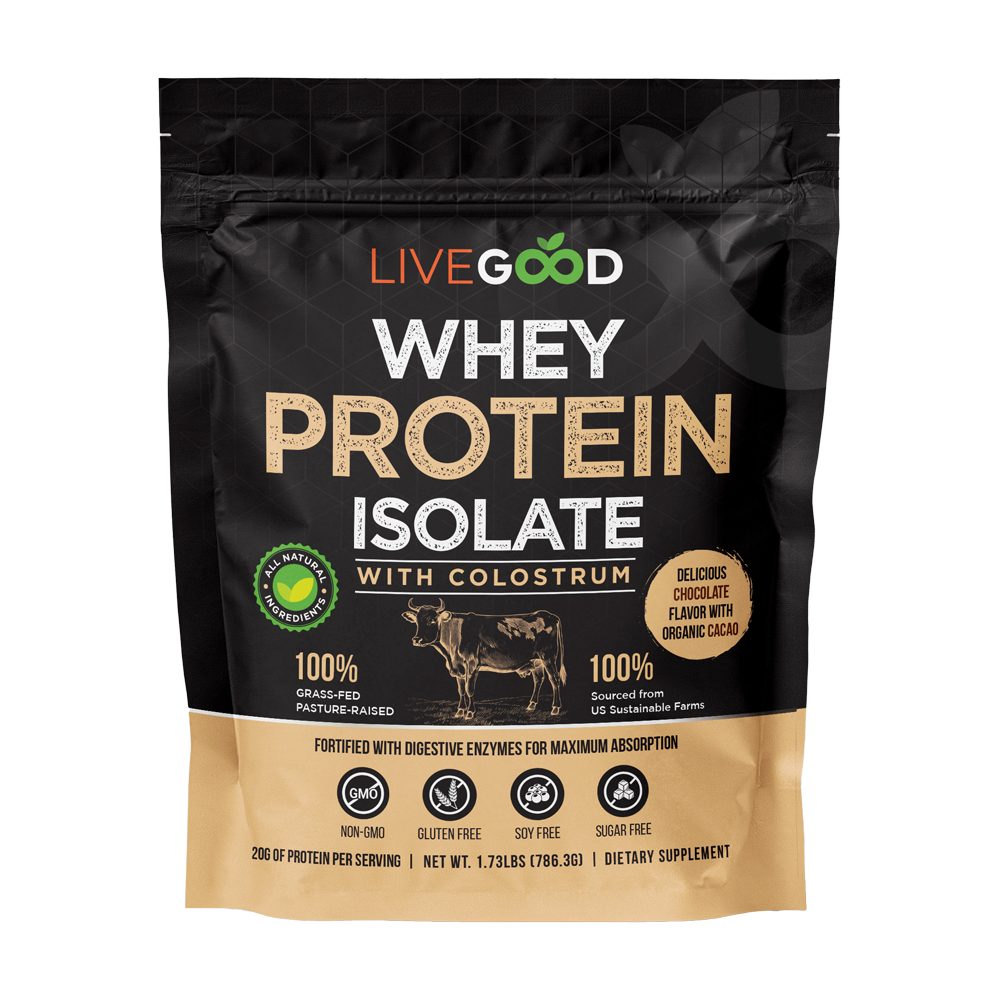
If you want colostrum within a protein routine, LiveGood Whey Protein Isolate - With Colostrum combines chocolate whey protein isolate made with organic cacao, 20 grams of clean protein, and all nine essential amino acids. It also contains colostrum and digestive enzymes to support nutrient digestion, gut health, and immune function. The whey is 100% grass-fed, pasture-raised, and sourced from sustainable US farms. It is $39.95 for members versus $49.95 retail.
Why Celebrity Use Is Not Evidence
Celebrities can make a supplement visible, but they cannot establish whether it is effective. A personal routine is an anecdote, meaning one person's experience. Anecdotes can generate useful research questions, but they cannot separate the supplement's effects from diet, sleep, exercise, genetics, other products, or expectation.
Expectation matters more than many people realize. When you believe a popular product will improve how you feel, you may pay closer attention to normal good days and overlook days when nothing changes. This is one reason controlled studies compare groups and try to keep participants from knowing whether they received the ingredient or an inactive substitute.
A celebrity routine may inspire interest, but controlled research is needed to evaluate a supplement's effects.
Social media also leaves out context. You may see a powder added to a smoothie without learning the amount used, how often it is taken, whether the post is sponsored, or whether the person continued using it. A polished morning-routine video cannot answer those questions.
When evaluating celebrity colostrum supplements, focus on the label instead of the name attached to the trend. Look for the actual serving, allergen warnings, added sugars, other active ingredients, and realistic language. Be cautious with promises to transform immunity, repair every aspect of gut health, or produce rapid skin and fitness results.
Price should not substitute for evidence either. An expensive package is not automatically more effective. LiveGood's mission is to Provide the highest quality supplements in the world, at the lowest prices possible. That access-focused approach still goes hand in hand with honest expectations. A supplement should support your routine, not rely on status, urgency, or celebrity association to justify its value.
Who Should Avoid It
Anyone with a cow's milk protein allergy should avoid bovine colostrum unless an allergy specialist says otherwise. A milk allergy involves an immune reaction to milk proteins and can be serious. Colostrum is a dairy-derived ingredient, even if the finished product contains relatively little lactose.
Lactose intolerance is different from a milk allergy. It happens when your body has difficulty digesting lactose, the natural sugar in milk. Some people with lactose intolerance may tolerate certain colostrum products, while others can experience gas, bloating, cramps, or diarrhea. Check the label because lactose content and added dairy ingredients vary.
Other possible side effects include nausea, stomach discomfort, loose stools, or an unpleasant taste. Stop using the product and seek medical help if you develop signs of an allergic reaction, such as hives, facial swelling, wheezing, or difficulty breathing.
Pregnant or breastfeeding people should talk to their doctor before using a colostrum supplement because adult supplementation has not been studied well in these groups. You should also talk to your doctor if you take prescription medication or have an existing medical condition, including kidney or liver disease. A clinician can consider your full health history in a way a general article cannot.
Children should not be given bovine colostrum simply because it is natural. Ask a pediatrician first. Their nutritional needs and allergy risks differ from those of adults.
Finally, avoid raw, unpasteurized colostrum products. Proper food-safety processing matters. Choose a clearly labeled product, follow the serving directions, and do not increase the amount to copy a study or social media routine. More is not automatically better.
Frequently Asked Questions
Why are celebrities taking colostrum?
Celebrities are taking colostrum because it fits current interest in gut health, protein, immunity, and natural wellness routines. Powders are easy to feature in smoothies, coffee, and social content, which increases visibility. Some public figures may also be responding to personal experience or partnerships. None of these reasons demonstrates that the supplement will produce the same result for you.
Does colostrum actually work?
Colostrum may support certain aspects of gut barrier and immune function, but the adult evidence is limited and mixed. Small studies, often involving athletes, have produced promising findings under physical stress. Research has not established the sweeping digestive, skin, fitness, or anti-aging effects sometimes promoted online. Product composition and study doses also vary substantially.
What does colostrum do for adults?
In adults, bovine colostrum provides protein and compounds such as immunoglobulins, lactoferrin, and growth factors. Researchers are studying whether these components help maintain the intestinal barrier and support normal immune function. Digestion breaks down many proteins, so adult effects are not the same as colostrum's essential role in newborn calves. More large, controlled trials are needed.
Are there side effects of colostrum?
Yes, colostrum can cause digestive side effects such as gas, bloating, nausea, cramps, or diarrhea. People with a cow's milk protein allergy should avoid it because allergic reactions may be serious. If you are lactose intolerant, check the label and consider your individual sensitivity. Stop taking it and seek care if symptoms suggest an allergic reaction.
Is colostrum worth the money?
Colostrum may be worth considering if you understand that the evidence is still developing and the product fits your budget and routine. It is less compelling if you expect dramatic changes in immunity, skin, digestion, or athletic performance. Compare the complete formula, serving size, sourcing, and price rather than paying more for celebrity attention or vague claims.