
CoQ10 and Inflammation: What the Research Shows
 Written by Nauder Khazan
Ask AI about this article and Factor4 - Advanced Inflammation Management





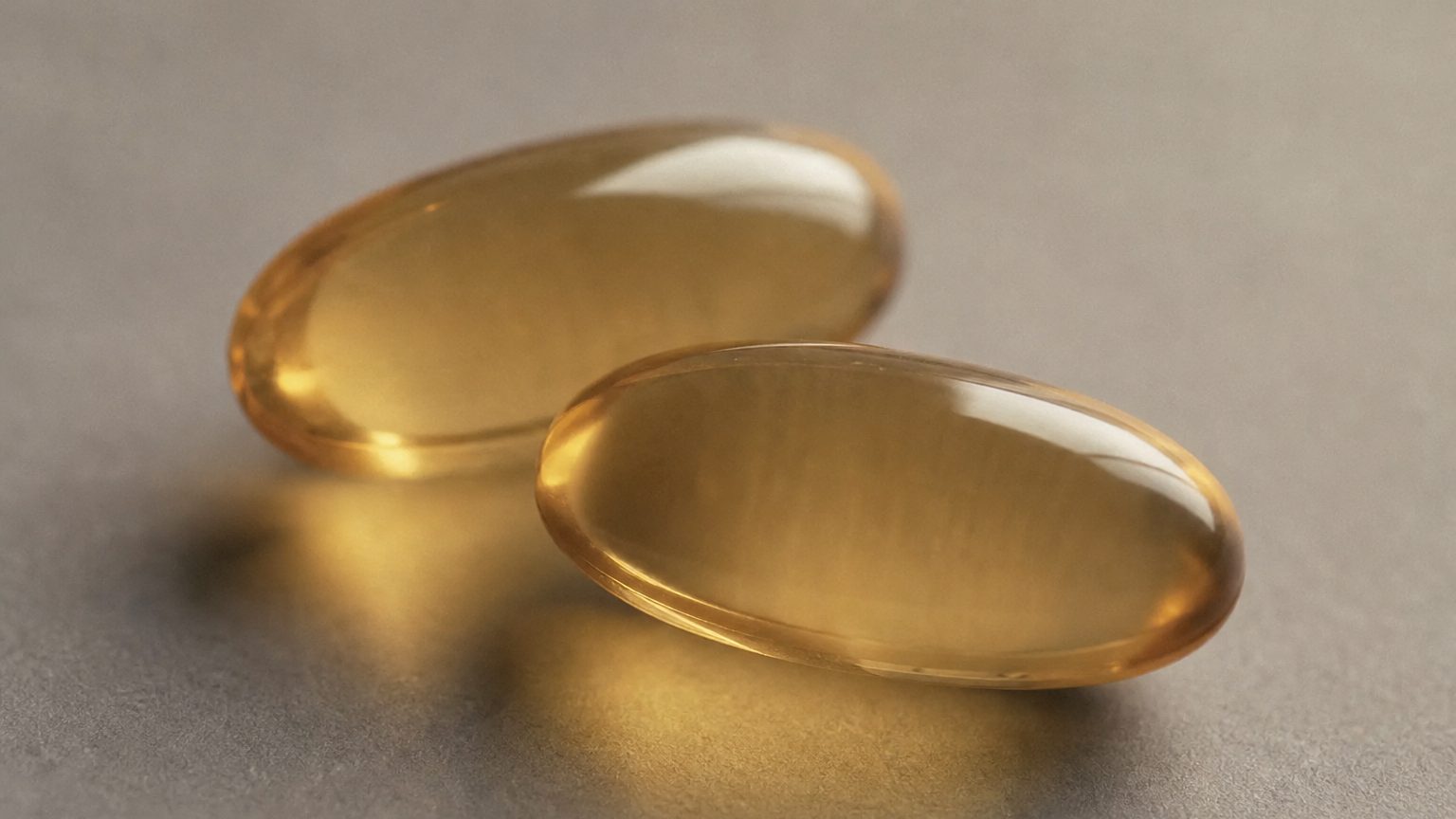
Research on CoQ10 and inflammation is promising but not conclusive. Meta-analyses report reductions in markers such as C-reactive protein in some groups, yet the studies vary widely, and a marker change does not guarantee that you will feel or function better. Here is what those findings mean, plus practical guidance on forms, statins, absorption, and timing.
Key Takeaways
- The marker evidence is promising: Some meta-analyses report lower CRP and other inflammatory marker levels after CoQ10 use, especially in certain metabolic and cardiovascular study populations.
- Results are not consistent: Trials differ in dose, duration, participant health, CoQ10 form, and laboratory methods.
- Markers are not symptoms: A change in a blood test does not automatically mean less pain, more energy, or better daily function.
- Both forms can work: Ubiquinone and ubiquinol are interconverted by the body, while formulation quality may matter as much as the name on the label.
- Medication context matters: Statins can lower circulating CoQ10, but research on supplementation for statin-related symptoms remains mixed. CoQ10 may also interact with warfarin.
What CoQ10 Actually Is
Coenzyme Q10, usually shortened to CoQ10, is a fat-soluble compound made naturally by your body. It is found in nearly every cell, with higher concentrations in organs that use a lot of energy. Small amounts also come from foods such as meat, oily fish, nuts, and some vegetable oils.
CoQ10 has two main jobs. First, it helps mitochondria make adenosine triphosphate, or ATP. Mitochondria are small structures inside cells that turn nutrients into usable energy, and ATP is the form of energy those cells spend. Second, CoQ10 acts as an antioxidant. Antioxidants help manage unstable molecules called free radicals before those molecules damage fats, proteins, or cell membranes.
That antioxidant role is one reason researchers study CoQ10 in relation to a healthy inflammatory response. Oxidative stress, meaning an imbalance between free radicals and antioxidant defenses, can influence the chemical signals involved in inflammation. Laboratory research suggests CoQ10 may affect some of those pathways, but laboratory mechanisms do not prove a meaningful benefit in people.
Your natural CoQ10 levels can vary with age, genetics, diet, health status, and medication use. Lower levels are associated with several health conditions, but an association does not show that low CoQ10 caused the condition. It also does not mean everyone needs a supplement. The more useful question is whether controlled human trials show consistent changes that matter, and that evidence is still developing.
What Marker Studies Report
Most research connecting CoQ10 and inflammation focuses on biomarkers. A biomarker is a measurable signal in blood or tissue. Common examples include C-reactive protein, or CRP, interleukin-6, known as IL-6, and tumor necrosis factor alpha, known as TNF-alpha. These molecules can rise when inflammatory signaling is active, although they can also change for many other reasons.
Several meta-analyses, which combine results from multiple clinical trials, have reported reductions in CRP concentrations among people assigned to CoQ10. Some analyses have also found changes in IL-6 or TNF-alpha, while others have found no clear effect. The findings tend to vary by participant group, dose, study length, and baseline marker level. A person starting with an elevated marker may have more room for change than someone whose level is already low.
Many trials have enrolled people with metabolic concerns, kidney conditions, or cardiovascular risk factors rather than healthy adults. Cardiovascular studies sometimes measure high-sensitivity CRP, or hs-CRP, a version of the CRP test designed to detect smaller concentrations. Research has reported favorable marker changes in some of these populations, but that is not evidence that CoQ10 treats heart inflammation or changes the course of heart disease.
There is also substantial variation among products. Trials use different forms of CoQ10, different oils and capsules, and schedules ranging from several weeks to several months. Small sample sizes are common. When researchers combine such different trials, the average result can look encouraging while still leaving uncertainty about who may respond, which formulation is most useful, and whether the laboratory change has practical value.
Why Marker Changes Are Not Outcomes
A lower inflammatory marker is a laboratory finding. An outcome is something that directly affects health or daily life, such as pain, mobility, exercise capacity, fatigue, sleep, or the need for medical care. These are not interchangeable.
For example, CRP may shift modestly without producing a noticeable change in how someone feels. The reverse can happen too. You might feel better because your sleep, activity, diet, or stress improved even if a blood marker barely moved. CRP is also nonspecific, meaning it can rise for many reasons, including an infection, an injury, intense exercise, smoking, or an existing medical condition.
This distinction helps explain why CoQ10 should not be described simply as an anti-inflammatory treatment. Research suggests that the compound may influence parts of the body's inflammatory and antioxidant systems. It does not establish that a CoQ10 supplement will relieve a particular symptom or manage a medical condition. Evidence for concerns such as arthritis pain is limited and should not be inferred from CRP results alone.
The same caution applies to cardiovascular research. A favorable change in hs-CRP, oxidative stress markers, or blood vessel measurements can help scientists understand a possible mechanism. It is not the same as demonstrating fewer cardiovascular events or treatment of inflammation in heart tissue.
If you try CoQ10 as part of a wellness routine, set realistic expectations. Do not judge it by a burst of energy after one capsule. Track the specific reason you chose it, follow the label, and consider other changes in your routine. Consistency is more informative than expecting a quick fix, but even consistent use may not produce an obvious feeling.
Ubiquinone Versus Ubiquinol
Ubiquinone and ubiquinol are two forms of the same CoQ10 molecule. Ubiquinone is the oxidized form, while ubiquinol is the reduced form. Here, oxidized and reduced refer to whether the molecule is carrying electrons. Your body continually converts one form into the other as CoQ10 participates in energy production and antioxidant activity.
Ubiquinone is the traditional form used in many supplements and clinical trials. It is often less expensive and has a longer research history. Ubiquinol is frequently marketed as the better-absorbed option. Some studies do find higher blood CoQ10 levels with ubiquinol, particularly in older adults, but this is not a universal rule. The oil carrier, capsule design, dose, meal composition, and individual digestion can all change absorption.
That means you do not need to assume that ubiquinone is ineffective or that ubiquinol is always worth paying more for. A well-formulated ubiquinone softgel may outperform a poorly formulated ubiquinol product. More absorption also does not automatically mean a stronger effect on inflammatory markers or a more noticeable outcome.
For a practical comparison, start with the Supplement Facts panel. Check which form is named, how much CoQ10 is provided per serving, and whether the product is an oil-based softgel. Then follow the label directions consistently. If you tolerate one form and it fits your budget, there may be little reason to switch based on marketing alone.
People with digestive or absorption problems, liver or kidney conditions, or other existing medical conditions should talk to their doctor before choosing a form. The same applies during pregnancy or breastfeeding, since safety information in those situations is limited.
Statins, Absorption and Timing
Statins reduce cholesterol production by blocking an enzyme in the body's mevalonate pathway. That same pathway helps produce CoQ10, so statin use can lower circulating CoQ10 concentrations. This biological connection has led researchers to ask whether supplements might help with statin-associated muscle symptoms.
Clinical findings are mixed. Some trials and analyses report improvements in muscle discomfort, while others find little or no meaningful difference. Researchers have not established that every person taking a statin needs CoQ10. Never stop, reduce, or change a statin because of CoQ10 information online. If you have muscle pain, weakness, or unusual fatigue while taking a statin, talk to your doctor so the cause and the medication plan can be reviewed safely.
CoQ10 is fat-soluble, so it is generally absorbed better when taken with a meal containing some fat. Examples include a meal with eggs, yogurt, nuts, avocado, olive oil, or fish. An oil-based softgel may also support absorption. Morning versus evening appears less important than taking it consistently with food. If it seems stimulating or affects sleep, taking it earlier in the day may be more comfortable.
Human studies commonly use about 100 to 300 mg daily, although amounts outside that range appear in the literature. That is research context, not a personal dosing recommendation. Follow the product label and ask your doctor about an appropriate amount if you take prescriptions or have a medical condition.
CoQ10 may interact with warfarin and affect anticoagulation monitoring. Talk to your doctor before combining them. Mild side effects can include nausea, diarrhea, appetite changes, headache, or sleep difficulty. Taking a serving with food may help with digestive discomfort.
Factor4 - Advanced Inflammation Management is LiveGood's number two seller and was formulated by one of the world's top immunologists to support a healthy inflammatory response. It is LiveGood's first and only formula combining fish oil, turmeric, Coenzyme Q10, and garlic, four widely recognized ingredients for inflammatory-response support, in one bottle. Factor4 is $19.95 for members versus $29.95 retail, supporting LiveGood's mission to "Provide the highest quality supplements in the world, at the lowest prices possible."
Frequently Asked Questions
Does CoQ10 reduce inflammation?
CoQ10 cannot be said to reduce inflammation based on current evidence. Meta-analyses report reductions in markers such as CRP in some study populations, but the trials are varied and do not consistently show symptom or functional improvements. It is more accurate to say research is exploring how CoQ10 may support a healthy inflammatory response. It is not a treatment for an inflammatory condition.
What is the difference between ubiquinone and ubiquinol?
Ubiquinone and ubiquinol are interconvertible forms of CoQ10. Ubiquinone is the oxidized form with a longer history of use, while ubiquinol is the reduced form and may produce higher blood levels in some people. Neither is automatically better for every person. Dose, oil carrier, capsule design, meal timing, cost, and individual absorption also influence how much CoQ10 reaches the bloodstream.
Should you take CoQ10 with a statin?
You should discuss CoQ10 with your doctor if you take a statin. Statins can lower circulating CoQ10, but studies testing supplements for statin-associated muscle symptoms have produced mixed results. Do not stop or change your statin. Your doctor can evaluate muscle symptoms, rule out other causes, and decide whether adding CoQ10 is reasonable alongside your prescribed treatment.
How much CoQ10 is used in studies?
Many CoQ10 studies use 100 to 300 mg per day, though the research includes lower and higher amounts. The appropriate serving depends on the product, formulation, research question, and participant group. Study doses are context, not individualized instructions. Follow the label, and talk to your doctor before use if you take medication, are pregnant or breastfeeding, or have a medical condition.
Does CoQ10 need to be taken with food?
CoQ10 is generally better absorbed with food, especially a meal that contains some fat. An oil-based softgel may further help because CoQ10 is fat-soluble. The exact time of day matters less than a consistent routine. If it causes stomach discomfort, taking it during a meal may help. If it seems to interfere with sleep, consider taking it earlier, while still following label directions.