
Cranberry Gummies: What They Do and Do Not Do
 Written by Nauder Khazan
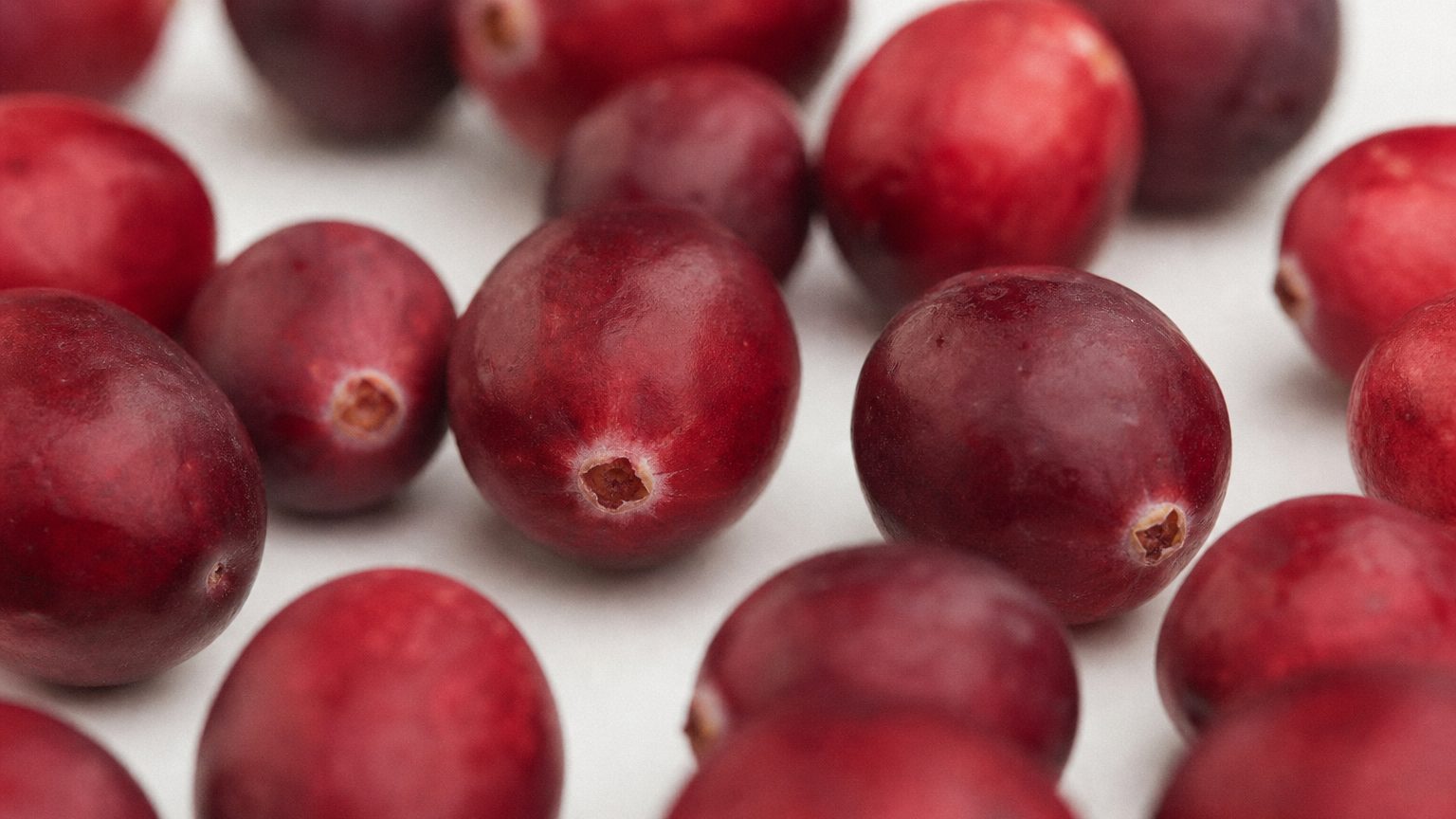
Cranberry gummies may support urinary tract health, particularly for some people who experience repeated urinary tract infections. Their usefulness depends heavily on proanthocyanidins, or PACs, yet many gummies do not disclose a standardized PAC dose. Here is what the research suggests, what the label can tell you, and why cranberry is not treatment for an active infection.
Key Takeaways
- PAC content matters most: Cranberry milligrams do not tell you how much of the studied proanthocyanidins a gummy provides.
- Prevention is not treatment: Cranberry has been studied for reducing recurrence in certain groups, not for clearing an active infection.
- Evidence varies by person: Benefits appear more likely in some women with recurrent UTIs, but results are not consistent for every population.
- Gummies come with tradeoffs: They are convenient, but they may contain added sugar, lower PAC amounts, or incomplete label information.
- Symptoms need medical care: Burning, urgency, pelvic pain, fever, or back pain should prompt a call to your doctor.
What Cranberry Actually Contains
Cranberries contain vitamin C, plant pigments called anthocyanins, and several kinds of polyphenols. Polyphenols are natural plant compounds that can act as antioxidants. The compounds receiving the most attention in urinary tract research are proanthocyanidins, usually shortened to PACs.
Cranberry contains a particular structure known as A-type PACs. Laboratory research suggests these compounds can make it harder for certain bacteria, especially some strains of E. coli, to attach to cells lining the urinary tract. E. coli causes many UTIs. If bacteria have more difficulty sticking, normal urination may be more likely to flush them away.
That does not mean cranberry kills bacteria. It also does not mean taking a gummy creates a protective coating inside your bladder. The anti-adhesion explanation is a useful summary of a complicated biological process, not proof that every cranberry supplement will produce the same result.
The form matters less than what the finished product contains. A gummy can include cranberry juice concentrate, whole-fruit powder, or a more concentrated extract. These ingredients may have very different PAC levels even when their total cranberry weights look similar.
You may also see broad claims about immune, digestive, heart, or oral health. Cranberries are nutritious foods, but evidence for those specific benefits from gummies is limited. A sweetened gummy is not nutritionally equivalent to eating whole cranberries, which also provide fiber and a wider food matrix. The clearest human research question for cranberry supplements remains whether standardized products may reduce recurrent UTIs in certain people.
The PAC Dose Nobody Prints
A label might advertise 500 mg, 5,000 mg, or even a larger cranberry equivalent. That number can sound impressive, but it may describe fruit powder, extract weight, or the amount of fresh fruit used to make an extract. It does not automatically tell you how many PACs are in the serving.
For urinary tract research, the more useful label detail is the amount of PACs per serving. Some studies and standardized extracts use about 36 mg of PACs per day, often measured with a laboratory method called DMAC. That amount has become a common reference point, but it is not an official recommended daily intake. Trials have used different preparations, doses, testing methods, and schedules, so 36 mg should not be treated as a guarantee.
Measurement method matters because different tests can produce different PAC numbers for the same ingredient. A label that says only "contains PACs" gives you less information than one that lists a specific PAC amount and explains how it was measured. Many gummy labels provide no PAC amount at all. In that case, you cannot confidently compare the product with preparations used in clinical research.
Check the serving size too. A listed amount may apply to two or more gummies rather than one. Follow the label directions instead of taking extra gummies to chase a research dose. More is not automatically more effective, and it can increase sugar intake or digestive side effects.
There is no well-established advantage to taking cranberry in the morning rather than at night. For people using it as part of a routine, consistency is more practical than clock time. If you are unsure whether a label provides a meaningful standardized amount, ask a doctor or pharmacist rather than relying on the cranberry milligram figure alone.
Prevention Versus Treatment
This is the most important distinction. Cranberry has been studied mainly as a possible way to reduce future UTI episodes in people prone to recurrence. It has not been shown to treat an infection that is already causing symptoms.
Reviews of clinical trials suggest cranberry products may lower the chance of another UTI in some groups, including some women with recurrent infections and some children. Results are less convincing or inconsistent in other groups. Studies also differ in cranberry form, PAC content, adherence, and how a UTI was confirmed. That makes it difficult to predict whether a particular gummy will help a particular person.
Even when cranberry reduces recurrence in a study, it does not eliminate risk. It should be viewed as one possible addition to a prevention plan, not a replacement for hydration, appropriate bathroom habits, evaluation of recurring symptoms, or a prevention strategy recommended by your clinician. If you repeatedly develop UTIs, a doctor may need to look for an underlying cause and discuss options supported by your medical history.
An active UTI is different. Burning during urination, frequent urges, pelvic pressure, cloudy or bloody urine, and new urinary pain can signal an infection. Cranberry does not reliably kill the bacteria responsible. Diagnosis may require a urine test, and treatment often involves antibiotics selected by a healthcare professional.
Waiting for gummies or juice to work can allow an infection to worsen and reach the kidneys. Anyone with possible UTI symptoms should contact a doctor. This is especially urgent during pregnancy, in children, in men, or when symptoms include fever, chills, vomiting, confusion, or pain in the side or back.
Sugar and the Gummy Format
Gummies are popular because they are easy to chew and do not require swallowing a capsule. That convenience can make a routine easier to maintain. It can also hide two practical problems: added sugar and limited room for active ingredients.
Read both the Supplement Facts and Nutrition Facts panels. The first tells you the serving size and cranberry ingredients. The second shows calories, total carbohydrate, total sugar, and added sugar. A few grams may not seem like much, but daily gummies can contribute to your overall added sugar intake, especially if you take several gummy supplements.
Sugar-free is not always side-effect-free. Some products use sugar alcohols such as sorbitol, maltitol, or erythritol. These sweeteners can cause gas, bloating, or loose stools in some people, particularly at larger amounts. Pectin and gelatin are common ingredients used to create the chewy texture. Pectin is plant-based, while gelatin is usually animal-derived.
Cranberry gummies can also stick to teeth. Chewing them with a meal, drinking water afterward, and maintaining regular brushing can reduce how long sugar and acids remain on tooth surfaces. Keep the bottle away from children because gummies can look and taste like candy. An accidental large serving deserves a call to a medical professional or poison control service.
Gummies are not automatically lower in sugar than cranberry juice. The correct comparison depends on serving size and the specific products. Unsweetened cranberry juice can be very tart, while cranberry juice cocktails often contain substantial added sugar. Capsules may suit someone who wants to avoid sweeteners, but they still need a clearly stated, standardized PAC amount. Choose the format by reading the full label, not by assuming one form is inherently stronger or healthier.
When You Need Medical Care Instead
Contact a doctor when you have symptoms that could indicate a UTI. Common signs include pain or burning with urination, frequent or intense urges, passing only small amounts of urine, pelvic discomfort, or blood in the urine. Symptoms need proper evaluation even if you have experienced a UTI before, since irritation, stones, sexually transmitted infections, and other conditions can feel similar.
Seek prompt care if you have a fever, chills, nausea, vomiting, confusion, or pain in your back or side below the ribs. These can be signs that an infection has reached the kidneys. Kidney infections can become serious and should not be managed with cranberry products at home.
Pregnant people, children, men, older adults with new confusion, and anyone with kidney disease, a weakened immune system, or urinary tract abnormalities should contact a clinician early. Repeated infections also deserve medical attention. A healthcare professional can confirm whether the episodes are truly UTIs and look for factors that may be contributing to them.
Cranberry supplements are usually tolerated in ordinary label-directed servings, but they can cause stomach discomfort or diarrhea. Large amounts may be a concern for people with a history of certain kidney stones. Cranberry may also interact with some prescription medicines. Warfarin, a blood thinner, deserves particular caution because reports have raised concern about changes in its effect.
Talk to your doctor before using cranberry supplements if you take prescription medication, are pregnant or breastfeeding, have kidney or liver problems, have a history of kidney stones, or manage another existing condition. Do not stop prescribed treatment or delay antibiotics in favor of cranberry. For questions about interactions, label directions, or whether a cranberry supplement fits your situation, speak with your doctor or pharmacist.
Frequently Asked Questions
What are cranberry gummies good for?
Cranberry gummies may help support urinary tract health in some people who are prone to recurring UTIs. The relevant compounds are PACs, which may interfere with the ability of certain bacteria to attach to urinary tract cells. Benefits are not guaranteed, and many gummy labels do not disclose a standardized PAC amount. Gummies should not be used to manage active urinary symptoms.
Do cranberry supplements prevent UTIs?
Cranberry supplements may reduce UTI recurrence for some people, but they do not prevent every infection. Research is most encouraging in certain women with repeated UTIs, while findings vary in other groups. Product differences make the evidence harder to apply because juices, capsules, powders, and gummies may provide very different PAC doses. Ask your doctor about a complete prevention plan if infections keep returning.
Can cranberry treat a UTI?
No, cranberry cannot be relied on to treat an active UTI. It does not replace testing, diagnosis, or antibiotics when they are needed. If you have burning, urgency, pelvic pain, bloody urine, or other urinary symptoms, contact a doctor. Fever, vomiting, confusion, or back and side pain require prompt medical attention because the infection may have reached the kidneys.
How much cranberry do you need?
There is no official daily cranberry dose that works for everyone. About 36 mg of PACs per day, measured by the DMAC method, is a common research reference, but studies have used varied products and amounts. Total cranberry milligrams are not the same as PAC milligrams. Follow the product label, and ask a doctor or pharmacist before trying to match a study dose.
Are cranberry gummies high in sugar?
Some cranberry gummies contain meaningful added sugar, while others use low-calorie sweeteners or sugar alcohols. Check the Nutrition Facts panel for added sugar per full serving, not per individual gummy. Sugar alcohols may cause gas or diarrhea in some people. If sugar intake is a concern, compare gummies with standardized capsules rather than assuming all cranberry supplements have the same ingredients.