
Creatine and Bone Health: What the Evidence Says
 Written by Nauder Khazan
Ask AI about this article and Creatine + HMB





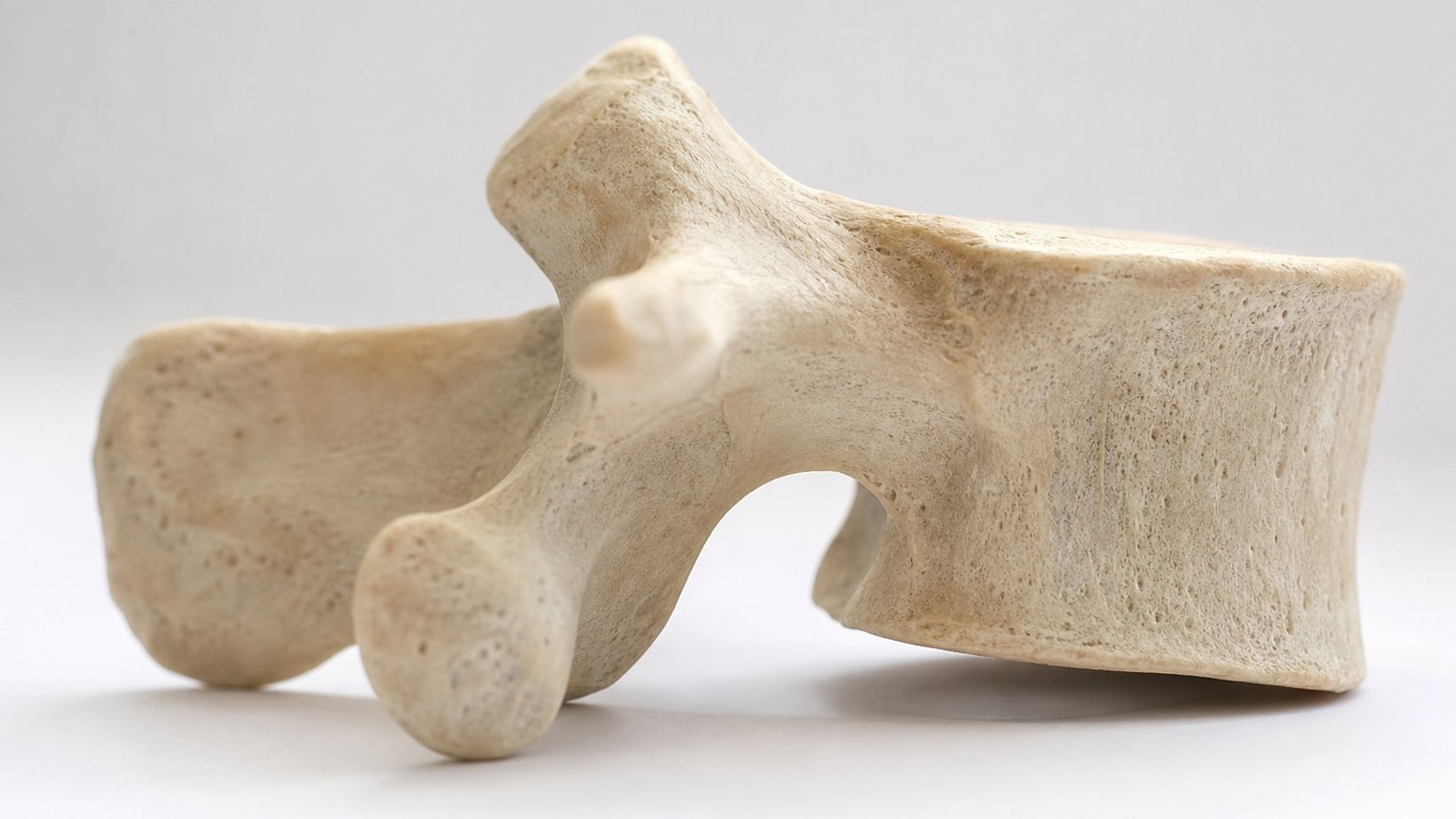
Creatine does not heal broken bones, and it is not a treatment for fractures, osteoporosis, or osteopenia. Its more credible role in bone health is indirect: when paired with resistance training, creatine may help you build the muscle and strength needed to place healthy stress on bone. Here is what the research shows, where it remains mixed, and what actually deserves priority.
Key Takeaways
- Not a fracture treatment: Human evidence that creatine speeds broken-bone healing is essentially absent.
- Training changes the picture: Some studies report bone benefits when older adults combine creatine with resistance exercise, but creatine alone has not shown consistent effects.
- Bone density results are mixed: Certain trials found improvements in specific areas or measures of bone strength, while others found no meaningful density change.
- Older adults may benefit indirectly: Supporting muscle strength and training capacity can help maintain mobility and provide the loading bones need.
- Fundamentals come first: Calcium, vitamin D, protein, resistance exercise, and appropriate medical care remain the foundation of bone health.
Does Creatine Heal Broken Bones?
No. There is not enough human research to say that creatine helps a broken bone heal faster, improves how well a fracture heals, or reduces the risk of complications. Most creatine studies focus on muscle strength, exercise performance, body composition, or bone mineral density. Fracture recovery has not been adequately tested in controlled human trials.
You may see a theoretical argument based on how creatine works. Creatine helps cells quickly recycle energy, and bone-forming cells also need energy. Laboratory findings involving cells or animals can help researchers form new questions, but they do not prove that a supplement heals fractures in people. A plausible mechanism is not the same as a demonstrated medical result.
A fracture is a medical matter. Treatment may involve imaging, immobilization, reduction to align the bone, surgery, rehabilitation, or follow-up scans. The right approach depends on the bone involved, whether it has moved out of position, and your age and overall health. Seek prompt care for severe pain, swelling, deformity, numbness, an open wound, or an inability to use the injured area.
Nutrition still matters during recovery. Adequate calories, protein, calcium, vitamin D, and other nutrients give your body the materials it normally uses to repair tissue. Creatine may be discussed with your care team as part of maintaining muscle during reduced activity, but it must not replace fracture treatment or rehabilitation.

A broken bone requires proper medical assessment and a recovery plan tailored to the type and location of the fracture.
What Bone Density Research Has Found
Bone mineral density, often shortened to BMD, describes how much mineral is packed into a section of bone. It is commonly measured with a DXA scan, a low-dose X-ray test used when evaluating osteoporosis risk. Higher density is generally associated with stronger bone, but density is only one part of fracture risk. Bone shape, balance, muscle strength, medications, age, and previous fractures also matter.
Research on creatine and BMD is promising in places, but inconsistent overall. Trials in older adults have sometimes found that creatine combined with resistance training improved density or structural measurements at certain skeletal sites. The femoral neck, the narrow area near the top of the thigh bone, has received particular attention because hip fractures often occur nearby.
Other well-designed trials have found no significant advantage for the training-plus-creatine group in overall BMD. Some reported changes in bone geometry instead. Geometry refers to the size and shape of a bone, which may influence how it handles force even when a density score does not change. These outcomes are interesting, but they do not establish that creatine prevents fractures.
The central limitation is easy to miss: many positive studies did not test creatine by itself. Participants also completed structured resistance training, often for months or longer. That means any improvement belongs to the combined program unless the study clearly separated the effects. Reviews that pool several studies also tend to describe the evidence as mixed, with differences in age, sex, dose, training plan, duration, and skeletal site making firm conclusions difficult.
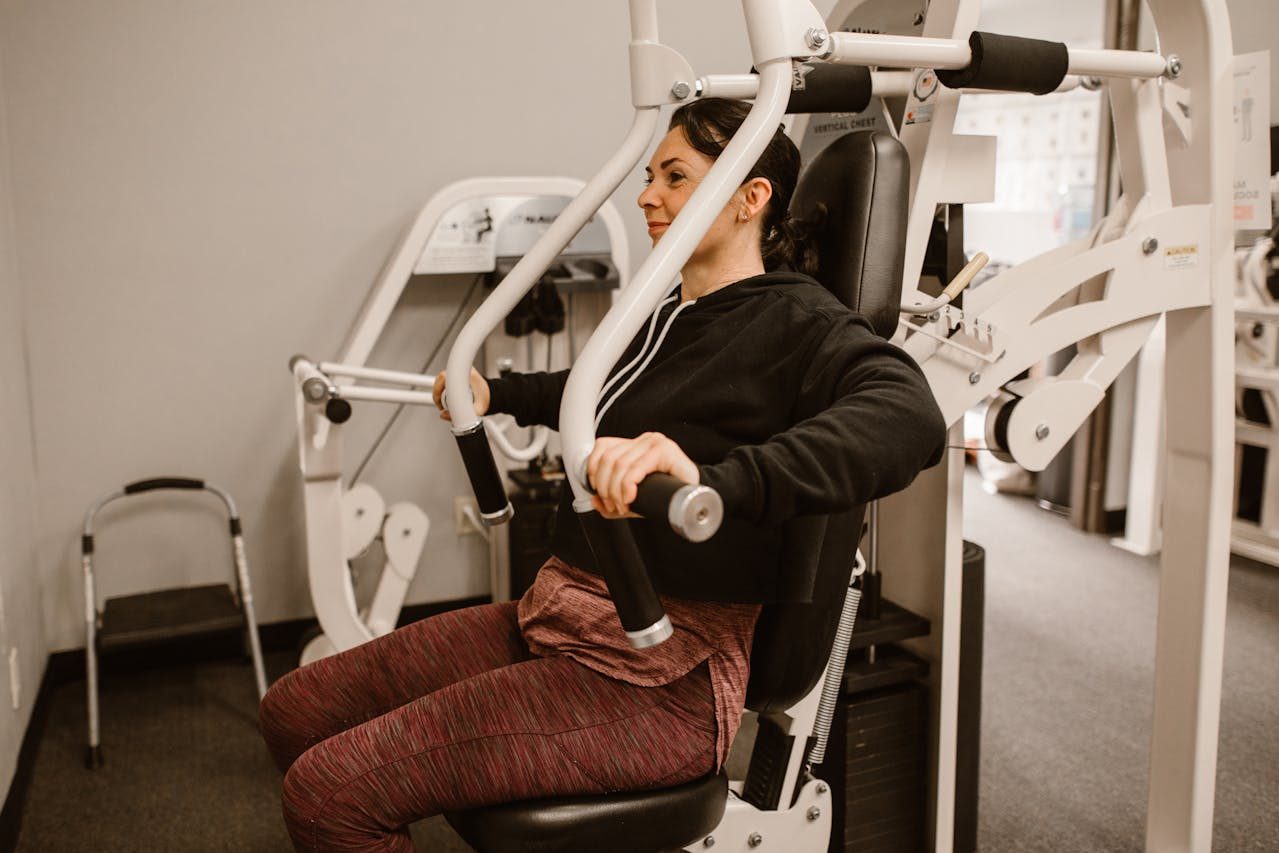
Bone density is one useful measurement, but bone shape, muscle strength, balance, and fracture history also affect risk.
Why Training Is the Active Ingredient
Bones respond to mechanical loading, which means physical force placed on the skeleton. When muscles pull on bone during a squat, row, press, or other resistance exercise, the bone receives a signal to maintain or adapt its structure. Weight-bearing movement, such as walking and stair climbing, also loads bone. The size, direction, and regularity of that force all influence the response.
Creatine's established strength is its role in rapid cellular energy production. Most of the body's creatine is stored in skeletal muscle. Supplementation can increase those stores, helping some people perform more repetitions, use slightly more resistance, or maintain training quality. Over time, that can support gains in strength and lean mass when it is paired with an appropriate exercise program.
This creates a reasonable indirect pathway for bone support. Stronger muscles may apply greater force to bone. Better training capacity may also make it easier to follow a progressive program, meaning the exercises gradually become more challenging as you adapt. However, taking creatine without doing the loading work does not reproduce the physical signal created by exercise.
The practical lesson is to build the routine around training, not the supplement. Beginners can start with movements such as chair squats, wall push-ups, resistance-band rows, step-ups, and loaded carries. Technique and consistency matter more than chasing heavy weights. If you have osteoporosis, osteopenia, a recent fracture, balance problems, or significant joint pain, ask your doctor or a qualified physical therapist which exercises are appropriate before starting.
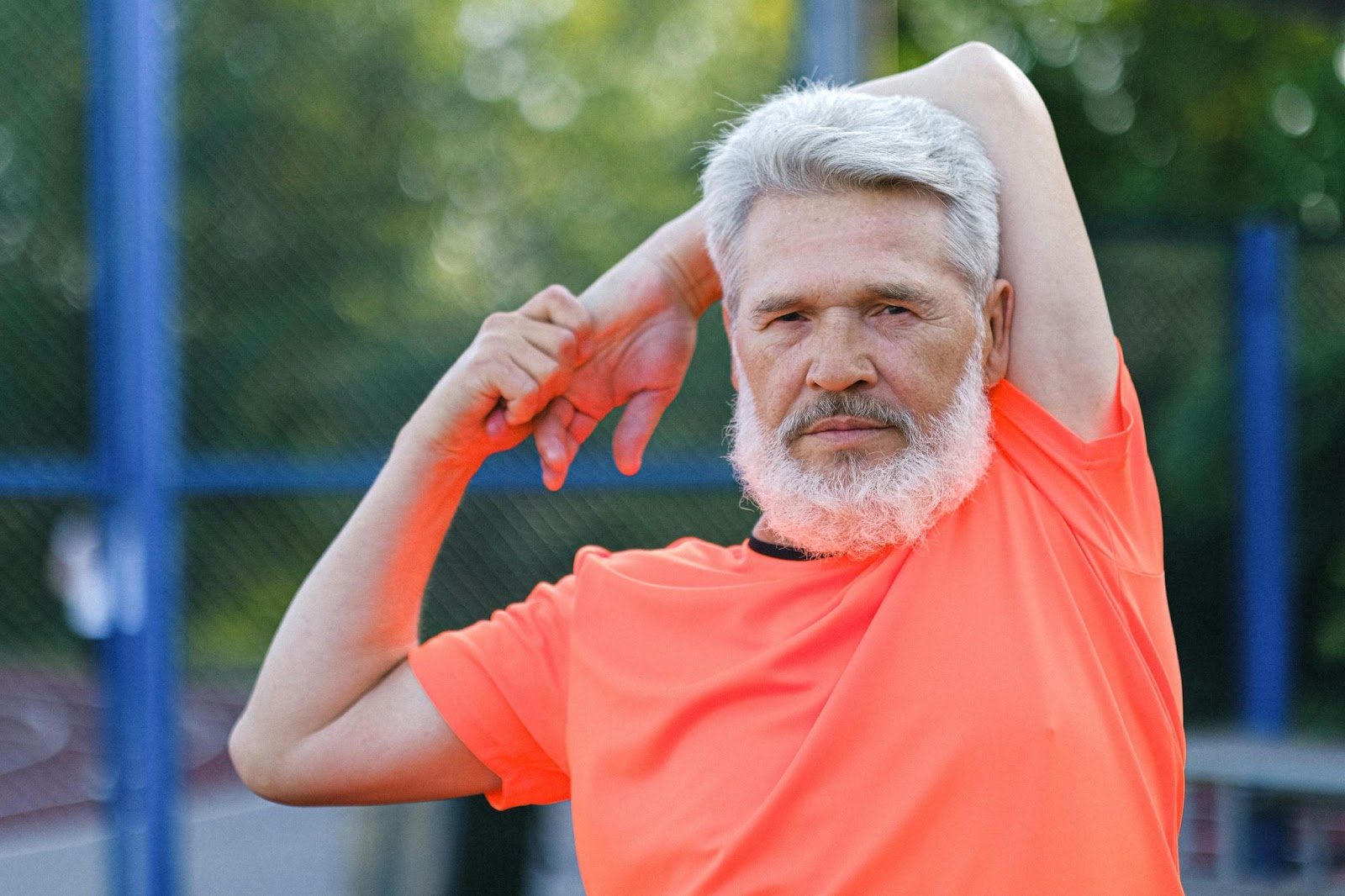
Resistance exercises provide the mechanical loading that tells bones and muscles to adapt over time.
Older Adults and Postmenopausal Women
Creatine research for bone health often focuses on older adults, especially postmenopausal women. After menopause, lower estrogen levels can accelerate bone loss. Aging can also reduce muscle mass and strength, a process called sarcopenia. Together, weaker muscles and lower bone strength can affect mobility, balance, and independence.
Some longer-term studies have tested creatine alongside supervised resistance training in postmenopausal women. A few reported favorable changes in particular bone measurements or muscle outcomes. Others found that creatine did not add a clear BMD benefit beyond exercise. This is why it is too strong to call creatine an osteoporosis supplement or recommend it as a way to rebuild bone density.
For an older adult, the more dependable reason to consider creatine is muscle support. Research on the ingredient indicates that it can support strength and lean mass gains from resistance training. That may help you remain active and perform the exercises that load bone. Strength and balance work may also reduce some fall risks, although creatine itself should not be described as preventing falls or fractures.
Age alone does not make creatine inappropriate, but your health history matters. Creatine can raise blood creatinine, a waste-product marker used in kidney testing, without necessarily indicating kidney damage. Your doctor needs to know you take it so laboratory results can be interpreted correctly. Talk to your doctor before use if you have kidney or liver conditions, take prescription medications, have another existing medical condition, or are pregnant or breastfeeding. Follow the product label rather than copying a high-dose research protocol.
What Bone Health Actually Requires
Strong bones depend on a pattern of nutrition, movement, and appropriate medical care. No single vitamin, food, or supplement can rebuild bone density on its own. If you want to support your skeleton, begin with the factors that have the clearest evidence.
Calcium supplies a major mineral used in bone. Dairy foods, calcium-set tofu, canned fish with soft bones, and some fortified foods can help you meet your needs. More is not automatically better. Your ideal intake depends on age, diet, health history, and whether you already use a supplement.
Vitamin D helps your body absorb calcium and supports normal muscle function. Sun exposure, fatty fish, fortified foods, and supplements can contribute, but blood levels and personal needs vary. A clinician may recommend testing when deficiency risk is high. Protein also matters because bone contains a protein framework, and maintaining muscle helps you stay active.
Mechanical loading is the movement piece. Resistance training challenges muscles and bones, while weight-bearing activities make you support your body against gravity. Balance practice is valuable too, particularly as you get older. A qualified professional can adapt a plan if you have low bone density, limited mobility, or a history of falls.
Lifestyle choices complete the picture. Avoid smoking, limit heavy alcohol use, eat enough total food, and give training time to work. Bone changes happen slowly. If you have osteoporosis or osteopenia, prescribed treatment may be needed in addition to these habits. Do not replace it with creatine or another supplement.
A DXA scan, fracture history, and clinical risk assessment can help your doctor decide what care is appropriate. New back pain, loss of height, or a fracture caused by a minor fall deserves medical attention rather than self-treatment.
Calcium, vitamin D, protein, weight-bearing activity, and resistance training form the foundation of a bone-supportive routine.
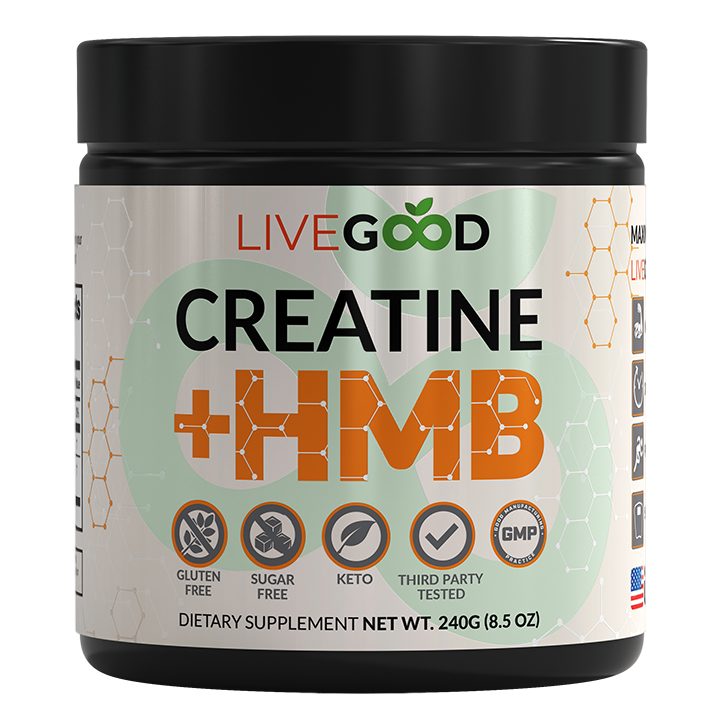
If creatine fits a strength-training routine approved for you, LiveGood Creatine + HMB provides a full 5 grams of creatine monohydrate plus 3 grams of HMB per serving. HMB is a compound made from the amino acid leucine that helps support muscle maintenance. The formula contains nothing else, with no junk fillers, flavors, or additives, and supports normal energy needs in muscles, the brain, and the heart. It is $19.95 for members versus $34.95 retail. Use it as directed on the label.
Frequently Asked Questions
Does creatine help heal broken bones?
No, creatine has not been shown to heal broken bones or shorten fracture recovery in humans. Research has mainly examined muscle performance and bone density, not fracture repair. If you have or suspect a fracture, seek medical care. Adequate protein, calcium, vitamin D, and calories can support normal tissue repair, but supplements do not replace proper alignment, immobilization, surgery, or rehabilitation when those are needed.
Does creatine improve bone density?
Creatine has not consistently improved bone density on its own. Some studies in older adults found favorable results when creatine was combined with months of resistance training, while other trials found no meaningful added BMD benefit. Because exercise was part of the successful programs, the findings should be attributed to the combination rather than creatine alone. More research is needed to identify who might benefit.
Is creatine good for bones?
Creatine may support bones indirectly by helping muscles meet the demands of resistance training. Stronger muscles can place useful mechanical force on the skeleton, which is one signal involved in maintaining bone. Direct bone effects remain uncertain, so creatine should be viewed as an optional part of a strength routine, not as a substitute for calcium, vitamin D, protein, or exercise.
Does creatine help with osteoporosis?
Creatine does not treat osteoporosis and should not replace prescribed care. Research in older and postmenopausal adults has tested it mostly alongside resistance training, with mixed bone-density results. It may support muscle strength and training capacity, which are relevant to mobility, but anyone with osteoporosis or osteopenia should discuss supplements and exercise selection with a doctor or qualified physical therapist.
What actually supports bone health?
Bone health is supported by adequate calcium, vitamin D, protein, regular resistance and weight-bearing exercise, and medical care when needed. Balance training, avoiding smoking, limiting heavy alcohol use, and eating enough total food also matter. If you have low bone density, a previous fracture, or other risk factors, ask your doctor whether you need a DXA scan, blood tests, medication, or an individualized exercise plan.