
Creatine for Women: Pros and Cons
 Written by Nauder Khazan
Ask AI about this article and Creatine + HMB





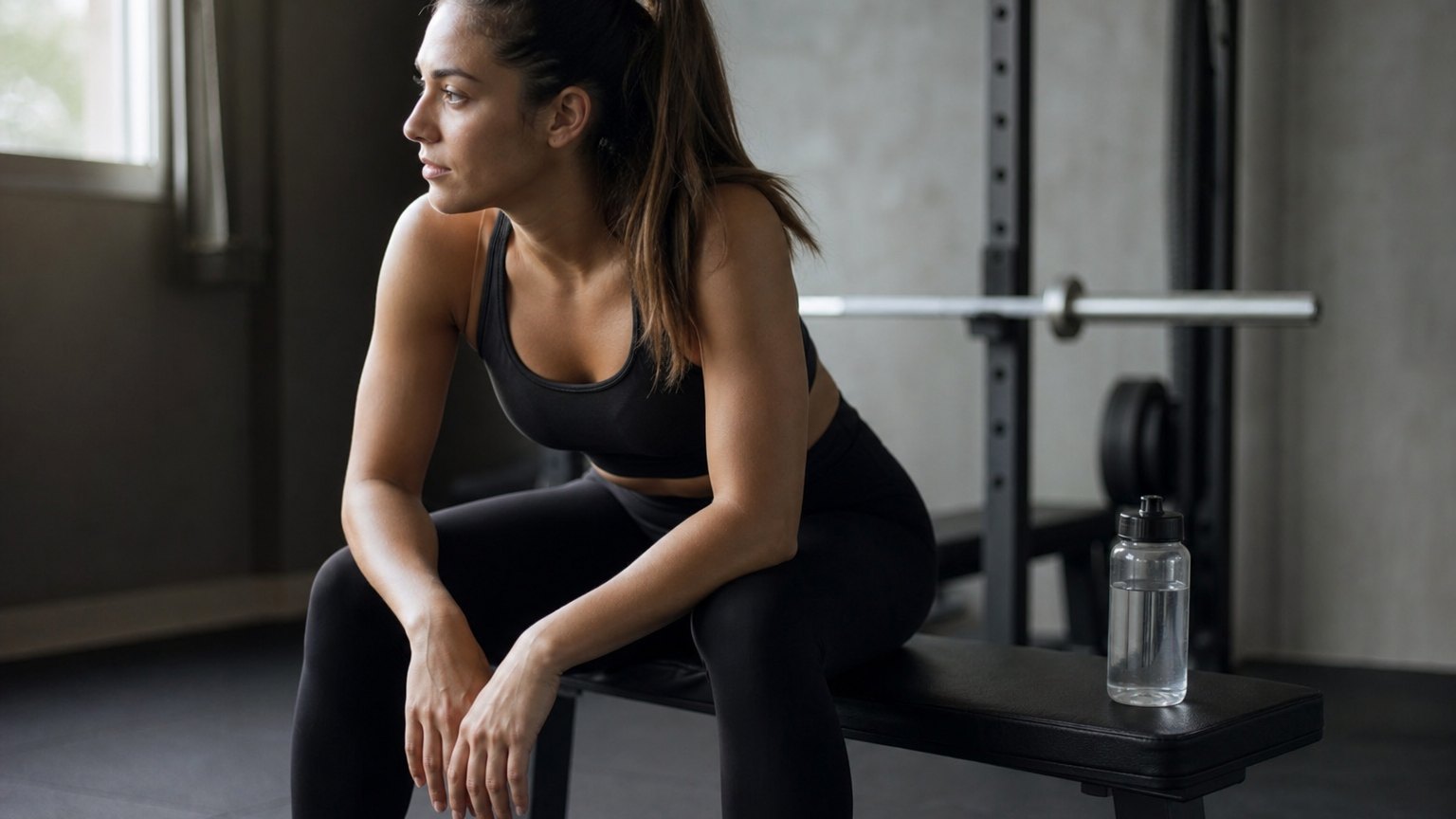
If you are weighing the pros and cons of creatine for females, the short answer is that it can support strength and repeated high-intensity effort, but temporary water weight and digestive discomfort are possible. Creatine is well studied overall, although research involving women is smaller than research involving men. Here is what those tradeoffs mean in practical terms.
Key Takeaways
- Strength support: Creatine can improve strength and power when paired with resistance training, although individual results vary.
- Lower starting stores: Women often have lower total creatine stores, which may make supplementation especially relevant.
- Water stays in muscle: Early weight gain usually reflects water drawn into muscle cells, not the subcutaneous water associated with puffiness.
- Loading is optional: A large loading phase fills muscle stores faster but is more likely to cause stomach discomfort.
- Safety still matters: Pregnancy, breastfeeding, medical conditions, and prescription medications call for a conversation with your doctor.
Why Women Ask This Separately
Creatine is a substance your body makes from amino acids, the building blocks of protein. Most of it is stored in skeletal muscle. There it helps recycle adenosine triphosphate, or ATP, which is the immediate energy your cells use for short, intense efforts such as lifting, sprinting, and jumping.
Women often have lower total body creatine stores than men. Differences in average muscle mass, food intake, hormones, and the body's own creatine production may all contribute. People who eat little or no meat and fish also tend to consume less creatine because those foods are its main dietary sources.
This does not mean every woman starts with a deficiency or will respond dramatically to a supplement. It means there is a reasonable biological basis for studying creatine specifically in women. A peer-reviewed review of creatine use across women's life stages found promising results, but it also highlighted a major limitation: women remain underrepresented in sports nutrition research.
That evidence gap matters. The available findings are generally consistent with the larger creatine literature, especially for strength and high-intensity exercise. Still, researchers know less about how menstrual status, hormonal contraception, pregnancy, and menopause may affect individual responses.

Women may begin with different creatine stores depending on muscle mass, diet, hormones, and individual biology.
So the question is not whether creatine is only for male athletes. It is not. The better question is whether its likely benefits fit your goals and whether you are comfortable with the possible changes in water weight and digestion.
The Pros: What the Research Supports
The clearest benefit of creatine is support for short, repeated bursts of muscular effort. If you lift weights, sprint, play a stop-and-go sport, or perform high-intensity intervals, increasing muscle creatine stores may help your body regenerate ATP more quickly between efforts. Over time, that can support training quality.
Creatine does not build strength by itself. It works best alongside progressive resistance training, which means gradually challenging your muscles with more weight, repetitions, or difficulty. Studies generally find modest improvements in strength, power, or training capacity compared with training alone. Not every participant responds equally, and the smaller number of female-only trials limits certainty about the average effect in women.
Creatine may also help you maintain training output during demanding sessions. This is why it is common among athletes in strength, power, and team sports. For most healthy adults, creatine monohydrate is also one of the most extensively studied supplement forms. More expensive forms have not consistently shown better results.
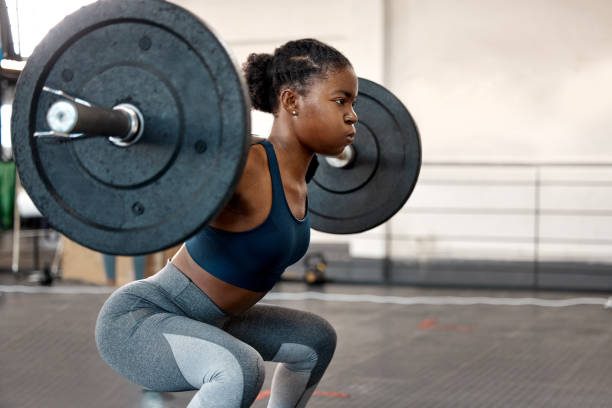
Creatine can support repeated high-intensity effort when it is paired with consistent, progressive training.
Research on creatine and the brain is growing because brain cells also use ATP. Some studies suggest possible support for memory or mental performance, particularly during sleep deprivation, stress, aging, or low dietary creatine intake. The findings are encouraging but less established than the exercise evidence. Creatine should not be presented as a treatment for cognitive or mental health conditions.
Age may also change the conversation. Creatine combined with resistance training may help older adults maintain muscle function. Women interested in that life stage can read more about creatine for menopause and the broader reasons creatine may be beneficial for women.
The Cons: Water Weight and What It Really Is
The most noticeable downside is often a higher number on the scale. Creatine draws water into muscle cells as those cells store more creatine. This is intracellular water, meaning water held inside the cells. It is not the subcutaneous water under the skin that people usually picture when they worry about looking soft or puffy.
That distinction does not make the scale change imaginary. Your total body weight may rise, especially during the first days of a loading protocol. The amount varies with your starting creatine stores, muscle mass, carbohydrate intake, dose, and individual response. Some people notice little change. Others see a small increase that stabilizes once their muscle stores are full.
Creatine also does not automatically increase body fat. Fat gain requires a sustained calorie surplus, while creatine-related early weight gain is primarily water. If you are competing in a weight-class sport or tracking scale weight closely, even water inside muscle can still matter. Plan for that possibility rather than starting immediately before a weigh-in or competition.

Creatine-related water is stored primarily inside muscle cells rather than beneath the skin.
A sudden 10-pound increase is not a typical response to a standard daily serving. It could reflect a loading phase, changes in food or carbohydrate intake, menstrual-cycle fluid shifts, constipation, or another cause. Rapid gain accompanied by swelling, shortness of breath, or feeling unwell deserves medical attention.
Creatine may make muscles look slightly fuller because they contain more water. That is different from widespread swelling. If you experience swelling in your face, hands, ankles, or other areas, stop assuming creatine is the only explanation and speak with a healthcare professional.
Bloating, Dosing and the Loading Question
Bloating is possible, but the word can describe two different experiences. One is fuller muscles from intracellular water. The other is digestive bloating, such as stomach pressure, gas, cramping, or loose stools. The second type is more likely when a large amount of powder is taken at once or when it is not fully dissolved.
Research commonly uses 3 to 5 grams of creatine monohydrate per day. At that level, muscle stores rise gradually over several weeks. A loading protocol fills those stores faster. Studies often use about 20 grams daily, divided into four smaller amounts, for five to seven days before moving to a lower daily amount. Loading is not required for creatine to work, and it creates more opportunity for digestive discomfort and rapid water-weight changes.
These study protocols are context, not a reason to exceed your product's directions. Follow the label. If you are sensitive to supplements, taking creatine with a meal and mixing it thoroughly may feel easier on your stomach. Consistency matters more than taking it at a perfect hour. There is no strong evidence that women need to take it only before or after exercise.
If bloating develops, check the serving size and avoid doubling up after a missed day. Also consider the complete product. Sweeteners, sugar alcohols, flavors, or other added ingredients can cause digestive symptoms that are mistakenly blamed on creatine itself.
Creatine does not require cycling, which means alternating planned periods of use and nonuse. You can assess it by watching your training, digestion, and weight trend over several weeks rather than judging it from one workout or one morning on the scale.
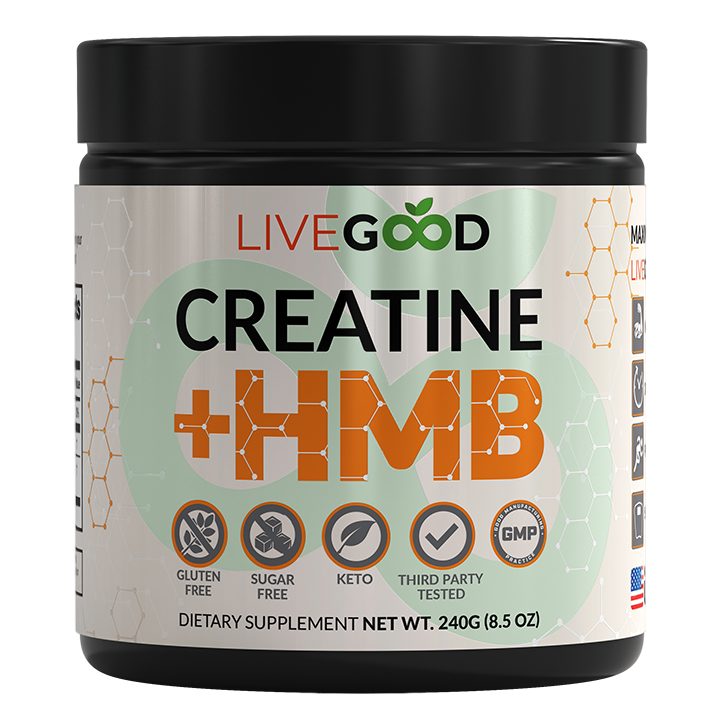
For a straightforward daily option, Creatine + HMB provides 5 grams of creatine monohydrate and 3 grams of HMB per serving. It has nothing else, including no junk fillers, flavors, or additives. The formula supports energy needs in muscles, the brain, and the heart while helping maintain muscle and cognitive function with age. Follow the label directions. It is $19.95 for members and $34.95 retail, reflecting LiveGood's mission to "Provide the highest quality supplements in the world, at the lowest prices possible."
Creatine Across the Menstrual Cycle
Hormones can affect body water, temperature, fuel use, and how exercise feels across the menstrual cycle. That has led to reasonable questions about whether creatine works differently in the follicular phase, which begins with a period, and the luteal phase, which follows ovulation.
At this point, there is not enough direct research to recommend changing your creatine dose by cycle phase. A regular daily routine is more practical because creatine works by gradually increasing and maintaining muscle stores. It is not a stimulant that needs to peak during a particular workout.
Cycle-related fluid retention can also complicate what you see on the scale. If you start creatine just before your usual premenstrual weight increase, the two changes may overlap. That does not tell you how much water is related to creatine. Comparing weight at similar points in several cycles gives you a more useful picture than comparing two isolated days.
Tracking weight at similar points in the menstrual cycle can make normal fluid changes easier to interpret.
Hormonal birth control, irregular cycles, perimenopause, and menopause add more variation. Research has not established separate dosing rules for these groups. You should not adjust a serving based only on a hormone phase chart or social media advice.
Instead, track a few measures that match your goal. These might include repetitions at a set weight, sprint consistency, workout completion, digestive comfort, and weekly average weight. If your menstrual cycle changes unexpectedly after starting any supplement, check for other causes and discuss persistent changes with your doctor. Creatine is not known as a hormone supplement, and it should not replace medical evaluation of cycle concerns.
Who Should Check With a Doctor First
Healthy adults generally tolerate creatine monohydrate well when they follow label directions. However, general safety data cannot account for every medical history, medication, or life stage.
Talk to your doctor before using creatine if you have kidney or liver conditions, another existing medical condition, or take prescription medication. Your clinician can decide whether the supplement fits your situation and whether any monitoring is appropriate. Do not stop or change medication to make room for a supplement.
Pregnancy and breastfeeding require particular caution. Creatine has not been adequately studied for routine supplementation during pregnancy or breastfeeding, so ask your obstetrician, midwife, or other qualified healthcare professional before taking it. This is an evidence gap, not proof of either safety or harm.
Creatine can also affect a common blood test called serum creatinine. Creatinine is a waste product used to help estimate kidney function. Taking creatine may raise creatinine without necessarily indicating kidney damage, but only a clinician can interpret that result in context. Tell the person ordering your bloodwork that you use creatine rather than stopping it or dismissing an abnormal result on your own.
Teen athletes should involve a parent or guardian, sports dietitian, and healthcare professional. Supplement quality, total diet, training load, and maturity all matter. Competitive athletes should also choose products that meet their sport organization's testing requirements.
Finally, stop taking the supplement and seek guidance if you develop persistent vomiting, severe diarrhea, widespread swelling, trouble breathing, or another concerning reaction. Mild stomach discomfort may improve with a smaller label-directed serving or better mixing, but ongoing symptoms should not be ignored.
Frequently Asked Questions
What are the pros and cons of creatine for women?
Creatine can support strength, power, repeated high-intensity effort, and muscle function when combined with appropriate training. The main drawbacks are temporary water-weight gain and possible digestive symptoms, especially with large servings or loading. Women's research is smaller than men's research, but the available findings generally align with the broader evidence. Results still vary by diet, activity, dose, and starting creatine stores.
Is creatine safe for women athletes?
Creatine monohydrate is generally considered safe for healthy adult women athletes when used according to label directions. It is among the most studied sports supplements, but athletes should still consider product quality and competition rules. Anyone with a medical condition, prescription medications, kidney or liver concerns, or unusual symptoms should speak with a doctor. Pregnancy and breastfeeding have not been adequately studied.
Does creatine make women gain weight?
Creatine can increase scale weight because it draws water into muscle cells, particularly when supplementation begins. This early change is not the same as gaining body fat or developing subcutaneous puffiness. The amount differs from person to person and may be more noticeable with loading. A sudden or unusually large increase, especially with swelling or shortness of breath, should be discussed with a healthcare professional.
Does creatine cause bloating in women?
Creatine can cause digestive bloating in some women, although it is more common with large single servings or loading protocols. Gas, stomach pressure, cramps, and loose stools are different from the intracellular water stored inside muscle. Following the label, dissolving the powder completely, and taking it with food may help. Persistent discomfort may also come from sweeteners, flavors, or other ingredients in the product.
How much creatine should a woman take?
Most adult research uses 3 to 5 grams of creatine monohydrate daily, but you should follow your product's label rather than treating a study protocol as personal medical advice. Loading is optional and is more likely to cause digestive discomfort. Women do not have an established need for cycle-specific dosing. Ask your doctor for individualized guidance if you take medication, have a medical condition, or are pregnant or breastfeeding.