
Creatine vs Carnitine: Different Jobs Entirely
 Written by Nauder Khazan
Ask AI about this article and Creatine + HMB





Creatine and carnitine sound similar, but they do entirely different jobs. Creatine helps regenerate quick energy for short, powerful efforts, while carnitine moves fatty acids into mitochondria for longer aerobic work. Here is what that difference means for performance, body weight, and choosing a supplement.
Key Takeaways
- They are not the same: Creatine and carnitine are distinct compounds with different roles in energy production.
- Creatine supports quick power: It helps regenerate ATP during lifting, sprinting, jumping, and repeated high-intensity efforts.
- Carnitine transports fatty acids: It helps move long-chain fats into mitochondria, where cells can use them for energy.
- Fat transport is not fat loss: Carnitine's biological role does not mean taking it causes meaningful weight loss.
- Creatine has stronger evidence: Creatine monohydrate is the practical baseline for strength, power, and muscle-focused goals.
Similar Names, Different Molecules
The root of the confusion is simple: creatine and carnitine rhyme. You may see both in sports nutrition products, and both participate in cellular energy processes. That is where the similarity mostly ends. L-carnitine is not a type of creatine, and creatine monohydrate is not a form of carnitine.
Your body can make both compounds. You also obtain small amounts from food, particularly meat and fish. However, they travel through different pathways and help at opposite ends of exercise energy demand.
Creatine works like a rapid backup system. It helps your cells remake ATP, short for adenosine triphosphate. ATP is the immediately usable energy that powers muscle contractions and many other cellular tasks. This system matters most during brief, demanding efforts.
Carnitine works more like a shuttle. It helps move long-chain fatty acids into mitochondria, the structures inside cells that turn fuel into usable energy. Fat is a slower fuel, so this process is more relevant to ongoing aerobic activity than to a single heavy lift.
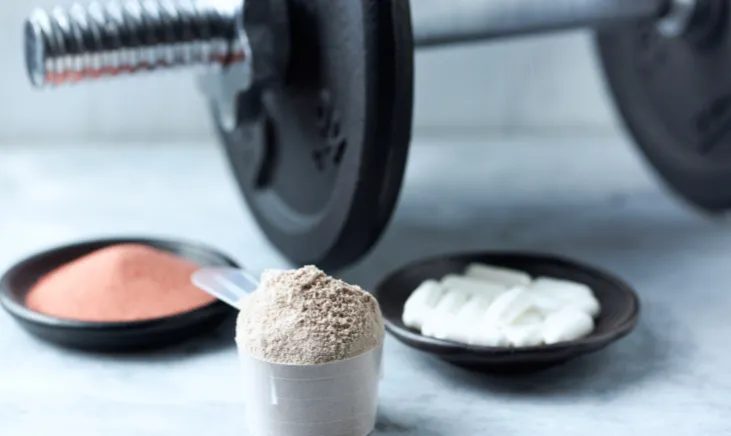
Creatine and carnitine have similar names but support different parts of cellular energy production.
| Feature | Creatine | Carnitine |
|---|---|---|
| Main job | Helps regenerate ATP quickly | Transports fatty acids into mitochondria |
| Exercise context | Short, intense efforts | Longer aerobic energy production |
| Common supplement form | Creatine monohydrate | L-carnitine |
| Evidence in healthy adults | Strong for strength and power | Mixed and generally unimpressive |
The names may be easy to mix up, but the practical distinction is clear. Creatine helps replenish rapid energy. Carnitine helps put fatty acids in the right place to be used as slower-burning fuel.
What Creatine Does
Most creatine in your body is stored in skeletal muscle as free creatine or phosphocreatine. When a muscle uses ATP, phosphocreatine can donate a phosphate group to help rebuild it. In plain language, creatine helps recharge the energy used during a hard set, sprint, or explosive movement.
That does not give you endless energy. The creatine system is especially useful for efforts lasting only seconds and for repeated bouts with rest between them. By supporting training quality, creatine can help you complete slightly more work over time. That is one reason it is commonly used alongside resistance training.
Creatine monohydrate is the most studied form and the honest baseline for comparing creatine products. Research commonly examines daily amounts around 3 to 5 grams, but you should follow your product's label rather than copying a study protocol. Consistency matters more than a special time of day. A loading phase may fill muscle stores faster, but it is not required for regular use.

Creatine helps muscles rapidly regenerate ATP during short, demanding efforts such as lifting and sprinting.
Creatine also draws water into muscle cells. Your scale weight may rise early, particularly if you use a loading strategy. That increase is water held in muscle, not body fat. A sudden 10-pound gain would be larger than most people expect from creatine alone, so consider food intake, hydration, sodium, and other causes rather than assuming the supplement explains all of it.
Some people experience bloating or digestive discomfort, especially with large servings. Dividing intake or avoiding unnecessary loading may help, but follow the label. Creatine is not a treatment for any health condition. If you have kidney or liver concerns, another medical condition, take prescription medication, or are pregnant or breastfeeding, talk to your doctor before using it.
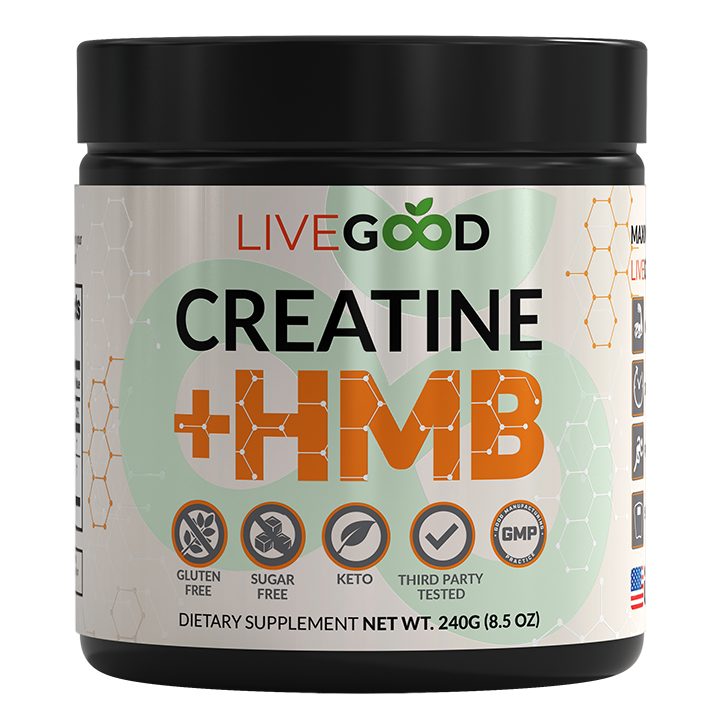
For a simple daily option, LiveGood Creatine + HMB provides 5 grams of creatine monohydrate plus 3 grams of HMB per serving. It contains nothing else, with no junk fillers, flavors, or additives. The formula supports cellular energy in muscles, the brain, and the heart, while helping maintain muscle tissue and cognitive function as you age. Follow the label directions. Member pricing is $19.95, compared with $34.95 retail.
What Carnitine Does
Carnitine is made from the amino acids lysine and methionine. Most of it is stored in muscle. Its best-known task is helping long-chain fatty acids cross into mitochondria, where they can be broken down and used to produce energy.
This role is essential. It also sounds like an obvious shortcut to greater endurance or fat loss. The missing detail is that healthy people usually make carnitine and obtain it from food. Their muscles may already have enough to perform this transport job. Adding more by mouth does not necessarily make the entire process run faster.
Oral absorption is another limitation. Carnitine from supplements is absorbed poorly compared with carnitine naturally present in food. Only a modest portion of a supplemental serving may reach circulation, and getting more carnitine from the blood into muscle is not automatic. These steps help explain why a convincing biological theory has not produced equally convincing results in trials involving healthy, well-nourished adults.

Carnitine helps carry long-chain fatty acids into mitochondria, where cells can use them for aerobic energy.
L-carnitine is the general form commonly sold for exercise and wellness. Acetyl-L-carnitine is a related form often marketed toward the brain because it crosses into brain tissue more readily. Those forms should not be treated as interchangeable promises, and neither should be confused with creatine.
Carnitine supplementation has legitimate medical uses in diagnosed deficiencies, but that is different from routine use by a healthy gym-goer. Such care belongs with a clinician. For exercise, research findings on endurance, fatigue, and recovery are mixed. Some specific populations or longer protocols may respond differently, but a bottle of L-carnitine is unlikely to create an obvious aerobic advantage for most healthy people.
Carnitine can cause nausea, cramps, diarrhea, or a fishy body odor in some users. Talk to your doctor before taking it if you use prescription medication, have kidney or liver concerns, have another medical condition, or are pregnant or breastfeeding.
The Fat Burning Claim
Carnitine is often sold as a fat burner because it carries fatty acids into mitochondria. That description takes a real biological function and stretches it into a result that has not been reliably demonstrated in healthy people.
Transporting fat is only one step in a much larger system. Your body still decides how much stored energy to release based on activity, food intake, hormones, training status, and overall energy needs. Having more shuttle molecules available does not force the body to release more fat or use enough additional fat to produce meaningful weight loss.

Carnitine's role in fat transport does not mean an oral supplement reliably causes fat loss.
Trials of oral carnitine in healthy adults have generally been unimpressive. Limited absorption adds to the problem. Some analyses across varied populations have reported small changes in body weight, but the participants, doses, study lengths, and health backgrounds differ. Those findings do not justify calling L-carnitine a fat burner or promising that it will cause weight loss.
Creatine is not a weight-loss supplement either. It may support higher-quality resistance training, which can be useful within a long-term body composition plan. However, the early water held inside muscle may move the scale upward. That is not fat gain, and it does not mean creatine has stopped a nutrition or training plan from working.
If weight management is your priority, focus first on habits that affect energy balance and muscle retention. Build meals around filling foods, get enough protein, perform resistance exercise, stay active, sleep consistently, and track trends over several weeks. Supplements can support a routine, but they cannot replace it.
Between these two products, creatine usually offers the clearer reason for use. Its value is supporting training performance and muscle function, not making the scale fall. Carnitine's fat-loss reputation is largely marketing built around a true cellular role but an unproven consumer outcome.
Taking Them Together
Creatine and L-carnitine can generally appear in the same supplement routine because they use different pathways. There is no obvious reason one should cancel the other out. However, being compatible does not mean the combination produces a special effect.
Creatine has a clear purpose if you lift weights, sprint, play a stop-and-go sport, or want support for repeated high-intensity efforts. Carnitine has a clear biochemical role, but supplemental benefits for healthy adults remain uncertain. Combining them does not turn carnitine into a proven endurance or weight-management aid.
Creatine and carnitine can share a routine, but taking them together does not guarantee added performance benefits.
If you choose both, follow each product's label. You do not need an elaborate schedule. Creatine works by gradually maintaining muscle creatine stores, so consistent daily use matters more than whether you take it before or after exercise. Evidence does not establish one universally effective carnitine timing strategy for healthy adults.
Starting two products on the same day can make side effects harder to identify. A practical approach is to introduce one at a time and pay attention to digestion, hydration, and how you feel. Creatine may increase water held within muscle. Carnitine may cause stomach upset or a fishy odor. Taking more than the label recommends is not a shortcut to better results.
Your goal should guide the choice. For strength, power, resistance training, or repeated sprints, creatine monohydrate has substantially stronger support. For steady-state endurance, training, carbohydrate availability, pacing, hydration, and sleep matter more than either supplement. Carnitine is biologically relevant to aerobic energy production, but oral supplementation has not consistently improved endurance in healthy people.
Speak with your doctor before combining supplements if you take prescription medication, have kidney or liver concerns, live with another medical condition, or are pregnant or breastfeeding. The useful rule is simple: choose supplements for evidence-based reasons, not because two similar-sounding names look good together.
Frequently Asked Questions
What is the difference between creatine and carnitine?
Creatine regenerates rapid cellular energy, while carnitine transports fatty acids for aerobic energy production. Creatine is most relevant to lifting, sprinting, and other short, intense efforts. Carnitine participates in the slower process of using fat as fuel. They are different compounds, and L-carnitine is not a type of creatine.
Does carnitine burn fat?
No, carnitine should not be described as a supplement that burns fat. It helps transport fatty acids into mitochondria, but this necessary cellular step does not guarantee greater fat use or weight loss. Oral absorption is limited, and studies in healthy adults have not shown the reliable results implied by common fat-burner marketing.
Can you take creatine and carnitine together?
Yes, creatine and carnitine can generally be used in the same routine, but the pairing is not proven to create special benefits. Follow each label and consider starting one product at a time. Talk to your doctor first if you take prescription medication, have a medical condition, or are pregnant or breastfeeding.
Which is better for endurance?
Neither supplement reliably replaces endurance training, fueling, hydration, or recovery. Carnitine is involved in aerobic fat metabolism, but oral L-carnitine has not consistently improved endurance in healthy people. Creatine may be more useful when endurance activity includes repeated sprints, hills, hard intervals, or other short bursts of high-intensity work.
Is carnitine worth taking?
Carnitine may be appropriate for a diagnosed deficiency or a clinician-directed reason, but it is often disappointing as a general fitness supplement. Healthy people usually produce carnitine and obtain some through food, while supplemental absorption is limited. If your goal is strength or power, creatine monohydrate offers much stronger evidence. Ask your doctor about personal medical considerations.