
Creatine vs Creatinine: What Is the Difference?
 Written by Nauder Khazan
Ask AI about this article and Creatine + HMB





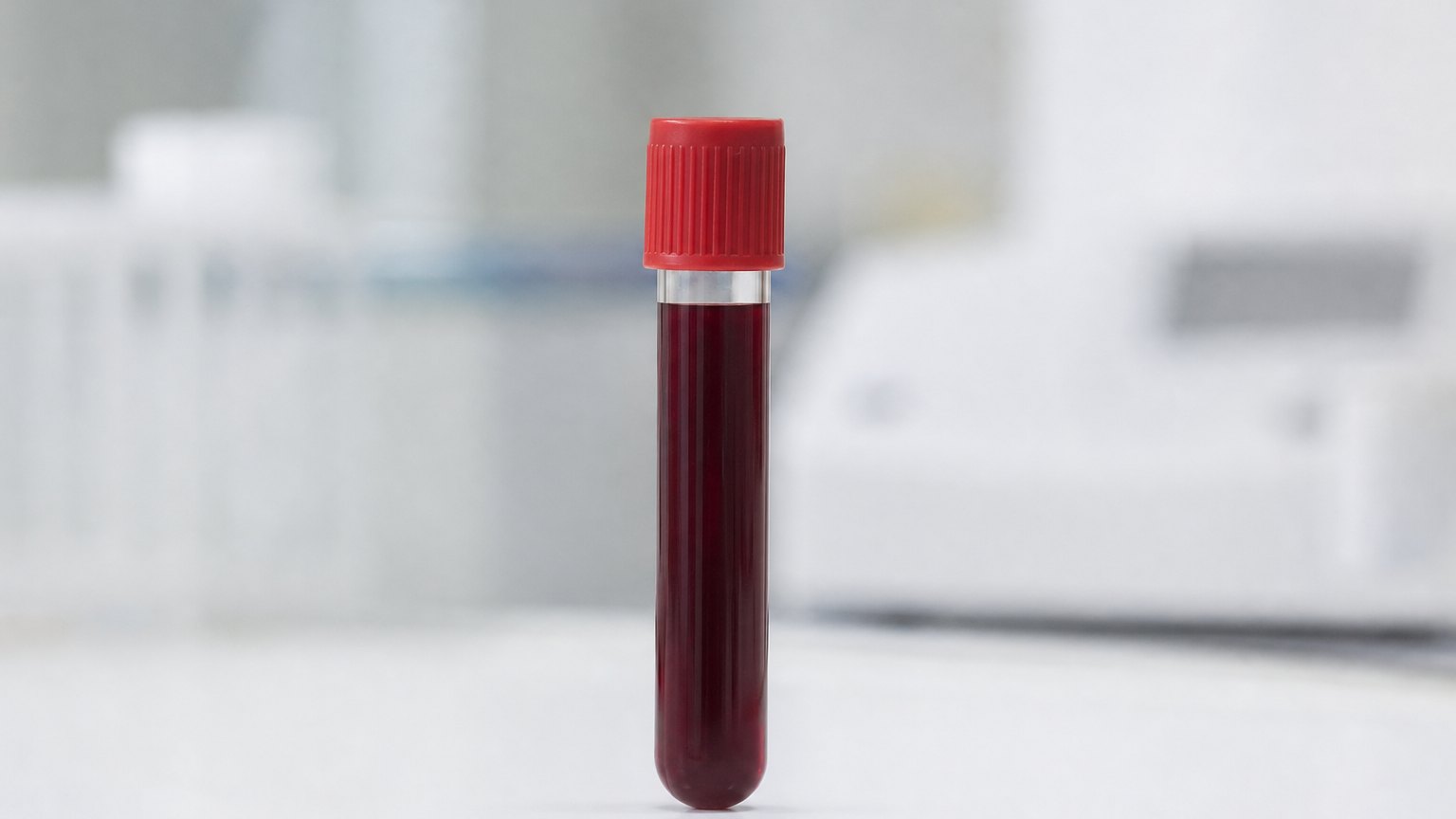
Creatine helps your cells produce quick energy, while creatinine is a waste product created as creatine naturally breaks down. Doctors measure creatinine to estimate kidney filtration, and creatine supplements can sometimes raise that reading without causing kidney damage. Here is how the two are connected and what to do before a blood test.
Key Takeaways
- Know the basic difference: Creatine supports cellular energy, while creatinine is a waste product.
- Understand the blood test: Doctors use creatinine to help estimate how well your kidneys filter blood.
- Mention your supplement: Creatine use can raise measured creatinine without necessarily indicating kidney damage.
- Look at the full picture: One elevated result does not explain its cause, so doctors consider trends and other tests.
- Ask before supplementing: Anyone with kidney disease or another medical condition should talk with a doctor first.
Two Similar Words, Two Different Things
Creatine and creatinine are closely related, but they do different jobs. Creatine is a compound your body makes from amino acids, the small building blocks of protein. You also get creatine from foods such as meat and fish, and it is available as a dietary supplement.
Most creatine is stored in your muscles. Some is also found in other energy-demanding tissues, including your brain and heart. Inside cells, creatine helps replenish adenosine triphosphate, or ATP. ATP is the molecule cells use as immediately available energy. This is why creatine is commonly associated with resistance training, sprinting, and other short, intense efforts.
Creatinine has no comparable energy role. It is a waste product formed as creatine and stored phosphocreatine naturally break down. Your bloodstream carries creatinine to your kidneys, which remove most of it through urine.
| Feature | Creatine | Creatinine |
|---|---|---|
| What it is | An energy-related compound | A waste product |
| Main role | Helps cells replenish quick energy | Serves as a laboratory marker |
| Where it comes from | Your body, food, and supplements | Natural breakdown of creatine |
| Why it matters clinically | Supplement use may affect testing | Helps estimate kidney filtration |
The shortest way to remember the difference is this: creatine is used and stored, while creatinine is produced and cleared.

Creatine supports rapid cellular energy, while creatinine is the waste product measured in blood and urine.
How Creatinine Is Produced
Your body continually converts a small portion of its creatine and phosphocreatine into creatinine. This happens through a natural, mostly nonenzymatic process, meaning it does not require a specialized enzyme to drive the reaction. The amount produced each day is influenced largely by how much muscle tissue you have.
That helps explain why creatinine results vary between people. Someone with more muscle may naturally have a higher blood creatinine level than someone who is smaller or has less muscle. Age, sex, diet, recent exercise, hydration, medications, and supplement use can also affect the reading.
After creatinine enters the blood, it travels to the kidneys. Each kidney contains tiny filtering units called glomeruli. These filters allow creatinine and other small waste products to leave the bloodstream. The filtered creatinine then passes into urine. A small amount may also be secreted directly into the kidney tubules, the narrow channels that help form urine.
Creatinine production is fairly steady for an individual, but it is not perfectly fixed. Eating a large serving of cooked meat can temporarily add creatinine from food. Strenuous exercise can influence the result through muscle activity, and dehydration can make blood creatinine appear more concentrated.
Creatine supplementation adds another variable because it increases the amount of creatine available in the body. More available creatine can mean more creatinine is eventually formed, even when kidney filtration has not changed.

A small portion of the body's creatine supply naturally converts into creatinine each day.
Why Doctors Measure Creatinine
Doctors measure creatinine because it offers a convenient, inexpensive clue about kidney filtration. If the kidneys filter less efficiently, creatinine can remain in the bloodstream and the measured level may rise. However, creatinine is an indirect marker. It is not a direct measurement of kidney damage.
A laboratory usually combines your serum creatinine, meaning the amount in a blood sample, with factors such as age and sex. The result is an estimated glomerular filtration rate, usually shortened to eGFR. This number estimates how much blood the kidneys filter over time. It is an estimate because the calculation depends on assumptions about typical creatinine production.
Normal creatinine ranges differ among laboratories. They also vary with body size, muscle mass, age, and other personal factors. For that reason, comparing your number with an online chart is less useful than reviewing it with the clinician who ordered the test.
Doctors may also consider:
- Whether the result is new, stable, or rising
- Your previous creatinine and eGFR readings
- Hydration and recent illness
- Prescription medicines and supplements
- Urine tests for albumin or blood
- Blood pressure and other health findings
If muscle mass, diet, or creatine use may be distorting the result, a doctor can sometimes order cystatin C. Cystatin C is another blood marker used to estimate kidney filtration, and it is less dependent on muscle mass. It has its own limitations, so your doctor will decide whether it adds useful information.

Doctors use creatinine with other information to estimate how efficiently the kidneys filter blood.
Why Creatine Can Raise Your Reading
Creatine supplementation can raise serum creatinine because creatinine is created from creatine metabolism. Expanding the body's creatine pool may increase the amount that converts into creatinine. That laboratory change does not automatically mean the supplement has damaged the kidneys.
This distinction matters because creatinine-based eGFR assumes that creatinine production follows a typical pattern. If you produce more creatinine because of supplementation, high muscle mass, a meat-heavy meal, or recent intense exercise, the calculation may estimate lower filtration than is actually occurring.
The size of any increase is not predictable for every person. It can depend on your baseline muscle mass, diet, hydration, supplement form, serving pattern, and timing of the test. This is why there is no single reliable answer to how much creatine will raise creatinine.
Research on creatine monohydrate generally finds that recommended use by healthy adults does not meaningfully impair kidney filtration, although a modest change in serum creatinine may occur. A broad review of creatine research published in the Journal of the International Society of Sports Nutrition discusses both its performance applications and safety evidence. This evidence applies mainly to studied amounts and populations. It does not establish that every product, dose, or personal situation is risk-free.
A raised result still deserves proper interpretation. Do not assume it is harmless simply because you use creatine. Instead, make sure your clinician knows about the supplement and can evaluate the reading in context.

Creatine supplementation may change a creatinine reading without necessarily changing kidney filtration.
What to Tell Your Doctor Before a Blood Test
Tell your doctor or the clinician ordering the test that you take creatine. Share the product name, form, label serving, how often you take it, and when you last used it. Also mention protein supplements, workout products, prescription medicines, and over-the-counter drugs. A complete list makes laboratory results easier to interpret.
It can also help to mention anything else that may affect the reading, including:
- A hard workout in the previous day or two
- A recent large serving of cooked meat
- Vomiting, diarrhea, fever, or poor fluid intake
- Changes in urination
- A history of kidney disease
- Previous unusual creatinine or eGFR results
Do not stop creatine solely to make a blood test look normal, and do not disregard a raised result. Ask the clinician whether you should continue your usual routine before testing. In some situations, the doctor may recommend pausing a supplement and repeating the test. In others, keeping your routine consistent provides the most useful comparison. Follow their instructions rather than choosing a schedule yourself.
If the creatinine result does not fit the rest of your health picture, your doctor may repeat the blood test, order a urine test, or use cystatin C to estimate filtration another way. Anyone with existing kidney disease should ask a doctor before starting creatine. The same applies if you are pregnant, breastfeeding, taking prescription medication, or managing another medical condition.

Sharing your supplement routine helps your doctor interpret creatinine and eGFR results in context.
If creatine fits your routine, LiveGood Creatine + HMB provides 5 grams of creatine monohydrate and 3 grams of HMB per serving, with no fillers, flavors, or additives. The formula supports cellular energy in muscles, the brain, and the heart while helping maintain muscle and cognitive function with age. Follow the label directions and disclose it before laboratory testing. It costs $19.95 for members versus $34.95 retail, supporting LiveGood's mission to "Provide the highest quality supplements in the world, at the lowest prices possible."
When a Raised Reading Is Actually a Concern
A high creatinine result can reflect reduced kidney filtration, but the number alone cannot identify the cause. Concern increases when creatinine remains elevated, continues rising, or appears alongside a falling eGFR, abnormal urine findings, or other signs of illness.
Possible reasons include dehydration, medication effects, a urinary blockage, reduced blood flow to the kidneys, or kidney disease. Heavy exercise and muscle injury can also influence creatinine. Because the range of explanations is broad, the safest next step is clinical follow-up rather than self-diagnosis.
Contact your healthcare provider if a raised reading comes with swelling around the ankles or eyes, much less urine than usual, blood or persistent foam in the urine, nausea, unusual shortness of breath, confusion, or severe weakness. Sudden or severe symptoms may require urgent medical care. Kidney problems can also develop without obvious symptoms, which is why follow-up testing matters even when you feel well.
A low creatinine reading is usually less concerning for kidney filtration. It may reflect lower muscle mass, aging, pregnancy, or inadequate nutrition, but it still needs to be interpreted in context. Neither high nor low is automatically "worse" without knowing why the result changed.
Your clinician may repeat the test after addressing hydration or reviewing medicines and supplements. They may also check urine albumin, which is a protein that can appear when kidney filters are damaged, or order cystatin C. The goal is not to dismiss the creatinine result. It is to determine whether it reflects true filtration trouble or a non-kidney factor such as creatine use, muscle mass, diet, or recent exercise.
Frequently Asked Questions
What is the difference between creatine and creatinine?
Creatine is an energy-related compound, while creatinine is a waste product formed as creatine naturally breaks down. Your muscles store most of the body's creatine and use it to help regenerate quick cellular energy. Creatinine circulates in the blood until the kidneys remove it, which is why laboratories use it as one clue about kidney filtration.
Does creatine raise creatinine levels?
Yes, creatine can increase measured creatinine in some people because the body converts a portion of creatine into creatinine. The change may be modest and does not by itself prove that kidney filtration has worsened. Tell your doctor about your supplement, serving pattern, recent workouts, diet, and hydration so the result can be interpreted accurately.
Does a high creatinine mean kidney damage?
No, high creatinine does not always mean kidney damage, although reduced kidney filtration is one possible cause. Dehydration, muscle mass, intense exercise, cooked meat, medications, and creatine supplements may affect the reading. Doctors look at previous results, eGFR, urine findings, symptoms, and sometimes cystatin C before deciding what an elevated value means.
Should you stop creatine before a blood test?
Do not stop creatine before testing unless the clinician ordering the test tells you to do so. Your doctor may want you to maintain your usual routine, or may recommend a temporary pause before repeating a result. Share the product, label serving, frequency, and timing of your last serving, then follow the testing instructions you receive.
Is creatine safe for kidneys?
Creatine monohydrate is generally considered safe for kidney function in healthy adults when used according to label directions, based on the populations and amounts studied. It can still affect serum creatinine and complicate interpretation of an eGFR result. If you have kidney disease, take prescription medicines, are pregnant or breastfeeding, or have another medical condition, ask your doctor before using it.