
Creatine vs Whey Protein: What Each One Does
 Written by Ben Glinsky
Ask AI about this article and Creatine + HMB





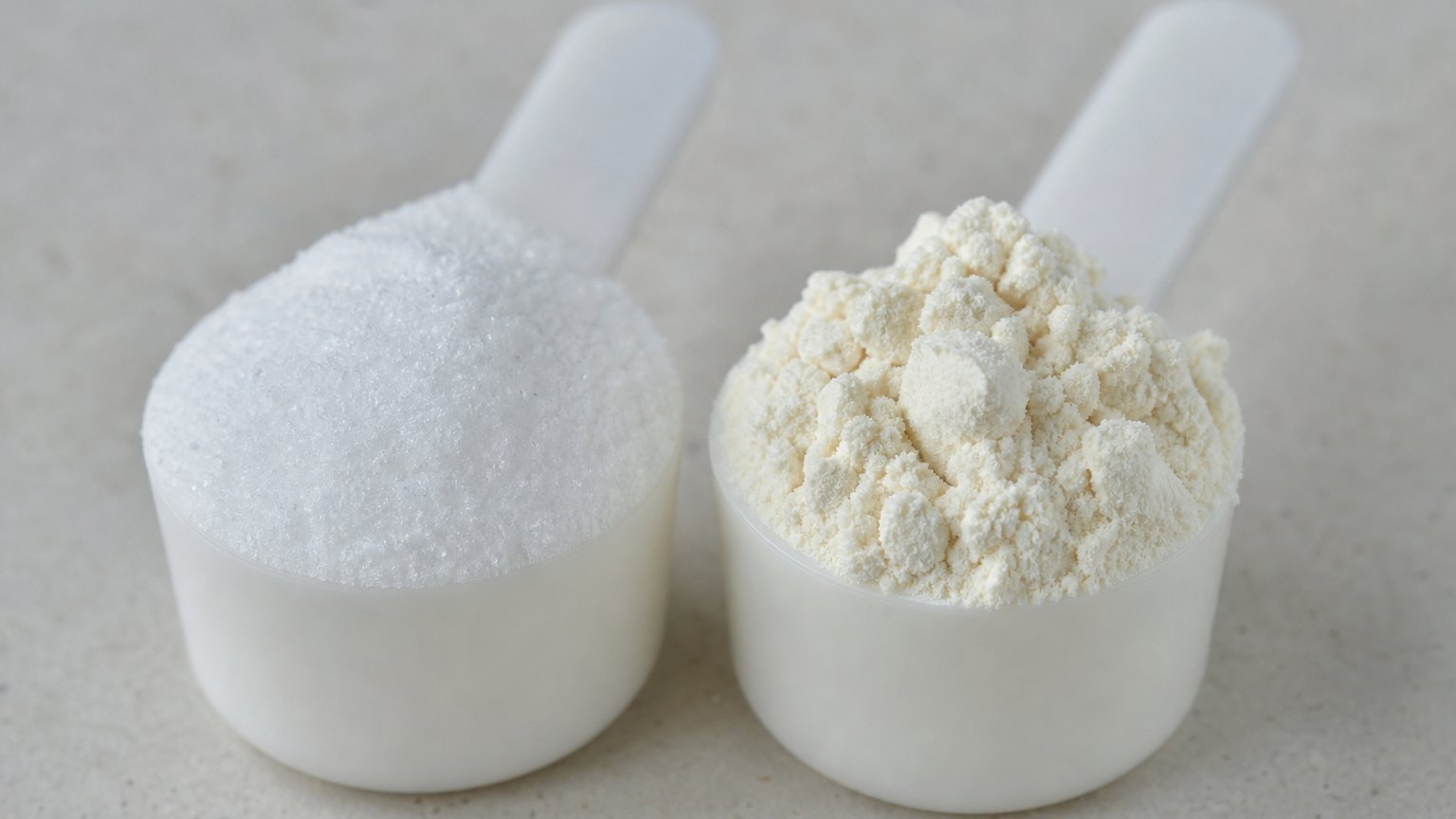
Creatine and whey protein do different jobs. Whey supplies amino acids your body uses to repair and build muscle, while creatine supports rapid energy production during short, intense efforts. You can choose one based on your goal or use both as complementary parts of your routine.
Key Takeaways
- They are not substitutes: Whey is a complete protein, while creatine is a compound involved in rapid energy production.
- Choose whey for protein gaps: Whey can help you reach your daily protein target when food alone is not convenient or sufficient.
- Choose creatine for intense training: Creatine is most relevant for lifting, sprinting, jumping, and other repeated high-effort activities.
- You can take both: Combining them is safe for many healthy adults, but mixing them does not create a special chemical advantage.
- Consistency matters most: Your total protein intake, regular creatine use, training, sleep, and overall diet matter more than perfect supplement timing.
Why 'vs' Is the Wrong Question
Creatine and whey often appear in the same gym bag, but they are not competing versions of the same supplement. Comparing them is a little like comparing fuel with building material. Both may support training, but they work through separate pathways.
Whey is a protein made from milk. It contains all nine essential amino acids, which are protein building blocks your body cannot make on its own. Those amino acids support muscle protein synthesis, the process your body uses to repair and build muscle tissue.
Creatine is not a protein. Your body makes it from amino acids and stores much of it in muscle as phosphocreatine. That stored compound helps replenish adenosine triphosphate, or ATP. ATP is the immediate energy your cells use for work, especially during brief, demanding efforts.
| Question | Whey protein | Creatine |
|---|---|---|
| What is it? | A dairy protein | A naturally occurring compound |
| Main role | Supplies amino acids | Supports rapid energy recycling |
| Most useful for | Meeting protein needs and recovery | Strength, power, and repeated intense efforts |
| Contains calories? | Yes | Usually little or none |
| Replaces the other? | No | No |
This distinction also applies to women, runners, older adults, and beginners. Your goal and current diet matter more than your gender or training label.
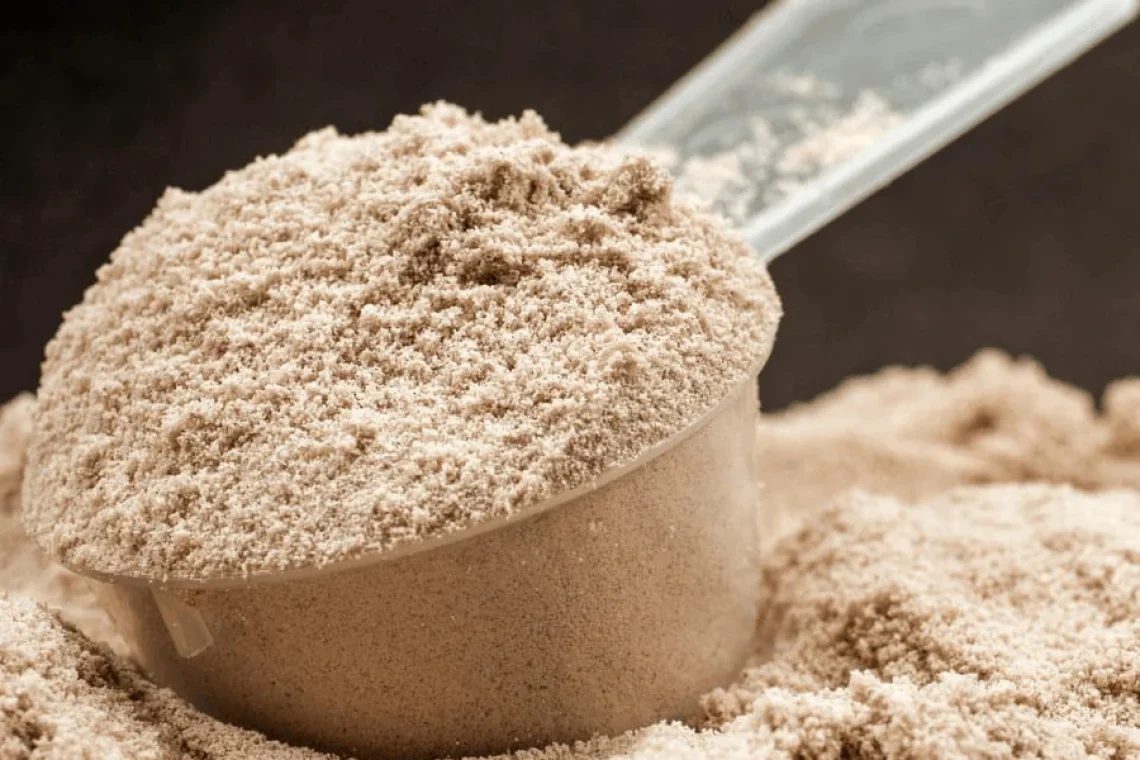
Whey protein and creatine support different parts of a training routine, so the right choice depends on your goal.
What Whey Protein Does
Whey gives your body a concentrated source of dietary protein. After digestion, that protein is broken into amino acids. Your body then uses those amino acids throughout the body, including for maintaining and repairing muscle tissue.
Whey is naturally rich in leucine, an essential amino acid that helps signal muscle protein synthesis. Resistance exercise also sends that signal. Together, adequate protein and training provide the raw materials and stimulus involved in muscle adaptation. However, whey does not guarantee muscle gain. Training quality, total calories, sleep, age, and overall protein intake all influence the outcome.
Protein timing is flexible. You do not have to drink a shake within 30 minutes of your final set. A serving near your workout can be convenient, but reaching an appropriate daily protein intake is generally more important than hitting a narrow post-workout window.
Whey is most useful when you regularly fall short on protein or need a portable option. You can mix it with water, milk, oatmeal, or a smoothie. LiveGood Whey Protein Isolate is one such option for people who want a convenient protein source. An isolate has more of the non-protein parts of milk removed than a typical whey concentrate, although individual lactose tolerance still varies.
Whey is food-based nutrition in powdered form. It can supplement eggs, fish, meat, dairy, soy, beans, and other protein-rich foods, but it does not make a balanced diet optional.

Whey provides essential amino acids that support muscle maintenance and repair alongside regular training.
What Creatine Does
Creatine supports the phosphocreatine energy system. This is the rapid backup system your muscles use to regenerate ATP during brief, forceful activity. Think of a heavy set of squats, a short sprint, a jump, or repeated bursts on a bike. Creatine is less directly relevant to slow, steady exercise because other energy systems do more of the work there.
By increasing creatine stores in muscle, creatine monohydrate may help some people complete an extra repetition, maintain power across repeated efforts, or gradually improve training quality. Over time, better training can support strength and lean mass development. Creatine itself does not supply protein, and it cannot build muscle without adequate nutrition and a useful training stimulus.
Creatine monohydrate is the most studied form. Research on creatine supports its use for high-intensity exercise and resistance training, although individual responses differ. People who eat little or no meat may begin with lower muscle creatine stores and sometimes respond more noticeably.
Research also examines creatine in areas such as healthy aging and cognition. Those findings are promising in some groups but are not equally strong for every outcome or person. Creatine should not be treated as a cure or replacement for medical care.
Because creatine works by building tissue stores, regular use matters more than whether you take it immediately before or after exercise. Follow the product label rather than repeatedly changing your schedule in search of a perfect window.

Creatine supports the rapid energy system used during lifting, sprinting, and other brief high-effort activities.
Taking Both Together
You can take creatine and whey together because they serve different purposes. Whey contributes amino acids. Creatine helps maintain the rapid energy system used during intense exercise. Neither blocks the other, and many people mix both into one shake simply because it makes their routine easier.
Do not expect the mixture itself to create a special effect. Research does not clearly show that putting creatine and whey in the same glass works better than taking the same products separately. The practical advantage is convenience, which can make consistency easier.
Timing can follow your schedule:
- Take whey when it helps you meet your daily protein target, whether that is after training, with breakfast, or between meals.
- Take creatine consistently according to its label directions. Workout timing is secondary.
- Mix them together if you enjoy the texture and tolerate the combination.
- Take them separately if a large shake feels heavy or causes digestive discomfort.
Creatine can also be stirred into water or another non-alcoholic drink. It does not need sugar to work. Whey can count toward your food intake, while plain creatine contributes little or no meaningful nutrition beyond the creatine itself.
If you are trying to manage body weight, remember that whey contains calories and creatine may increase water stored inside muscle. Neither product directly burns body fat. Your broader eating pattern and activity level remain the main factors.

Creatine and whey can be mixed together for convenience, although taking them separately works too.
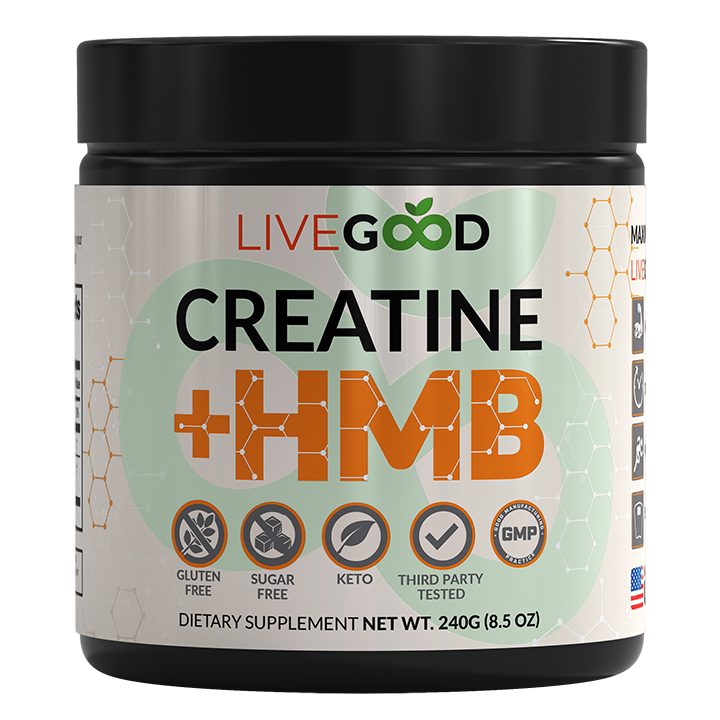
If creatine matches your goal, LiveGood Creatine + HMB provides 5 grams of creatine monohydrate plus 3 grams of HMB per serving, with no fillers, flavors, or additives. The formula supports muscle performance, healthy muscle maintenance with age, brain energy, and heart function. Follow the label directions and use it consistently. It is $19.95 for members versus $34.95 retail, helping make wellness more accessible rather than a luxury.
If You Only Want One, Start Here
Start with the gap that is most likely to limit your progress. Supplements are useful when they solve a real problem, not because they are popular.
Choose whey protein first if you struggle to eat enough protein. This may apply if you skip meals, have a low appetite, need a quick breakfast, or find protein-rich foods inconvenient after training. Whey may also be the more practical starting point if your priority is general recovery or preserving muscle while eating fewer calories. It can help with fullness, but it still contributes calories and is not a weight-loss product.
Choose creatine first if your protein intake is already adequate and your main goal involves strength, power, or repeated high-intensity effort. It may fit weight training, sprinting, team sports, interval work, or the strength sessions that support a runner's program. Endurance athletes should consider whether a small increase in water weight affects their event or comfort.
If you are a beginner, establish regular training and dependable meals before worrying about a complicated stack. Whey cannot replace training, and creatine cannot compensate for too little food or sleep. One simple product used consistently is more useful than several products taken at random.
Collagen is another separate category. It supplies certain amino acids associated with connective tissues, but it is not a complete replacement for whey or another high-quality dietary protein when muscle protein is the goal.
If neither protein intake nor high-intensity performance is a concern, you may not need either supplement. Food, training, rest, and consistency remain the foundation.
Side Effects of Each
Both supplements are generally well tolerated by many healthy adults when used according to label directions, but each has different potential side effects.
Creatine can increase water stored inside muscle. That may cause the scale to rise, especially when you first begin using it. This is not the same as gaining body fat. A sudden 10-pound increase is more than many people would expect from creatine alone, so review changes in food, fluids, and activity and speak with a clinician if the change is unexplained. Some people also experience stomach discomfort or loose stools, particularly when taking more than directed at once.
Creatine can affect blood creatinine measurements. Creatinine is a waste product commonly included in kidney testing. A changed result does not automatically mean kidney damage, but your clinician should know you take creatine so the result can be interpreted appropriately.
Whey may cause gas, bloating, cramps, or diarrhea, especially if you have difficulty digesting lactose. Whey isolate is usually lower in lactose than concentrate, but it may not be suitable for everyone. Anyone with a milk allergy should avoid whey because an allergy involves milk proteins, not just lactose.
Talk to your doctor before using either product if you are pregnant or breastfeeding, have a kidney or liver condition, have another existing medical condition, or take prescription medication. That includes medicines such as lisinopril. A doctor or pharmacist can review your health history, medication list, and laboratory results rather than relying on a general interaction checklist.
Following label directions and considering your health history can help reduce unwanted side effects.
Frequently Asked Questions
Is creatine better than whey protein?
Neither is universally better because they solve different problems. Creatine supports rapid energy production during short, intense activity, while whey supplies complete protein for muscle maintenance and repair. Choose creatine if your protein intake is already solid and performance is your priority. Choose whey if consistently reaching your daily protein target is the bigger challenge.
Can you take creatine and whey together?
Yes, many healthy adults can take creatine and whey together. You may mix them in one shake or use them at different times, depending on comfort and convenience. Combining them does not appear to create a unique advantage over taking each consistently on its own. Follow both labels, and ask your doctor if you have a medical condition or use prescription medicine.
Should you take creatine or whey first?
Take whichever one addresses your main nutritional or training need first. Whey timing can follow meals and workouts because total daily protein is the main concern. Creatine works through regular use, so the exact hour matters less than consistency. If you use both, there is no required order, and taking them in the same drink is optional.
Do you need protein powder if you take creatine?
You still need adequate dietary protein, but it does not have to come from powder. Creatine cannot replace the amino acids found in foods such as eggs, dairy, fish, meat, soy, or beans. Use whey only if it makes your protein target easier to reach. If your meals already provide enough protein, an additional shake may offer little practical value.
What are the side effects of each?
Creatine may cause increased muscle water, scale weight changes, or digestive discomfort. Whey may cause bloating, gas, cramps, or diarrhea, especially with lactose intolerance, and it is unsuitable for a milk allergy. Ask your doctor before using either if you have kidney or liver concerns, are pregnant or breastfeeding, take prescription medication, or manage an existing condition.