
Creatine vs Whey vs Casein: What Each One Does
 Written by Ben Glinsky
Ask AI about this article and Creatine + HMB





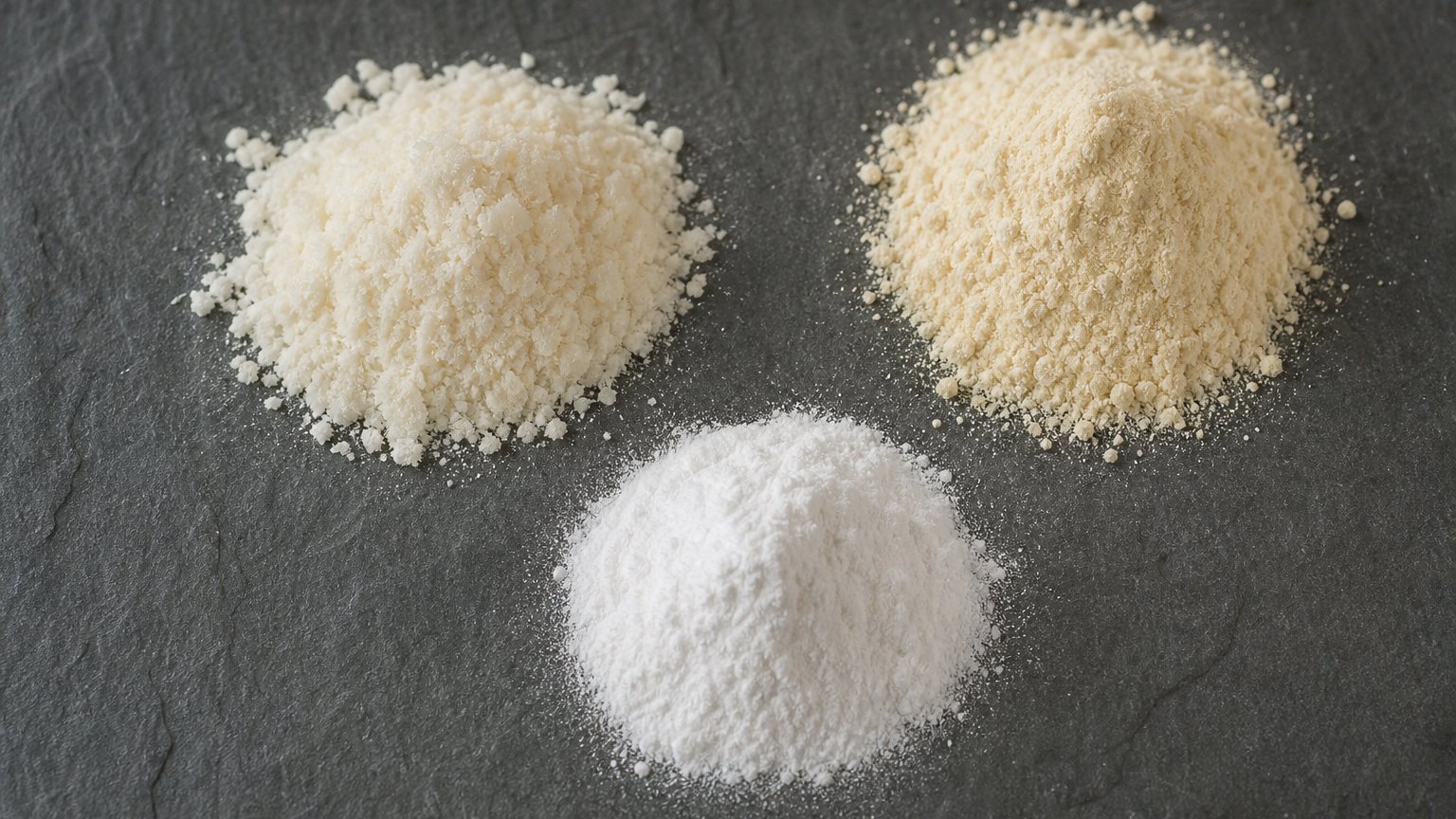
Creatine, whey, and casein can all support a fitness routine, but they do different jobs. Whey and casein are complete milk proteins, while creatine is not a protein at all. Here is how each works, when timing matters, and how to choose without buying more than you need.
Key Takeaways
- Two are proteins: Whey and casein provide all nine essential amino acids, the protein building blocks your body cannot make itself.
- Creatine is different: It helps your cells rapidly recycle energy during lifting, sprinting, and other short, intense efforts.
- Whey digests relatively fast: It is rich in leucine and convenient after training or whenever a meal is low in protein.
- Casein forms a gel: Stomach acid causes casein to form curds, slowing digestion and releasing amino acids more gradually.
- You can combine them: Your total protein intake, training, diet, and consistency matter more than creating a complicated supplement schedule.
Two Proteins and One Compound That Is Not
The biggest mistake in a creatine vs whey vs casein comparison is treating all three as competing proteins. They are not. Whey and casein come from milk and supply amino acids, which your body uses to build and maintain tissues. Creatine is a nitrogen-containing compound made from amino acids, but it is not a protein and does not count toward your daily protein intake.
Milk protein is roughly 80 percent casein and 20 percent whey. During cheese production, casein forms the curds while whey remains mostly in the liquid. Protein powders separate and filter these fractions to create products with different textures, protein concentrations, and digestion rates.
| Feature | Whey | Casein | Creatine |
|---|---|---|---|
| What it is | Complete milk protein | Complete milk protein | Naturally occurring compound |
| Main role | Supplies amino acids relatively quickly | Supplies amino acids more gradually | Supports rapid cellular energy recycling |
| Common use | Convenient protein around workouts or meals | Protein before a long break between meals | Strength and high-intensity training support |
| Counts as protein | Yes | Yes | No |
| Contains calories | Usually yes | Usually yes | Typically negligible |
This distinction changes how you choose. If you are not eating enough protein, whey or casein can help close that gap. If your protein intake is already adequate but you want support for repeated hard efforts, creatine may be more relevant. None replaces resistance training, balanced meals, sleep, or steady habits.
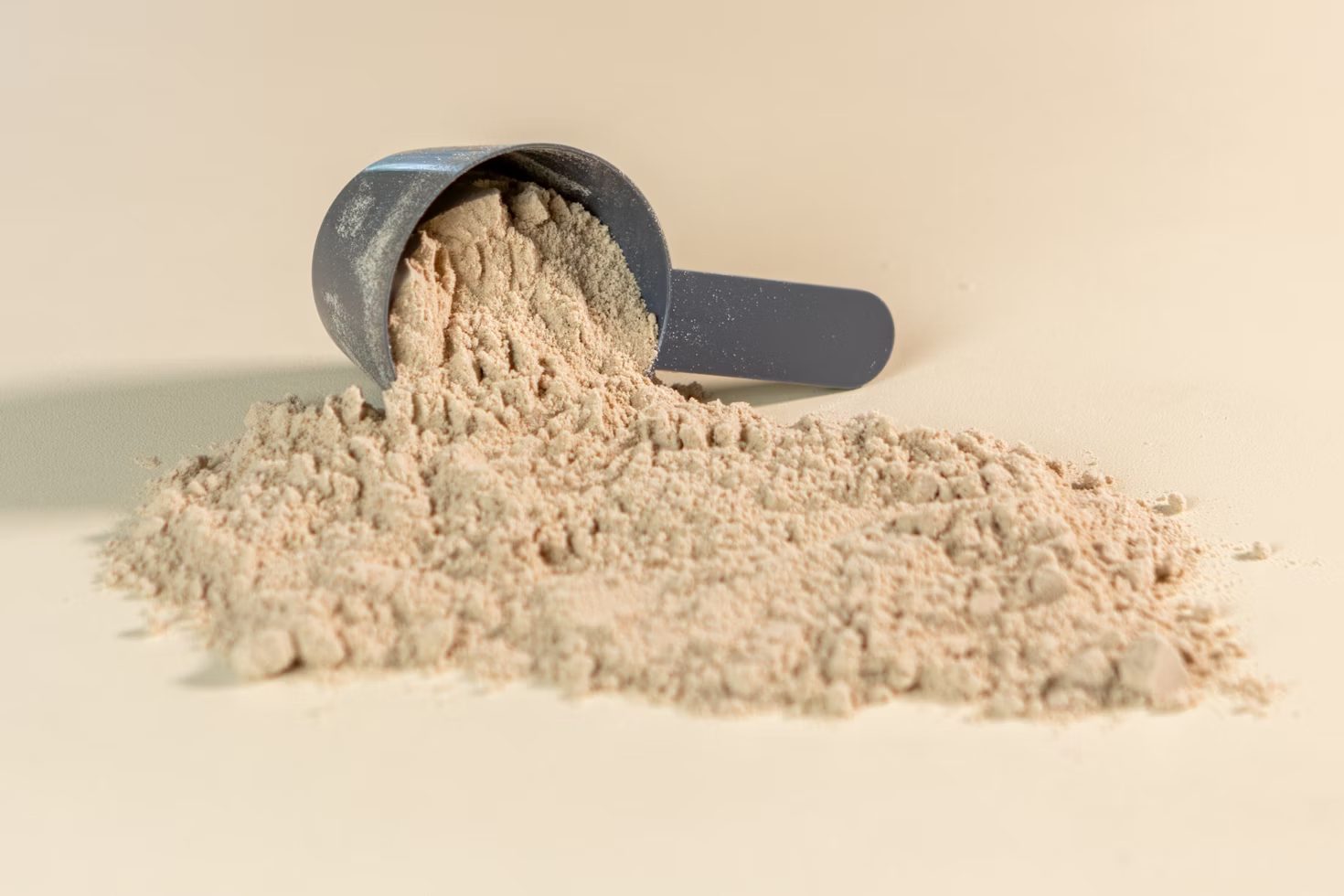
Whey and casein supply complete protein, while creatine supports a separate cellular energy system.
Whey: Fast Digestion and High Leucine
Whey is often called a fast protein because it leaves the stomach and raises blood amino acid levels more quickly than casein. Amino acids are the smaller units your body obtains when it digests protein. This relatively rapid delivery makes whey convenient after exercise, although you do not need to drink it within a narrow 30-minute window.
Whey is also naturally high in leucine. Leucine is an essential amino acid that helps signal muscle protein synthesis, the process your body uses to build new muscle proteins. That signal still requires enough total protein and other essential amino acids. More leucine by itself cannot make up for an inadequate diet or inconsistent training.
You will commonly see whey concentrate and whey isolate. Concentrate contains protein along with varying amounts of lactose, fat, and other milk components. Isolate is filtered further, so it usually provides a higher percentage of protein and less lactose and fat. It is not automatically better. The useful choice depends on your digestion, budget, protein needs, and taste preferences.
Whey works well when breakfast is low in protein, after training when a full meal is inconvenient, or blended into a snack. The exact clock time matters less than meeting your protein needs across the day. Whey still comes from milk, so it is not suitable for a milk-protein allergy. People with lactose intolerance may tolerate an isolate better than a concentrate, but individual responses vary.
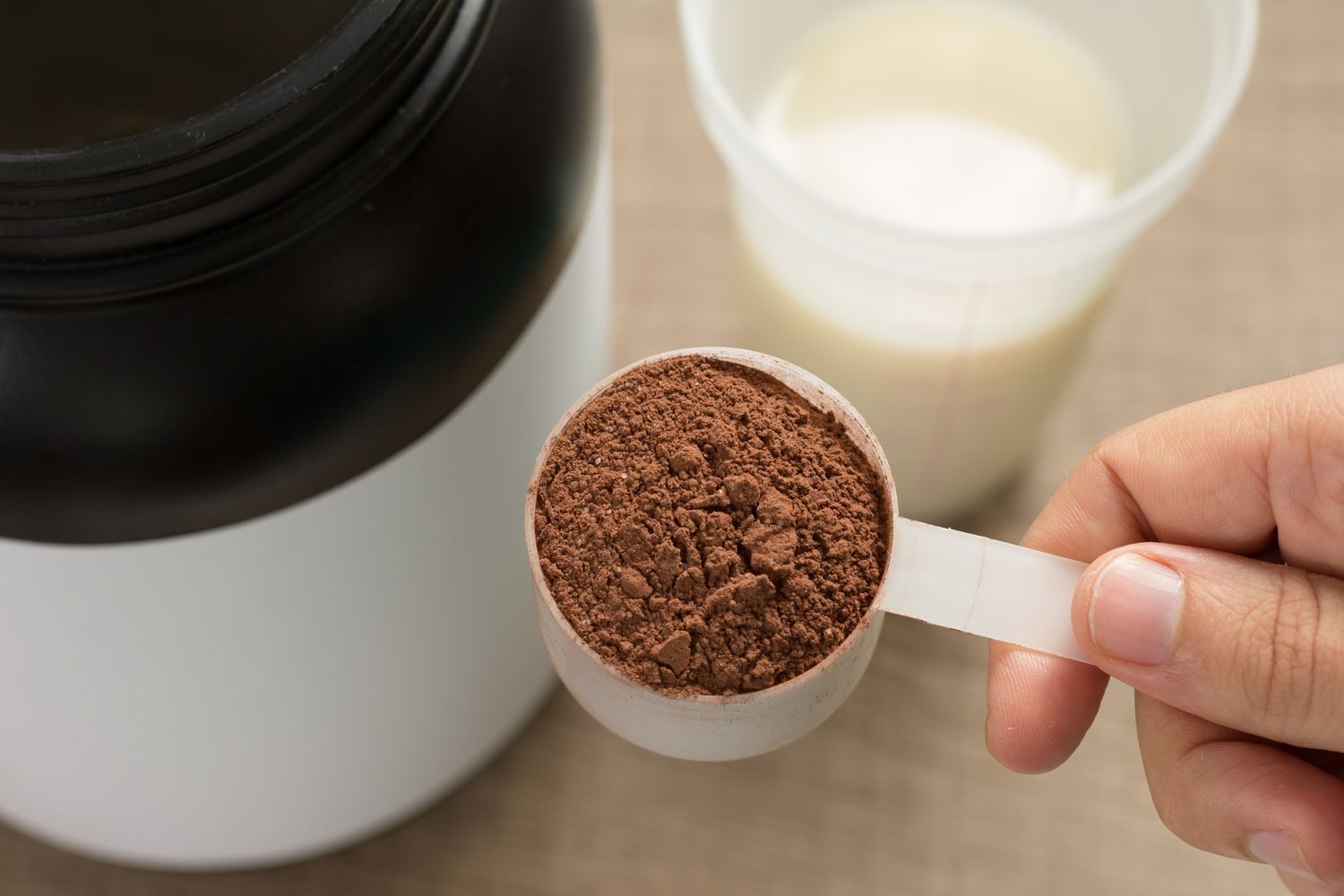
Whey offers a convenient source of leucine-rich protein around workouts or between meals.
Casein: Why It Digests Slowly
Casein digests slowly because of what happens when it meets stomach acid. In milk, casein proteins are grouped into tiny structures called micelles. The acidic conditions in your stomach cause these micelles to clump together and form a soft gel or curd. Digestive enzymes then have to work through that thicker material, which slows stomach emptying and the release of amino acids.
That gelling mechanism is the key difference from whey. Whey generally stays more soluble, so it moves through the stomach faster. Casein produces a lower but more prolonged rise in circulating amino acids. Both are complete proteins, meaning they contain all nine essential amino acids.
This slower pattern is why casein is commonly used before bed or before another long period without food. Research suggests that pre-sleep protein can support overnight muscle protein synthesis, especially when combined with resistance training. However, the specific advantage of casein over another suitable protein is modest, and comparisons are mixed when total daily protein and calories are similar. A protein-rich evening meal may already cover the same practical need.
Casein can also feel more filling and makes a thicker shake or pudding. That texture may suit someone who wants a substantial snack, but it can be unpleasant for someone who prefers a light drink. Greek yogurt, cottage cheese, and regular milk naturally contain casein, although milk and yogurt also contain some whey. Like whey, casein is unsuitable for a milk-protein allergy and may cause digestive discomfort in some people.

Casein forms soft curds in the acidic stomach environment, which helps explain its slower digestion.
Creatine: A Different System Entirely
Creatine does not provide protein. Your body makes some creatine, and you also get small amounts from foods such as meat and fish. Inside muscle cells, much of it is stored as phosphocreatine. That stored compound helps rebuild adenosine triphosphate, or ATP, the immediate energy currency used by your cells.
Your ATP supply is limited during a hard set of lifting, a sprint, or another short, intense effort. Phosphocreatine helps recycle ATP quickly, which can support repeated high-effort work. Over time, getting a little more quality training done may support strength and lean mass gains. Results vary, and creatine does not build muscle without an appropriate training and nutrition routine.
Creatine monohydrate is the most studied form. Consistent use matters more than taking it at an exact time around exercise. Follow the product label rather than assuming that a larger serving will work better. Some people notice an early increase in body weight because creatine helps draw water into muscle cells. This is not the same as gaining body fat.
Creatine is also present in the brain and other energy-demanding tissues. Research on creatine has examined cognitive performance and broader cellular energy support, but findings differ by population and situation. Exercise performance and strength support remain its most established uses.
Healthy adults generally tolerate creatine monohydrate well, but personal circumstances matter. Talk to your doctor before using it if you are pregnant or breastfeeding, take prescription medication, have a kidney or liver condition, or are managing another existing medical condition.

Creatine supports the rapid recycling of ATP during lifting, sprinting, and other brief high-effort activity.
Can You Take All Three?
You can generally use creatine, whey, and casein in the same routine because they are not competing for one job. Creatine supports rapid energy recycling. Whey and casein provide protein. Taking creatine with a protein shake is also fine for most healthy adults, and mixing them does not cancel their effects.
You do not need to take all three at once. A practical routine could include whey when you need a quick, convenient protein source and casein when you prefer a thicker, slower-digesting option before a long gap between meals. Creatine can be taken according to its label at whichever time helps you use it consistently. It can go into a whey shake, a meal, or another suitable drink.
Start with the gap in your current routine. If you regularly fall short on protein, address that with food, whey, casein, or a combination. If you already eat enough protein and perform resistance or high-intensity exercise, creatine may add a different kind of support. Buying all three is unnecessary if one or two already meet your needs.
Pay attention to digestion as well. Combining several powders in one large shake may cause fullness or stomach discomfort even when each ingredient is tolerated separately. Trying one change at a time makes it easier to identify what works for you. People with milk allergies should avoid both whey and casein. If you have an existing medical condition, use prescription medication, or are pregnant or breastfeeding, talk to your doctor before adding supplements.
Creatine and protein powders can share a routine because they address different nutritional and training needs.
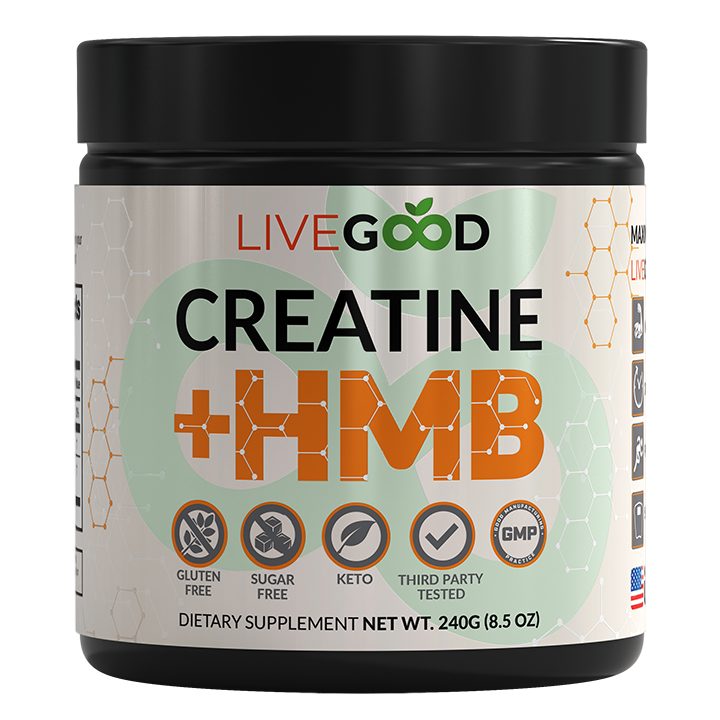
LiveGood Creatine + HMB provides a full 5 grams of creatine monohydrate plus 3 grams of HMB, a leucine metabolite, per serving, with nothing else, no junk fillers, flavors, or additives. It is formulated to support muscles, brain, and heart while helping maintain muscle and cognitive function with age. Follow label directions consistently. Members pay $19.95 versus $34.95 retail, reflecting our mission to "Provide the highest quality supplements in the world, at the lowest prices possible."
Which to Choose for Which Goal
Choose according to the job you need done, not which tub has the loudest claims. For muscle gain, begin with resistance training and enough daily protein. Whey is often the easiest protein supplement to use because it mixes lightly and digests relatively quickly. Casein can work just as well for contributing to your daily protein total, especially if you enjoy its thicker texture.
For strength, sprinting, or repeated high-intensity efforts, creatine is the most directly relevant of the three. It supports the energy system used during short bursts of effort. It does not replace protein, and protein does not perform creatine's energy-recycling role.
For post-workout convenience, whey is a practical choice, but a normal protein-rich meal is also effective. For a long gap between meals, casein offers slower digestion and may help you feel satisfied. Before bed, casein is reasonable if it helps you meet your protein target. It is not mandatory, and its advantage over other protein sources appears modest when daily intake is matched.
For weight management, neither whey nor casein causes fat loss on its own. Both can contribute to filling meals or snacks, but the larger eating pattern still determines calorie intake. Casein may feel more filling for some people, while whey may be easier to fit into a lower-calorie drink.
If your diet already supplies enough high-quality protein, you may not need either protein powder. If you do not perform activities that rely heavily on brief, intense effort, creatine may be a lower priority. Choose the simplest routine you can maintain. Consistency over quick fixes is what makes supplements useful.
Frequently Asked Questions
What is the difference between creatine, whey and casein?
Creatine is an energy-supporting compound, while whey and casein are complete milk proteins. Whey digests relatively quickly and contains plenty of leucine. Casein forms a gel in stomach acid, producing a slower release of amino acids. Creatine instead helps recycle ATP during brief, intense activity and does not contribute to your daily protein total.
Is casein better before bed?
Casein can be useful before bed, but it is not clearly better for everyone. Its slow digestion provides amino acids across a longer period, and pre-sleep protein may support overnight muscle protein synthesis. However, the advantage appears modest when total daily protein is already sufficient. An evening meal, whey, or another complete protein may also meet your needs.
Can you take creatine with protein powder?
Yes, most healthy adults can mix creatine with whey, casein, or another protein powder. They serve different purposes, and combining them does not make either one ineffective. Follow each product's label directions and choose a schedule you can maintain. Talk to your doctor first if you take prescription medication or have a kidney, liver, or other medical condition.
Which is best for building muscle?
There is no single winner because protein and creatine support muscle development in different ways. Whey or casein can help you meet the protein needs that support muscle repair and growth. Creatine may help you perform more high-quality work during resistance training. If protein intake is inadequate, fixing that gap is usually the first priority.
Do you need all three?
No, you do not need creatine, whey, and casein to make progress. Whole foods can provide sufficient protein, and a single protein powder may be enough when convenience is the main concern. Creatine is an optional addition for high-intensity performance support. Select only what addresses a real gap in your diet or training routine.