
Disadvantages of Plant Protein Powder
 Written by Nauder Khazan
Ask AI about this article and Organic Complete Plant-Based Protein





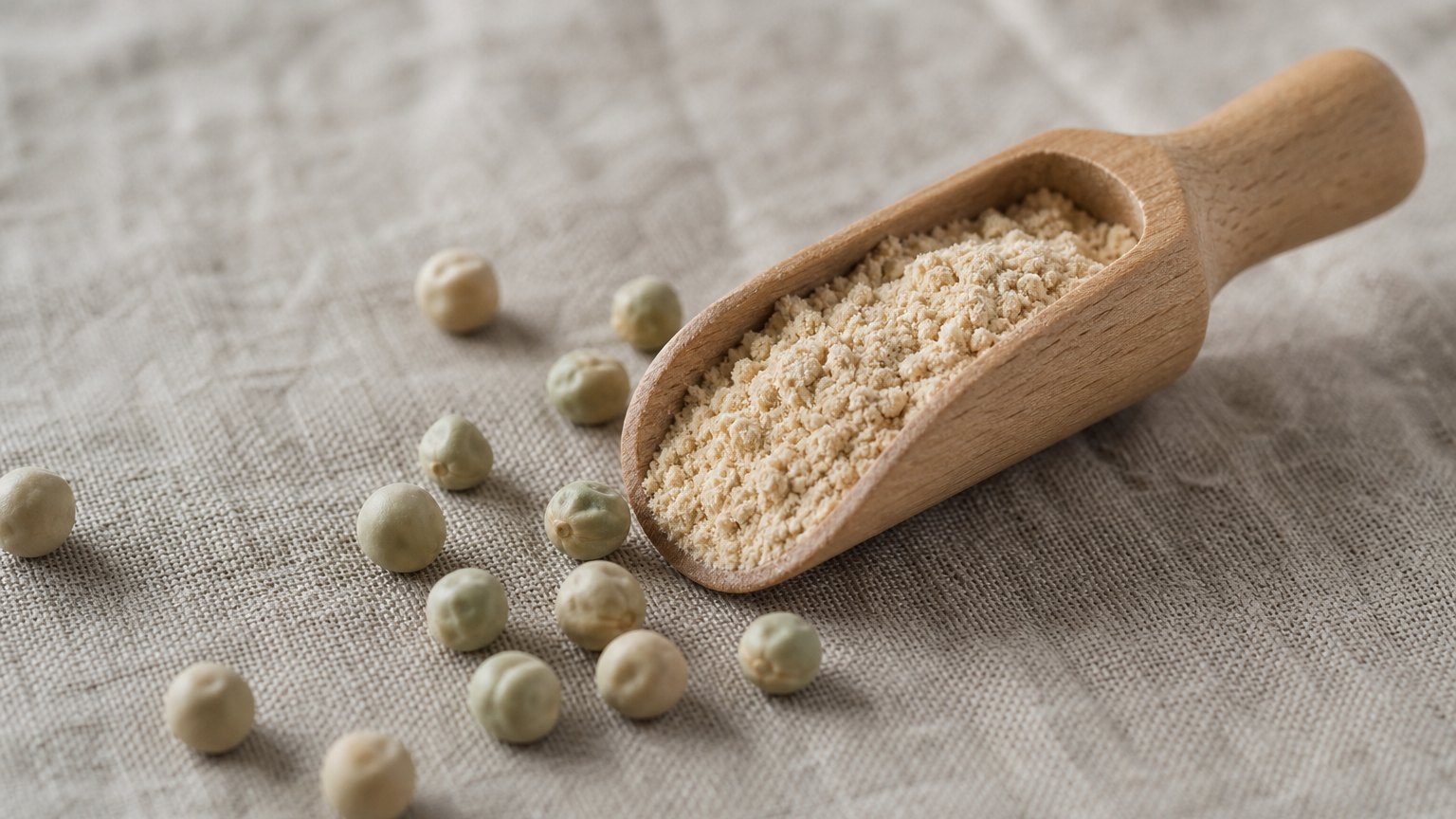
Plant protein powder can have several disadvantages, including uneven amino acid profiles, less leucine per serving, harder digestion, bloating, gritty texture, and possible heavy metal exposure. These concerns vary by protein source and product, and a well-designed blend can address several, but not all, of them.
Key Takeaways
- Amino acid balance varies: Single-source plant proteins may be relatively low in one or more essential amino acids.
- Leucine may be lower: Many plant powders provide less leucine per scoop than whey, which can matter for muscle protein building.
- Digestion is personal: Fiber, sweeteners, gums, and the protein source itself may cause gas or bloating.
- Testing deserves attention: Plants can absorb heavy metals from soil, so transparent third party testing is useful.
- Blends solve several gaps: Combining complementary proteins can improve amino acid balance, flavor, texture, and overall usability.
Amino Acid Profile Gaps
Your body uses amino acids as building blocks for muscle, enzymes, hormones, and other tissues. Nine are called essential amino acids because your body cannot make enough of them. You need to get them through food.
Plant proteins generally contain all or most amino acids, but the amounts are not always balanced. A protein's limiting amino acid is the essential amino acid present in the lowest useful proportion. For example, rice protein tends to be lower in lysine. Pea protein contains all nine essential amino acids but is relatively lower in methionine. Hemp protein also contains all nine, though its concentration and digestibility can differ from more refined protein isolates.
That does not mean plant protein is ineffective or that every amino acid must appear in perfect proportions at every meal. Your body maintains an amino acid pool and can use proteins eaten throughout the day. Still, relying heavily on one source may make it harder to obtain an optimal balance, especially if your overall protein intake is modest.
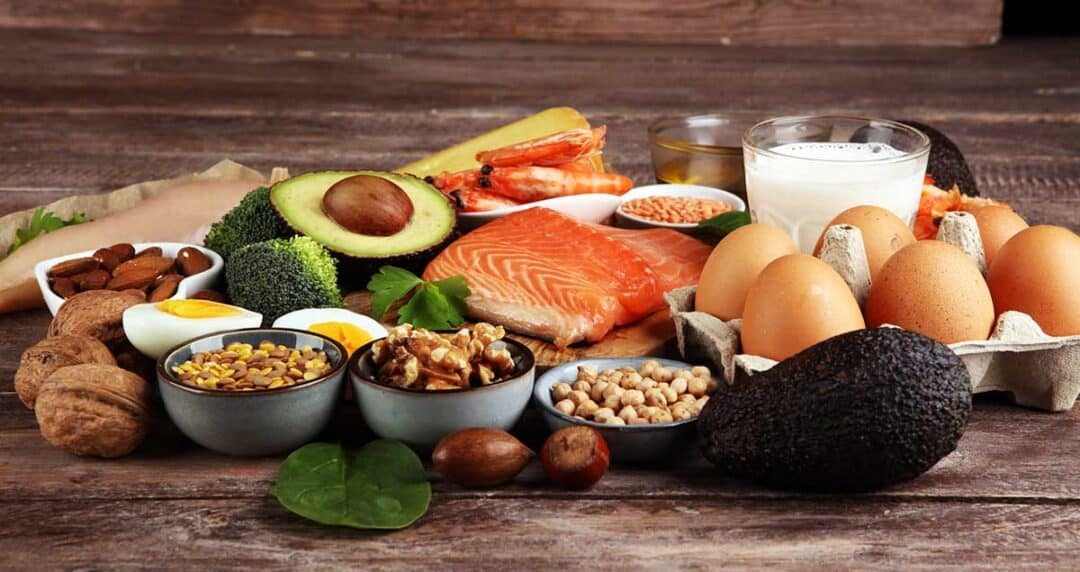
Different plant protein sources provide essential amino acids in different proportions.
The practical response is variety. Combining legumes with grains, or choosing a powder made from complementary sources, can improve the overall profile. Check the label for the amount of protein per serving and the specific protein sources. If an amino acid profile is provided, look for all nine essential amino acids rather than relying only on the total grams printed on the front.
Lower Leucine Per Serving
Leucine is one of the three branched-chain amino acids, commonly called BCAAs. It plays a key role in signaling muscle protein synthesis, the process your body uses to build and repair muscle tissue after exercise and during daily life.
Many plant protein powders provide less leucine per gram than whey protein. A scoop can therefore contain the same total protein as whey while delivering a smaller leucine amount. This does not make the plant powder useless. It means the serving size, protein source, and full amino acid profile deserve attention if muscle support is your main goal.
Research often discusses a leucine threshold, meaning the approximate amount needed in a meal to create a strong muscle-building signal. It is not one fixed number for everyone. Age, body size, activity, meal composition, and training all affect the response. Older adults may also need a stronger protein stimulus than younger adults.
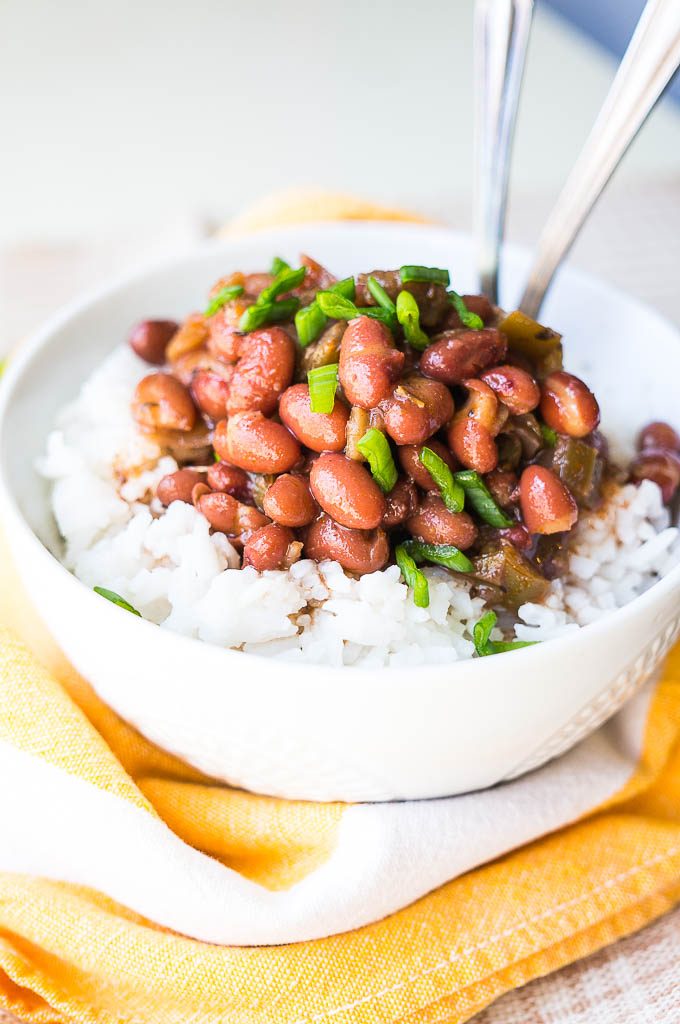
The protein source and serving size influence how much leucine a plant-based shake provides.
You can address lower leucine by selecting a higher-protein serving, choosing a blend that contains leucine-rich sources such as pea or soy, and spreading protein across your meals. Resistance training remains essential. Protein powder supports protein intake, but it cannot replace the training signal needed to build muscle.
Plant protein can support muscle growth when total protein and essential amino acid intake are sufficient. However, direct comparisons with whey do not prove that every plant powder performs identically. Formulation matters, and powders with low protein content or weak amino acid balance may require more careful meal planning.
Digestibility and Bloating
Plant proteins are often less digestible than animal proteins. Digestibility refers to how much of a protein your body can break down, absorb, and use. Natural plant compounds and the structure of plant cells can make that process less efficient, although grinding, soaking, heating, fermenting, and isolating the protein can improve it.
Higher fiber can be both a benefit and a drawback. Fiber supports normal digestion, but increasing it quickly may lead to gas, bloating, abdominal pressure, or changes in bowel habits. Some minimally processed powders retain substantial fiber, while isolates may contain very little. Do not assume every plant powder is high in fiber. Read the Nutrition Facts panel.

Fiber, sweeteners, gums, and serving size can all affect how comfortably you digest plant protein.
The protein itself is not always the cause of discomfort. Sugar alcohols, including erythritol, sorbitol, and xylitol, can bother sensitive stomachs. Added gums and large amounts of inulin or chicory root fiber may also contribute. Soy, wheat, peas, nuts, and seeds can present allergy or sensitivity concerns for some people.
If you are new to plant protein, begin with the label serving rather than adding several scoops at once. Mix it thoroughly and see how you respond. Taking it as part of a smoothie or meal may feel different from drinking it quickly with water. If one formula causes persistent discomfort, compare its protein source, fiber, sweeteners, and thickeners with products you tolerate better.
Talk to your doctor before using protein supplements if you are pregnant, breastfeeding, taking prescription medication, or managing a kidney, liver, digestive, or other existing medical condition.
Taste and Texture
Taste and texture are practical disadvantages because they affect whether you will use a powder consistently. Plant proteins can taste earthy, grassy, bitter, or bean-like. Pea protein sometimes has a mild legume flavor, while hemp can taste nutty or grassy. Rice protein is often milder but may feel dry or sandy.
Grittiness comes partly from particles that do not dissolve as smoothly as whey. Some plant proteins also absorb more liquid, creating a thick or chalky shake. A powder that tastes acceptable in a smoothie may be less pleasant when mixed only with water.
Blending plant protein with enough liquid, fruit, or ice can improve its taste and texture.
Manufacturers often use flavors, sweeteners, salt, oils, or gums to improve the experience. Those ingredients are not automatically a problem, but they can introduce new tradeoffs. A very sweet formula may be hard to pair with food. Certain sweeteners or gums may cause digestive discomfort. Added sodium can also vary widely, so checking the complete label is more useful than judging a powder by its front-panel claims.
Preparation makes a noticeable difference. A shaker bottle may leave small clumps, while a blender generally creates a smoother texture. More liquid can reduce thickness. Blending the powder with fruit, oats, nut or seed butter, or ice can cover earthy flavors, though those additions also change the calories and nutrient content.
Before buying a large container, consider the flavor, suggested liquid amount, sweetener, and return policy. A nutritionally strong powder offers little practical value if you dislike it enough to stop using it.
Heavy Metals in Third Party Testing
Heavy metals are naturally occurring elements that can enter soil through geology, pollution, fertilizers, and previous industrial activity. Plants may take up metals such as lead, cadmium, arsenic, and mercury as they grow. Because protein powder concentrates plant material, contaminants present in the crop can also become concentrated.
Independent testing has detected measurable heavy metals in some protein powders, including both plant-based and animal-based products. Some testing reports have found higher results in certain plant powders, but findings differ by crop, growing region, processing method, batch, and laboratory. A result from one product or batch should not be applied to every plant protein or brand.

Transparent finished-product testing helps you evaluate heavy metal findings in proper context.
Detectable does not automatically mean dangerous. Modern laboratory equipment can identify extremely small amounts. The more useful questions are how much was detected, how often you consume the product, how the result compares with relevant safety limits, and whether the company routinely tests finished batches. Different testing programs may also use different thresholds, which can make simple pass or fail claims hard to compare.
Look for clear information about contaminant testing rather than vague statements about purity. A company should ideally be able to explain whether it tests raw ingredients, finished products, or both. A recent certificate of analysis can provide batch-specific results, although not every company makes these documents public.
Third party testing reduces uncertainty, but it does not guarantee that a product contains zero heavy metals. Crop sourcing and batch monitoring still matter. You can also avoid relying on one powder for most of your daily nutrition. Protein supplements are a convenience, not a replacement for a varied diet built around a range of foods.
How Blends Address These
A blend combines protein from two or more plant sources. This is one of the most practical ways to improve a plant protein powder because different plants can complement one another. Pea protein is relatively lower in methionine, while sources such as rice or hemp can contribute a different amino acid balance. The resulting blend may provide a more useful mix of all nine essential amino acids.
Blending can also improve taste and texture. A manufacturer may use one source for a smoother mouthfeel and another for its amino acid profile. This does not guarantee a creamy shake, but it can reduce the strong flavor or grittiness of a single-source formula.
Complementary plant protein sources can create a more balanced amino acid profile in one blend.
A blend does not automatically solve every disadvantage. It may still contain less leucine than a comparable whey serving. It can still cause bloating, especially if it includes substantial fiber, gums, or poorly tolerated sweeteners. Blending also does not remove the need for contaminant testing because every crop ingredient has its own sourcing considerations.
When comparing products, start with protein grams per serving and the named protein sources. Then check fiber, sodium, sweeteners, allergens, and serving size. Look for transparent testing information when available. If muscle support is the goal, an amino acid profile or disclosed BCAA content provides more detail than a general claim that a powder is complete.
Most importantly, judge a blend as a whole formula. More ingredients do not automatically make it better. A useful blend should offer complementary proteins, fit your digestion and dietary needs, and taste good enough to use consistently. Honest label reading matters more than marketing language.
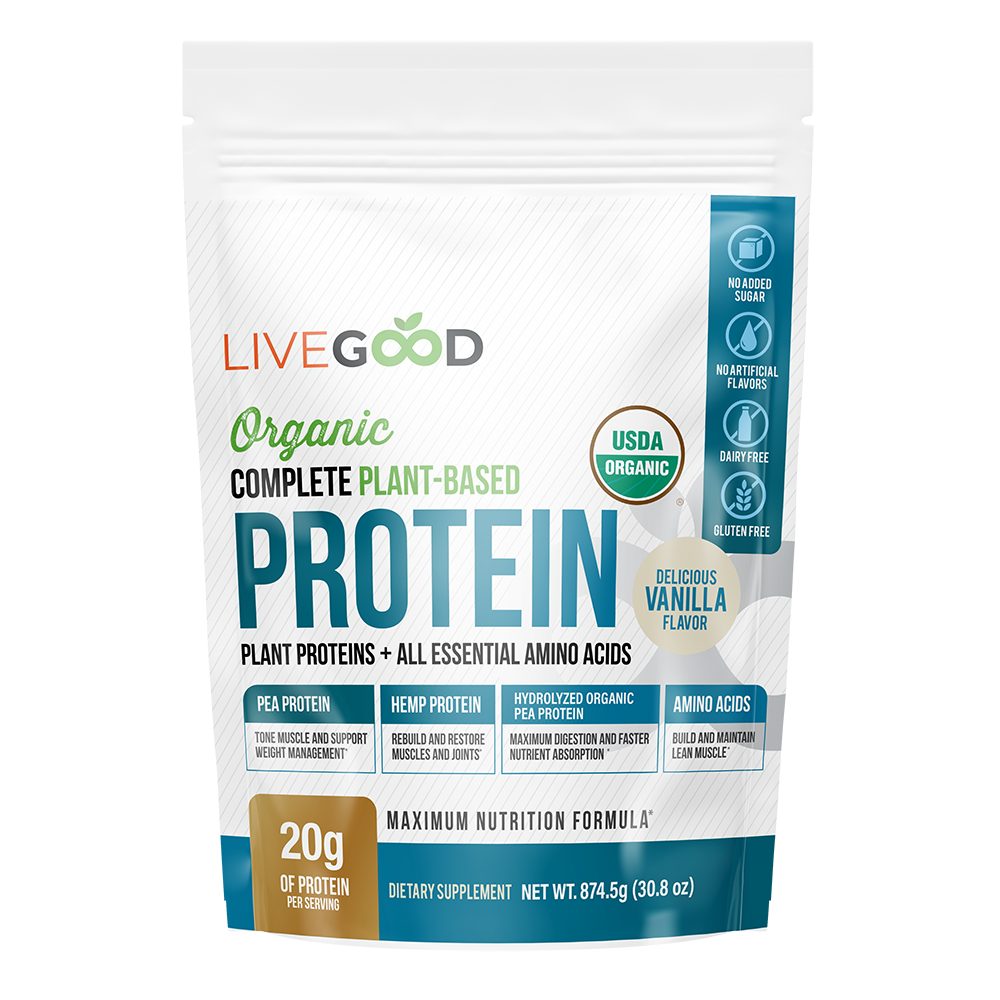
Organic Complete Plant-Based Protein is an honest blend built on organic pea protein, which contains all nine essential amino acids plus BCAAs, and organic hemp protein. The vanilla powder also provides 26 vitamins and minerals to support a consistent nutrition routine. Mix it with water or blend it into a smoothie any time of day. It is $39.95 for members versus $49.95 retail, helping keep everyday wellness more accessible.
Frequently Asked Questions
What are the disadvantages of plant protein powder?
The main disadvantages are uneven amino acid profiles, lower leucine in many formulas, reduced digestibility, bloating, and a grainier taste or texture. Plants can also absorb heavy metals from soil, making sourcing and finished-product testing relevant. These issues vary substantially by ingredient and brand, and complementary protein blends can improve amino acid balance and flavor.
Does plant protein cause bloating?
Plant protein can cause bloating in some people, but the protein is not always responsible. Fiber, sugar alcohols, chicory root, gums, allergies, and large serving sizes may contribute. Check the ingredient list and fiber content, follow the label serving, and compare formulas if discomfort continues. Persistent or severe digestive symptoms should be discussed with your doctor.
Is plant protein as good as whey for muscle?
Plant protein can support muscle building when it supplies enough total protein, leucine, and other essential amino acids alongside resistance training. Whey usually provides more leucine per gram and is highly digestible, so some plant formulas may need a larger or better-balanced serving. Results depend on the protein source, formulation, overall diet, age, and training routine.
Do plant proteins contain heavy metals?
Some plant protein powders contain detectable heavy metals because crops can absorb naturally occurring or environmental contaminants from soil. Detection alone does not establish that a product is unsafe, since the amount and frequency of exposure matter. Look for transparent contaminant testing and batch information, and avoid using protein powder as your sole or dominant food source.
Which plant proteins are complete?
Soy, quinoa, buckwheat, amaranth, hemp, and pea contain all nine essential amino acids, although their proportions and protein concentration differ. The word complete does not mean that every source provides ideal amounts in one serving. Blends such as pea with hemp or rice can create a more balanced profile, while dietary variety helps cover needs throughout the day.