
Do Goji Berries Have Caffeine?
 Written by Nauder Khazan
Ask AI about this article and Organic Super Reds





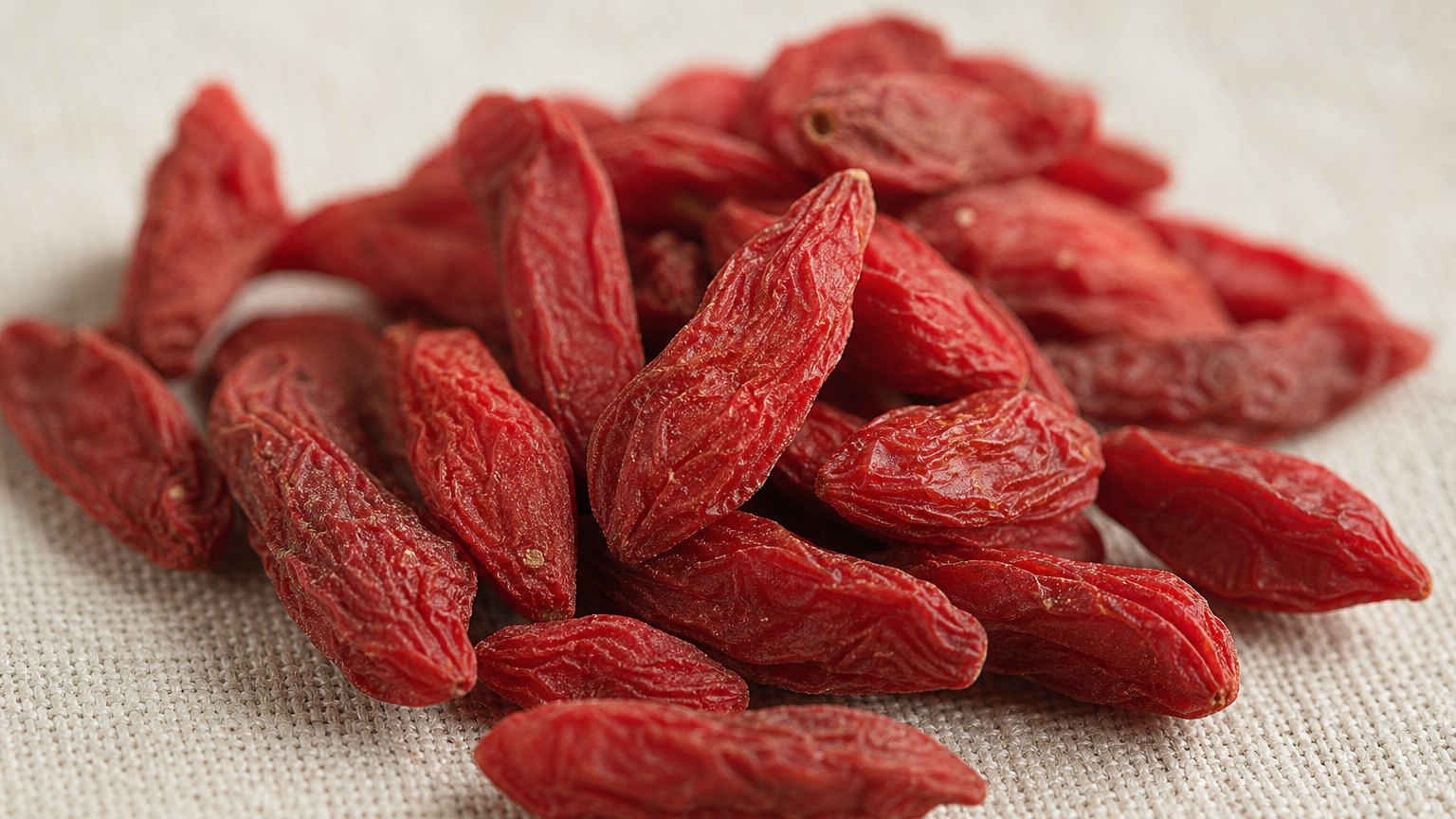
No, goji berries do not naturally contain caffeine. Plain berries and goji-only herbal tea will not provide the stimulant effect you get from coffee, green tea, or energy drinks. Still, the product label, serving size, sleep timing, and medication interactions deserve a closer look.
Key Takeaways
- Naturally caffeine-free: Fresh, dried, powdered, and steeped goji berries do not naturally contain caffeine.
- Not an energy stimulant: Goji provides calories and nutrients, but there is no solid evidence that it creates a caffeine-like boost.
- Usually suitable at night: Goji should not keep you awake because of caffeine, although blends may contain caffeinated ingredients.
- Medication interactions matter: Goji has documented interactions with warfarin and may also interact with blood pressure or diabetes medicines.
- Moderation works best: Follow the serving on the package and treat goji as one part of a varied diet.
The Short Answer: No Caffeine
Goji berries are naturally caffeine-free. That applies to fresh berries, dried berries, plain goji powder, and tea made only by steeping goji berries in hot water. They do not belong to the group of plants that naturally produce caffeine, such as coffee, tea, guarana, kola nut, and yerba mate.
Caffeine is a stimulant, meaning it increases activity in the central nervous system. It can make you feel more alert, but it may also cause jitters, a faster heartbeat, or difficulty sleeping. Goji berries do not create this stimulant effect through caffeine.
The main exception is a prepared product that combines goji with other ingredients. A goji-flavored drink could contain coffee extract, green tea, matcha, guarana, or added caffeine. Similarly, a tea sold as a goji blend may use black, green, white, or oolong tea as its base. Those tea leaves naturally contain caffeine even though the goji fruit does not.
Check both the ingredient list and the Nutrition Facts or Supplement Facts panel. Look for direct terms such as caffeine, plus common caffeine sources. If a package simply contains dried goji berries, caffeine should not be part of the picture.
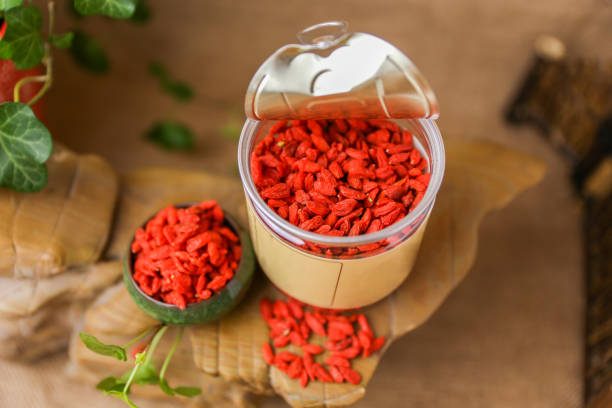
Plain dried goji berries are naturally caffeine-free, although prepared blends may contain caffeinated ingredients.
Why People Associate Goji With Energy
Goji berries often appear in products marketed for vitality, exercise, or afternoon energy. That positioning can make them sound like a stimulant. In reality, feeling alert after eating something does not prove that it contains caffeine or has a special energy-boosting action.
Like other dried fruits, dried goji berries provide carbohydrates and natural sugars. Carbohydrates are broken down into glucose, a major fuel source for your cells. If you eat goji as part of a snack after going several hours without food, the calories may help address ordinary hunger. That is different from the direct nervous system stimulation caused by caffeine.
Goji also has a long history of food and traditional use in parts of Asia. Traditional reputation can shape modern marketing, but historical use is not the same as strong clinical evidence. Small studies of goji juice have explored mood, well-being, and exercise-related measures. The research is limited, often uses specific juice products, and does not establish that ordinary dried goji berries reliably increase energy or athletic performance.
There is also a simple context effect. Goji may be included in smoothies, pre-workout powders, or tea blends alongside genuinely stimulating ingredients. If the full product makes you feel more awake, the caffeine may come from green tea or another ingredient rather than goji. Read the complete label before crediting the berry.
What Goji Berries Actually Contain
Goji berries are small red fruits, usually sold dried because fresh berries are delicate and less widely available. Dried goji has a chewy texture and a mildly sweet, tart flavor. The berries contain small edible seeds, so you do not need to remove anything before eating them.
Their calories come mainly from carbohydrates. They also provide fiber, which supports normal digestion, plus a modest amount of protein. Exact nutrient levels vary by variety, growing conditions, drying method, storage, and serving size. Drying removes water, so nutrients and sugars become more concentrated by weight than they are in fresh fruit.
Goji's red-orange color comes partly from carotenoids. These are plant pigments that include zeaxanthin, a compound found in the eye. Goji also contains other plant compounds commonly described as antioxidants. Antioxidants help protect cells from oxidative stress, which is the everyday imbalance created when unstable molecules outnumber the body's protective systems. This does not mean that goji prevents or treats disease.
Vitamin C content can vary considerably, especially after processing and storage. That is why a package label is more useful than assuming every goji product has the same nutritional profile. Goji contains useful food components, but it is not a replacement for vegetables, protein foods, sleep, hydration, or a balanced diet.

Dried goji berries provide carbohydrates, fiber, carotenoids, and other plant compounds in a concentrated form.
Goji and Sleep
Plain goji berries should not keep you awake because they contain no caffeine. If you are sensitive to stimulants, a goji-only herbal infusion can be a caffeine-free alternative to black or green tea later in the day.
The word tea can cause confusion. Technically, black, green, white, and oolong teas come from the Camellia sinensis plant and contain varying amounts of caffeine. Herbal infusions are made from fruits, herbs, spices, or flowers and are often caffeine-free. A goji blend can belong to either category depending on what else is in the bag. Check for tea leaves, matcha, yerba mate, guarana, or a declared caffeine amount.
There is not enough good evidence to say that goji improves sleep, and it should not be presented as a treatment for insomnia. Its main advantage at bedtime is simply the absence of caffeine when it is consumed alone. Your response can still depend on the form and portion. A large serving of dried fruit close to bed may cause fullness, gas, or reflux in some people. Drinking a large mug of any tea may also lead to a nighttime bathroom trip.
Morning or night is therefore a matter of preference. If goji feels comfortable and the product contains no hidden stimulant, nighttime use is reasonable. If it bothers your stomach, have it earlier or choose a smaller food serving based on the package directions.

A goji-only herbal infusion can be enjoyed without caffeine, but tea blends require a label check.
Side Effects and Who Should Be Careful
Most people can eat goji berries in ordinary food portions without a problem. Possible side effects include stomach discomfort, gas, loose stools, or diarrhea, especially if you suddenly eat a large amount of dried fruit. The fiber and concentrated natural sugars may contribute. Goji is not inherently a laxative, but too much can loosen stools in some people.
Allergic reactions are possible. Stop eating goji and seek prompt medical care if you develop facial swelling, trouble breathing, widespread hives, or another severe reaction. People with allergies to related plants may want to be especially cautious when trying goji for the first time.
The most important concern is warfarin, a prescription blood thinner. Published case reports have connected goji products with a raised INR in people taking warfarin. INR is a blood test showing how long blood takes to clot. A higher result can signal an increased risk of bleeding. If you take warfarin, do not start goji berries, juice, tea, or supplements without talking to your doctor or anticoagulation clinic.
Goji may also affect blood sugar and blood pressure, so caution applies if you use diabetes or blood pressure medication. Your doctor or pharmacist can help you avoid additive effects and decide whether monitoring is needed. Talk to your doctor before using concentrated goji products if you are pregnant or breastfeeding, have a kidney or liver condition, are receiving cancer treatment, or live with another existing medical condition.
Food is not automatically risk-free because it is natural. Clear labeling, modest portions, and an honest medication check are the practical safeguards.
How to Use Them
Dried goji berries can be eaten directly, much like raisins. Their sweet-tart flavor works well in oatmeal, yogurt, trail mix, salads, and whole-grain bowls. You can also soak them briefly to soften their chewy texture before adding them to a recipe.
For a warm drink, choose a package containing only goji berries or other caffeine-free herbs. Follow its preparation directions and check the full ingredient list if avoiding caffeine is your priority. Goji blends made with green or black tea are not caffeine-free.
There is no medically established number of goji berries that everyone should eat each day. Berry size varies, so counting individual pieces is not especially useful. Use the food serving listed on the package, and begin with less if you are not accustomed to dried fruit or fiber. More is not automatically better. Dried fruit is compact, making it easy to consume more sugar and calories than you intended.
Goji powder and concentrated extracts are different from whole berries. Follow the label rather than assuming that one scoop equals a particular amount of fruit. If a powder is sold as a dietary supplement, do not exceed its directions. Check with your doctor before using it alongside prescription medicine.
Consistency matters more than chasing an immediate feeling. Goji can add variety, color, and flavor to your routine, but it does not replace balanced meals, hydration, movement, or adequate sleep.
Goji berries can add sweet-tart flavor and chewy texture to oatmeal, yogurt, salads, and trail mix.
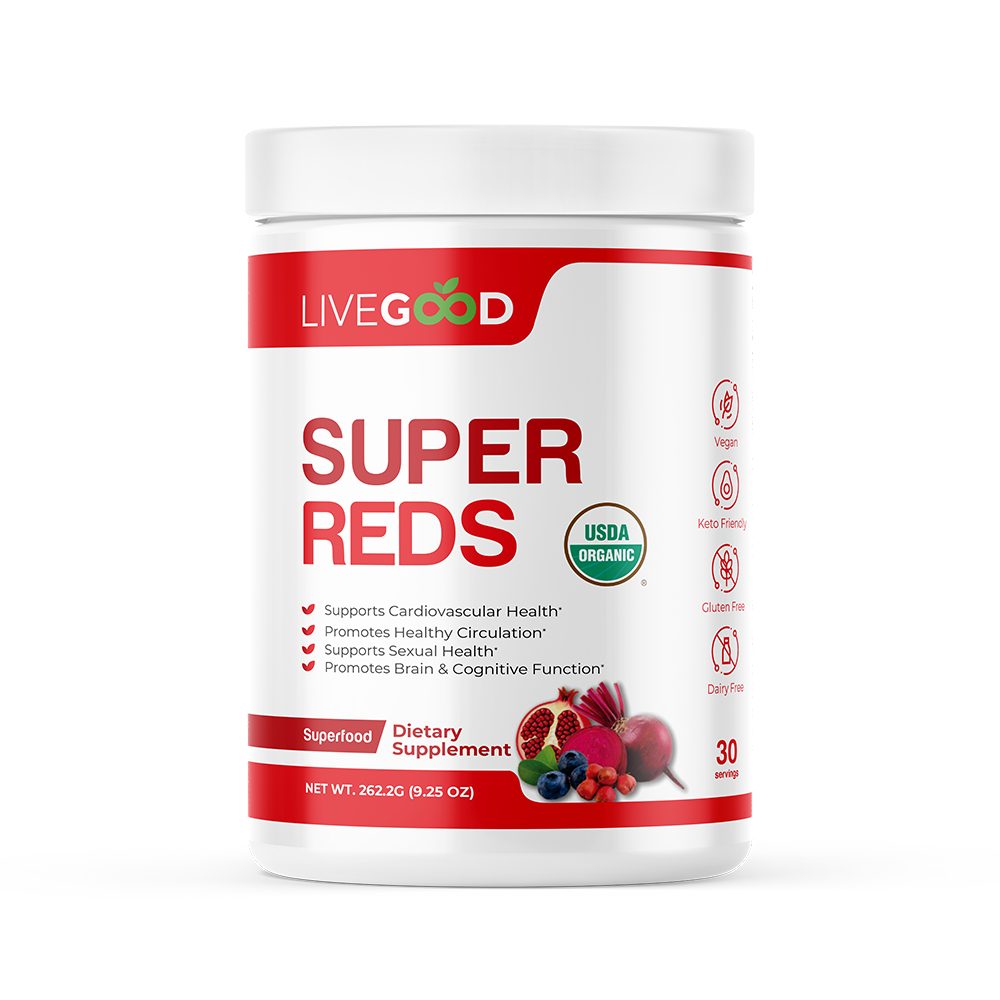
LiveGood Organic Super Reds contains goji among other red fruit and vegetable extracts. It is formulated to support the body's production of nitric oxide, which helps promote healthy blood circulation. The great-tasting powder mixes with water or a smoothie and is popular before workouts or as an afternoon pick-me-up. It costs $19.95 for members versus $34.95 retail, helping make a convenient wellness routine more accessible.
Frequently Asked Questions
Do goji berries have caffeine?
No, plain goji berries are naturally caffeine-free. This includes fresh berries, dried berries, goji powder without added ingredients, and an herbal infusion made only from the fruit. However, goji-flavored drinks and tea blends can include caffeine from green tea, black tea, matcha, guarana, or other sources. Always review the complete ingredient list.
Do goji berries give you energy?
Goji berries do not provide a proven stimulant-like energy boost. Their carbohydrates supply calories that your body can use as fuel, just as carbohydrates from other fruits do. Limited studies have examined goji juice and feelings of well-being, but the evidence does not show that ordinary goji berries reliably increase energy, alertness, or athletic performance.
Can you eat goji berries before bed?
Yes, most people can eat goji berries before bed because the fruit contains no caffeine. They are not proven to improve sleep, however. A large portion could cause fullness, gas, reflux, or loose stools in a sensitive person. Also check goji tea blends carefully, since green or black tea can add caffeine.
What are the side effects of goji berries?
Goji berries may cause digestive discomfort, gas, diarrhea, or an allergic reaction in some people. They can also interact with warfarin and may affect people taking blood pressure or diabetes medications. Talk to your doctor before using goji if you take prescription medicine, are pregnant or breastfeeding, have a kidney or liver condition, or receive cancer treatment.
How many goji berries a day?
There is no established daily number of goji berries that is right for everyone. Berry sizes differ, so use the serving listed on the package instead of counting individual berries. Start with a modest amount if dried fruit or fiber tends to upset your stomach. For goji powders or supplements, follow the label and do not exceed its directions.