
Do Greens Powders Actually Give You Energy?
 Written by Nauder Khazan
Ask AI about this article and Organic Super Greens





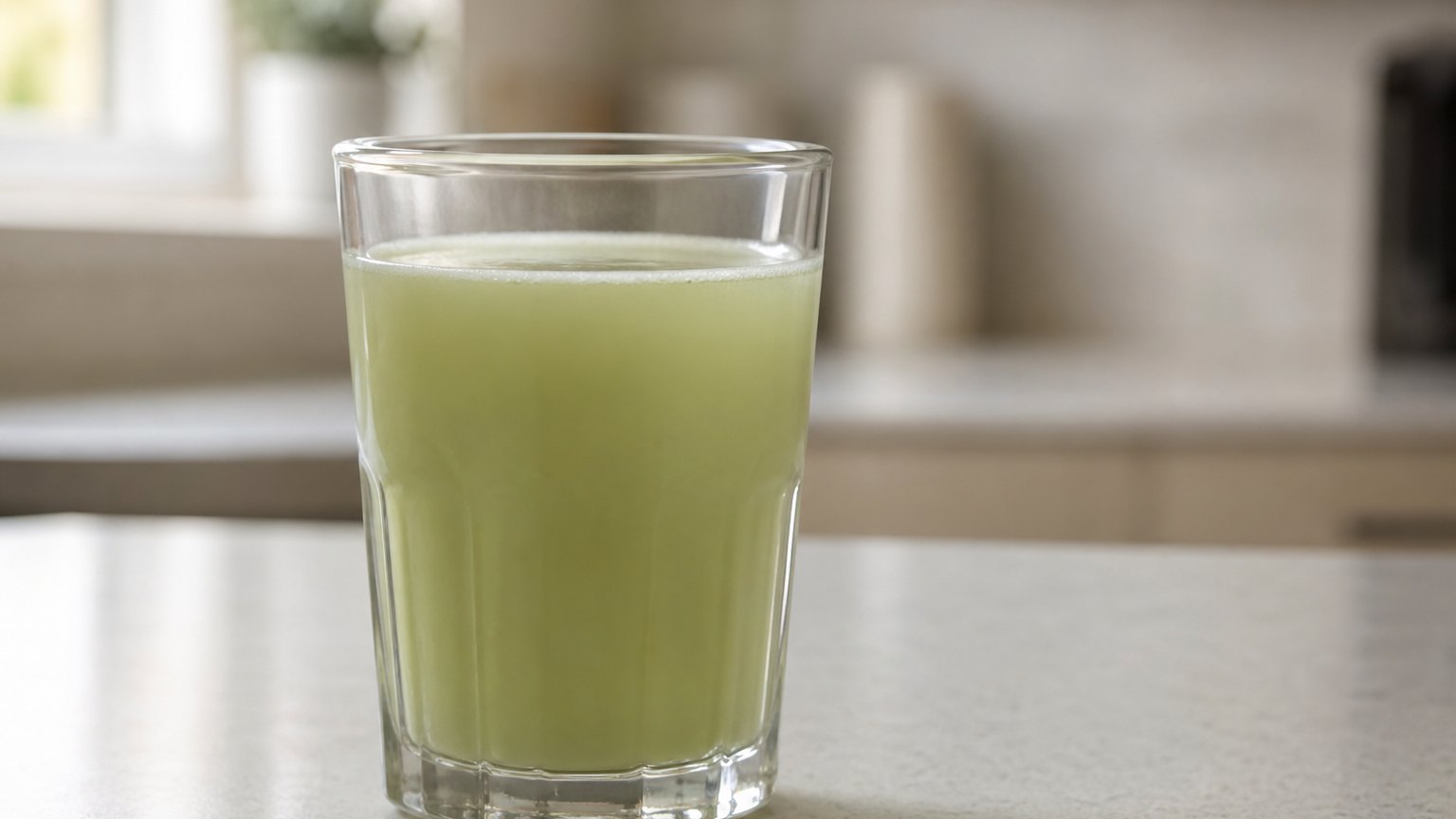
Most greens powders do not give you energy in the way food or caffeine does. They contain few calories and no stimulant unless the formula includes caffeine from ingredients such as green tea or matcha. If you feel a difference, caffeine, correction of a real nutrient shortfall, or expectation may explain it.
Key Takeaways
- Greens are not meaningful fuel: Most greens powders contain too few calories to supply significant physical energy.
- Check for caffeine: Green tea, matcha, yerba mate, and guarana can increase alertness because they contain a stimulant.
- Nutrient gaps matter: Correcting a genuine iron, vitamin B12, or other nutrient shortfall may improve fatigue over time.
- More is not automatically better: Extra B vitamins do not usually create a noticeable lift when you already get enough.
- Daily habits come first: Sleep, regular meals, hydration, movement, and appropriate medical care have a much larger effect on energy.
Energy From Calories vs Energy as a Feeling
The word "energy" can mean two different things. In nutrition, energy means calories. Your body gets calories mainly from carbohydrates, fat, and protein. It breaks those nutrients down and uses them to power movement, body temperature, brain activity, and basic functions such as breathing.
Most greens powders provide very few calories per serving. Check the Nutrition Facts panel, since formulas differ, but a scoop mixed with water is usually not a meaningful source of fuel. It cannot replace breakfast, a snack, or the carbohydrates needed for a demanding workout. If a powder contains almost no sugar, fat, or protein, there is no substantial calorie supply behind an "energy" promise.
In everyday conversation, however, energy often means feeling awake, motivated, or less tired. That feeling can change for several reasons. Caffeine can increase alertness. Eating after skipping meals can relieve low-fuel sluggishness. Correcting a nutrient deficiency may reduce fatigue. Even starting a new wellness routine can make you pay closer attention to positive changes. This expectation effect is real, but it does not prove that the greens themselves created more physical energy.
A greens drink may still be useful as a convenient way to support nutrient intake. Just give it the right job. It is a supplement to your diet, not a calorie source, stimulant by default, or replacement for whole vegetables. Whole produce also provides water, fiber, texture, and a wider variety of plant compounds.
Is There Caffeine in Your Greens Powder?
Some greens powders contain caffeine, while many do not. The color of the drink tells you nothing about its stimulant content. You need to read both the ingredient list and the Supplement Facts panel.
Common caffeine-containing ingredients include green tea extract, matcha, guarana, yerba mate, coffee fruit, and added caffeine. Matcha is powdered tea leaf, so it naturally contains caffeine. Green tea extract may also contain caffeine unless the label clearly identifies it as decaffeinated. Even decaffeinated ingredients can retain a small amount.
If a caffeinated greens powder makes you feel more alert, the simplest explanation is the caffeine. Caffeine stimulates the central nervous system, meaning it temporarily reduces the feeling of sleepiness. It does not provide calories or repair the reason you were tired. Its effect can also wear off, especially if you use caffeine regularly and develop tolerance.
Look for the caffeine amount in milligrams per serving. Do not assume "natural energy" means stimulant-free. Also consider coffee, tea, pre-workout products, soda, and energy drinks when estimating your daily total. Taking a caffeinated powder late in the day may interfere with sleep, which can leave you more tired the next morning.
If you want a stimulant-free greens powder, choose one that clearly states its caffeine status and does not list caffeinated plants. Follow the label directions. Talk to your doctor before using a complex formula if you take prescription medication, are pregnant or breastfeeding, have a kidney or liver condition, or manage another existing medical condition.
Correcting a Shortfall Can Feel Like Energy
Vitamins and minerals help your body perform the chemical reactions that keep you functioning. If you are genuinely low in a nutrient involved in oxygen transport, red blood cell production, or metabolism, correcting that shortfall can make fatigue improve. That is different from a supplement giving an otherwise well-nourished person an immediate energy boost.
Iron is a clear example. Your body needs iron to make hemoglobin, the protein in red blood cells that carries oxygen. Iron deficiency can cause fatigue, weakness, shortness of breath, or difficulty concentrating. Vitamin B12 and folate are also needed for healthy red blood cell formation. A deficiency may contribute to anaemia, which means you do not have enough healthy red blood cells to carry oxygen effectively.
However, a greens powder cannot tell you whether you are deficient. It may not contain enough of the missing nutrient to correct the problem, either. Leafy greens contain folate, but they are not dependable natural sources of vitamin B12. Iron amounts and absorption also vary. Taking iron without a demonstrated need can cause side effects and may be unsafe for some people.
This is why persistent fatigue deserves more than a supplement experiment. Anaemia, thyroid disease, sleep disorders, infection, medication effects, depression, and many other issues can affect energy. Talk to your doctor if fatigue is ongoing, worsening, unexplained, or accompanied by symptoms such as dizziness, breathlessness, chest discomfort, or unusual weakness. A clinician can review your symptoms and order blood tests when appropriate.
If testing identifies a shortfall, follow the treatment plan you receive. Improvement may take days or weeks, depending on the cause and its severity. A dramatic same-day lift is more likely to come from caffeine or expectation than from replenishing a nutrient.
B Vitamins and the Marketing Around Them
B vitamins often appear beside words such as "energy," but the wording can be misleading. These vitamins help enzymes perform reactions involved in converting food into usable energy. Enzymes are proteins that speed up processes inside the body. That supporting role does not mean a large dose of B vitamins acts like caffeine or supplies calories.
Think of B vitamins as parts used by the body's energy machinery. If a necessary part is missing, the machinery may not run normally. Adding that missing part can help restore normal function. If all the parts are already present, adding a large pile of extras does not make the machinery run faster.
Vitamin B12 is especially common in energy-focused supplements. A person with low B12 may experience fatigue and may feel better after the deficiency is properly addressed. Someone with adequate B12 is less likely to notice extra energy from a high-dose serving. The same basic principle applies to other B vitamins, although each one has different roles and deficiency risks.
Some formulas provide several hundred or even several thousand percent of the Daily Value. A high percentage is not proof of a stronger benefit. Your body can excrete some excess water-soluble vitamins in urine, but that does not make every amount harmless. High intakes of certain B vitamins can cause adverse effects or interact with medical care.
Compare the label with your other supplements and fortified foods so you do not unintentionally stack large doses. More useful questions are whether the formula meets a real nutritional need, whether the amounts are transparent, and whether you can use it consistently without treating it as a shortcut for sleep or food.
What Actually Drives Daily Energy
If you want steadier daily energy, start with the factors that supply fuel and support recovery. A greens powder can fit into that routine, but it sits well behind the basics.
Sleep is the first place to look. Most adults function better with a consistent sleep schedule and enough time in bed. Caffeine can temporarily cover sleepiness, but using it late may delay sleep and continue the cycle. If you sleep for a reasonable amount of time but remain exhausted, snore heavily, wake gasping, or regularly struggle to stay awake, talk to your doctor.
Food also matters. Regular meals containing carbohydrates, protein, and fat provide actual calories. Carbohydrates are the body's most accessible fuel for many daily and athletic activities. Protein supports tissue maintenance and recovery. Fat supplies concentrated energy and helps with the absorption of certain vitamins. A smoothie made only with greens powder and water is not equivalent to a balanced breakfast. Adding fruit, yogurt or another protein source, and nut butter or seeds makes it more substantial.
Hydration can influence how you feel, particularly during heat or exercise, but you do not need to force excessive amounts of water. Drink regularly and pay attention to thirst, activity, and weather. Exercise helps build fitness over time, although a challenging session can understandably leave you tired in the short term. Gradual, consistent training is more useful than relying on a powder before every workout.
Finally, notice patterns. Track sleep, meals, caffeine, exercise, and fatigue for a week or two. This often reveals more than judging one drink on one morning. If you choose greens, take them at a time you can maintain. Morning is convenient, but a caffeine-free powder can generally be used later if the label allows it. Consistency supports nutrition habits, while timing alone does not turn greens into an energy product.
For a convenient nutritional safety net, LiveGood Organic Super Greens is a USDA certified organic greens powder designed to help fill nutrient gaps your usual diet may leave. Mix one delicious scoop a day into water or a smoothie, and keep eating whole fruits and vegetables for fiber and food variety. It is $19.95 for members versus $34.95 retail, a membership advantage built around making wellness more accessible. Think of it as "a safety net for your health," not a stimulant or a substitute for sleep and meals.
Frequently Asked Questions
Do greens powders give you energy?
Greens powders generally do not provide meaningful energy on their own because they contain very few calories. You may feel more alert if the formula contains caffeine. A person with a genuine nutrient deficiency might feel less fatigued after that deficiency is corrected, but this usually takes time. A caffeine-free powder is better viewed as nutritional support than an instant energy source.
Do greens powders contain caffeine?
Some greens powders contain caffeine, but others are stimulant-free. Check for green tea, matcha, guarana, yerba mate, coffee fruit, or added caffeine on the label. Look for an amount in milligrams rather than relying on phrases such as "natural energy." If caffeine is not disclosed clearly, contact the manufacturer before assuming the product is caffeine-free.
How long before you notice anything?
You might notice caffeine within about 30 to 60 minutes, while improvement from correcting a nutrient deficiency may take days or weeks. If your nutrient intake was already adequate and the powder has no stimulant, you may never feel an obvious change. Evaluate it by consistency, label contents, and how it fits your diet, not by expecting an immediate sensation.
Do B vitamins give you energy?
B vitamins help your body convert food into usable energy, but they do not supply calories or act like stimulants. Correcting a B vitamin deficiency can improve related fatigue. Taking extra B vitamins when you already get enough is unlikely to create a noticeable lift. Very high label percentages are not evidence that a formula will make you feel more energetic.
Why do some people feel a difference?
People may feel a difference because their powder contains caffeine, their previous diet left a nutrient gap, or the new drink changes another habit. For example, it may replace a sugary beverage or encourage a more regular morning routine. Expectation can also shape how you interpret normal changes in alertness. Persistent fatigue should still be discussed with a doctor rather than managed only with supplements.