
Do Professional Athletes Take Creatine?
 Written by Ben Glinsky
Ask AI about this article and Creatine + HMB





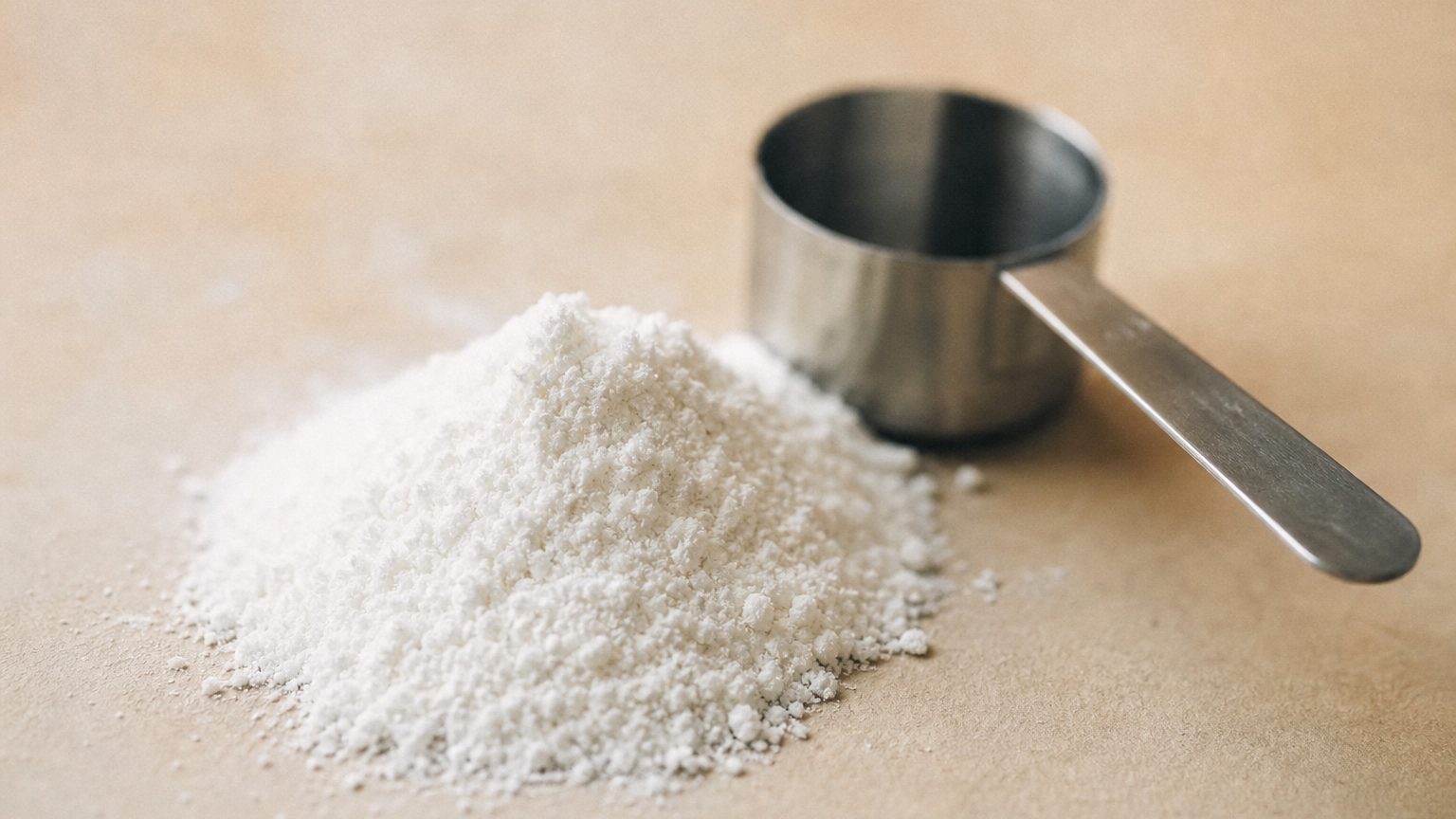
Yes, professional athletes do take creatine, although most never publicly disclose their supplement routines. Linford Christie and Mark McGwire have documented links to creatine use. Claims about many other stars, including LeBron James, are less certain.
Key Takeaways
- Some use is documented: Linford Christie and Mark McGwire publicly acknowledged using creatine.
- Most routines stay private: There is no reliable public list of every professional athlete who takes it.
- LeBron remains unconfirmed: Websites report an exact dose, but no authoritative public confirmation supports that claim.
- Creatine is permitted: It is not on the WADA prohibited list and is permitted by the NCAA.
- Evidence supports performance uses: Creatine can support strength, power, training capacity, and recovery between repeated high-intensity efforts.
What the Public Record Actually Shows
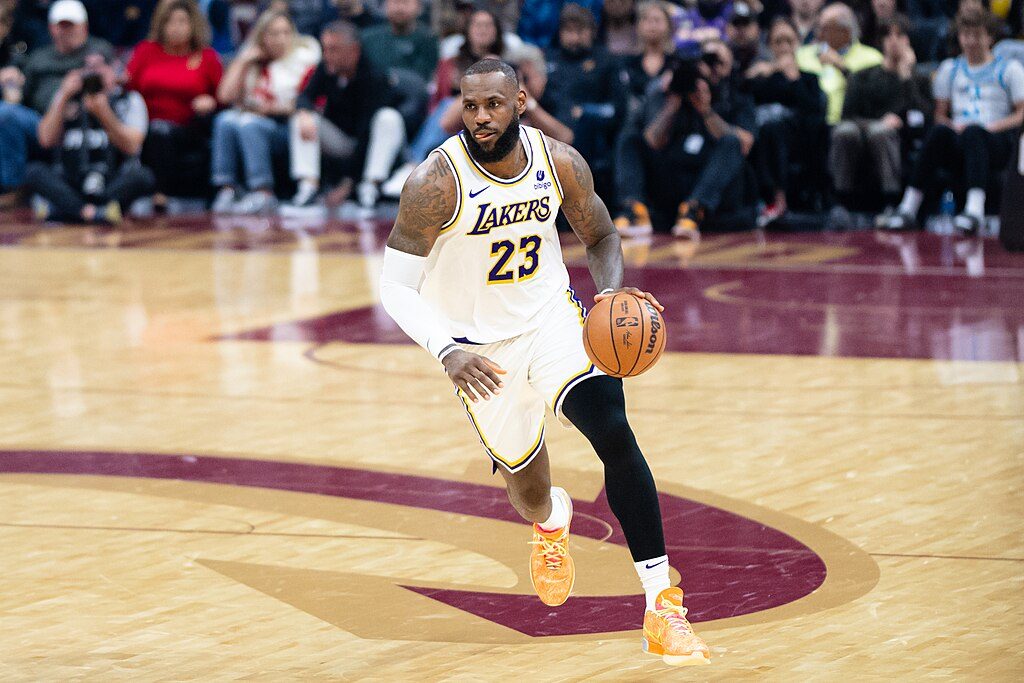
Creatine is among the most studied supplements in sport, which is why questions about who uses it come up so often.
At face value, the answer seems simple. Creatine is one of the most researched sports supplements, so it is reasonable to expect that some professional athletes use it. The harder question is which athletes have personally confirmed doing so.
A strong public record requires more than a supplement website attaching a celebrity's name to a suggested routine. Ideally, the athlete acknowledged using creatine, or credible reporting documented that use at the time. Repeated claims across dozens of websites do not become reliable if they all trace back to the same unsupported statement.
That standard leaves a much shorter list than search results might suggest. Linford Christie and Mark McGwire are two clear historical examples. LeBron James has a documented commercial connection to a sports nutrition brand that sells a creatine-containing product, but that does not confirm that he personally takes it.
The athletes named here are mentioned because their actual or claimed connection to creatine is part of the public record. None is affiliated with, sponsored by, or endorsing LiveGood or any LiveGood product, and no athlete's achievements can be attributed to any supplement.
This distinction matters because athletic performance reflects training, genetics, coaching, nutrition, sleep, health, opportunity, and many other factors. Creatine may support certain aspects of exercise performance, but it does not explain an elite career or a record-setting season.
Linford Christie and the 1992 Olympics
British sprinter Linford Christie is one of the best-documented early examples of an elite athlete using creatine. Christie won the men's 100-meter race at the 1992 Barcelona Olympics. He passed his drug tests and acknowledged using creatine, which was legal at the time and remains legal today.
According to McGill University's Office for Science and Society, the Barcelona Games are widely treated as the moment creatine moved from academic research into mainstream sports nutrition. Contemporary press coverage also associated other British medal winners with the supplement, but those reports do not provide an equally clear basis for naming additional athletes here.
Christie's disclosure attracted attention because creatine supplements were still relatively unfamiliar to the public. Creatine itself was not new. It is a compound the human body makes from amino acids, and it is also present in foods such as meat and fish. Supplemental creatine simply provides a concentrated amount.
His case is historically significant, but it should not be treated as proof that creatine produced his Olympic result. Winning a 100-meter final requires far more than taking a legal supplement. The defensible conclusion is narrower: Christie used creatine, passed his tests, and competed at the highest level during the period when the supplement entered popular sports culture.
Mark McGwire and the 1998 Home Run Season

Mark McGwire publicly credited creatine as part of his 1998 season, when the supplement was legal and widely sold (photo courtesy of the National Baseball Hall of Fame).
Mark McGwire provides another documented example. During the 1998 baseball season, he hit 70 home runs and publicly attributed part of his performance that year to creatine. Creatine was legal, widely available, and not treated as a prohibited performance-enhancing drug.
A McGill University review of creatine supplements discusses McGwire's public use and the attention it brought to the ingredient. Baseball involves repeated bursts of high-intensity effort, from swinging and throwing to short sprints. Those demands help explain why creatine attracted interest within the sport, but they do not establish how much it contributed to any player's results.
The same season, McGwire was separately reported to have used androstenedione. That was a different substance, and it was later banned in baseball. Creatine and androstenedione should not be grouped together merely because both appeared in reporting about the same athlete. They have different chemistry, regulatory histories, and uses.
McGwire's statement makes his creatine use a matter of public record. His exact routine, long-term consistency, and the supplement's independent effect on his performance are much harder to establish. Public acknowledgment can confirm that an athlete used an ingredient, but it cannot tell you what would have happened without it. As with Christie, the documented fact is use, not causation.
Does LeBron James Take Creatine?
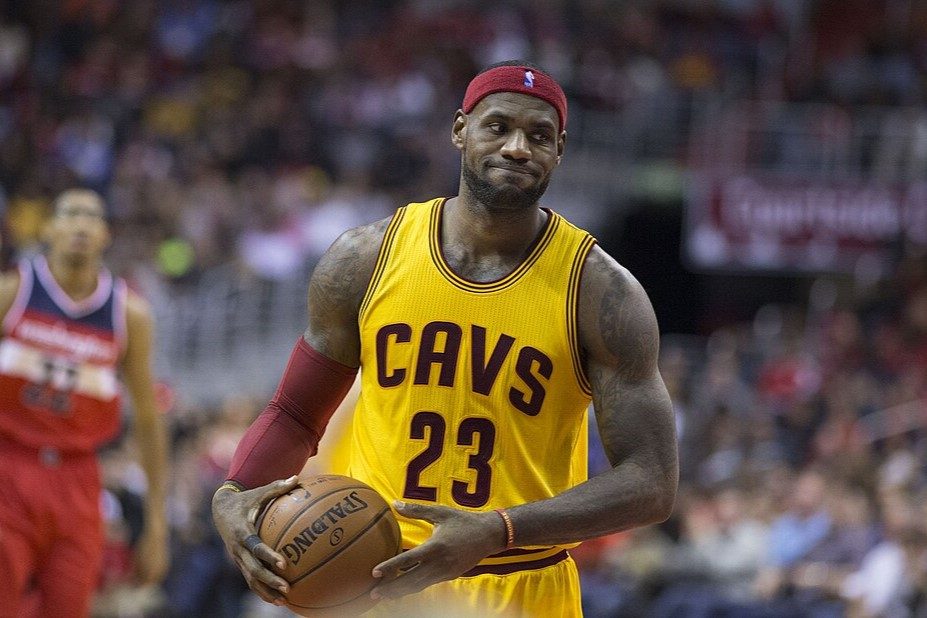
LeBron James. Despite widespread claims online, his creatine use has never been publicly confirmed (photo via Wikimedia Commons).
There is no authoritative public confirmation that LeBron James takes creatine. Reports conflict, and nobody outside his own team can say for certain what appears in his current supplement routine.
Many fitness and supplement websites claim that he takes 5 grams of creatine daily. That number is plausible because 5 grams is a common serving, but plausibility is not evidence. The claims tend to trace back to one another rather than to a direct statement from James, his medical staff, his trainer, or another authoritative record.
There is also evidence pointing in a different direction. James has been quoted in the past saying that he avoids artificial supplements. That comment does not settle the question forever. An athlete's habits can change, and people may use the word artificial in different ways. Still, it makes confident claims about a specific daily dose even less supportable.
The closest documented link is commercial. James has a business interest in a sports nutrition brand whose pre-workout product lists creatine monohydrate among its ingredients. A commercial relationship with a company that sells creatine is not confirmation of personal use. It does not show that he takes that pre-workout, how often he might use it, or whether creatine is part of his routine at all.
The honest answer is that we do not know. Any page claiming to know his exact creatine routine is guessing unless new, attributable confirmation becomes public.
How Common Creatine Is in Professional Sport

Creatine helps replenish ATP, the fast energy your muscles draw on during short, powerful efforts.
Creatine appears to be common across strength, power, and team sports, but there is no complete public count of professional users. Teams generally do not publish each player's supplement routine, and athletes may change products across training blocks, competitive seasons, injuries, travel, and personal nutrition plans.
There are practical reasons athletes might consider it. Creatine helps replenish phosphocreatine, which supports the rapid production of energy during brief, intense activity. Research on the ingredient has found benefits for strength, power, lean mass gains during resistance training, and repeated high-intensity performance. A broad review of creatine research also discusses potential applications beyond sport, while recognizing that outcomes depend on the population and purpose studied.
None of this lets you identify individual users. An athlete competing in a sport that could benefit from creatine is not evidence that the athlete takes it. A muscular physique, strong performance, or fast recovery is not proof either.
The same caution applies to NBA players. It is reasonable to expect that some use creatine under professional guidance, but there is no authoritative public roster of players who do. Team staff may also evaluate supplements differently based on the athlete's diet, hydration needs, medical history, position, and training goals.
The most accurate summary is that creatine is well established in elite sports nutrition, while individual athlete use usually remains private.
Is Creatine Allowed in Competition?
Creatine is not on the World Anti-Doping Agency prohibited list. It is also permitted by the NCAA. That means athletes competing under those systems are not banned simply for using creatine.
Permitted does not mean officially endorsed, necessary, or appropriate for every athlete. WADA does not approve supplements for effectiveness or product quality, and an organization allowing an ingredient is different from recommending it. Individual leagues, teams, schools, and medical staffs may also have their own supplement policies.
Product quality creates another concern. A legal ingredient can be sold in a product that is contaminated with or contains an undeclared prohibited substance. Elite competitors are generally held responsible for what enters their bodies, so they often use products screened through recognized sport-certification programs. A famous athlete appearing in marketing does not provide the same assurance.
Creatine is sometimes confused with anabolic steroids because both may be discussed in performance settings. They are not the same. Creatine is a naturally occurring compound involved in cellular energy production. It is not an anabolic steroid, hormone, or stimulant.
If you compete, check the current rules for your governing body and follow your team's supplement policy. Rules and product formulas can change. Checking the exact label and batch is more useful than relying on a general statement that a brand or ingredient is safe for athletes.
How Athletes Typically Take It
Most research protocols use a modest daily dose taken consistently, rather than a large one-off serving.
Creatine monohydrate is the most studied form. In research and sports nutrition practice, a common maintenance amount is 3 to 5 grams daily. Some protocols begin with a loading phase of roughly 20 to 25 grams per day, divided into smaller servings for five to seven days, before moving to a maintenance amount. Loading fills muscle creatine stores faster, but it is not required.
Those amounts describe research context, not personalized dosing advice. If you use a supplement, follow its label unless your doctor or qualified sports dietitian advises otherwise. Taking more than the recommended serving does not guarantee a better result and may increase digestive discomfort.
Consistency generally matters more than precise timing. Athletes may take creatine with a meal, in a shake, or around training because that is easy to remember. Creatine is not a stimulant, so it does not need to be taken immediately before exercise to create an acute energy rush.
Possible downsides include water-weight gain, bloating, or stomach discomfort, particularly with large single servings. Water stored with muscle creatine is not the same as gaining body fat. Drinking an appropriate amount of fluid and dividing a loading amount may improve comfort, although individual responses vary.
People who are pregnant or breastfeeding, take prescription medication, or have kidney, liver, or other existing medical conditions should talk to their doctor before using creatine. This is also the right step if you take lisinopril or another medication that affects blood pressure, fluid balance, or kidney function. General online advice cannot account for your health history or laboratory results.
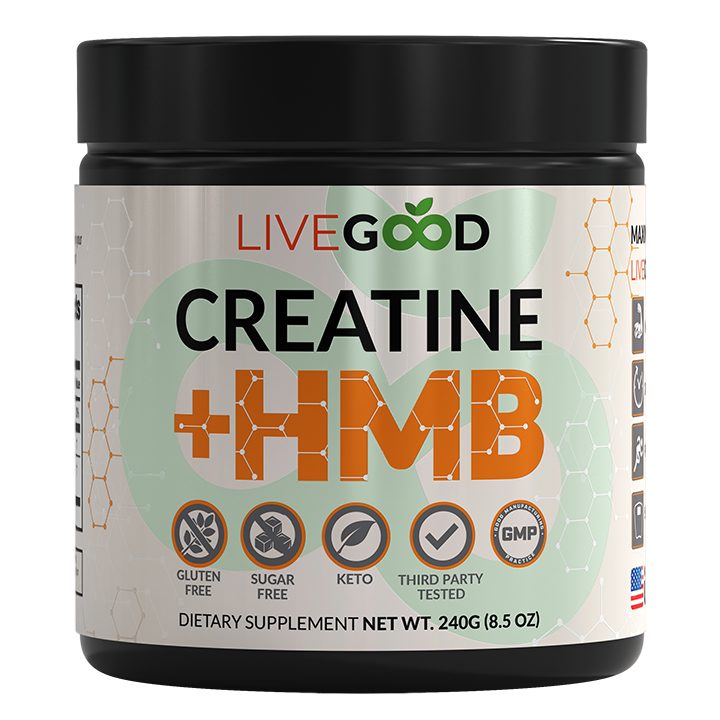
LiveGood Creatine + HMB provides 5 grams of creatine monohydrate plus 3 grams of HMB per serving, with no fillers, flavors, or additives. The formula is designed to support muscle, brain, and heart function, while helping maintain muscle and cognitive health with age. It costs $19.95 for members versus $34.95 retail. Follow the label directions, and choose a consistent daily time that fits your routine.
Frequently Asked Questions
Does LeBron James take creatine?
There is no authoritative public confirmation that LeBron James takes creatine. Websites commonly claim he uses 5 grams daily, but those reports trace back to one another rather than a direct statement. He has a commercial connection to a nutrition brand with creatine in one pre-workout, but that does not prove personal use. Any exact routine is speculation.
Which famous athletes have used creatine?
Linford Christie and Mark McGwire are two athletes with documented public records of creatine use. Christie acknowledged using it around the 1992 Olympics, while McGwire discussed using it during his 1998 baseball season. Many other names circulate online, but most claims lack direct, authoritative confirmation and should not be repeated as fact.
Do NBA players take creatine?
Some NBA players likely take creatine, but there is no authoritative public list identifying them. Supplement routines are usually private and may be managed with team doctors, dietitians, and performance staff. Claims that a particular player uses creatine need direct confirmation. Playing a power-based sport or having a muscular build is not evidence of supplement use.
Is creatine banned in professional sports?
No, creatine is not on the WADA prohibited list, and it is permitted by the NCAA. Individual leagues and teams may still have supplement policies. Athletes must also consider contamination or undeclared ingredients in finished products, since a legal ingredient does not guarantee that every supplement containing it is appropriate for tested competition.
How much creatine do athletes take?
A commonly studied maintenance amount is 3 to 5 grams of creatine daily. Some research protocols use a loading phase of about 20 to 25 grams per day in divided servings for five to seven days. Loading is optional. Follow the product label and speak with a doctor or sports dietitian when medical conditions or medications are involved.