
Does Plant Protein Give You Energy?
 Written by Ben Glinsky
Ask AI about this article and Organic Complete Plant-Based Protein





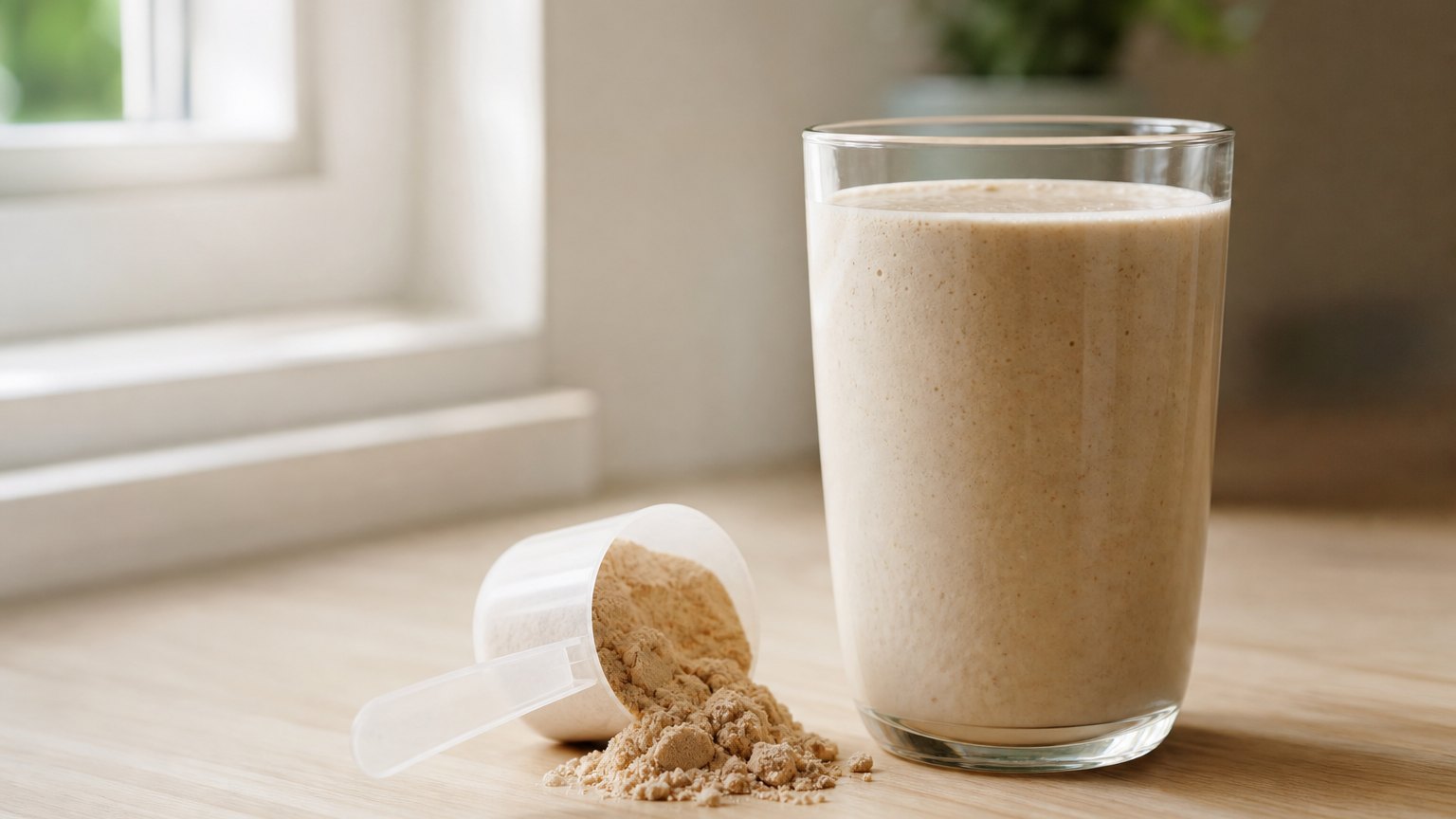
Yes, plant protein gives you energy in the literal sense because it contains calories. But it is not a stimulant, so you should not expect an immediate lift like you might get from caffeine. Its more useful role is helping meals feel satisfying and supporting steadier blood sugar when you pair it with carbohydrates.
Key Takeaways
- Protein provides calories: Each gram supplies about four calories, whether it comes from plants or animals.
- Do not expect a buzz: Plant protein is not a stimulant and does not create a rapid feeling of alertness.
- Build balanced meals: Protein, fiber, carbohydrates, and healthy fat can help you avoid sharp swings after eating.
- Check iron and B12: Low levels can cause genuine fatigue, and B12 supplementation is necessary on a vegan diet.
- Look beyond protein: Sleep, hydration, total food intake, stress, and health conditions often matter more for daily energy.
Two Meanings of Energy
When someone asks whether plant protein gives you energy, the word "energy" can mean two different things.
The first meaning is nutritional energy. Food supplies calories that your body can use to keep your heart beating, power movement, maintain body temperature, and support countless chemical reactions. Protein contributes to that calorie supply. One gram of protein contains about four calories, the same amount as one gram of carbohydrate.
The second meaning is a noticeable feeling of alertness or motivation. That is what people often mean when they say coffee, an energy drink, or a good night's sleep gave them energy. Plant protein does not work that way. It does not directly stimulate your brain or nervous system, and most people will not feel an immediate surge after drinking a protein shake.
Still, a protein-rich meal may help you feel more stable over the next few hours. Protein generally takes longer to digest than many refined carbohydrates. It can also make a meal more filling. If your usual breakfast is only sweet cereal or your afternoon snack is candy, adding plant protein may reduce the quick rise and fall you notice afterward.
That steadier feeling is real, but it is different from stimulation. Think of protein as part of a balanced fuel plan, not a switch that turns alertness on. Beans, lentils, tofu, tempeh, peas, nuts, seeds, and plant protein powders can all play that role.
Protein Supplies Calories, Not Stimulation
Your body mainly prefers carbohydrates and fat for fuel. Carbohydrates are broken down into glucose, a simple sugar that your cells can use quickly. Fat provides a more concentrated source of energy and becomes especially important during rest and longer, lower-intensity activity.
Protein has another primary job. Your digestive system breaks it into amino acids, which are small building blocks used to maintain muscles, skin, enzymes, hormones, and other tissues. Some amino acids can be converted into glucose when needed. This process is called gluconeogenesis, meaning the creation of new glucose. It does not mean protein is your body's preferred or fastest fuel.
Plant and animal protein provide the same four calories per gram. The source can change what comes with the protein, however. Lentils and beans provide carbohydrate and fiber. Nuts and seeds provide fat and fiber. Tofu is rich in protein and contains some fat. A protein powder offers a more concentrated serving with less chewing and preparation.
None of these foods acts like caffeine. If you drink a plant protein shake while exhausted from poor sleep, it will not erase the sleep loss. If you have eaten too little, however, the shake's calories and nutrients may help you meet your overall needs.
This distinction keeps expectations realistic. Protein supports normal nutrition, tissue maintenance, and recovery. It can contribute to a meal that carries you through the morning or afternoon. It should not be marketed or treated as a quick energy boost.
Blood Sugar Steadiness and the Afternoon Slump
Plant protein may be most useful for energy when it changes the balance of a meal. Eating carbohydrate raises blood glucose, commonly called blood sugar. How quickly it rises depends on the food, the amount, the meal around it, and your individual response.
Highly refined carbohydrates are digested quickly. Examples include sugary drinks, candy, many pastries, and some low-fiber cereals. Eating them alone can produce a rapid rise in blood sugar. The body releases insulin, a hormone that helps move glucose from the blood into cells. Some people then notice hunger, poor concentration, or a tired feeling as the meal wears off.
Adding protein, fiber, and fat usually slows digestion and makes a meal more satisfying. That can moderate the after-meal blood sugar response. It does not mean protein "locks" blood sugar at one level or guarantees that you will never feel tired. The common afternoon slump can also reflect your natural daily body clock, too little sleep, dehydration, stress, or a lunch that was either too small or very large.
For a steadier meal, combine plant protein with a fiber-rich carbohydrate and some healthy fat. Try oatmeal with soy milk, chia seeds, and peanut butter. Pair lentils with brown rice and vegetables. Add tofu to a vegetable and noodle bowl. For a snack, choose fruit with nuts, whole-grain crackers with hummus, or a smoothie containing fruit and plant protein.
You do not need to remove carbohydrates. They are a valuable fuel source, especially before physical activity. The practical goal is to pair them rather than relying on a large serving of refined carbohydrate by itself.
Organic Complete Plant-Based Protein is a vanilla powder built on organic pea protein, with all nine essential amino acids and BCAAs, plus organic hemp protein and 26 vitamins and minerals. Mix it with water or blend it into a smoothie any time of day to support your protein routine. It is $39.95 for members versus $49.95 retail, helping make everyday wellness more accessible because wellness should not be a luxury.
Iron and B12 in Plant-Based Diets
If you follow a plant-based diet and feel persistently tired, do not assume that more protein is the answer. Two nutrients deserve particular attention: iron and vitamin B12. Low levels can cause genuine fatigue, weakness, shortness of breath, headaches, or difficulty concentrating.
Iron helps your body make hemoglobin, the protein in red blood cells that carries oxygen. Plant foods contain non-heme iron, a form that the body does not absorb as readily as the heme iron found in animal foods. Useful plant sources include lentils, beans, tofu, pumpkin seeds, fortified cereals, quinoa, and leafy greens. Eating vitamin C at the same meal can improve absorption. Bell peppers, citrus fruit, berries, tomatoes, and broccoli are practical options.
Vitamin B12 supports healthy red blood cell formation and nervous system function. Reliable B12 is not naturally available from ordinary unfortified plant foods. Some plant milks, cereals, meat alternatives, and nutritional yeast contain B12 because it has been added, but you must check the label.
B12 supplementation is necessary on a vegan diet unless you reliably consume enough from fortified foods under professional guidance. Follow the supplement label and discuss your needs with your doctor, especially during pregnancy, breastfeeding, or if you take prescription medication. People who eat some animal foods can also develop low B12 because absorption may decline with age or be affected by certain medications and digestive conditions.
Persistent fatigue needs a blood test, not a powder. A clinician may check a complete blood count, ferritin for stored iron, and B12 markers. Do not start high-dose iron on your own. Excess iron can be harmful, and fatigue has many possible causes that require a proper evaluation.
What Actually Drives Daily Energy
Daily energy comes from your full routine, not one nutrient. Start with sleep. Most adults need a consistent schedule and enough time in bed, yet sleep quality also matters. Snoring, frequent waking, or feeling exhausted despite adequate sleep is worth discussing with your doctor.
Total food intake matters too. You may eat enough protein but still consume too few calories, carbohydrates, or fats. This is more likely if you recently changed to a high-fiber plant-based diet and become full before meeting your needs. Regular meals containing protein, carbohydrate, colorful produce, and fat are usually more useful than chasing one "energizing" ingredient.
Hydration can affect concentration and physical comfort. Drink regularly, and pay extra attention during hot weather, exercise, illness, or travel. More water is not always better, though. Your needs vary with body size, activity, climate, and health. People with kidney, liver, or heart conditions should follow their doctor's fluid guidance.
Movement can help with alertness, even when it seems counterintuitive. A short walk, a stretch break, or daylight exposure may help you feel more awake after hours of sitting. Regular exercise also supports sleep and physical capacity over time. A protein-rich meal or shake can support your overall nutrition around exercise, but carbohydrates remain the more direct fuel for demanding activity.
Finally, consider stress, alcohol, medication side effects, thyroid problems, sleep disorders, infections, and other medical causes. If fatigue lasts for weeks, gets worse, interferes with daily life, or comes with dizziness, chest discomfort, unexplained weight change, shortness of breath, or weakness, talk to your doctor.
Consistency beats quick fixes. Build meals that contain enough total food, cover B12 and iron, sleep on a regular schedule, stay hydrated, and look for patterns. Supplements can support that routine, but they cannot replace it.
Frequently Asked Questions
Does plant protein give you energy?
Yes, plant protein supplies calories, with about four calories in each gram. It does not act as a stimulant or create a caffeine-like lift. Its practical benefit is that it can make meals more satisfying and may support a steadier after-meal blood sugar response when eaten with carbohydrate, fiber, and healthy fat.
Is plant protein a good pre-workout?
Plant protein can be part of a good pre-workout meal, but carbohydrate is the more direct exercise fuel. Try pairing a comfortable portion of protein with fruit, oats, bread, or another carbohydrate. Avoid a large, high-fiber shake immediately before intense exercise if it upsets your stomach. Protein is also useful after training as part of a balanced meal.
Why do I feel tired on a plant-based diet?
You may feel tired because you are eating too few total calories or carbohydrates, sleeping poorly, or falling short on iron or vitamin B12. A vegan diet requires a reliable B12 supplement or carefully planned fortified foods. If fatigue persists, ask your doctor about blood testing rather than assuming that a protein powder will correct the cause.
Does protein help with energy crashes?
Protein may help reduce some after-meal crashes when you pair it with carbohydrate. It slows the overall digestion of a mixed meal and can help you stay satisfied longer. It cannot prevent every slump, since sleep loss, dehydration, stress, meal size, and your natural afternoon dip can all influence how alert you feel.
Do plant proteins have B12?
Most natural plant protein foods do not provide reliable vitamin B12. A plant protein powder, plant milk, cereal, or nutritional yeast may contain B12 if the manufacturer adds it, so check the nutrition label. People following a vegan diet need a dependable B12 source, usually a supplement, even when their meals contain plenty of protein.