
LiveGood E3: What Is in It and What It Does
 Written by Nauder Khazan
Ask AI about this article and E3 - Energy, Endurance, Electrolytes





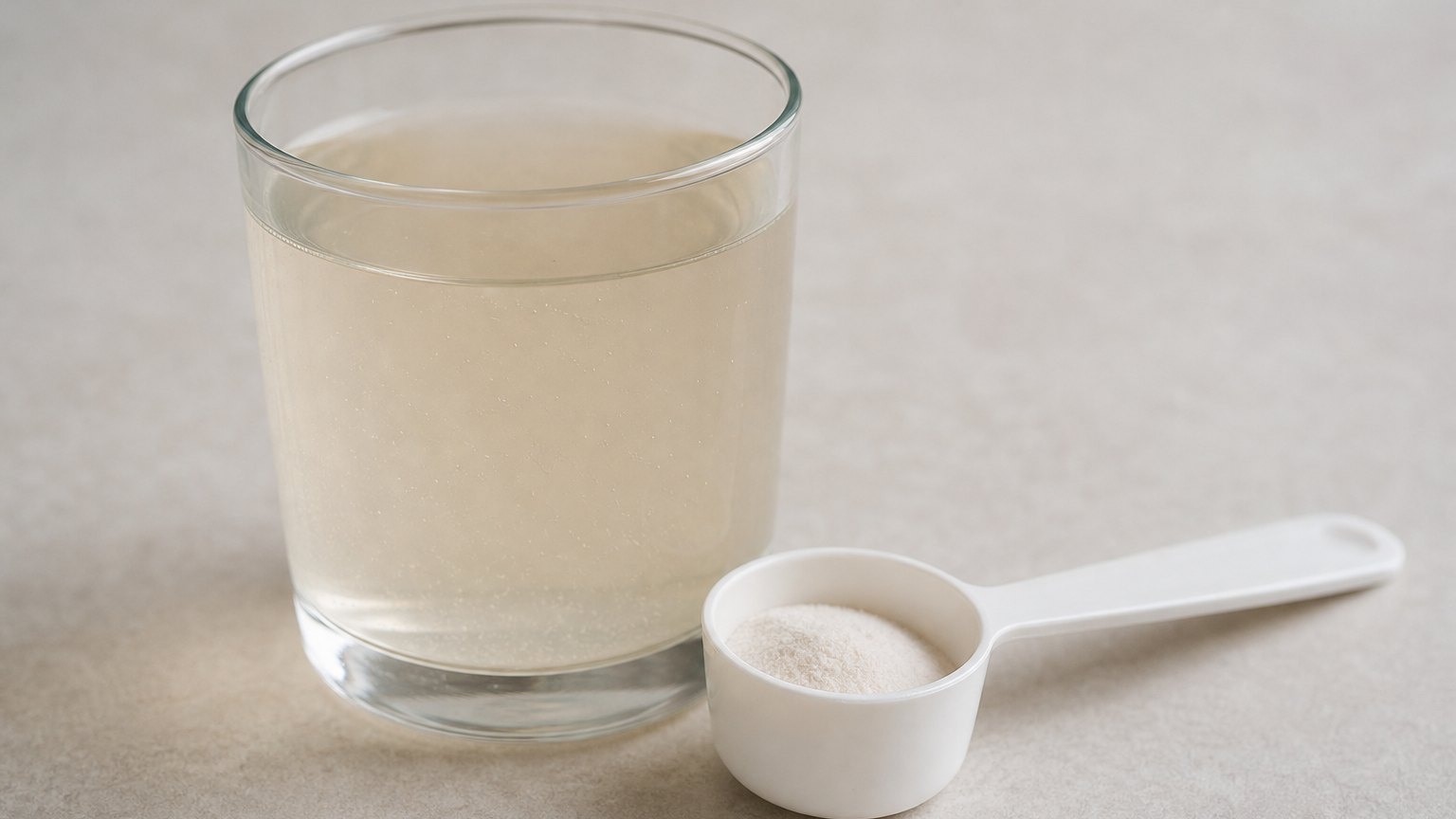
LiveGood E3 is a powdered pre-workout and daily-use formula with electrolytes, all nine essential amino acids, beta-alanine, betaine, Alpha-GPC, BetaPrime and Huperzine-A. These ingredients are intended to support hydration, exercise performance and mental focus, but individual results vary and the formula should not replace water, food, sleep or consistent training.
Key Takeaways
- Multiple types of support: E3 combines electrolytes, amino acids and exercise-focused ingredients in one formula.
- All essential amino acids included: The formula contains all nine amino acids your body must obtain from food, including the three BCAAs.
- Hydration needs vary: Electrolytes may be useful during long, hot or sweaty activity, while water is often enough for shorter, lighter sessions.
- Caffeine status needs checking: The available product summary does not state a caffeine amount, so review the current Supplement Facts before use.
- Realistic expectations matter: E3 may support an active routine, but it cannot compensate for inadequate sleep, nutrition, fluids or recovery.
What Is in E3
LiveGood E3 stands for Energy, Endurance and Electrolytes. It is described as a pre-workout and daily energy formula rather than a standard sports drink. Its ingredient groups address several different parts of an active routine.
The formula contains electrolytes, including sodium, potassium and magnesium. Electrolytes are minerals that carry an electrical charge when dissolved in fluid. Your body uses them for fluid balance, nerve signaling and normal muscle contraction.
E3 also provides all nine essential amino acids. These are protein building blocks that your body cannot make in sufficient amounts, so you must obtain them through your diet. The group includes the branched-chain amino acids, or BCAAs, leucine, isoleucine and valine.
Additional ingredients named in the product information include beta-alanine, BetaPower betaine, Alpha-GPC, BetaPrime and Huperzine-A. Each has a different purpose. Beta-alanine is commonly used in exercise formulas, betaine has roles in cellular fluid balance and methylation, and Alpha-GPC supplies choline. Huperzine-A affects the breakdown of acetylcholine, a chemical messenger involved in attention and muscle signaling.
BetaPrime is a branded ingredient name. A trademark alone does not provide enough information to identify its exact composition, dose or expected effect, so the current label should be your guide. The ingredient summary available here also does not provide individual amounts or a caffeine amount. Do not assume that a product marketed for energy is automatically caffeinated or caffeine-free. Check the latest Supplement Facts before taking it.
What Each Ingredient Does
The nine essential amino acids provide raw materials your body uses to build and repair proteins. BCAAs are part of this group, not a separate type of protein. Leucine is especially involved in signaling muscle protein production. However, amino acids work best within an overall diet that supplies enough total protein and calories.
Beta-alanine helps your body produce carnosine, a compound stored in muscle. Carnosine helps buffer some of the acidity that builds during hard exercise. Research on beta-alanine generally focuses on repeated daily intake and high-intensity efforts lasting longer than a brief sprint. It is not usually an instant-performance ingredient. It can also cause harmless but uncomfortable skin tingling in some people.
BetaPower is a branded form of betaine. Betaine acts as an osmolyte, meaning it helps cells manage water balance. It also participates in methylation, a normal process used in many chemical reactions. Exercise research on betaine is mixed, so it should not be treated as a guaranteed strength or endurance aid.
Alpha-GPC is a source of choline. The body uses choline to make acetylcholine, a neurotransmitter that carries messages between nerve cells and muscles. Small studies have explored Alpha-GPC for attention and physical performance, but the evidence remains limited.
Huperzine-A slows the breakdown of acetylcholine. That makes it a biologically active ingredient with possible medication interactions. Evidence does not establish that every healthy adult will notice sharper focus from it.
BetaPrime is also included, but its branded name does not reveal enough to make a precise evidence claim here. Check the label for the ingredient's full identity and amount rather than relying on marketing descriptions alone.
Electrolytes and Hydration
Electrolytes help regulate how fluid moves through your body. Sodium is the main electrolyte lost in sweat, although sweat also contains potassium, magnesium and other minerals. Sodium supports fluid balance and nerve impulses. Potassium helps maintain normal cell, nerve and muscle function. Magnesium participates in hundreds of enzyme reactions, including processes related to muscle and energy metabolism.
That does not mean everyone needs an electrolyte drink throughout the day. Plain water is often sufficient for a short walk, an easy workout or normal daily activity, especially when you also eat regular meals. Food supplies electrolytes too.
An electrolyte formula becomes more relevant when you exercise for a long time, sweat heavily, work outside in heat or complete repeated training sessions. Your needs depend on the weather, workout length, clothing, body size, sweat rate and how salty your sweat is. More electrolytes are not automatically better.
E3 can support fluid intake because you mix it into water and consume electrolytes at the same time. Still, it does not make hydration automatic. You need to drink an appropriate amount, and you should not force excessive fluid. Drinking far beyond thirst during prolonged exercise can dilute blood sodium to unsafe levels.
Hydration also involves more than moving water directly into individual cells. Digestion, circulation, hormones and electrolyte concentrations all contribute. For a clearer explanation, read what cellular hydration means. The practical goal is balanced fluid replacement, not chasing a special sensation or assuming one drink can correct every cause of fatigue.
When People Use It
People commonly use E3 before exercise because it is positioned as a pre-workout formula. Others may choose it on active days, during physically demanding work or when a long session is likely to involve substantial sweating. The best time depends on your routine and how your stomach responds.
Follow the label's serving, mixing and timing directions. Do not increase the serving to match an ingredient dose from a study. Research often evaluates isolated ingredients under controlled conditions, which is different from using a multi-ingredient dietary supplement.
If you take E3 before training, give yourself enough time to drink it comfortably rather than consuming a large volume immediately before vigorous movement. Trying it for the first time before an important race or unusually hard workout is not ideal. Use it first on a familiar training day so you can observe taste, digestion, tingling and any effects on alertness.
During longer activity, hydration planning should account for access to water, temperature and your personal sweat rate. After exercise, E3 may contribute fluid, electrolytes and amino acids, but it is not a complete recovery meal. You may still need food containing carbohydrates, protein and other nutrients.
Daily use should also fit your sleep schedule. Because the available ingredient summary does not confirm whether the current formula contains caffeine, read the label before using it later in the day. If caffeine is listed, consider your total intake from coffee, tea, soda, energy drinks and other supplements.
E3 - Energy, Endurance, Electrolytes combines electrolytes, all nine essential amino acids including BCAAs, beta-alanine, BetaPower betaine, Alpha-GPC, BetaPrime and Huperzine-A to support hydration and sustained physical and mental energy. Use it according to the label before a workout or as part of an active-day routine. It is $19.95 for members versus $34.95 retail, reflecting LiveGood's mission to "Provide the highest quality supplements in the world, at the lowest prices possible."
What to Expect and What Not To
E3 is best viewed as support for an already solid routine. Mixing it with water provides fluid and electrolytes. Its amino acids contribute protein building blocks, while beta-alanine and betaine have roles connected with muscle chemistry and cellular function. Alpha-GPC and Huperzine-A relate to acetylcholine activity.
You may notice the drink's flavor, a greater willingness to drink fluid or beta-alanine tingling soon after a serving. Tingling does not prove that the product is improving your workout, and a lack of tingling does not mean it is ineffective. Sensory effects are not the same as meaningful performance results.
Do not expect E3 to create fitness, guarantee longer workouts or erase fatigue. A difficult session can reflect poor sleep, inadequate calories, illness, accumulated training stress, heat or dehydration. A supplement cannot identify or correct all of those factors.
Ingredient research also cannot guarantee a result from the finished formula. Studies may use different amounts, populations and training protocols. Some ingredients, particularly beta-alanine, are usually studied with consistent intake rather than as a one-time serving. Research on betaine, Alpha-GPC and multi-ingredient pre-workout products is mixed or limited.
Track practical measures if you want to evaluate E3. Use it during several comparable workouts and note your fluid intake, comfort, effort and sleep. Avoid judging it from one unusually good or bad day. Consistency matters more than quick fixes.
Stop and reassess if you experience unpleasant symptoms. Severe weakness, confusion, fainting, chest discomfort, vomiting or a racing or irregular heartbeat are not normal signs that a workout supplement is working. Seek appropriate medical care rather than taking another serving.
Who Should Be Careful
Talk to your doctor before using E3 if you are pregnant or breastfeeding, take prescription medication, have an existing medical condition, or have kidney or liver problems. These situations can change how your body handles active ingredients, amino acids, minerals and fluids.
Kidney conditions deserve particular care because the kidneys regulate fluid and electrolyte levels. People who have been told to limit sodium, potassium, magnesium, protein or total fluid should not add an electrolyte and amino acid formula without medical guidance.
Huperzine-A and Alpha-GPC affect pathways involving acetylcholine. That creates possible concerns for people taking medicines that increase or decrease acetylcholine activity. Huperzine-A may also cause nausea, dizziness, sweating, sleep changes or a slow heart rate in some users. Do not combine it casually with cognitive supplements or medications that act on the same pathway.
Beta-alanine can cause temporary tingling, itching or warmth, often around the face, neck or hands. This reaction is usually not dangerous, but it can be uncomfortable. Follow the label rather than taking extra in pursuit of a stronger feeling.
The available product summary does not state whether E3 contains caffeine or provide a caffeine amount. Check the current Supplement Facts. If caffeine is present, people who are caffeine-sensitive, pregnant, managing blood pressure concerns, prone to palpitations or taking stimulant medication should speak with their doctor before use. Combining several caffeinated products can raise total intake quickly.
Children should not use a pre-workout formula unless a qualified pediatric clinician specifically recommends it. Adults should stop using E3 and seek medical advice if they experience a concerning reaction. A supplement should support your routine, not require you to ignore warning signs from your body.
Frequently Asked Questions
What is in LiveGood E3?
LiveGood E3 contains electrolytes, all nine essential amino acids, BCAAs, beta-alanine, BetaPower betaine, Alpha-GPC, BetaPrime and Huperzine-A. Sodium, potassium and magnesium are the electrolytes identified in the available product information. Because ingredient amounts are not listed here, check the current Supplement Facts for exact quantities, other ingredients and serving directions.
What does E3 do?
E3 is formulated to support hydration, exercise endurance and physical and mental energy. Electrolytes assist normal fluid balance and muscle function, while essential amino acids supply protein building blocks. The other ingredients have roles related to muscle chemistry, cellular water balance and acetylcholine activity. Results are not guaranteed, and E3 does not replace sleep, food, water or training.
Does E3 contain caffeine?
Caffeine is not identified or quantified in the product information summarized here. That does not confirm that the current formula is caffeine-free, so check the latest Supplement Facts before using it. If caffeine appears on the label, include it when calculating your total daily intake and use extra caution with pregnancy, caffeine sensitivity, blood pressure concerns or stimulant medications.
When should you take E3?
E3 can be taken according to label directions before a workout or as part of an active-day hydration routine. Try it first during a familiar training session so you can assess digestion, tingling and alertness. Avoid changing the serving based on individual ingredient studies. If the current label lists caffeine, consider the timing carefully so it does not interfere with sleep.
Who should avoid it?
Children and anyone advised to restrict electrolytes, protein or fluids should avoid E3 unless a clinician approves it. If you are pregnant or breastfeeding, take prescription medications, or have kidney, liver, cardiovascular or other existing conditions, talk to your doctor first. You should also check the caffeine information and avoid the product if any listed ingredient has previously caused a reaction.