
Fish Oil and Inflammation: What the Research Shows
 Written by Nauder Khazan
Ask AI about this article and Factor4 - Advanced Inflammation Management





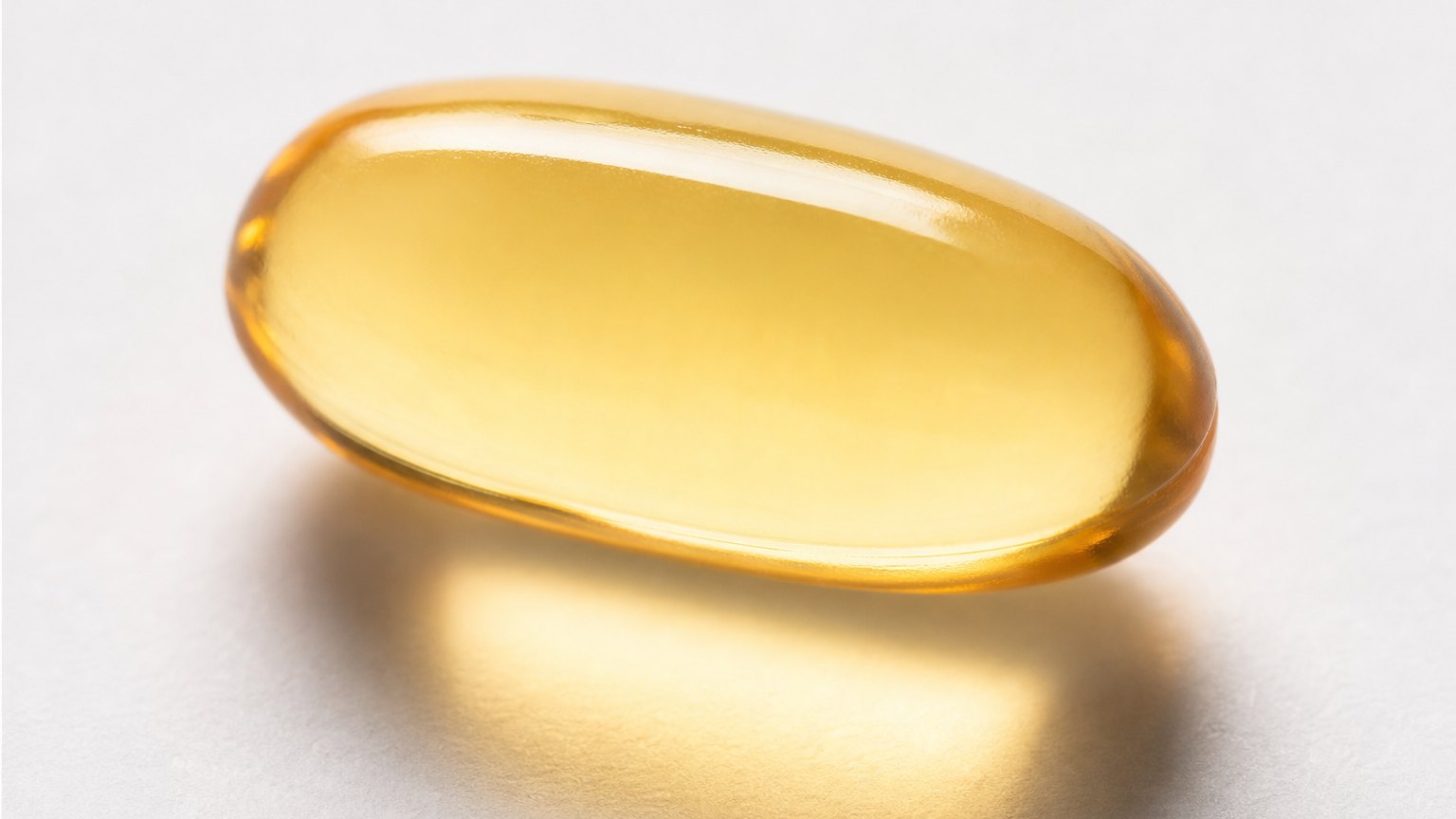
Fish oil provides EPA and DHA, two omega-3 fats involved in the body's inflammatory response. Their biology is promising, especially their role in making molecules that help inflammation resolve, but clinical trials have not shown consistent benefits for everyone. Here is what happens inside the body, what the large studies found, and how to think about diet and supplements.
Key Takeaways
- Resolution is an active process: EPA and DHA help form molecules that tell immune cells when an inflammatory response should wind down.
- Fish oil is not an NSAID: Omega-3 fats work through different biological pathways and should not replace prescribed medication.
- Human evidence is mixed: Some studies report changes in inflammatory markers or symptoms, while others find little meaningful benefit.
- VITAL found no broad protection: The large trial did not significantly lower its primary rates of major cardiovascular events or invasive cancer.
- Food is a practical starting point: Fatty fish provides EPA and DHA along with protein and other nutrients.
What Inflammation Actually Is
Inflammation is part of your immune system's normal response to injury, infection, or irritation. If you cut a finger, immune cells move into the area, blood flow increases, and chemical signals coordinate repair. Redness, warmth, swelling, and soreness are visible parts of that process.
This short-term response is called acute inflammation. It is useful and usually ends when the threat is handled. Chronic inflammation is different. It refers to inflammatory activity that remains switched on or repeatedly returns. It can be associated with ongoing infection, smoking, excess body fat, poor sleep, autoimmune conditions, and other health issues. It is not one single condition, and it cannot be judged accurately by how you feel alone.
Many signaling molecules help control inflammation. Prostaglandins and leukotrienes are examples of lipid mediators, meaning small messages made from fats. Some widen blood vessels, increase sensitivity to pain, or call immune cells to a damaged area. Cytokines are another group of signals that allow immune cells to communicate.
The response also needs a controlled ending. Scientists once thought inflammation simply faded as inflammatory signals ran out. We now know resolution is active. The body makes specific stop and cleanup signals that limit further immune-cell recruitment, clear damaged material, and help tissue return toward normal function. This resolution stage is where EPA and DHA become especially interesting.
How EPA and DHA Are Involved
Fish oil contains two long-chain omega-3 fatty acids: eicosapentaenoic acid, or EPA, and docosahexaenoic acid, or DHA. Fatty acids are building blocks used in cell membranes, energy storage, and chemical signaling. EPA and DHA can become incorporated into the membranes surrounding cells, including immune cells.
When an inflammatory response begins, enzymes release fatty acids from those membranes. The fatty acids then become raw materials for signaling molecules. A common omega-6 fat called arachidonic acid can be converted into prostaglandins and leukotrienes that help initiate and organize inflammation. EPA enters some of the same enzyme pathways and produces a different set of signaling compounds, often with different strength or activity.
DHA also contributes to cell membrane structure, particularly in the brain and eyes. During an immune response, it can be converted into molecules involved in resolution and tissue protection. EPA and DHA are therefore not passive nutrients. They participate in a changing network of signals that helps the immune system start, regulate, and finish its work.
This does not mean more omega-3 automatically produces a better clinical result. The response depends on baseline diet, genetics, health status, dose, duration, and the amounts already present in cell membranes. Blood levels can change without producing a noticeable improvement in symptoms or long-term health. That gap between an appealing mechanism and an actual outcome is one reason fish oil research can look convincing in the laboratory but inconsistent in clinical practice.
Specialised Pro-Resolving Mediators
EPA and DHA are precursors, or starting materials, for specialised pro-resolving mediators. These compounds include resolvins, protectins, and maresins. EPA gives rise to E-series resolvins, while DHA can form D-series resolvins, protectins, and maresins.
These molecules do not simply block every part of inflammation. Instead, they help coordinate its ending. In laboratory research, they can limit the arrival of additional neutrophils, which are fast-moving immune cells that respond early to injury. They can also encourage macrophages, the immune system's cleanup cells, to remove dead cells and debris. This cleanup process helps the affected tissue move from defense toward repair.
That is mechanistically different from how a nonsteroidal anti-inflammatory drug, or NSAID, works. NSAIDs inhibit cyclooxygenase enzymes, often shortened to COX enzymes, that help make certain prostaglandins. The omega-3 pathway supplies ingredients for a broader set of lipid signals, including compounds involved in resolution. It is not a quick pain-relief mechanism, and fish oil should not be viewed as a substitute for medication. For a closer comparison, see fish oil vs. ibuprofen.
Human research confirms that people can make these mediators from omega-3 fats, but the clinical meaning remains unsettled. A small study discussed by the American Heart Association involved 22 healthy adults and found dose-related increases in certain mediators after enriched omega-3 intake. That showed biological activity, not that participants avoided disease or experienced lasting symptom relief. Much of the detailed evidence still comes from cells, animals, or small human studies.
What Large Trials Have Found
Small trials can reveal biological changes, but large randomized trials are better suited to test whether those changes improve health outcomes. The results have been less dramatic than the omega-3 mechanism might suggest.
VITAL was a randomized, placebo-controlled trial involving 25,871 adults in the United States. Participants assigned to marine omega-3s received 1 gram of fish oil per day, providing 460 mg of EPA and 380 mg of DHA. After a median follow-up of about 5.3 years, omega-3 assignment did not significantly lower the trial's primary rates of major cardiovascular events or invasive cancer.
That finding matters because broad claims about fish oil often extend far beyond what large trials support. VITAL was not designed as a direct test of everyday inflammation, and its primary results do not prove that EPA and DHA lack biological activity. They do show that a plausible mechanism and changes in blood fatty acids do not guarantee broad disease protection.
An ancillary VITAL analysis later reported fewer confirmed autoimmune diagnoses in the omega-3 group. That result is interesting, but it addressed a narrower secondary question and should be interpreted alongside the neutral primary findings. It does not establish that fish oil works as a general treatment for inflammatory conditions.
Trials in people with rheumatoid arthritis have sometimes reported modest changes in joint tenderness, morning stiffness, or medication use. Other studies have been less convincing, and protocols vary widely. The Mayo Clinic overview of fish oil similarly describes possible modest benefits in this setting while emphasizing safety and medical supervision. The honest conclusion is that research on EPA and DHA supports a real biological role, but clinical effects depend heavily on the population and outcome being studied.
Dose, Ratios and Diet First
There is no established fish oil dose for general inflammation. Research amounts range from several hundred milligrams to several grams of combined EPA and DHA per day. VITAL used 840 mg of EPA plus DHA within a 1-gram fish oil capsule, while some smaller studies have used much higher amounts. Those doses belong in research context, not as personal instructions.
Check labels carefully if you are comparing studies. A capsule labeled as 1,000 mg of fish oil may contain much less than 1,000 mg of EPA and DHA. The Supplement Facts panel should list the amounts of each omega-3. Total fish oil weight and combined EPA plus DHA are not interchangeable numbers.
There is also no universally preferred EPA-to-DHA ratio for supporting a healthy inflammatory response. The two fats overlap in some functions but form different signaling molecules. EPA-only prescription products have been studied for specific medical uses, but they are not equivalent to ordinary fish oil supplements. Do not use nonprescription fish oil in place of prescribed omega-3 medication or any anti-inflammatory drug.
Diet is a sensible first step for many people. Salmon, sardines, mackerel, trout, herring, mussels, and oysters provide EPA and DHA. Walnuts, chia seeds, flaxseed, and some plant oils provide alpha-linolenic acid, or ALA. Your body can convert a small amount of ALA into EPA and DHA, but the conversion is limited. Eating fatty fish about twice a week is a common food-based approach, though pregnancy and seafood advisories may change which fish are appropriate.
Fish oil can cause a fishy aftertaste, heartburn, nausea, loose stools, or belching. Higher amounts may affect bleeding risk, and some high-dose trials have raised concerns about irregular heart rhythm in susceptible people. Talk to your doctor or pharmacist before using fish oil if you take prescription medication, are pregnant or breastfeeding, have a seafood allergy, have an existing medical condition, or have kidney or liver concerns. Honest, evidence-grounded education also means accepting that consistency in diet matters more than chasing a quick fix.
For a convenient combination, Factor4 - Advanced Inflammation Management is LiveGood's number two seller and was formulated by one of the world's top immunologists. LiveGood describes it as the first and only inflammation management supplement combining fish oil, turmeric, Coenzyme Q10, and garlic to support a healthy inflammatory response. It is $19.95 for members versus $29.95 retail. Note that it is a combination formula rather than a high-dose fish oil, so check the label against the amounts described above. Follow its label directions, and ask your doctor about the full formula if you take medication.
Frequently Asked Questions
Does fish oil help with inflammation?
Fish oil may support a healthy inflammatory response, but the effect is not consistent across people or studies. EPA and DHA supply raw materials for signaling molecules involved in regulating and resolving inflammation. Some clinical research reports changes in biomarkers or symptoms, while other trials find little meaningful difference. It should not replace medical evaluation or prescribed treatment.
How long does fish oil take to work?
Fish oil does not have a dependable immediate effect, and studies that find changes usually assess weeks or months of regular intake. EPA and DHA must be absorbed and incorporated into cell membranes before they can influence many signaling pathways. You may never feel a distinct change. Study timelines also vary by dose, baseline omega-3 status, condition, and outcome measured.
Is fish oil anti-inflammatory?
EPA and DHA in fish oil are often described as anti-inflammatory, but "inflammation-resolving" is more precise for part of their biology. They help form resolvins and protectins, which send signals involved in ending and cleaning up an immune response. This differs from blocking inflammation with an NSAID, and it does not guarantee a noticeable clinical benefit.
How much fish oil is used in research?
Research uses widely different amounts, from several hundred milligrams to several grams of combined EPA and DHA daily. For example, VITAL provided 460 mg of EPA and 380 mg of DHA per day. A bottle's total fish oil number may be much higher than its EPA and DHA content. Follow label directions and discuss higher research-level amounts with your doctor or pharmacist.
Can fish oil cause inflammation?
Fish oil is not known to cause inflammation in most people, but it can produce side effects or allergic reactions. Common issues include nausea, heartburn, loose stools, belching, and a fishy aftertaste. Poor storage can also allow oils to oxidize, although the health significance is uncertain. Stop using it and seek medical advice if you develop swelling, rash, breathing trouble, or other concerning symptoms.