
Fish Oil and Working Out: What Omega-3s Do for Training
 Written by Ben Glinsky
Ask AI about this article and Factor4 - Advanced Inflammation Management





Fish oil may offer modest recovery benefits for some people who work out, especially for muscle soreness after demanding exercise. But taking it right before training is unlikely to make a noticeable difference. EPA and DHA build up in your tissues over weeks, so a consistent routine matters much more than pre-workout timing.
Key Takeaways
- Timing is not the priority: EPA and DHA gradually become part of cell membranes, so regular intake matters more than taking fish oil before or after one workout.
- Recovery findings are mixed: Some studies report less soreness or better maintenance of strength, while others find little meaningful benefit.
- Muscle growth is not guaranteed: Fish oil has not been shown to reliably increase muscle size in healthy lifters.
- EPA and DHA matter most: Read the amounts of these two omega-3s, not just the total milligrams of fish oil.
- High doses need caution: Fish oil can interact with medicines that affect bleeding, particularly at higher intakes.
Why Timing Around a Workout Barely Matters
Fish oil does not work like caffeine, carbohydrates, or dietary nitrate. Those can influence a workout within hours. The main omega-3 fats in fish oil, EPA and DHA, follow a slower process. After digestion, they gradually become incorporated into cell membranes, including membranes in muscle and immune cells. This change occurs over days and weeks rather than during one gym session.
That is why taking fish oil 30 minutes before lifting is unlikely to provide a special pre-workout effect. It will not create an immediate energy boost, muscle pump, or surge in strength. Taking it after training is not clearly better either. Research usually gives participants omega-3s every day for several weeks before measuring soreness, strength, or recovery.

Fish oil timing around a workout matters less than taking EPA and DHA consistently over time.
Choose a time that helps you stay consistent. Breakfast or dinner can both work. Taking fish oil with a meal may improve tolerance and reduce fishy burps or stomach discomfort. A meal containing some fat may also help with absorption, depending on the form of oil used.
If you miss your usual time, there is generally no reason to rearrange your workout. Resume the schedule directed on the label. Consistency over quick fixes is the useful principle here. Your training plan, protein intake, sleep, total diet, and recovery days will have a much larger effect on progress than whether a capsule was taken before or after exercise.
EPA and DHA Explained
Omega-3 fatty acids are a family of polyunsaturated fats. The word polyunsaturated describes their chemical structure, but you do not need to memorize the chemistry. For training questions, the two names worth recognizing are eicosapentaenoic acid, or EPA, and docosahexaenoic acid, or DHA.
EPA is involved in compounds that help regulate normal inflammatory signaling. DHA is an important structural fat in cell membranes and is especially concentrated in the brain and eyes. Both are found in fatty fish such as salmon, sardines, herring, trout, and mackerel. Fish oil supplements provide them in varying ratios.

Fatty fish provide the EPA and DHA used in most omega-3 exercise and recovery research.
Alpha-linolenic acid, or ALA, is another omega-3 found in flaxseed, chia seeds, walnuts, and certain plant oils. Your body can convert some ALA into EPA and DHA, but that conversion is limited. This does not make plant foods unhelpful. It simply means ALA and preformed EPA and DHA are not interchangeable in research.
The National Institutes of Health omega-3 fact sheet provides a detailed overview of these fats and their food sources. For someone focused on working out, EPA and DHA are the forms used in most recovery studies.
Fish oil is not a direct bodybuilding supplement in the way protein supplies amino acids or creatine supports rapid energy production. Omega-3s may influence cell function and recovery signals, but they do not replace enough calories, progressive resistance training, or protein. There is also no established special synergy between fish oil and creatine. They can play different roles in a routine, but combining them has not been proved to accelerate muscle growth.
Recovery and Muscle Soreness Research
Delayed onset muscle soreness, often shortened to DOMS, is the tenderness and stiffness that can develop after unfamiliar or demanding exercise. It often peaks one to three days later. Exercises that emphasize muscle lengthening under load, such as lowering a dumbbell or walking downhill, are especially likely to cause it.
Some small studies suggest that taking EPA and DHA consistently may reduce perceived soreness or help preserve range of motion and strength after muscle-damaging exercise. For example, one randomized study indexed by PubMed gave participants fish oil for eight weeks before a demanding arm exercise. The fish oil group reported less soreness and experienced a smaller temporary loss of strength than the placebo group.

Omega-3 research suggests possible soreness support, but results vary across studies and workout types.
Other trials have not found the same degree of benefit. Studies differ in participant fitness, omega-3 dose, study length, workout type, baseline fish intake, and how recovery is measured. Many are small and use unusually damaging exercise protocols that do not resemble a normal week at the gym. A statistically detectable change also may not be large enough for you to feel during everyday training.
The honest conclusion is that fish oil may modestly support recovery for some people, but it does not reliably eliminate soreness or shorten recovery after every workout. Less soreness also does not automatically mean faster muscle repair or greater long-term gains. Soreness is an imperfect signal. You can build muscle without becoming very sore, and severe soreness can occur without producing a better adaptation.
Use the basics first. Increase training gradually, eat enough protein and total calories, stay hydrated, and allow hard-worked muscles time to recover. Fish oil is optional support, not a substitute for those habits.
Does Fish Oil Blunt Training Adaptation?
Hard training creates temporary stress in muscle. That stress triggers repair and adaptation, including changes that can eventually make the muscle stronger. Because EPA and DHA can influence inflammatory signaling, some athletes worry that fish oil might suppress the normal response needed for growth.
Current human evidence does not show that ordinary fish oil use consistently blocks muscle growth or strength development. Omega-3s do not act exactly like high-dose anti-inflammatory medicines, and findings about those medicines cannot simply be applied to fish oil. Normal inflammation is also not an on-off switch. It involves many signals that rise and fall during recovery.
A few controlled studies have found that omega-3 intake can affect muscle protein synthesis, which is the process of building new muscle proteins. One study in older adults reported a stronger protein-building response to amino acids and insulin after several weeks of omega-3 supplementation. However, an acute laboratory response does not prove that a healthy bodybuilder will gain more muscle over months.
Longer resistance-training studies remain limited and inconsistent. Any benefit may depend on age, usual omega-3 intake, training status, and whether someone begins with low EPA and DHA levels. There is not enough evidence to call fish oil a muscle-building supplement, but there is also no convincing evidence that typical supplemental use cancels your gains.
If hypertrophy is your goal, focus on progressive overload, sufficient protein, enough food, and sleep. Those factors have much stronger evidence. Fish oil should be viewed as a possible nutritional support, not as a shortcut or threat to adaptation.
Dose, Quality and Rancidity
There is no official athlete-specific dose of fish oil for muscle growth or recovery. Research has used widely different amounts of EPA and DHA, sometimes much more than a standard retail serving. Those study amounts are research context, not personal dosing instructions. Follow the product label unless your doctor recommends something different.
Start by reading the Supplement Facts panel carefully. A capsule labeled 1,000 mg fish oil does not necessarily provide 1,000 mg of omega-3s. It may contain only a fraction of that amount as EPA and DHA. Add the listed EPA and DHA amounts to understand what the serving actually supplies. Serving sizes may include one capsule, several capsules, or a measured amount of liquid.
A useful fish oil label clearly lists EPA and DHA amounts, serving size, expiration date, and storage directions.
Quality also matters because oils can oxidize when exposed to heat, light, or air. Oxidation is the chemical breakdown that eventually makes oil rancid. Look for clear EPA and DHA amounts, a lot number, an expiration date, storage directions, and credible independent testing for purity and oxidation. A testing seal can offer useful information, but it does not prove that the supplement will improve recovery or performance.
A strong unpleasant odor, sharply bitter taste, or damaged and leaking capsules can signal poor storage or spoilage. A mild fishy aftertaste alone does not necessarily mean an oil is rancid. Store the product exactly as directed, keep the container tightly closed, and do not use it past its expiration date.
Higher intakes deserve extra caution. Fish oil can affect platelet activity, which is part of normal blood clotting, and high doses may create bleeding concerns. The risk matters most if you take anticoagulant or antiplatelet medication, have a bleeding condition, are preparing for surgery, or have another medical condition. Fish oil can also cause nausea, loose stools, reflux, or fishy burps. If you take prescription medicine, are pregnant or breastfeeding, or have an existing condition, ask your doctor or pharmacist whether fish oil and the label serving are appropriate for you.
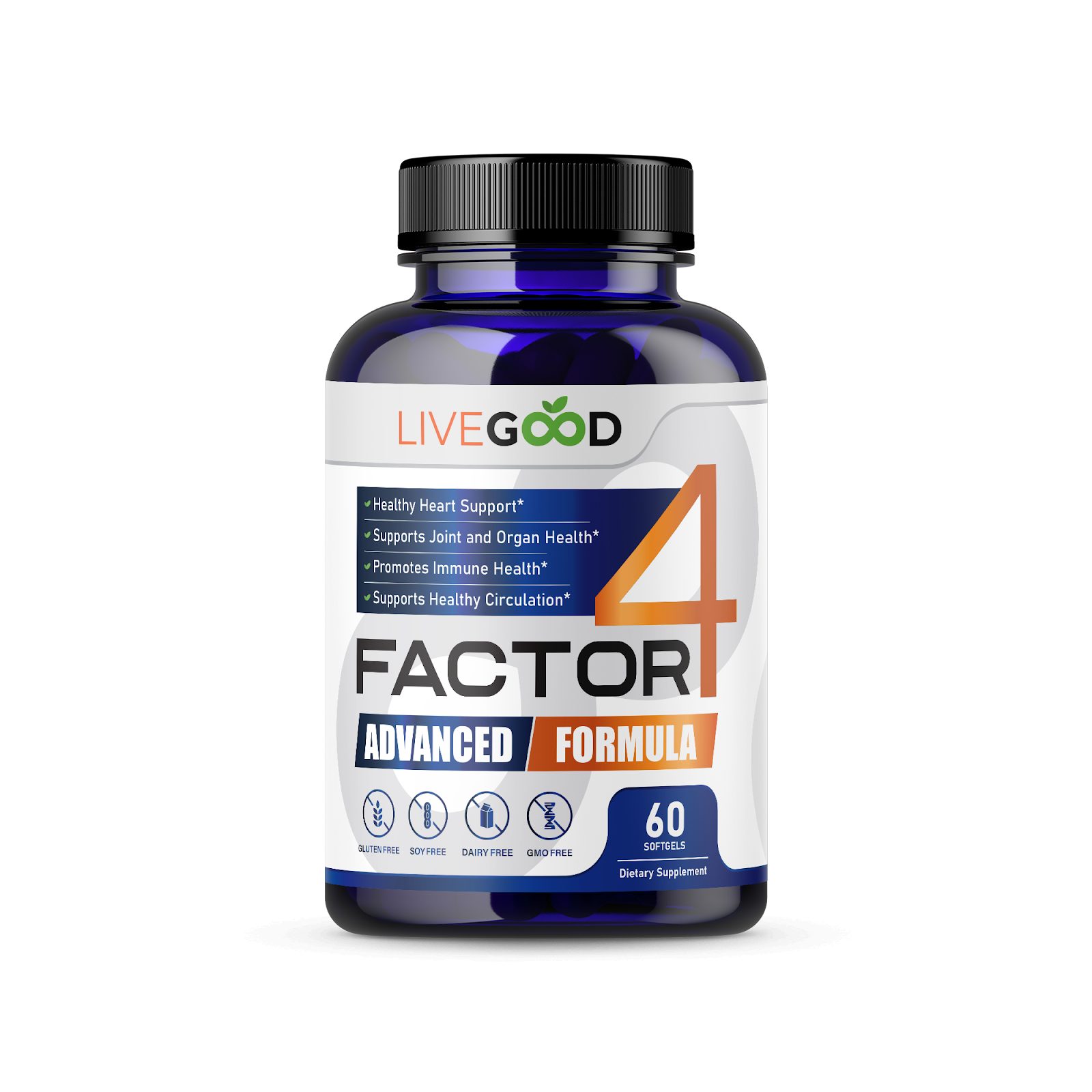
If you would rather not add another single-ingredient bottle, Factor4 - Advanced Inflammation Management is LiveGood's number two seller and was formulated by one of the world's top immunologists. LiveGood describes it as the first and only inflammation management supplement combining fish oil, turmeric, Coenzyme Q10, and garlic to support a healthy inflammatory response. It is $19.95 for members versus $29.95 retail. Note that it is a combination formula rather than a high-dose fish oil, so check the label against the amounts described above. Follow its label directions, and ask your doctor about the full formula if you take medication.
Frequently Asked Questions
Should you take fish oil before a workout?
No, fish oil does not need to be taken before a workout. EPA and DHA accumulate in cell membranes gradually, so daily consistency matters more than timing around a single session. Take it at a convenient time according to the label, preferably with a meal if that helps prevent digestive discomfort. Do not expect an immediate energy, strength, or muscle-pump effect.
What does fish oil do for working out?
Fish oil may support normal recovery processes and modestly reduce post-exercise soreness in some people. Its EPA and DHA influence cell membranes and inflammatory signaling, but research does not show reliable improvements in strength, endurance, or muscle growth for every athlete. Your training, food, protein, sleep, and recovery schedule remain the main drivers of workout progress.
How much omega-3 do athletes take?
There is no established omega-3 dose that all athletes should take. Exercise studies have tested a wide range of EPA and DHA amounts, and those research doses should not be treated as universal recommendations. Follow the serving directions and check how much EPA plus DHA the label provides. Ask a doctor or pharmacist before using higher amounts, especially with prescription medication.
Does fish oil help with muscle soreness?
Fish oil may lessen muscle soreness after demanding exercise, but the results are mixed. Some studies report small improvements in soreness, range of motion, or temporary strength loss, while others show limited effects. Benefits, when present, usually follow consistent use rather than one post-workout dose. Fish oil should not replace gradual training progression, adequate food, sleep, or recovery days.
Can fish oil interfere with muscle growth?
Typical fish oil use has not been shown to consistently interfere with muscle growth. Although EPA and DHA affect inflammatory signaling, current human evidence does not demonstrate that they block normal training adaptation. Research also does not prove that fish oil reliably builds muscle. If growth is your goal, prioritize progressive resistance training, sufficient protein, calories, and sleep.